
7th Week of the Summer CSA Season: Week of July 7th
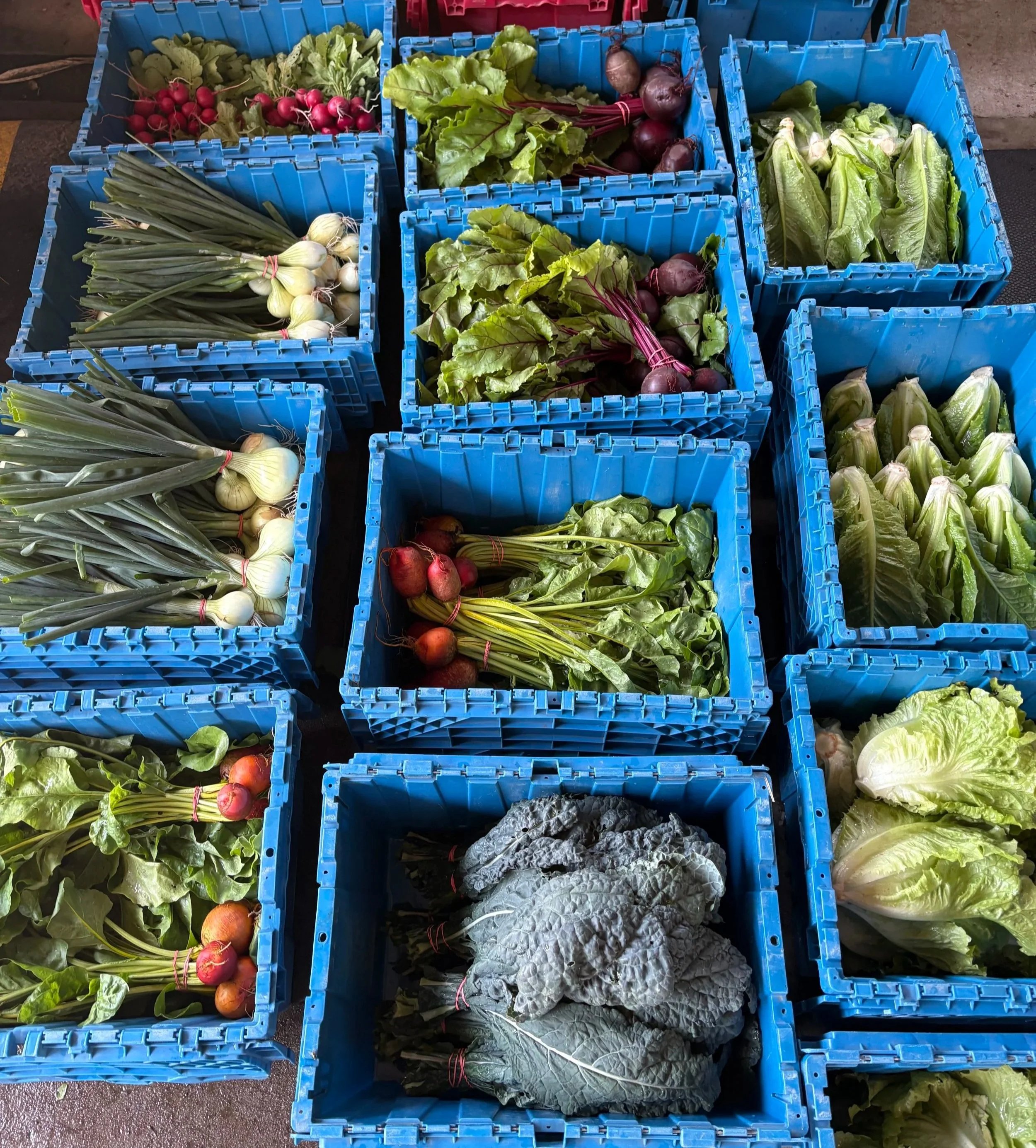
Look at those beautiful veggies! Photo by Taylor Morneau
This Week’s Availability
This week we will have:
Greens: baby lettuce, bok choi, head lettuce (red and romaine), pea shoots, green curly kale bunches, napa cabbage, green cabbage, caraflex cabbage
Roots: salad turnips, red beet bunches, yellow beet bunches, red radish, fresh carrot bunches
Alliums: scallions, chives, fresh onions, garlic scapes
Herbs: sage, parsley
Fruiting crops: slicing cucumbers, Japanese slicing cucumbers, sugar snap peas, Painted Mountain grain corn
Miscellaneous: rhubarb, purple kohlrabi, broccolini, fennel
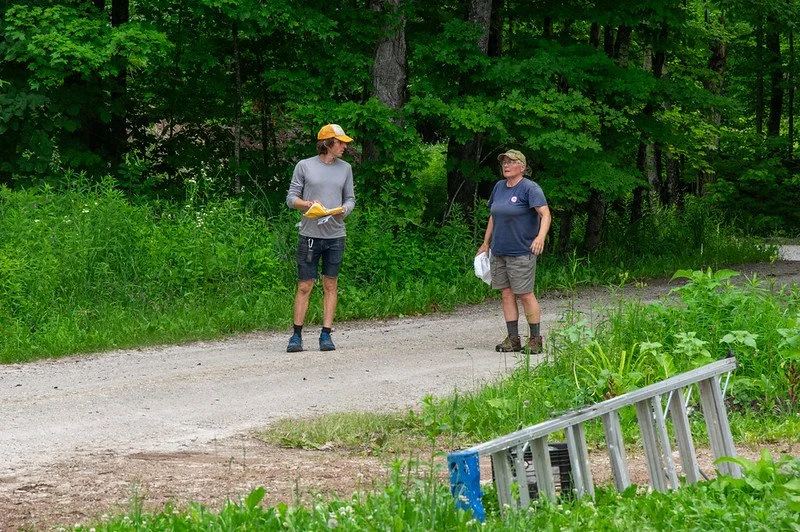
Ryan and Cindy making a plan, photo by Adam Ford
Farm News
Wow, it’s been HOT! The team had the excellent idea of starting our work day earlier so we could end it earlier on these scorcher days, and that was a helpful adjustment for this week. We drank plenty of water and periodically turned on the hose to soak our heads with the shockingly cold water coming from our well. How fortunate we are to live in a place where cool water is abundant and clean, filtering and cycling through the earth.
It was nice to see some folks getting to enjoy pick-your-own strawberries these last two weeks in spite of soggy ground the first week and hot conditions the second. There were lots of nice berries in there, but the incessant deluges we received a few weeks back as they were ripening caused quite a spread of botrytis—the fungus that so quickly causes the berries to turn into a ball of grey mold. It reminded me of when I was about 8 years old, and my generous neighbor George Ball allowed me and my friend Joe to pick strawberries from his large garden. After a minute or two of picking, one of us (probably me) was unable to resist the temptation of reaching for a large and foul rotten berry, picking it off the stem, and slinging it at the other unsuspecting boy. This led to the exchange of many more rotten strawberry projectiles, and a stern talking-to from each of our parents that evening.
Our earliest buckwheat plantings are beginning to flower, which provides abundant pollen and nectar for a wide variety of native pollinators. Many of these pollinators, at different stages in their life cycle, provide additional benefits beyond pollination to a farm ecosystem. There are dozens of native flies and wasps which are harmless to humans, but in their adult or larval phase will consume some garden pests like aphids. One fly, aphidoletes aphidimyza, lay eggs near aphid colonies, and the larvae inject a toxin into the legs of the aphids to paralyze them before slurping up their insides…yikes! Another native wasp, aphidius ervi, actually lays their eggs inside of an aphid’s body. The larvae feed inside the aphid before emerging as an adult right through the side of the aphid, leaving a mummified aphid shell behind. Over the past few years, we’ve begun to learn about how we can manage this farm ecosystem to better support a biodiverse insect community, in order to allow for natural checks against outbreaks of certain pests on our crops. It will be the work of a lifetime to continue learning about the all the interconnected life of this ecosystem, but in the meantime, we’ll continue planting flowering crops throughout our fields, and manage field edges for flowering plants throughout the season. For those curious, you can see one small flowering buckwheat planting just above the barn next to the flower garden. (It’s just one row of buckwheat, not an entire block like we normally plat. This is a particular buckwheat variety we are trialing.) The flowers have a unique smell and it can be a welcome shift to stay in one place long enough to watch all the insects gather their sustenance from them.
Crop Report
We realized that a fun new section of the newsletter might be a weekly crop report. This will be a place to mention crops that are especially good quality (sometimes we have other worldy arugula, and sometimes the flea beetles have already had their share), or why an item suddenly disappeared (I am looking at you last week, cukes and snap peas…). It might be helpful in choosing which veggies you’d like to take in a given week.
The outdoor sugar snap peas have kicked in, so we will finally be flush with peas for a few weeks. The cucumbers as well had a slow start but have finally hit their stride and are excellent. Green curly kale is especially nice right now with large and tender leaves. (Lacinato kale is taking the week off to regrow, but the lovely colorful chard is back in action.) The beets continue to be amazing with awesome greens on them. Cabbage is nice and fresh for marinating and grilling, coleslaw, or anything else. For those unfamiliar with caraflex cabbage, it grows in a pointy cone shape and has a mild and sweet flavor. The lovers of cilantro will have to wait a few weeks for the next planting to mature—it is notoriously fast to go to seed in the summer and one whole seeding was consumed earlier this season by a mysterious pest (probably slugs).
Have a great week,
-ESF Team: Kara, Kara, K2, Vanessa, Taylor, Katie, Galen, Leah, Natalie, Cindy, Georgia, Amelia, and Hannah (and Sky and Soraya)
I know I posted a very similar pesto recipe last week, but someone just pointed out that we don’t have a plain garlic scape pesto recipe in our website archives! Which is wild, because that is a staple pesto in this house, and can only be made during garlic scape season, which is now! When we started farming, we used to turn all our scapes into pesto for sale… We have left that hobby behind, but it was a popular item, so if you are into making your own, check out the recipe above.
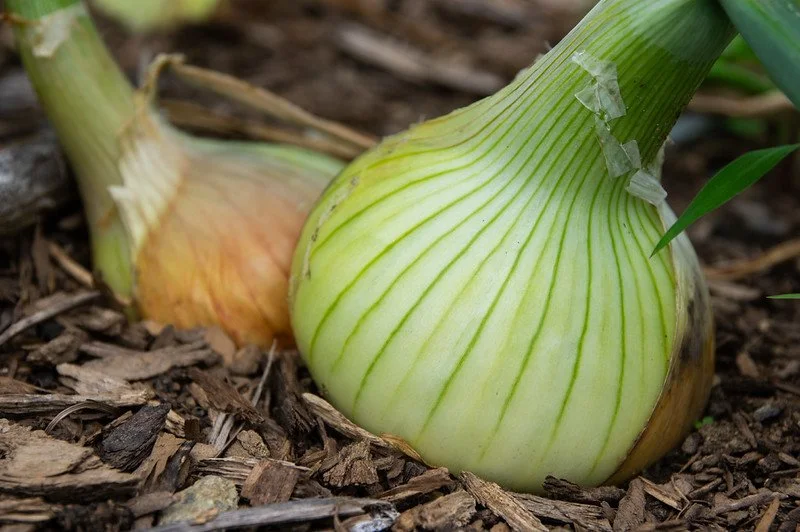
onions, photo by Adam Ford
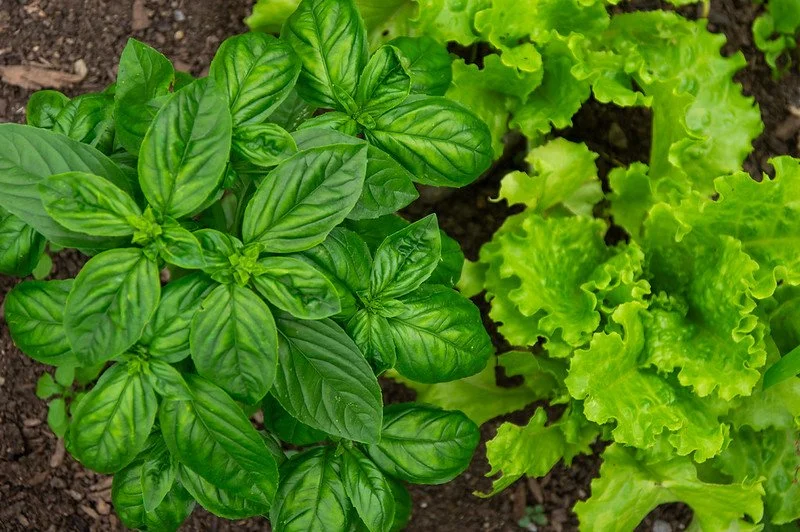
basil is starting to be big enough to harvest, photo by Adam Ford
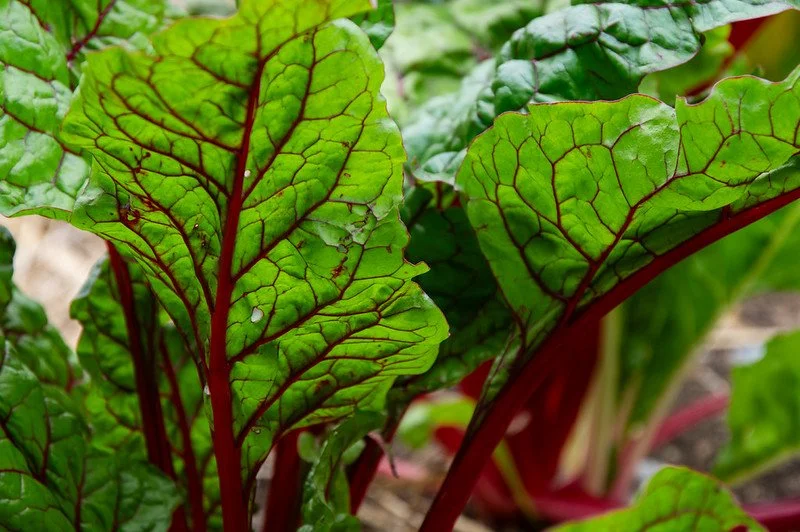
chard, photo by Adam Ford
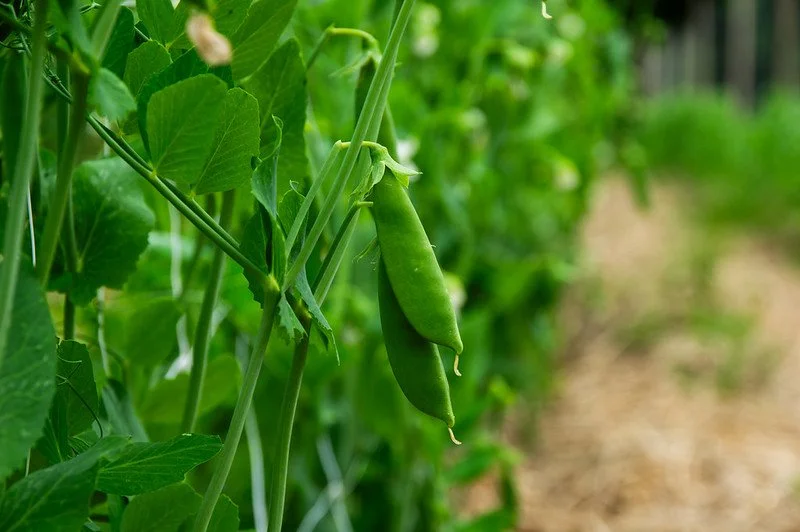
the outdoor peas are ready to harvest this week, photo by Adam Ford
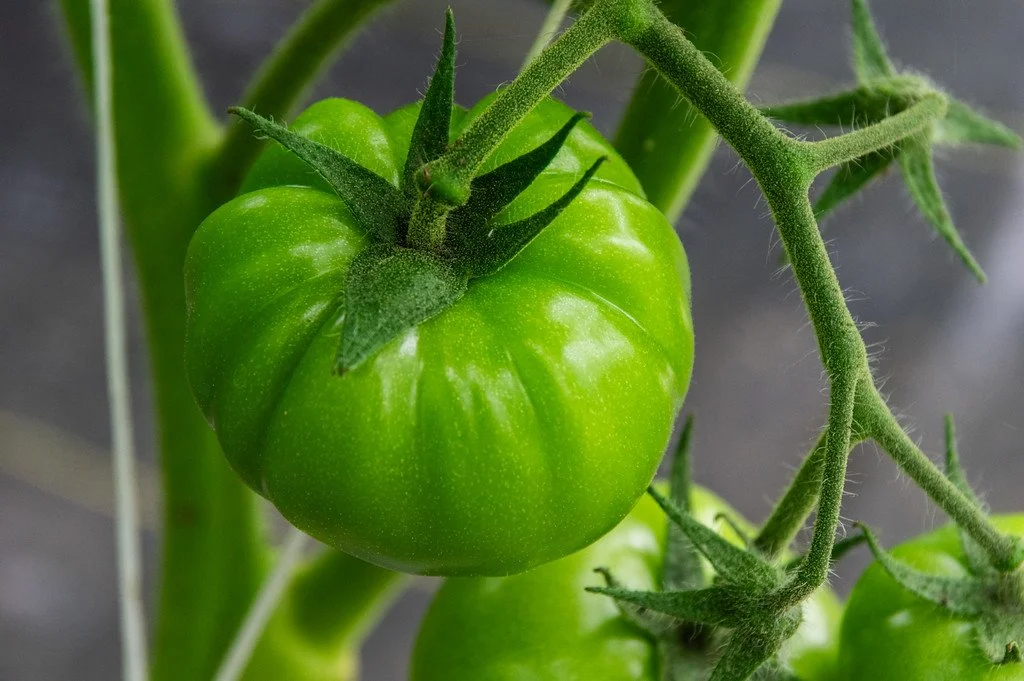
these slicers are slow to set and ripen, photo by Adam Ford
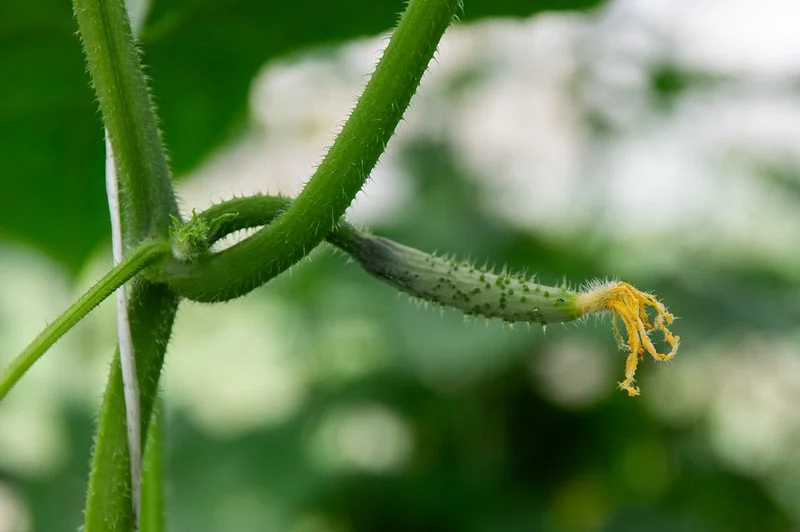
little baby cucumbers start off like this, photo by Adam Ford
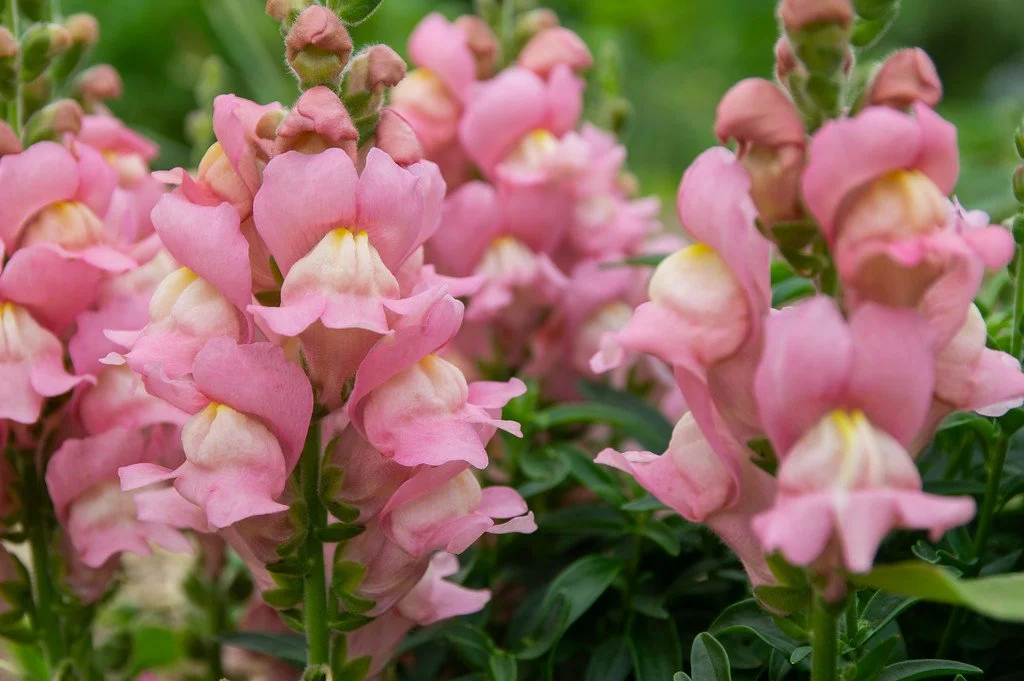
snaps! photo by Adam Ford
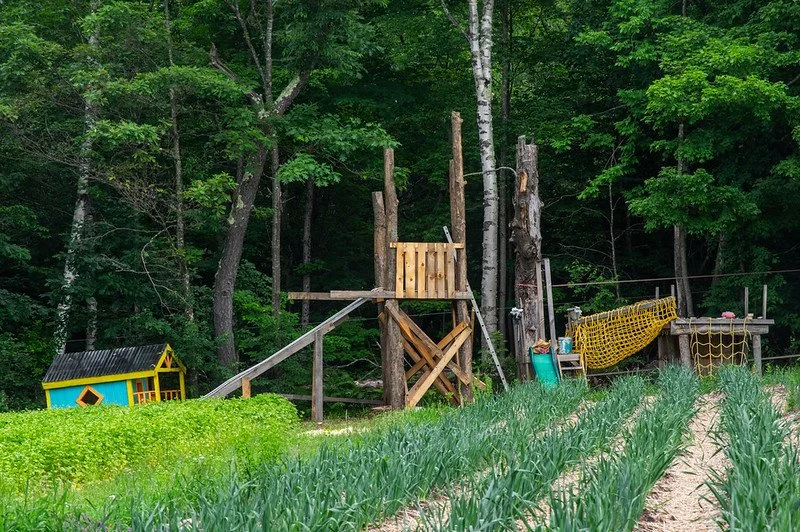
Is this a picture of our leeks and cover crops or is this a picture of the wild structure Ryan is building for the kids? photo by Adam Ford
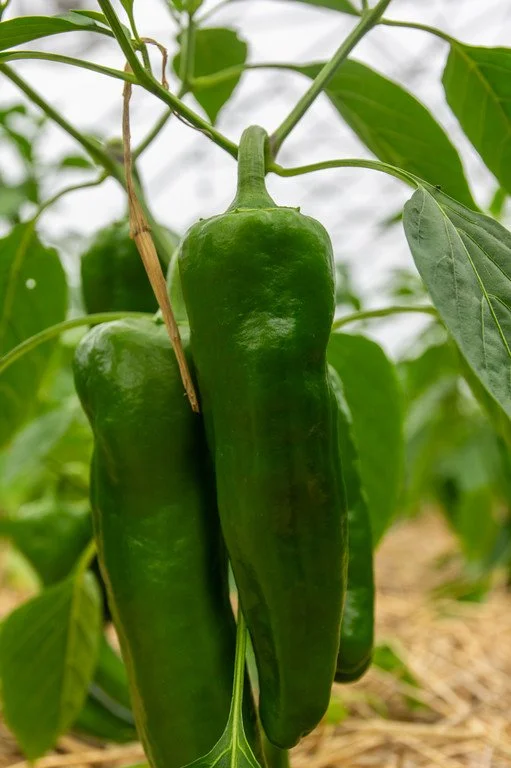
is there a little blush on that Carmen?! photo by Adam Ford
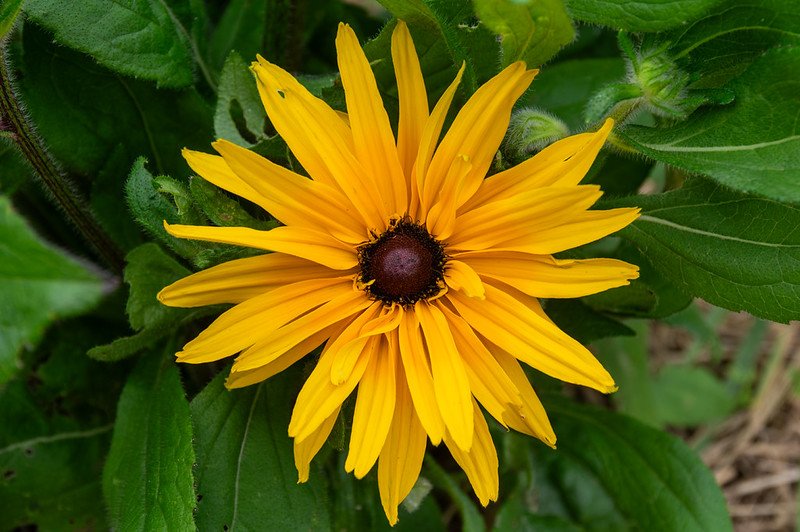
cute little rudbeckia in the flower garden, photo by Adam Ford
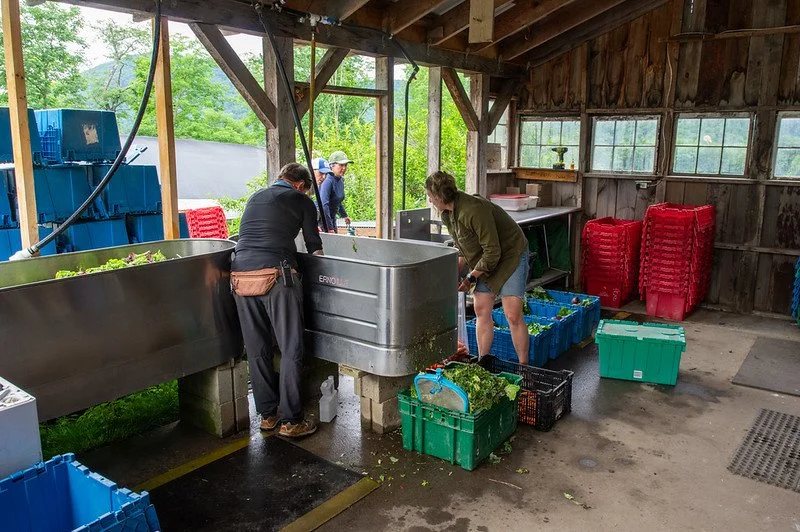
wash station heroes! I see K2 and Stickney at the first wash tub, and Vane and Taylor at the spray table… The wash station is a nice wet break on these hot days, photo by Adam Ford
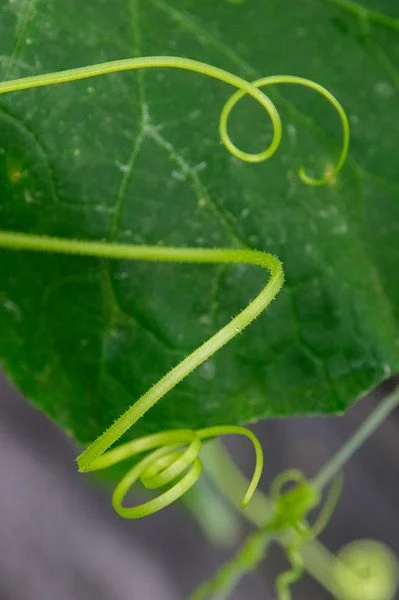
tendrils! photo by Adam Ford
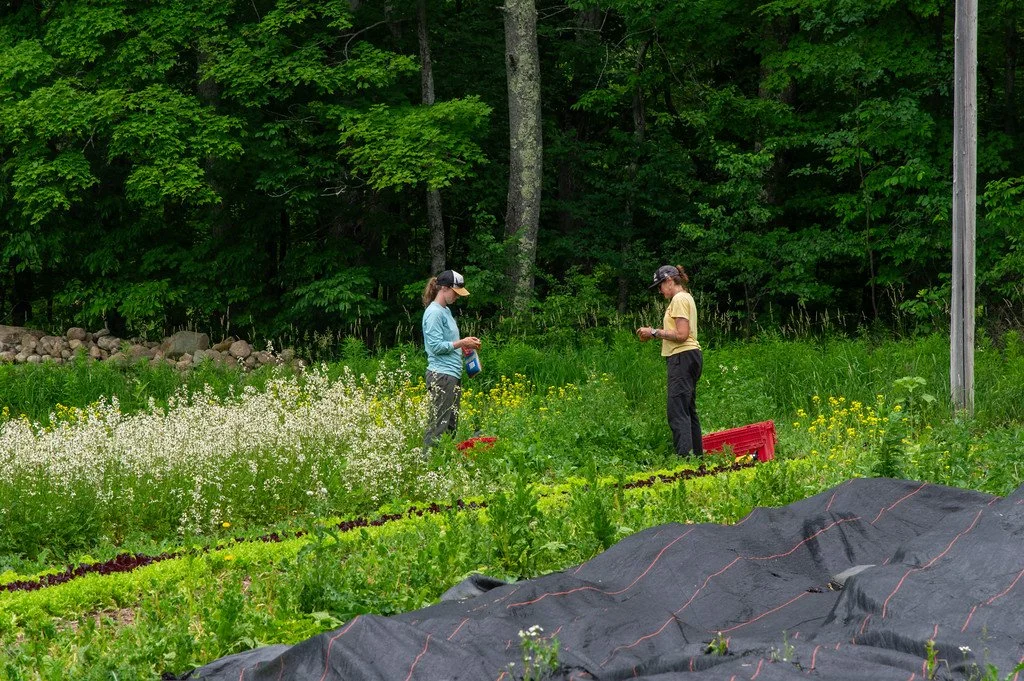
Georgia and Galen bunching in the field, photo by Adam Ford
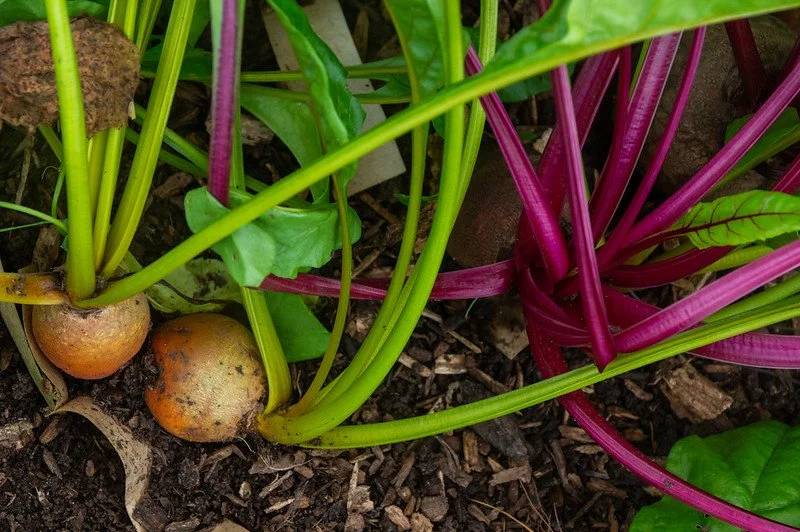
red and yellow beets, photo by Adam Ford
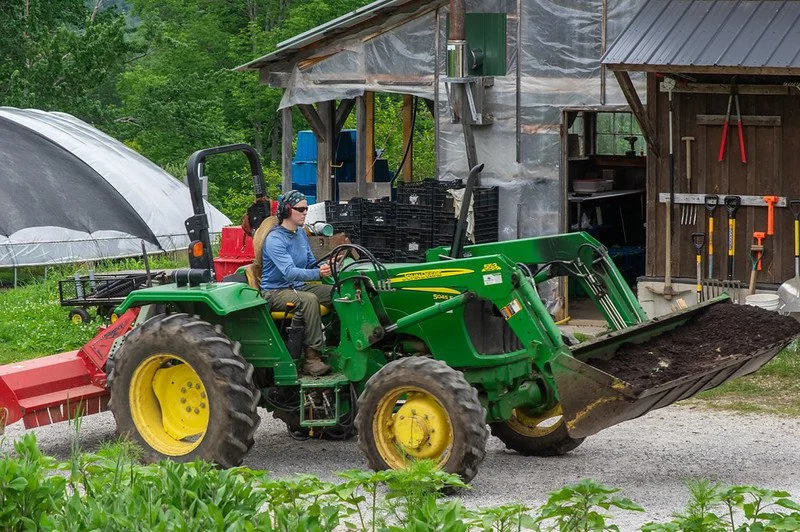
Leah returning the leftover finished compost to the pile, photo by Adam Ford
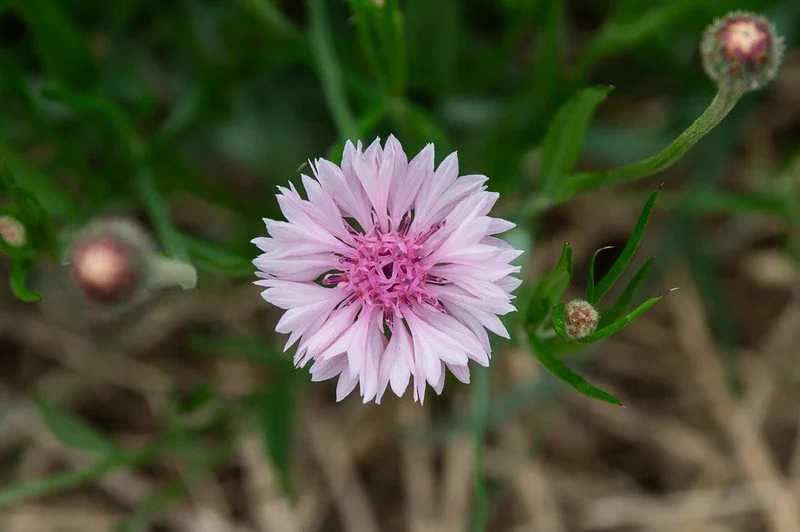
not a snap! photo by Adam Ford
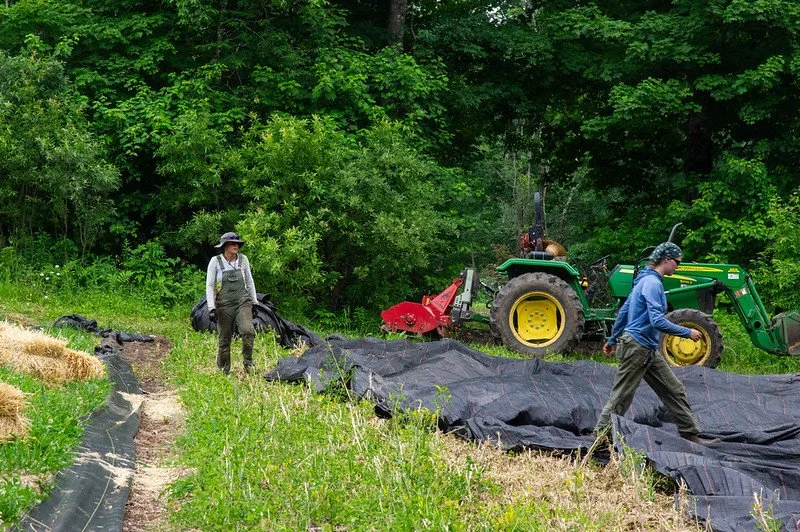
Natalie and Leah moving tarps and sandbags off and on different fields, terminating rounds of cover crops and prepping new planting plots, photo by Adam Ford
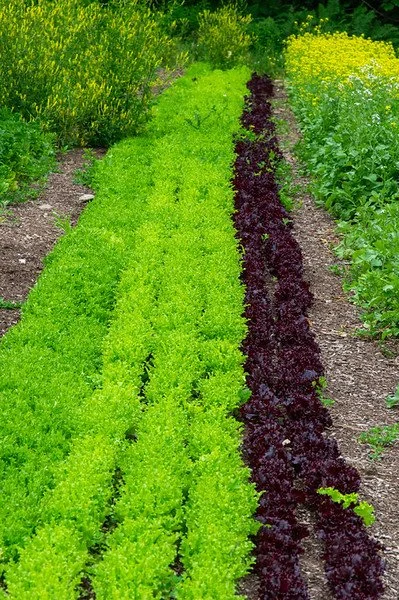
baby lettuce in the field, flanked by flowering sweet clover and bok choi, photo by Adam Ford
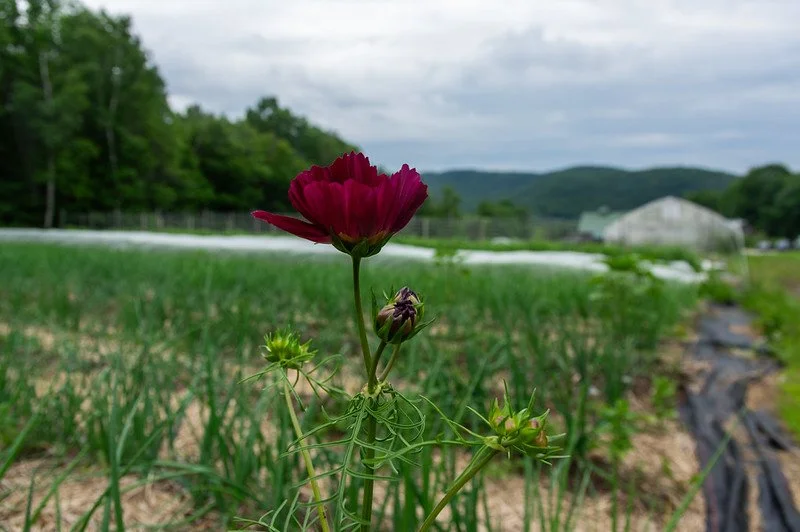
cosmos in the onions, we plant flowers at the ends of beds to attract insects, photo by Adam Ford
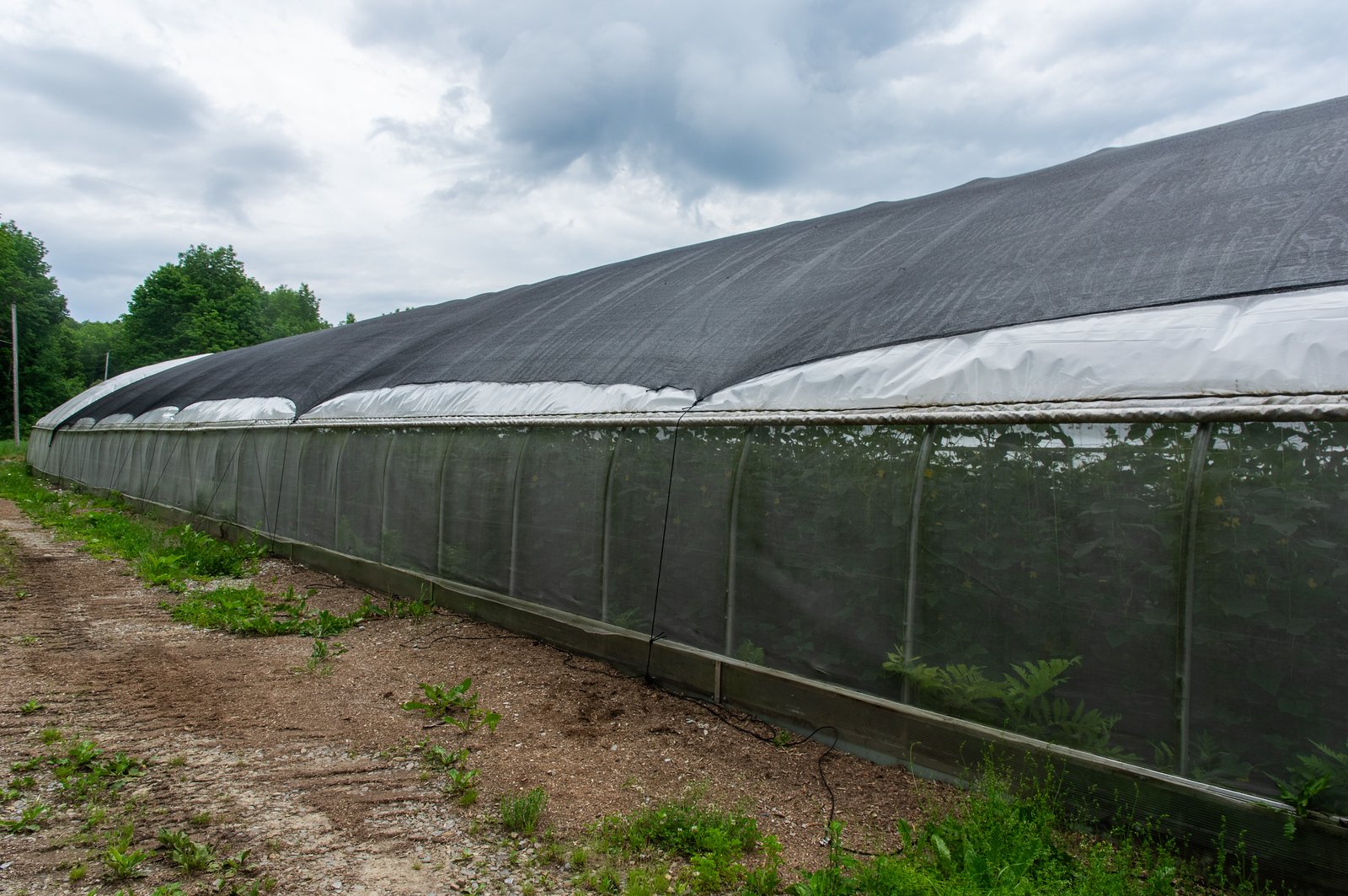
Shade cloth! Essential to protect the blossoms from dying and dropping off the tomatoes and cucumbers during these super hot days, and it’s also nice for the farmers to have a little shade! photo by Adam Ford
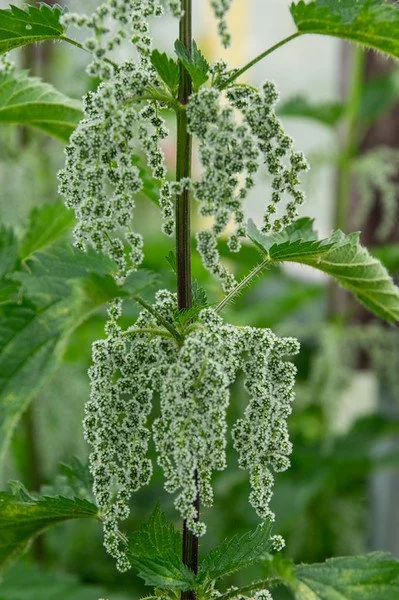
nettle flowers! photo by Adam
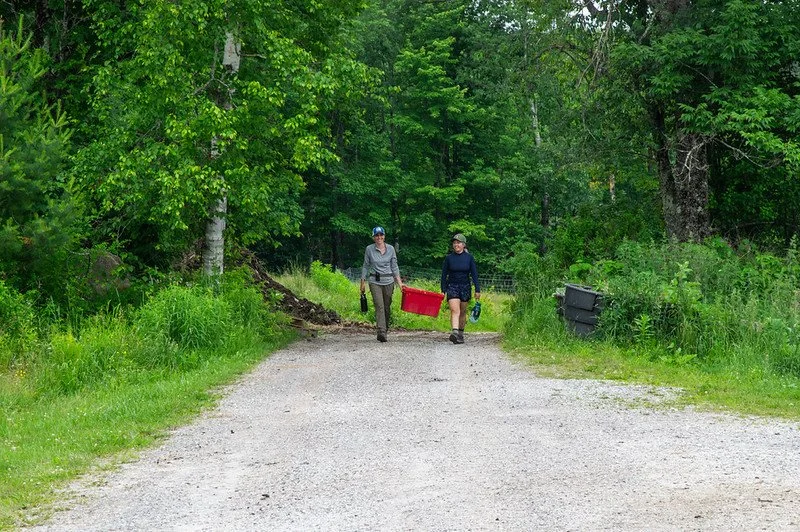
Taylor and Vanessa bringing in one more bin, photo by Adam Ford
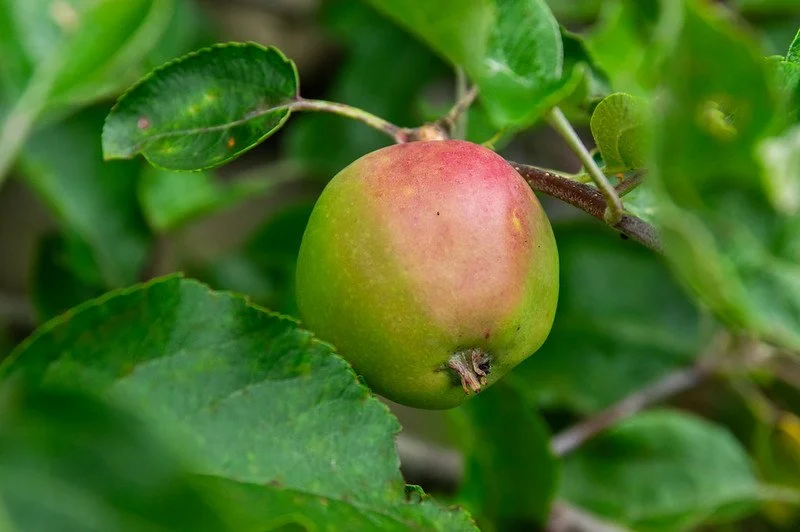
will we harvest an apple this year? photo by Adam Ford
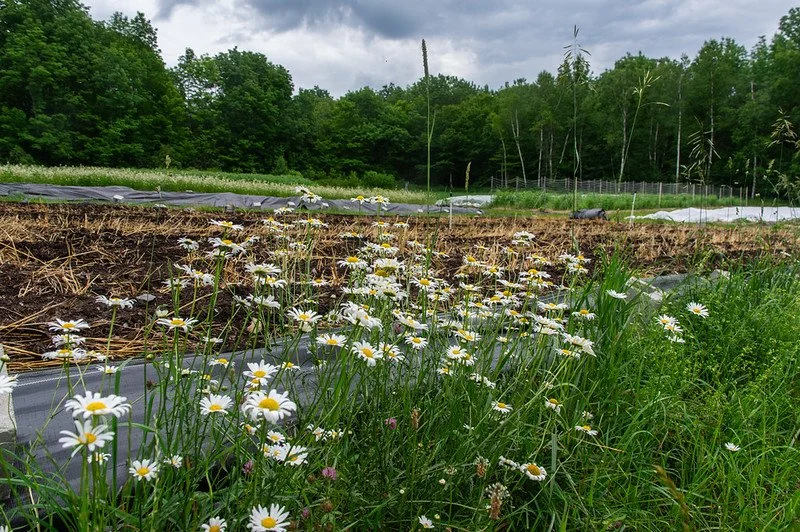
We like to leave flowering native plants around our fields instead of mowing them, when possible, photo by Ryan Fitzbeauchamp
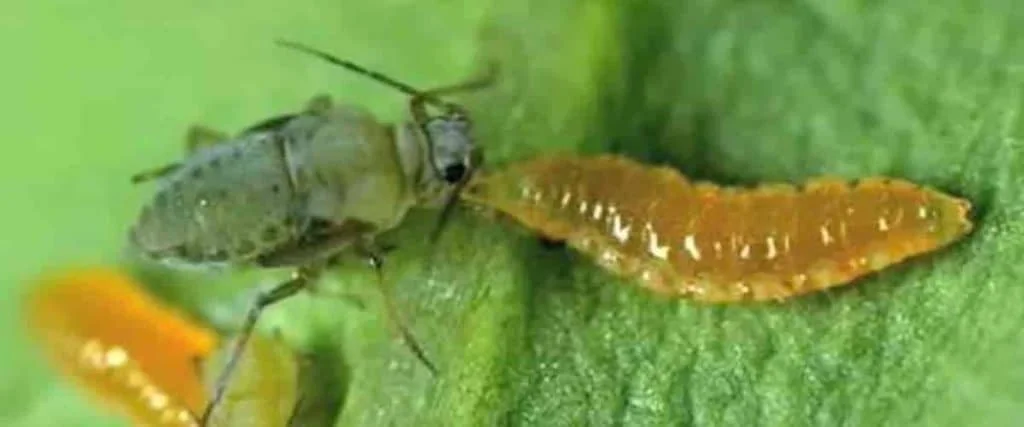
This week we found a single cluster of aphids on tomato leaves. Looking at the aphids under our stereo microscope, we got to see aphidoletes midges (the orange larva) moving from aphid to aphid to feed on them. So cool to see! (Since my microscope doesn’t have a camera eyepiece, this is a photo from the internet)