
6th Week of the Summer CSA Season: Week of June 30th
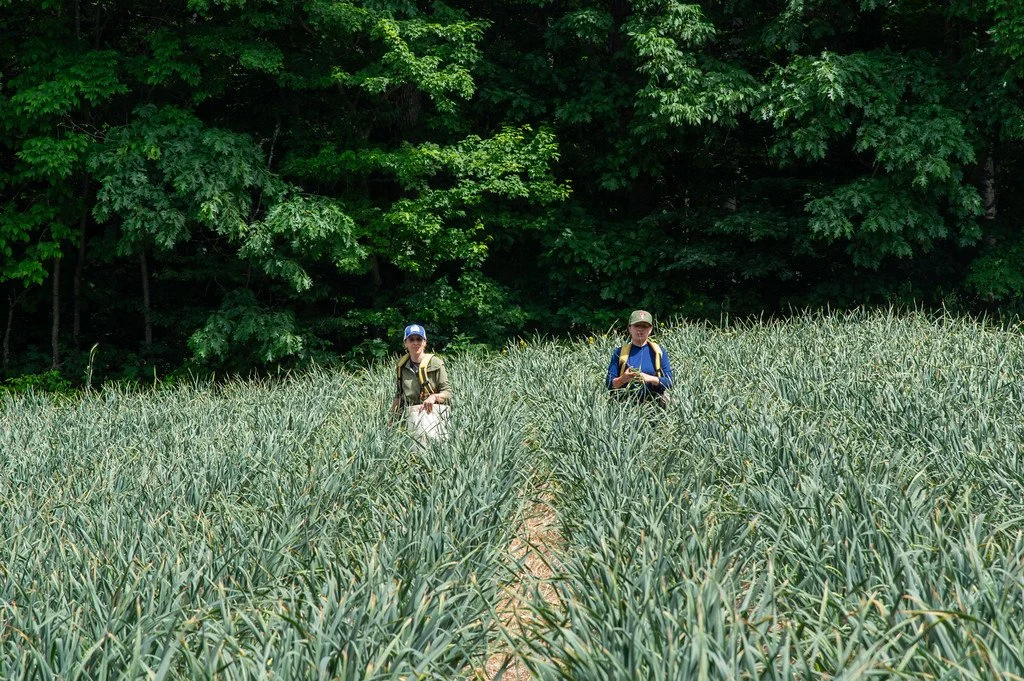
Taylor and Vane harvesting garlic scapes, photo by Adam Ford
This Week’s Availability
This week we will have:
Greens: baby lettuce, bok choi, head lettuce (green, red, and romaine), pea shoots, green curly kale bunches, lacinato kale bunches, napa cabbage, green cabbage
Roots: salad turnips, daikon radish, red beet bunches, yellow beet bunches, red radish, fresh carrot bunches, free “farmer” parsnips (see the newsletter for a description of the farmer parsnips)
Alliums: scallions, chives, green onions, garlic scapes
Herbs: cilantro, sage, thyme, parsley
Fruiting crops: Painted Mountain grain corn
Miscellaneous: rhubarb, purple kohlrabi
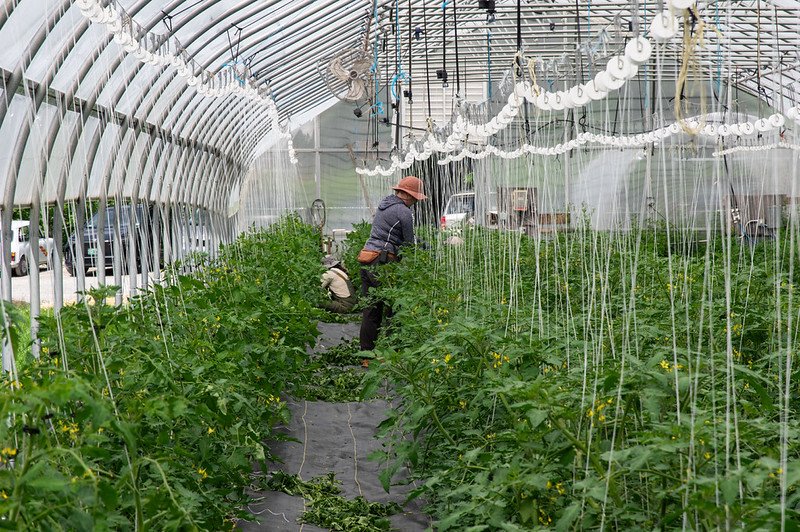
K2 trellising tomatoes, photo by Adam Ford
Farm News
This week we snuck in a bunch of small random projects that are easy to slip by but tackling them really redirects certain aspects of the farm to success: The prevailing winds had blown the outdoor pea plantings off their trellis, so we had to get those retrained so they will be harvestable when the fruit starts setting soon. The field with the pepper, eggplant, tomatillos, and husk cherries needed to be fertilized… I think all the rain and the soil temperature mitigation from the mulching has kept these plants smaller than we want at this stage. They still look happy and healthy, but when you inspect their roots, they haven’t grown as much as we would want in the past few weeks after transplanting. We are hoping some light fertilization will give them a little support to start thriving. The compost piles haven’t been heating up to the temperatures we need them to kill off weed seeds, and to be able to use it as certified organic compost, so Ryan got them turned and aerated so that the microbial activity of the pile can raise the temperature to above 131 degrees Fahrenheit in order for it to be considered compost by the guidelines of the National Organic Program. The edges of the high tunnels got weeded so they don’t start creeping into the rows of veggies in there. Some plants were replaced where they were needed. And then we tackled all the regular weekly stuff: trellising, planting, and harvesting, harvesting, harvesting.
I found myself on another advisory position in my “free time.” This time on a different NOFA committee to help develop a cohort program for farms to collaborate in regional groups to address climate resiliency, identify potential risks on their individual farms, collaborate with service providers to design solutions, and then begin to implement those plans. Not only will it hopefully be a good process for individual farms to develop climate resilience plans, but cohort programs also help develop cohesion and shared language and ideas within farms in a shared food shed. And any work we do in our individual silos are amplified when we work alongside each other, learning what other farms are doing to address climate risks. Not every farm starts from the impetus of trying to address the climate crisis, but every farm now has to deal with the current and future effects of the climate crisis, so it’s cool to help design programs that connect the food shed with this common mission. I am excited to see how the cohort develops and what projects will be tackled by the various farms who ultimately participate over the next year.
This is especially fun for me to work on behind the scenes, because our own growing practices have changed dramatically over the years that we have been doing this. When we started growing veggies, our experience and knowledge was predominantly with high tillage systems with lots of bare soil, that is beat up repeatedly to kill weeds, keeping fields “clean” to grow cash crops, and generally having tunnel vision focus on growing the veggies at the expense of zooming out and understanding the entire ecosystem’s needs, which now we understand to be somewhat backwards: In fact, when the greater ecosystem, and our soils particularly are stewarded well, then they much more easily grow good veggies, with less guidance from us when the foundational needs are attended to... maximum biodiversity, covered soil, pollinator habitat, predatory insect habitat, fertility sources grown in place, high plant residue… So now when I walk around this farm and see dead matted cover crops that transplants are tucked into, or low growing clovers under taller veggies, or thickly mulched ridges with slower growing crops on hidden soil, it all looks so robust and healthy to me, and just makes me feel good inside. Whereas when I visit farms that still grow the way we used to, and I see lots of bare soil, with surface patterns indicating water movement on the top layer, or highly cultivated spaces between veggies, I tend to see soils and microorganisms that are trying to grab our attention for more care and coverage. Zero shade being thrown at other farms… It took us years of learning from other famers, visiting farms, failures and observations here to redirect our growing practices. But that is precisely why we love the cohort model of learning and working together with other farms. Farm collaboration is like a shortcut to future successes… no need for all of us to have overlapping failures when we can learn from each other. This particular program that is being developed is for Rutland and Bennington County farms, so it will be fun to see what type of learning and resilience projects come of it.
In crop news, we are annoyed by the slow start-stop way the cukes and peas have been fruiting this spring, but observing the plants, there will be more of both soon enough, they just seem to have not actually taken off fully yet.
Have a great week,
-ESF Team: Kara, Kara, K2, Vanessa, Taylor, Katie, Galen, Leah, Natalie, Cindy, Georgia, Amelia, and Hannah (and Sky and Soraya)
My favorite pesto will probably always be a basil pesto, but I love bright green garlicky pastes so much that I really make pesto out of anything. Parsley pesto is a delight.
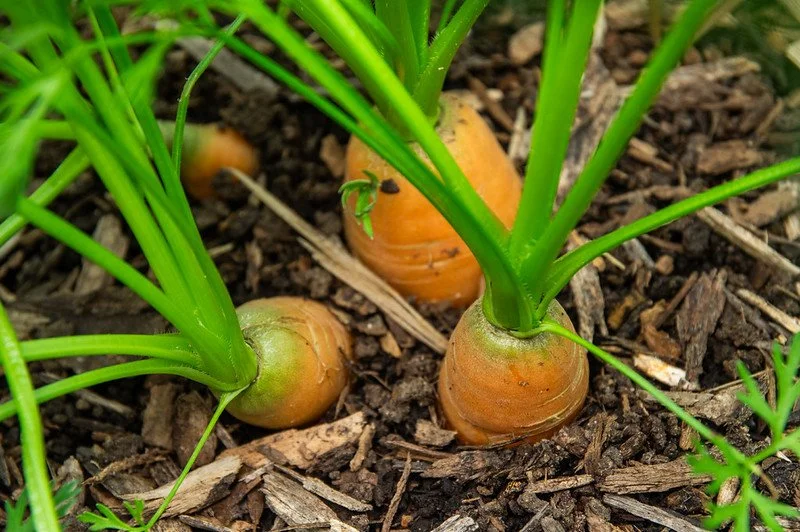
carrots, photo by Adam Ford
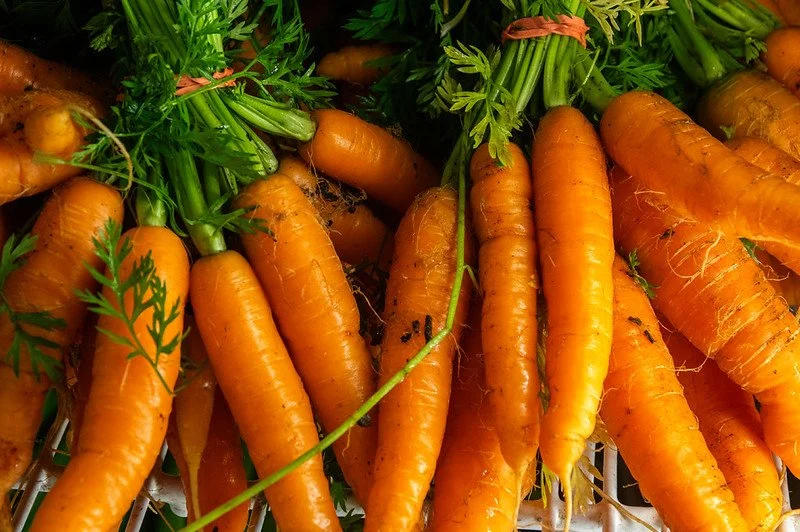
carrots on CSA display, photo by Adam Ford
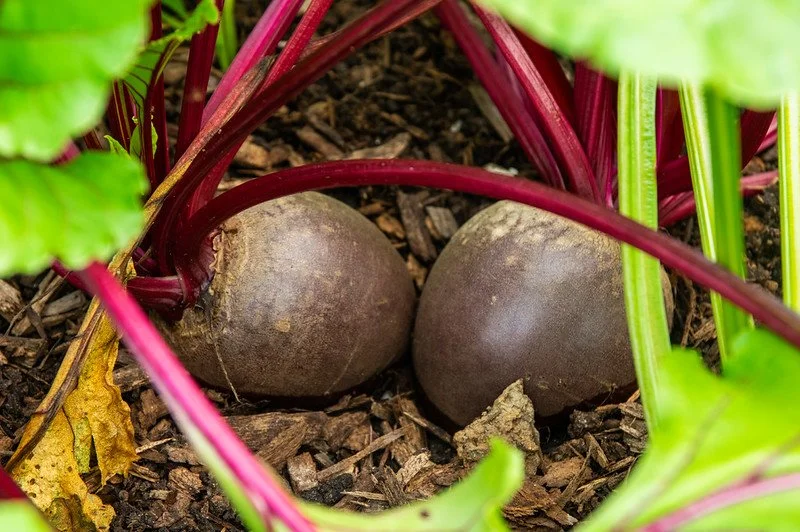
red beets, photo by Adam Ford
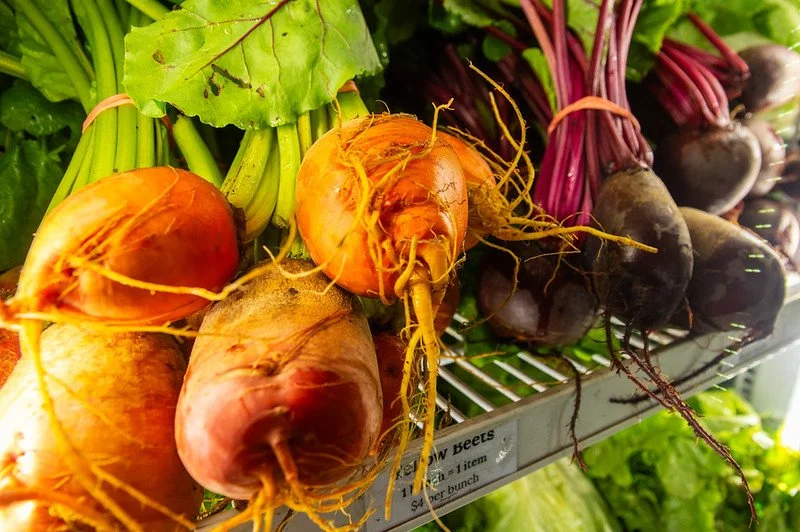
beets on CSA display, photo by Adam Ford
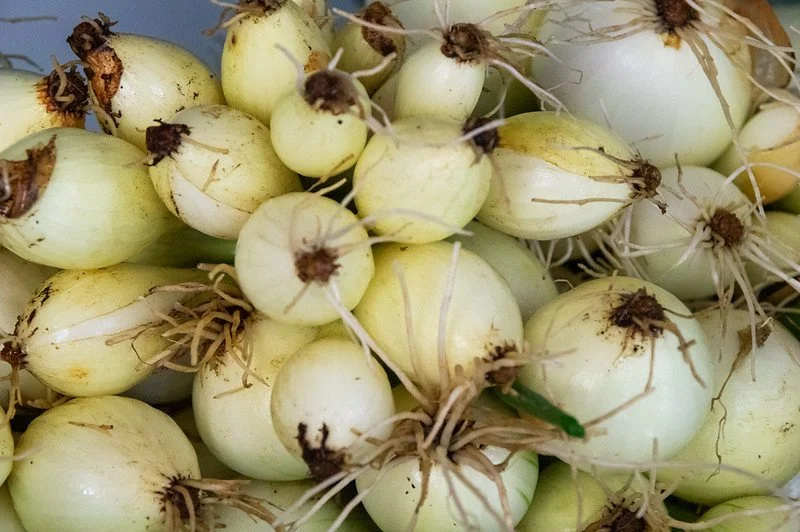
mini green onions, photo by Adam Ford
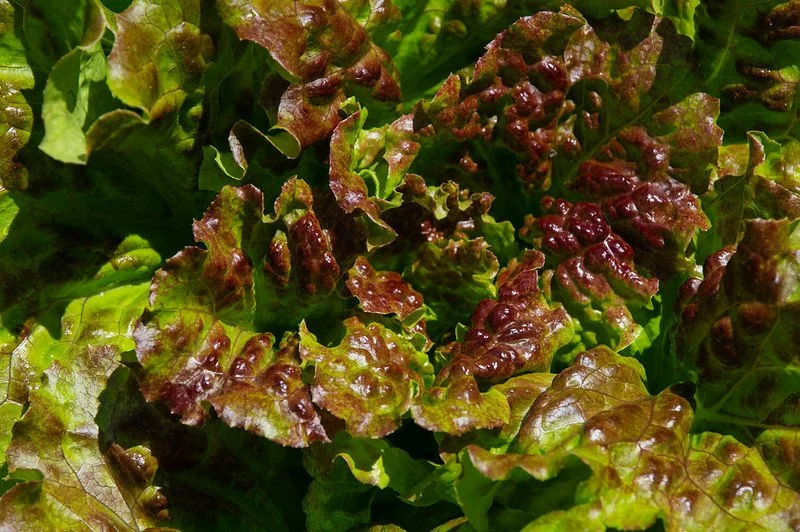
red head lettuce, photo by Adam Ford
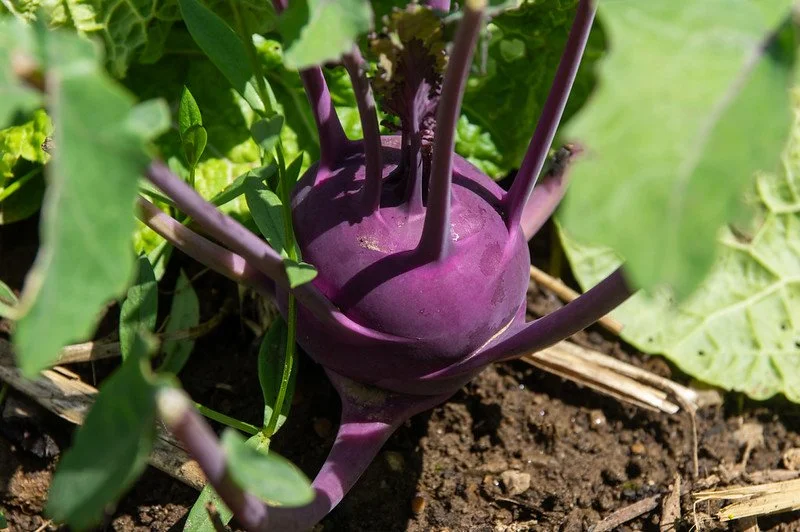
kohlrabi will be ready this week, photo by Adam Ford
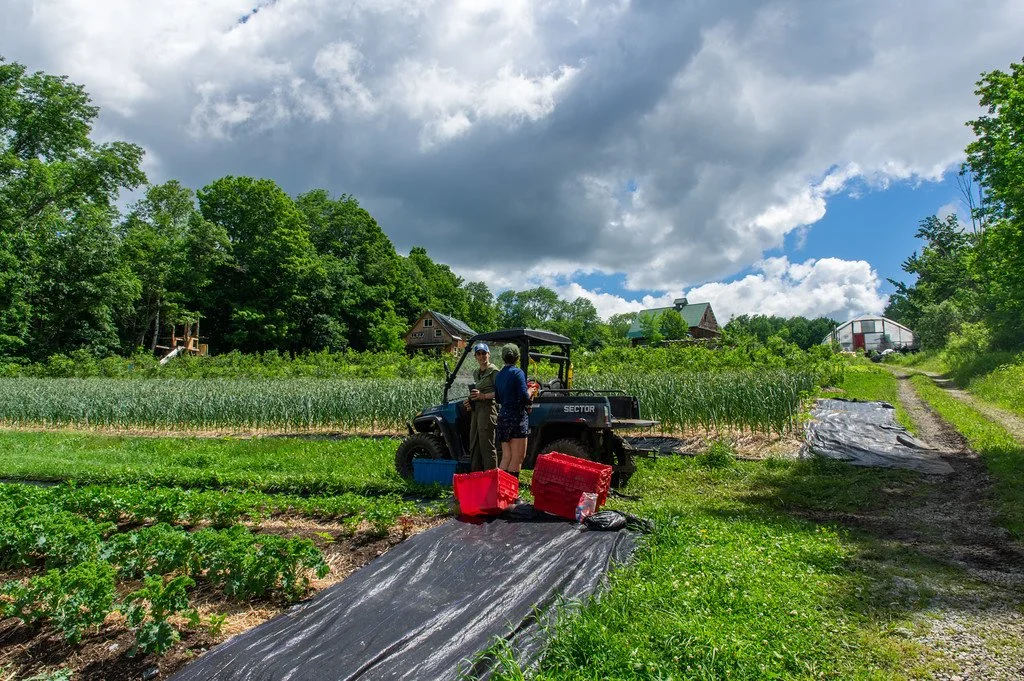
harvest, photo by Adam Ford
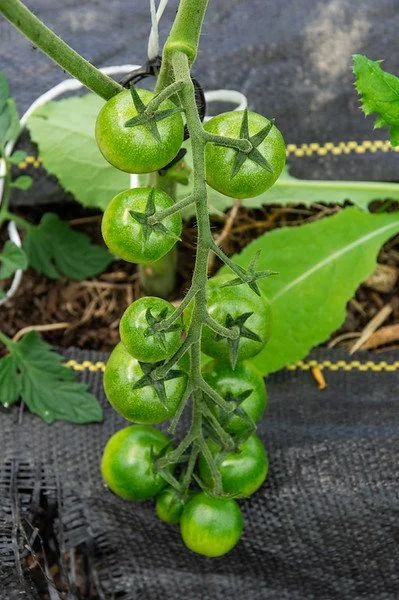
cherry tomatoes are still very green, photo by Adam Ford
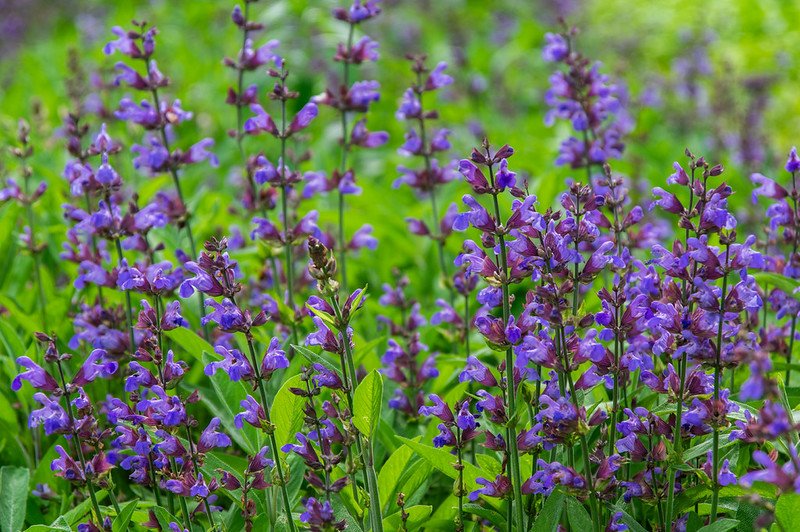
sage flowers, photo by Adam Ford
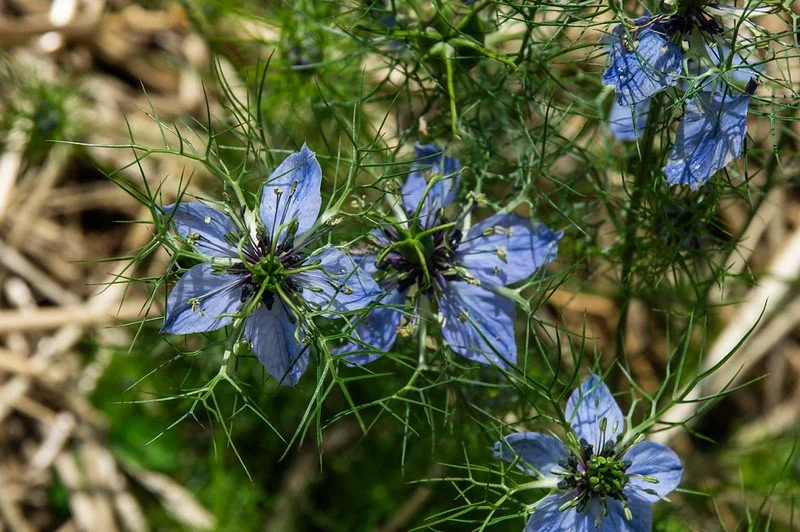
love in a mist flowers, photo by Adam Ford
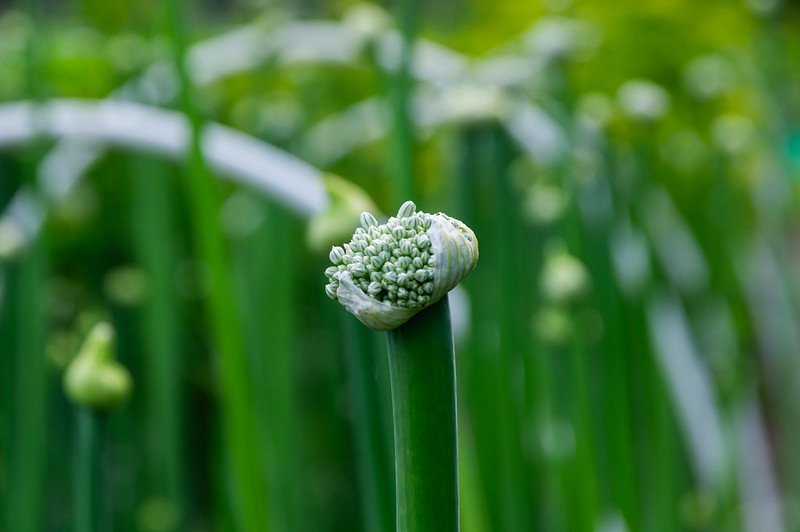
growing onion seeds, photo by Adam Ford
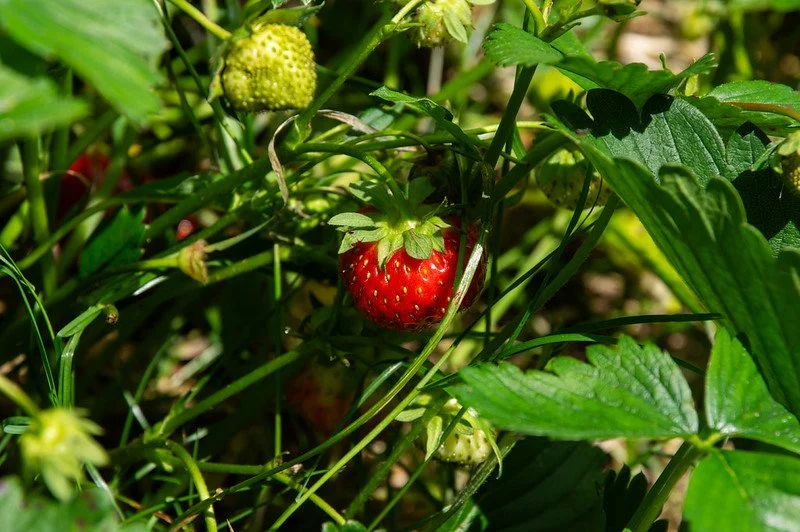
One more week of pick your own strawberries, photo by Adam Ford
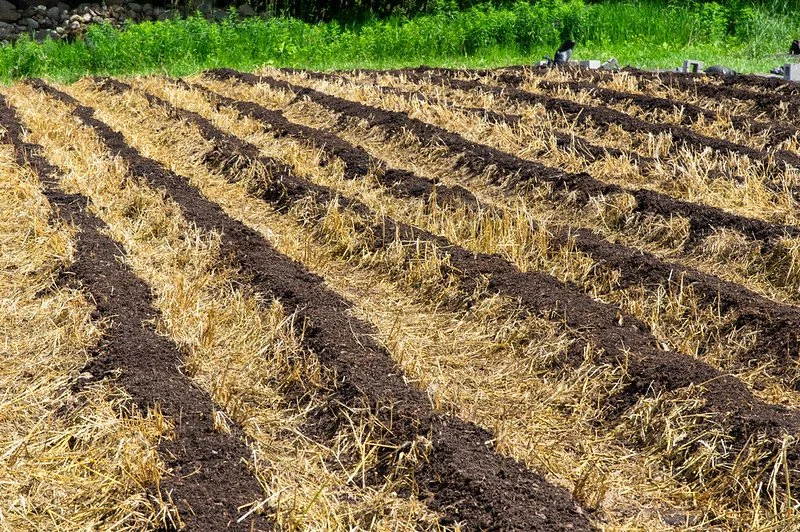
mulched ridges waiting for plants, photo by Adam Ford
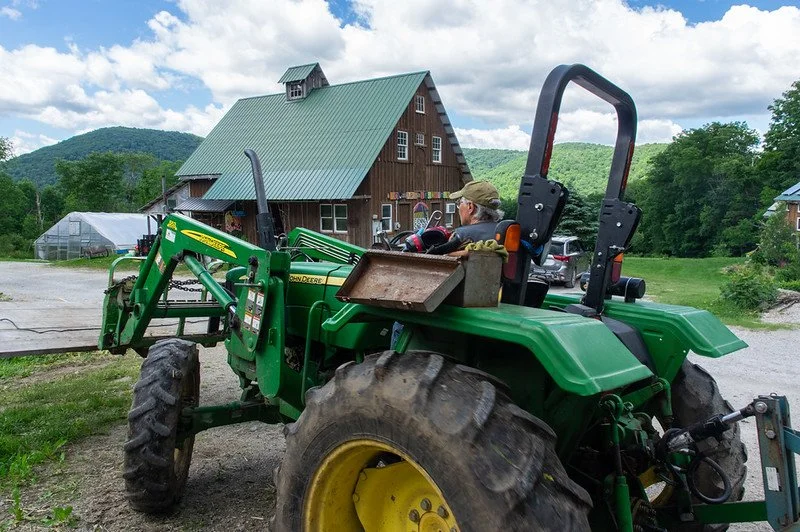
Cindy, photo by Adam Ford
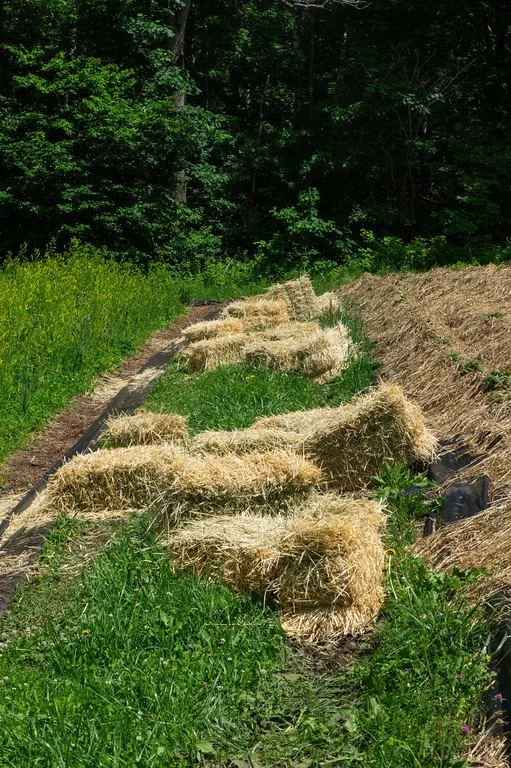
straw bales laid out to mulch the field, photo by Adam Ford
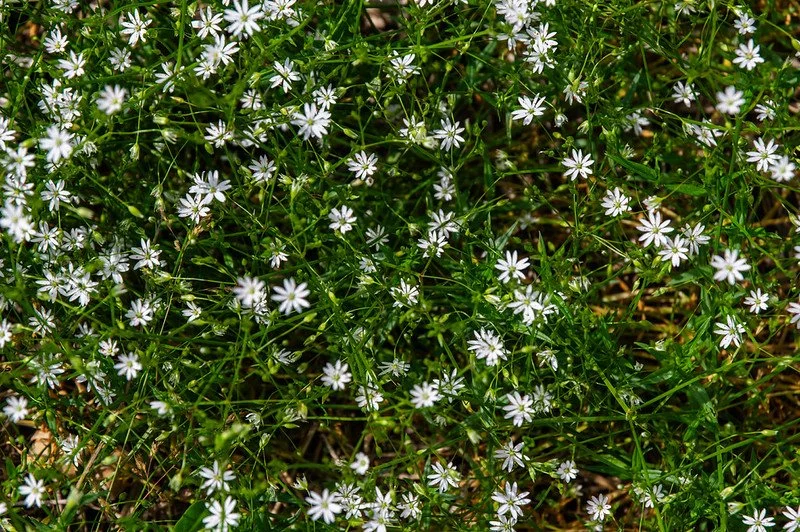
thyme flowers, photo by Adam Ford
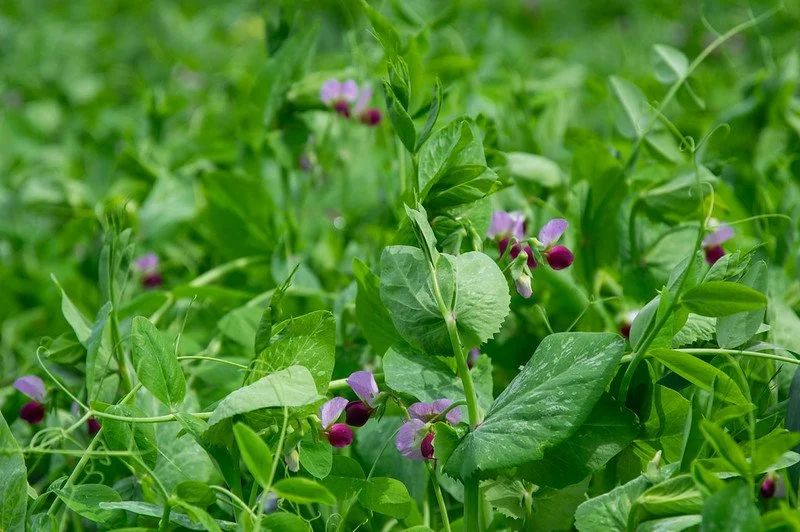
pea cover crop, photo Adam Ford
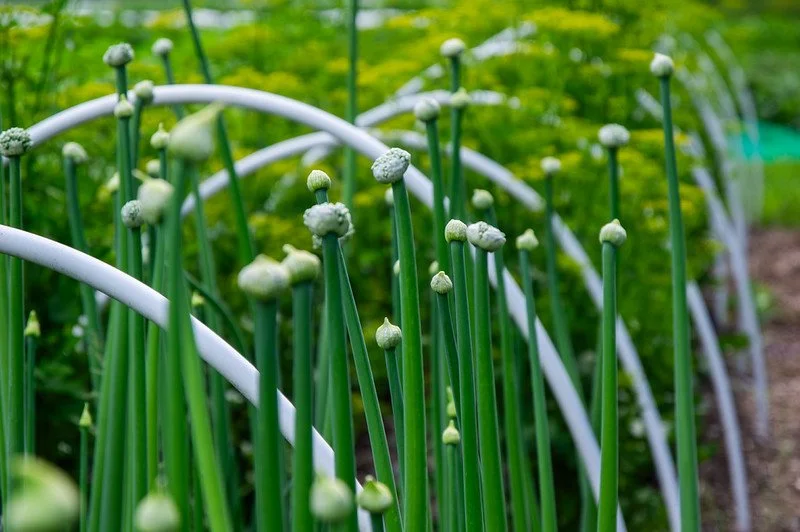
these will be cool to grow next year, photo by Adam
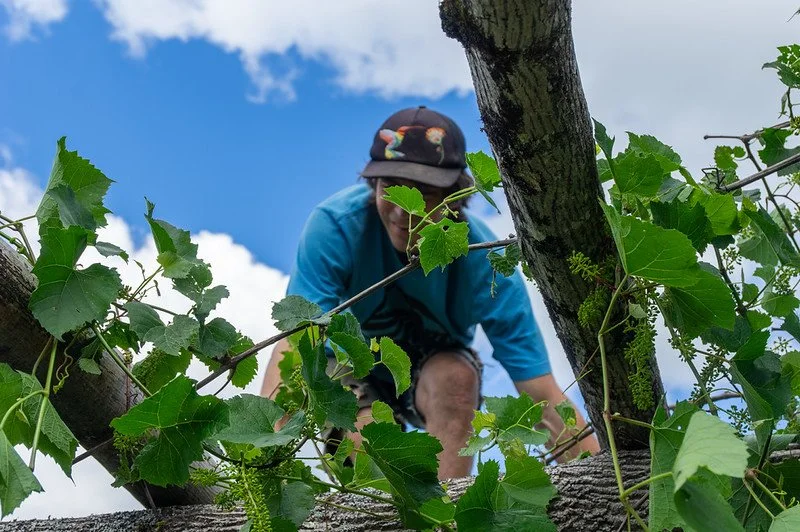
Ryan fixing the grape arbor, photo by Adam Ford