
4th Week of the Spring CSA Season: Week of March 25th
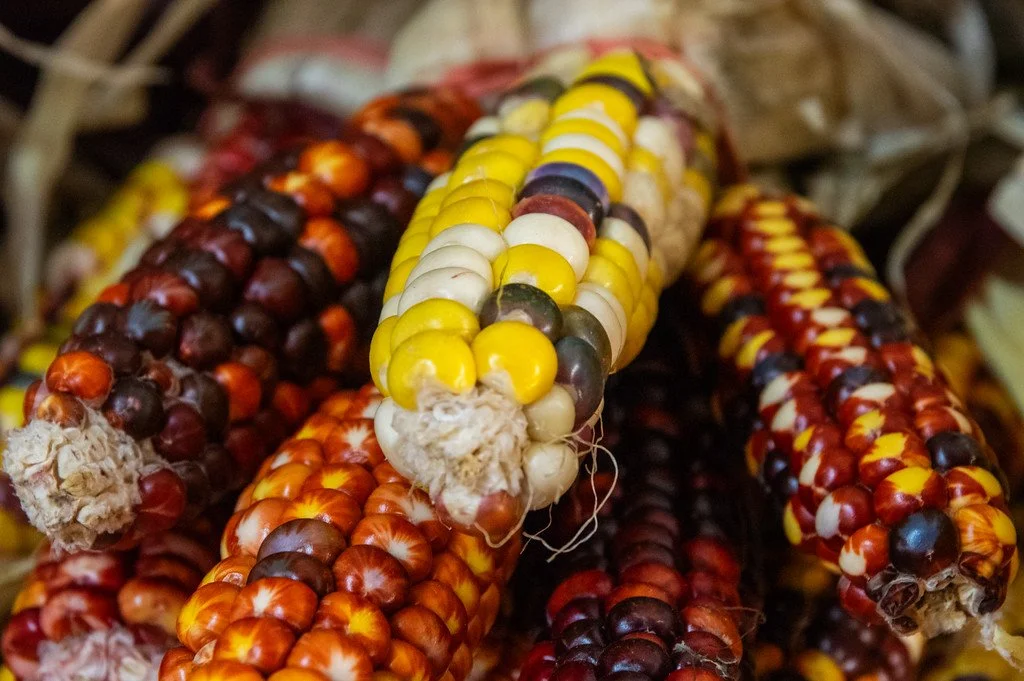
It’s last year’s Painted Mountain corn, but so beautiful! We use it year round for grinding into tortillas, photo by Adam Ford
This Week’s Availability
This week we will have:
Greens: green curly kale, spinach, mesclun mix, claytonia, baby kale, green cabbage
Roots: red beets, yellow beets, chioggia beets, carrots*, watermelon radish, yellow potatoes, daikon radish, Gilfeather turnip
Alliums: garlic, yellow onions, shallots
Fruiting crops: frozen heirloom and beefsteak tomatoes, Painted Mountain grain corn
*This time of year when we start running out of some of the popular storage veggies, we bring them in from another certified organic farm, Juniper Hill Farm. This week we will probably run out of our storage carrots and shift to Juniper Hill carrots. Theirs are a different storage variety, and they are larger and less sweet, but still a great carrot. Just a heads up, since we get A LOT of comments on how much people love the specific carrot variety we grow.
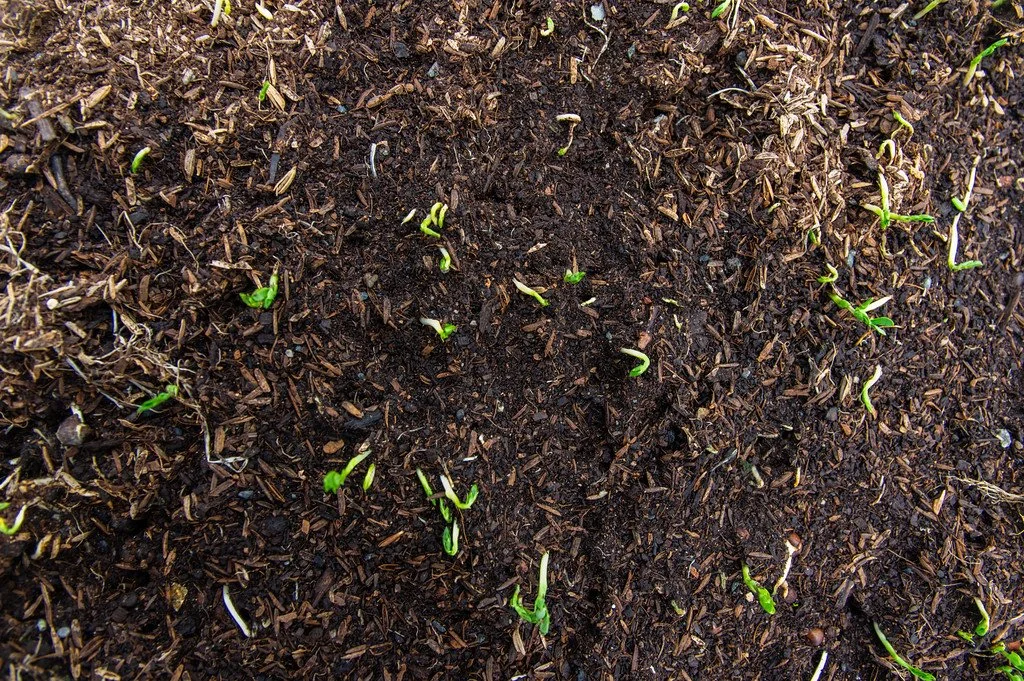
pea shoots in a couple weeks! photo by Adam Ford
Farm News
The increased pace of growth in the tunnel greens always announce the spring equinox before my paper calendar does. It’s fun to be in those spaces this time of year… a little portal a few weeks into the future and a break from the muddy frozen ground outside.
We continued to seed various plants in the propagation house for future transplanting, and the earliest trays are looking ready to go out next week already, which are just beets and scallions… but the first fresh beets and scallions of the season are a real treat. The warmer, more protected grow room in the root cellar continues to fill up, and next week the earliest tomatoes will get their second potting up to their final sized containers before getting to be transplanted in less than a month into ground in the tunnels!
It keeps our creative spark nourished to have a few hobbies sprinkled into the production aspect of what we do. Last year I sampled a few heirloom hot peppers from different regions, in pursuit of creating single-pepper hot sauces for our family to compare the different flavors of hot peppers. Our favorite sauce last year was definitely a roasted version of the fatalii pepper. Though peppers have their origins in the Americas, this particular variety was bred and cultivated in central Africa. We access the seed through True Love Seeds in Pennsylvania, and they procure the fatalii seeds from Khlecome Farm in Berlin, VT, whose farmer is originally from Senegal. It’s an incredibly hot pepper with a fruity, tropical flavor. When I first tried the hot sauce, which was originally just the roasted fatalii peppers with a little salt and vinegar, pureed, I could tell it was a really hot one, so I dipped a single fork tine into the sauce, then shook the visible sauce off, and then licked the fork tine… I am a pretty spicy lady, but that lick burned my mouth for a LONG TIME. So I decided it needed some chilling out for it to be an enjoyable culinary experience versus a feat of strength… It was a miraculous flavor, but I couldn’t really access it at that heat level. So I roasted an equal amount of onions and blended them into the fatalii puree, and now when we use it, we use a visible amount on a fork tine mixed into our plate of food, and that still kicks you in the face pretty well… but we have more access to the pepper’s robust flavor thanks to the calming effet of those roasted onions in the sauce. Anyway, I digress: We love our fatalii sauce so much, that this year, in the root cellar grow room, I am tending another tray of fatalii seeds. But this year they are started much earlier than last year in hopes that we can pick them even riper, and maybe even more flavorful?! And if we grow enough, we will also make the peppers available for CSA in the summer, alongside our standard jalapeno and Aji Rico hot peppers. (With a warning on the tag of course!) And if you grow your own garden and want to add some hot peppers to your life, we have some varieties listed here.
Have a great week,
-ESF Team: Kara, Ryan, K2, Vanessa, Taylor, Katie, Galen, Cindy, and Hannah (and Sky and Soraya)
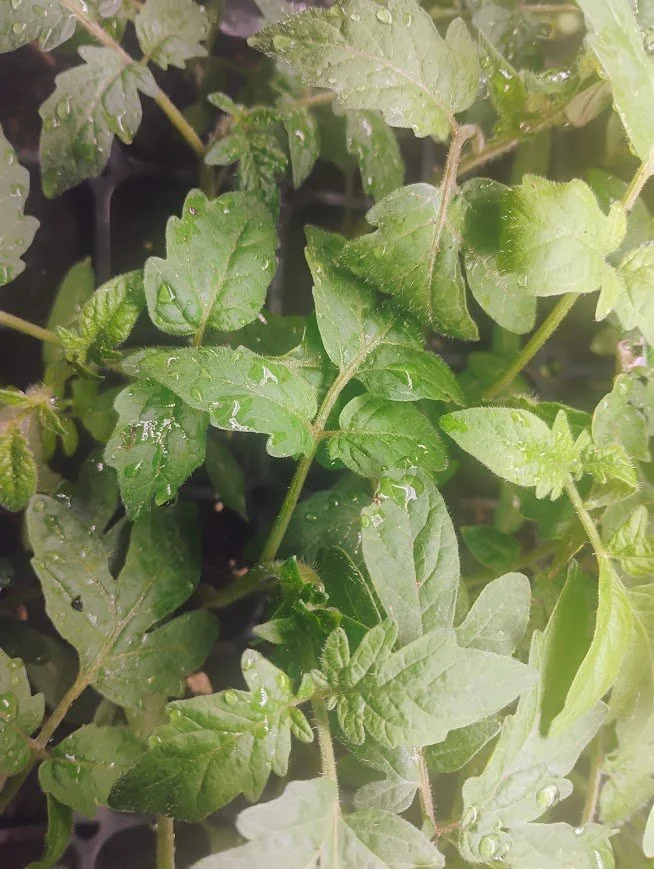
these tomatoes will be put into 4-inch cups next week, photo by Kara
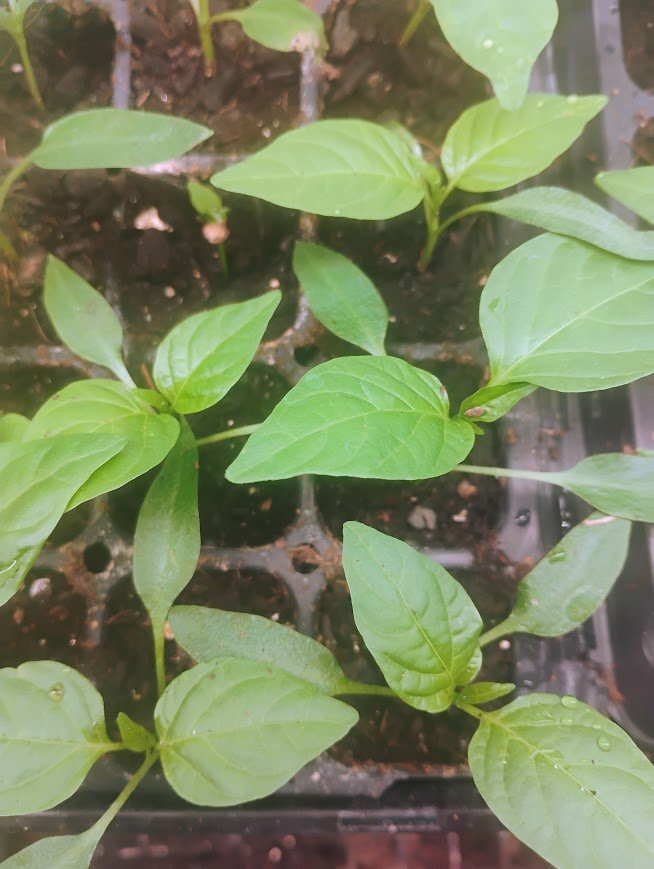
these Carmen peppers will be transplanted into the tunnels in a little over a month! photo by Kara
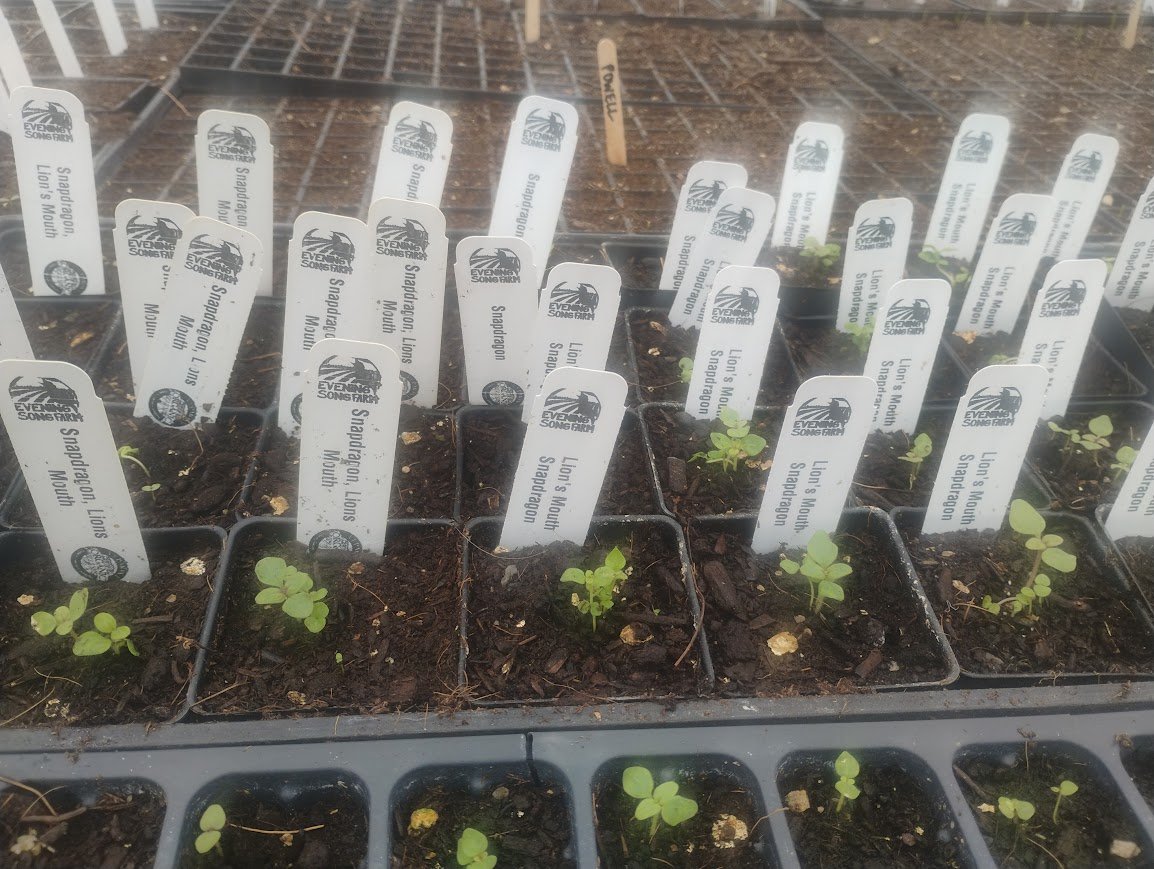
snap dragons, photo by Kara
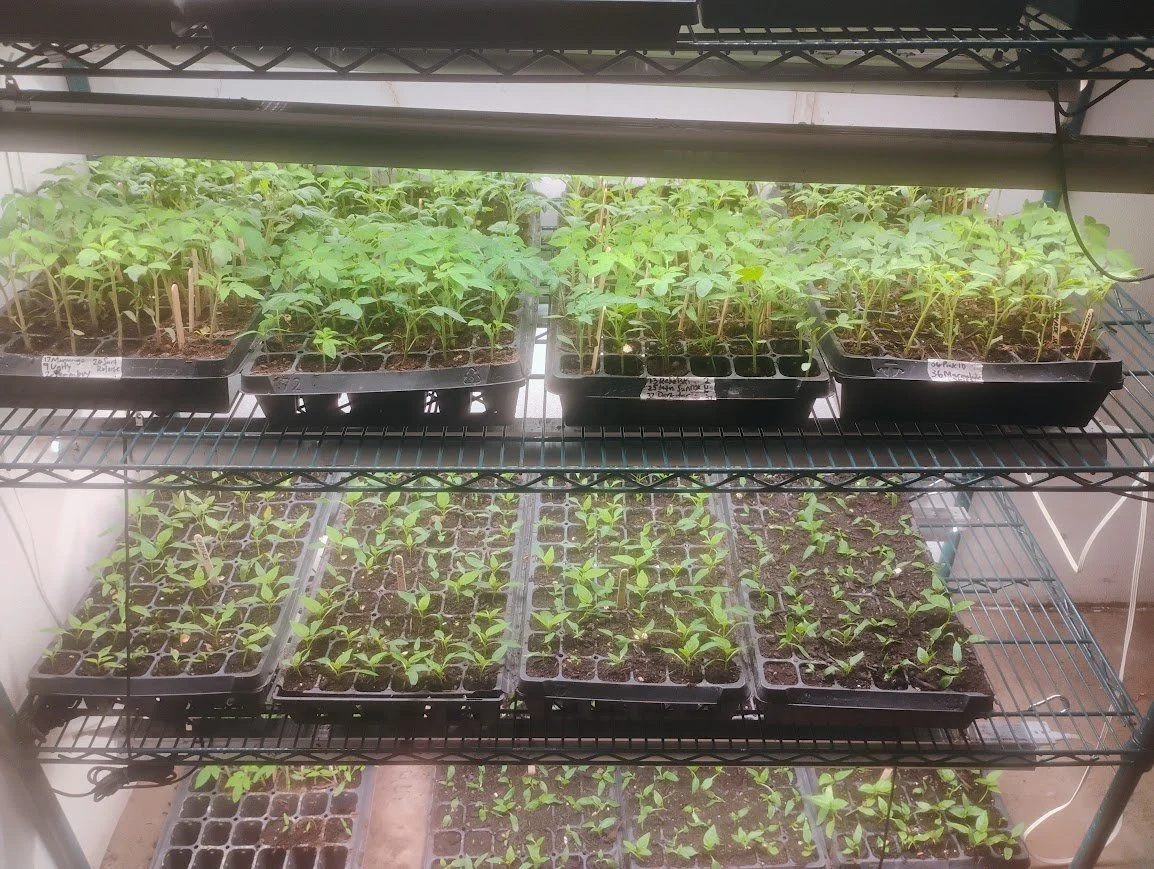
peppers and tomatoes in the grow room, photo by Kara
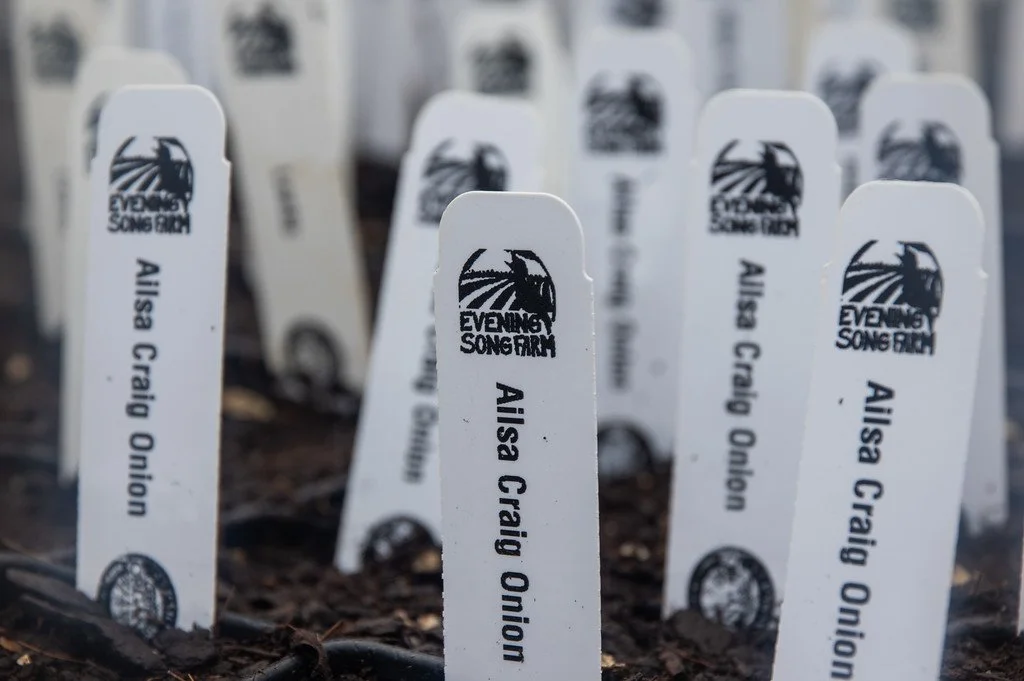
Ailsa Craig onions for sale, photo by Adam Ford
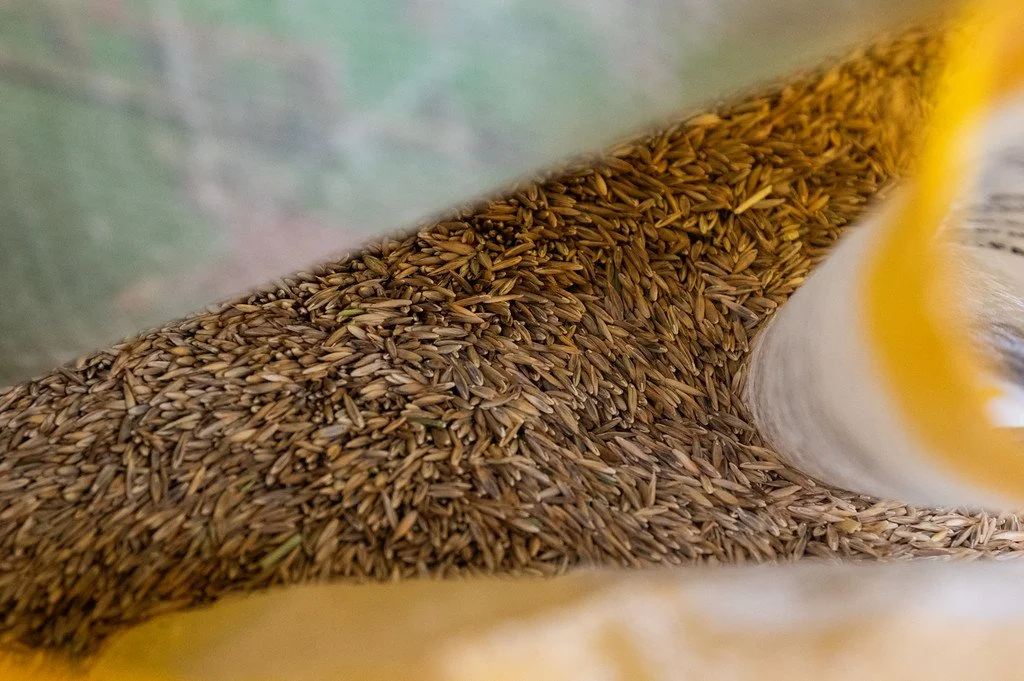
cover crop seed, photo by Adam Ford
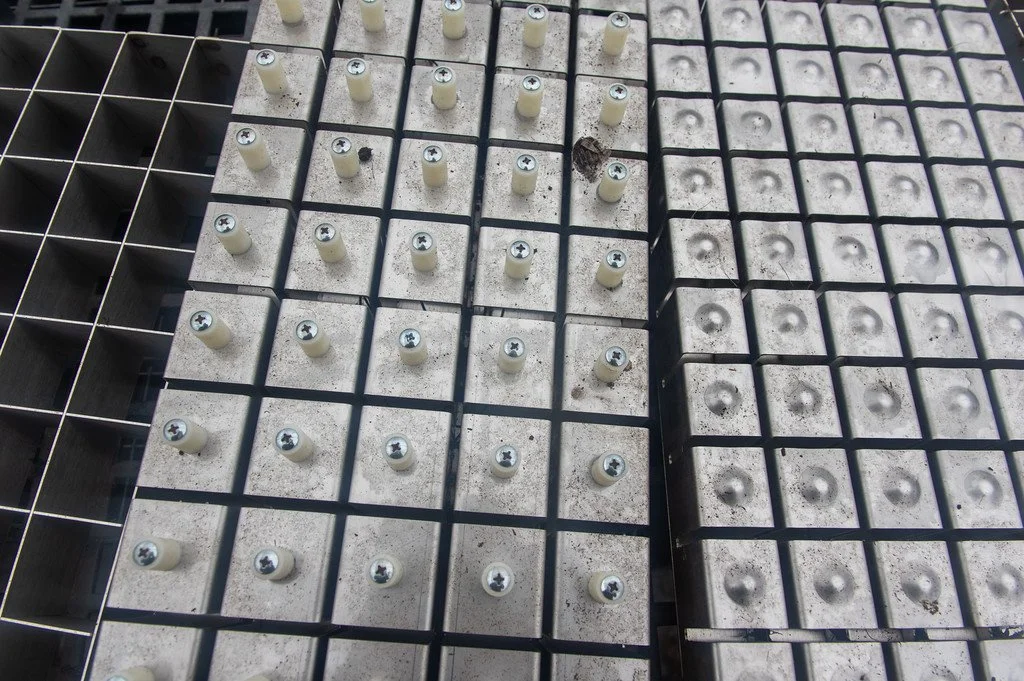
this is a soil block maker: packed with potting soil, it creates a tray of blocks to seed into, eliminating the need for plastic trays. We used this method when we began farming, but it wasn’t that efficient for the scale we grew into. These new tools help that scaling problem, so we are giving it a shot again, photo by Adam Ford
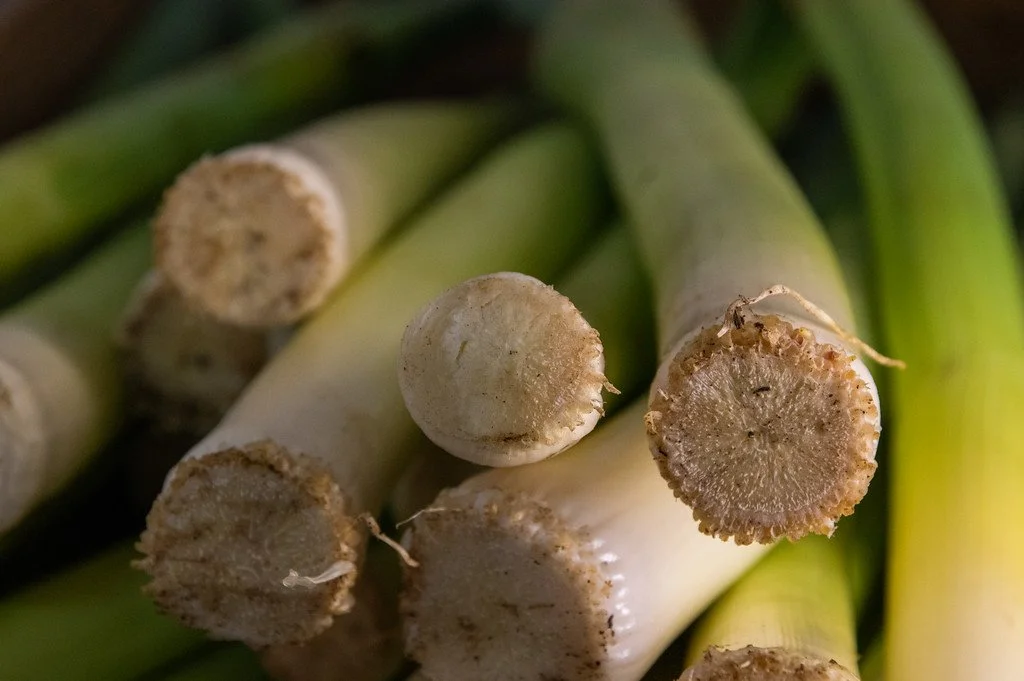
not many leeks left fothe year! photo by Adam Ford
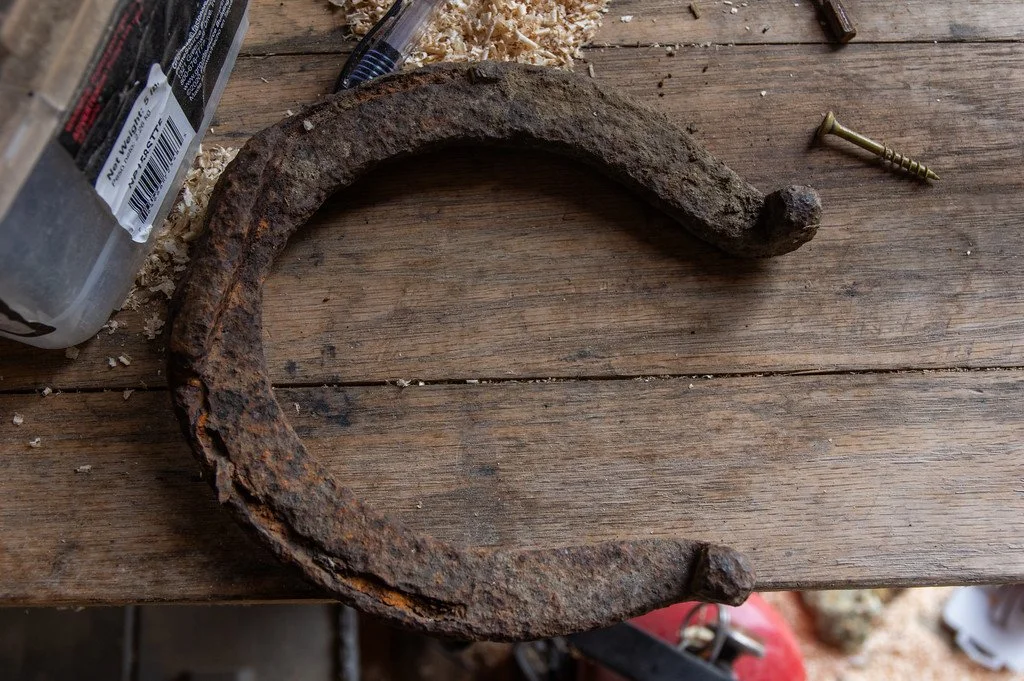
we find these in our fields sometime, and imagine the horses who used to work on these fields, photo by Adam Ford
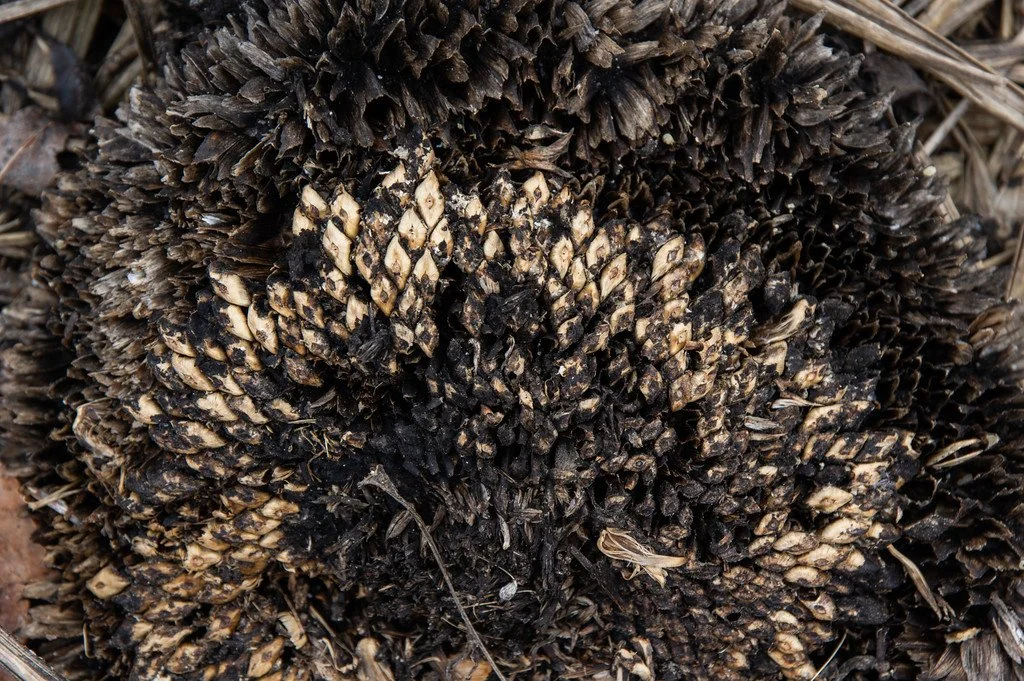
these seeds must not taste any good since there are still plenty left over the winter, photo by Adam Ford
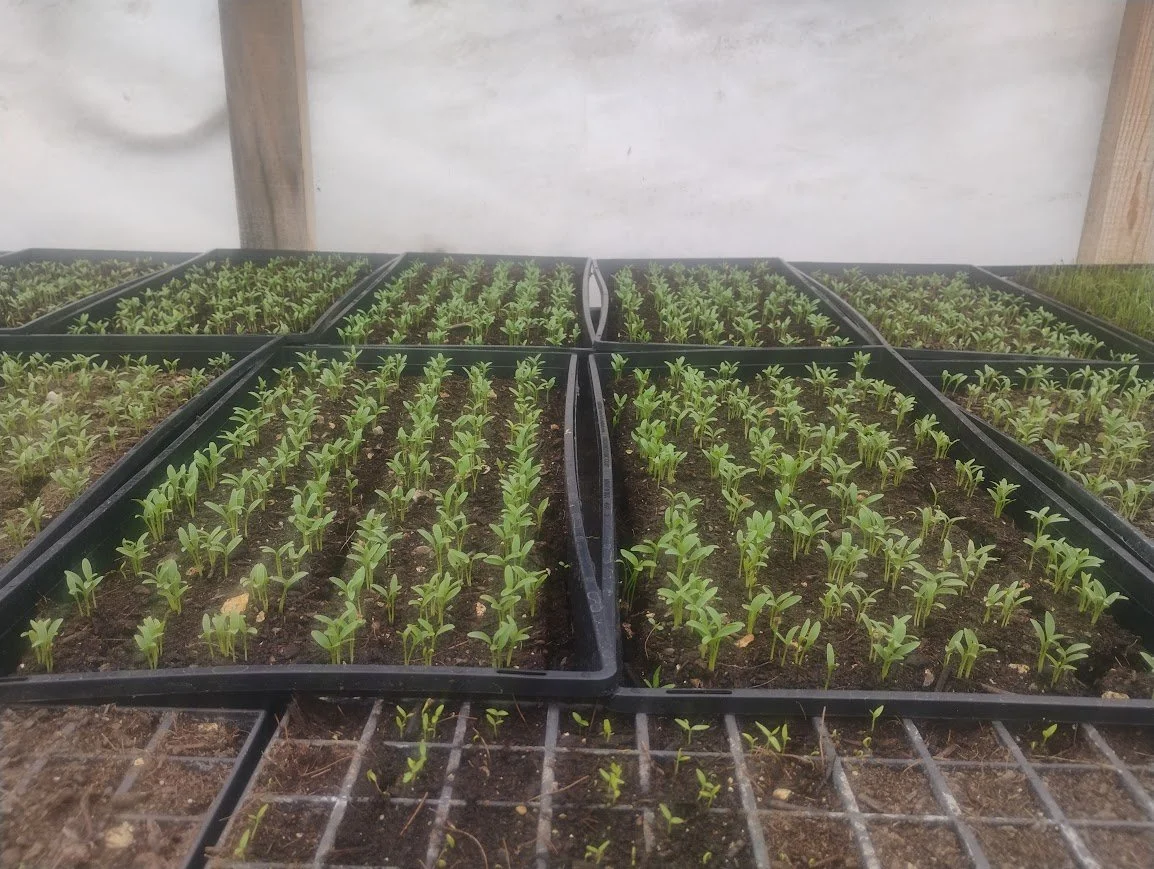
cilantro babies, photo by Kara
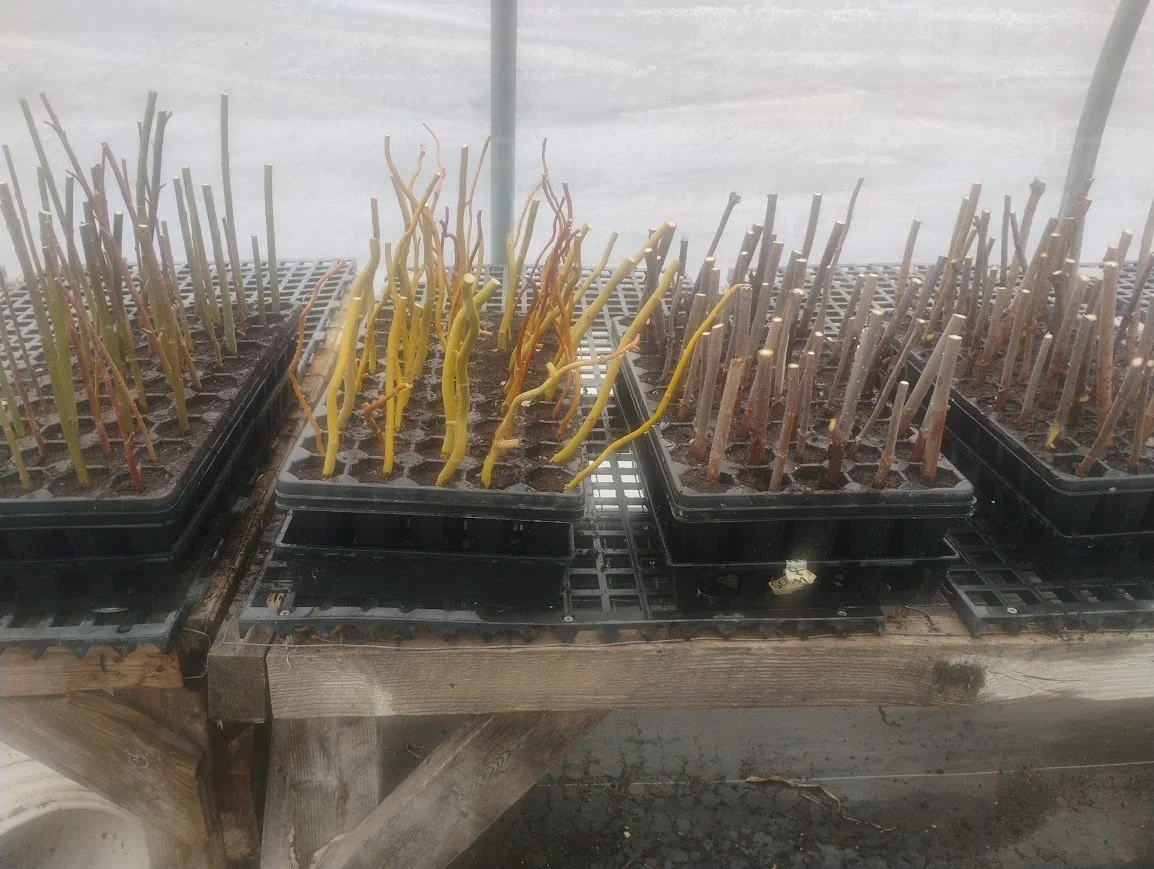
elderberry and willow cuttings, photo by Kara
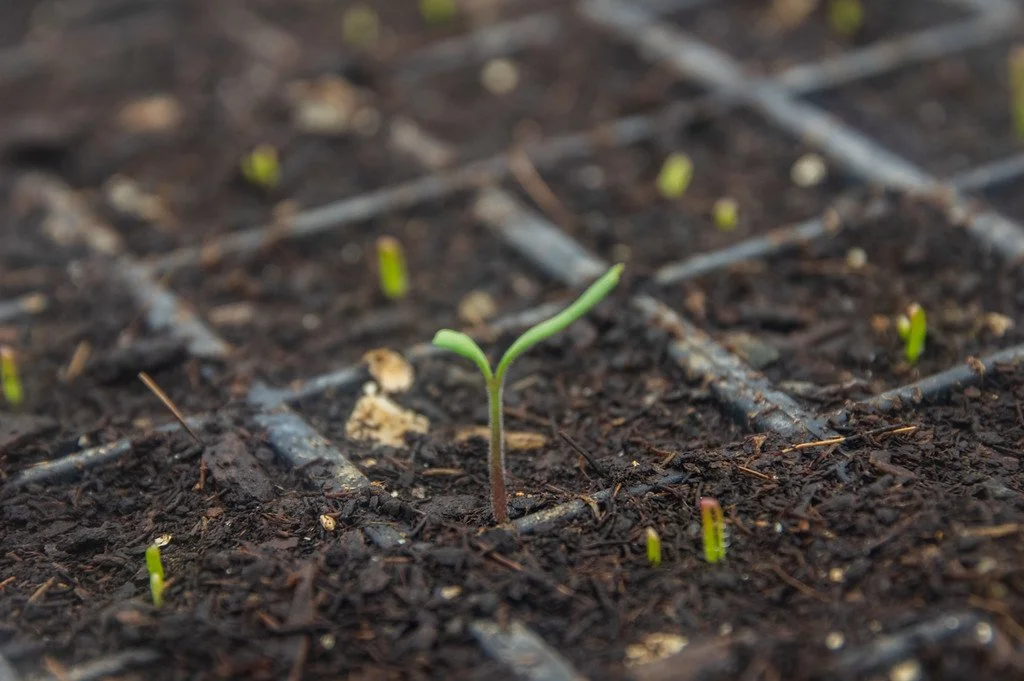
onion babies with a tomato volunteer, photo by Adam Ford
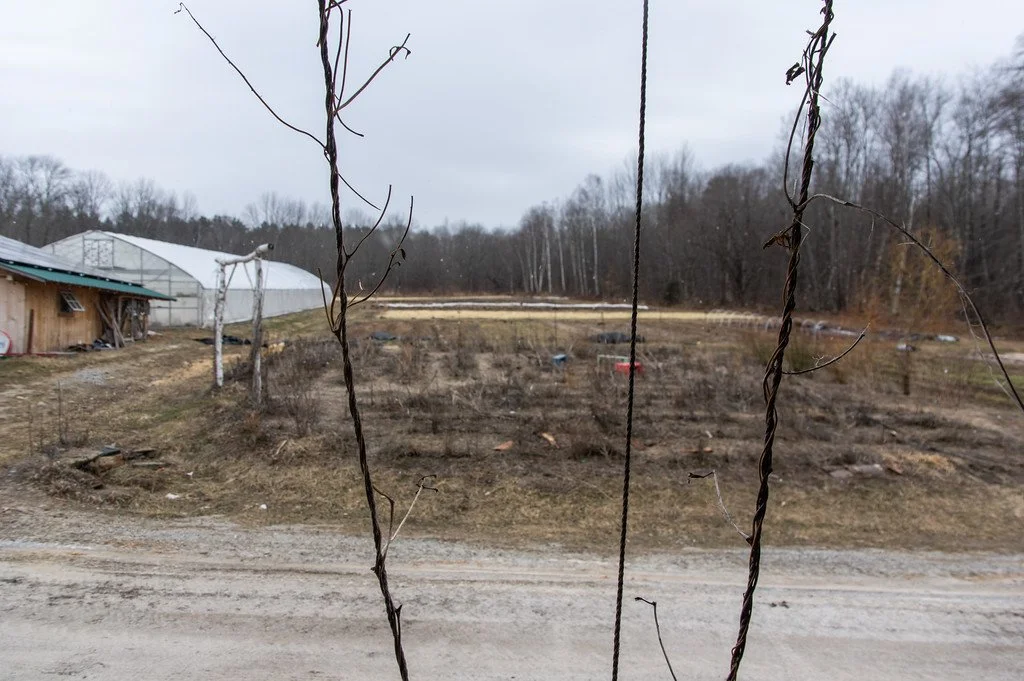
pick-your-own flower garden, photo by Adam Ford
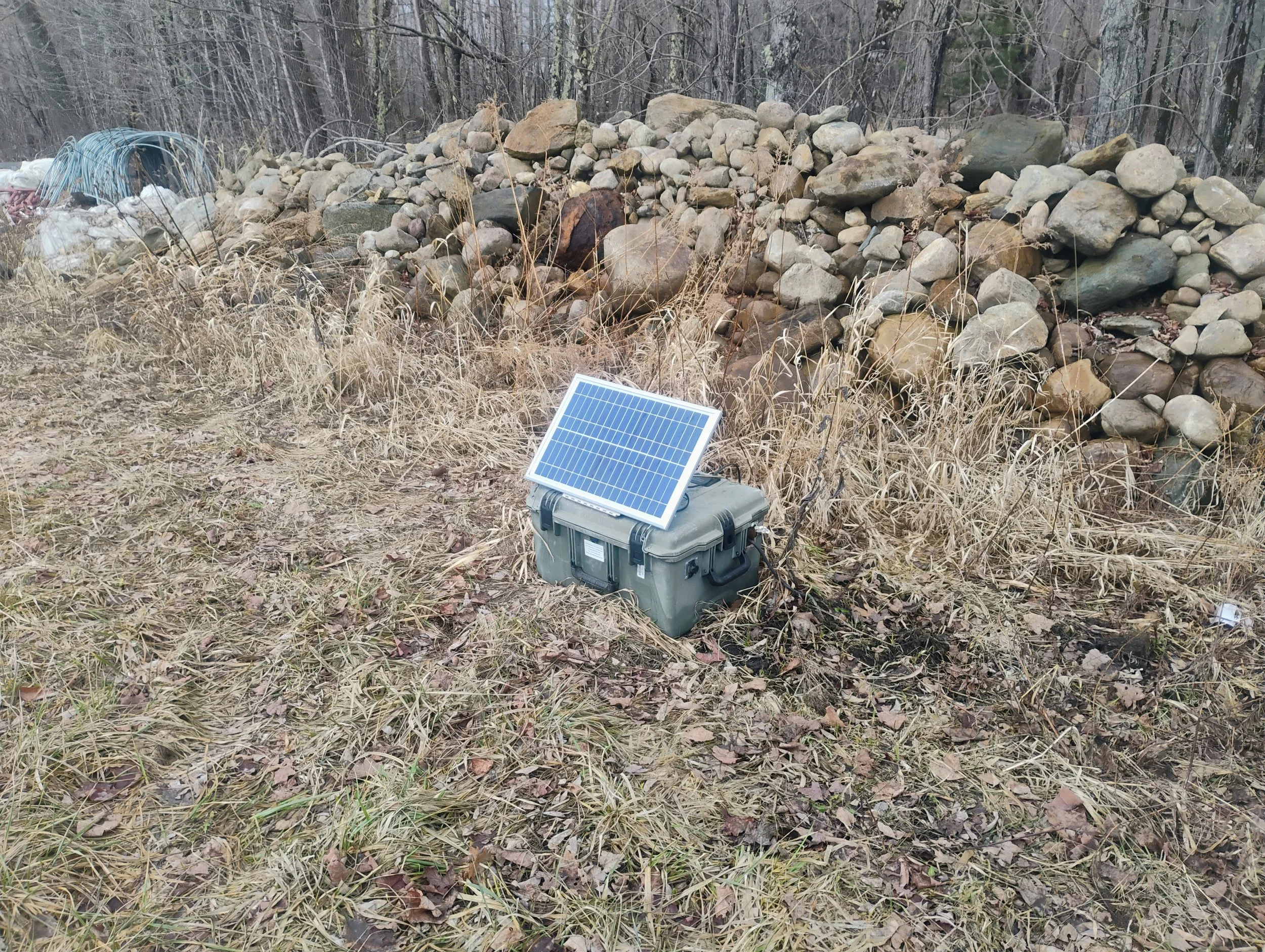
this is a small seismic sensor with a solar panel to power it, set up on the edge of one of our fields by a researcher from Yale University who is doing a seismic study in Vermont. It was set up last year, and he will continue to collect data for awhile. It’s fun to have random science projects happening around here!, photo by Kara
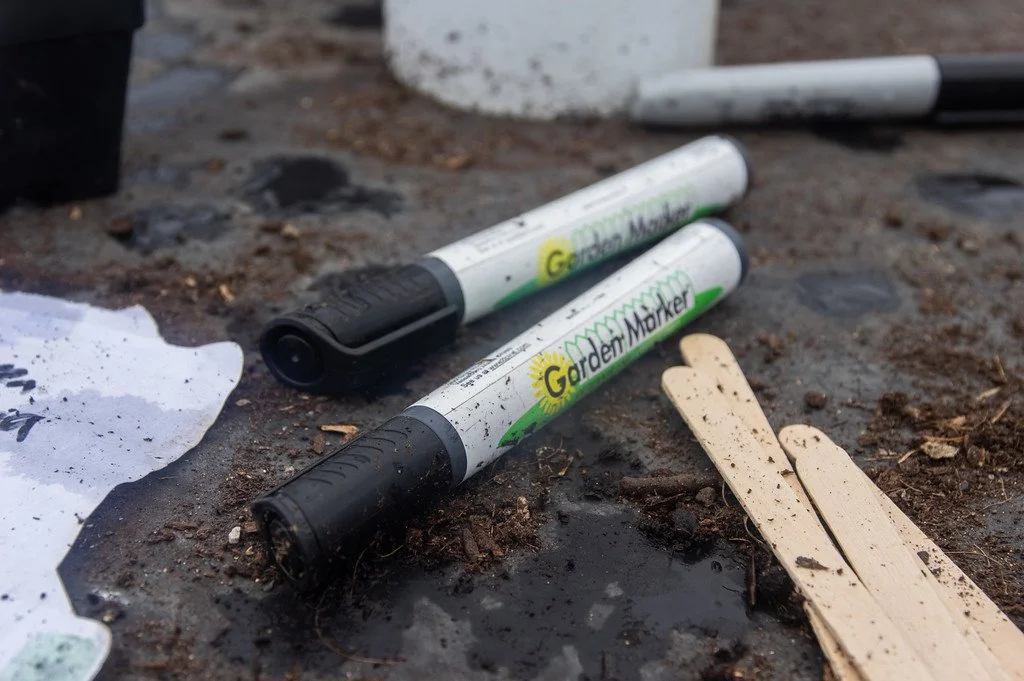
UV-resistant plant tag markers, photo by Adam Ford
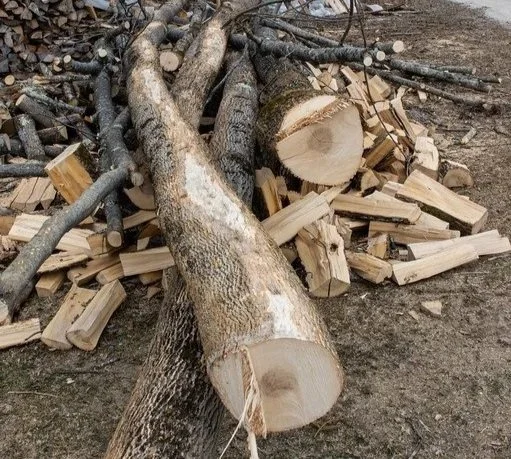
we like staying a couple years ahead of firewood to have really dry wood to burn, photo by Adam Ford
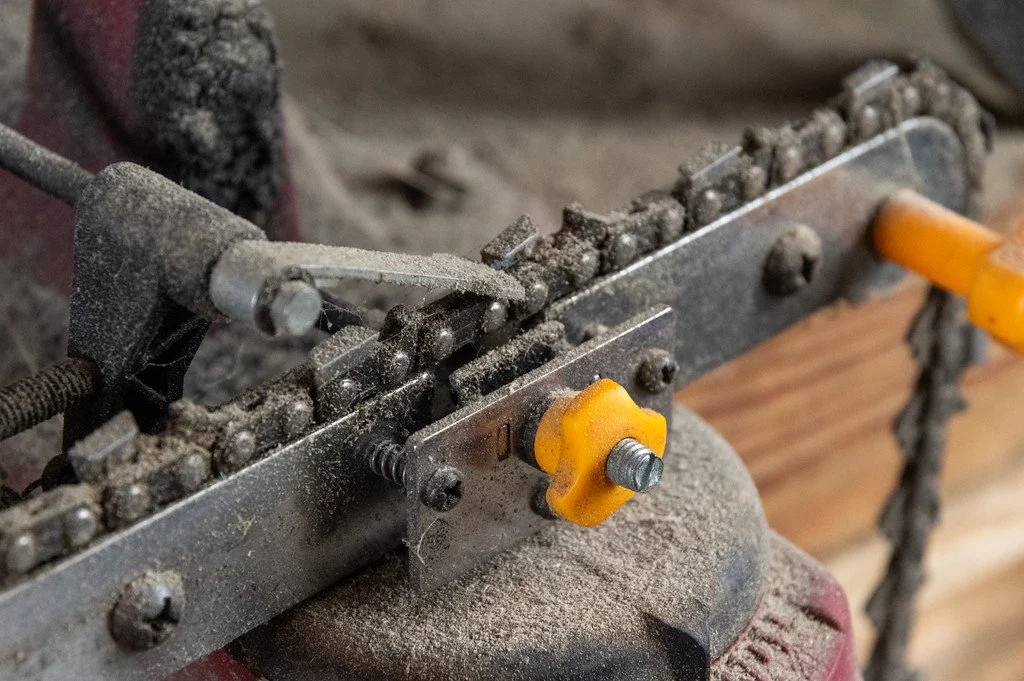
chain sharpener for the chainsaw, photo by Adam Ford