
5th Week of the Spring CSA Season: Week of March 31st
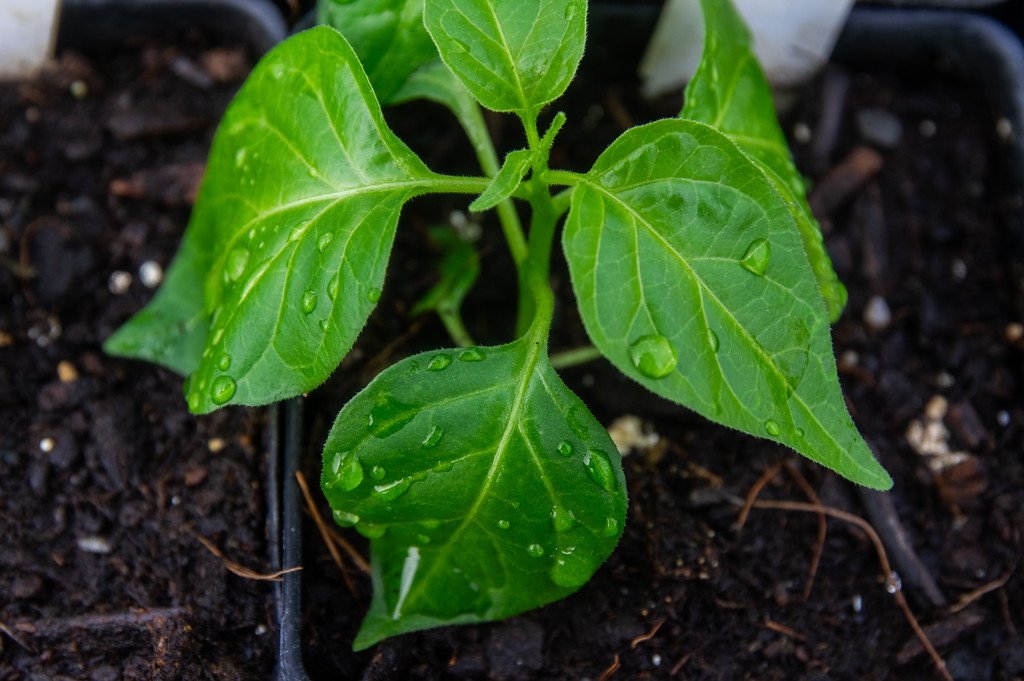
carmen pepper baby! photo by Adam Ford
This Week’s Availability
This week we will have:
Greens: green curly kale, spinach, baby lettuce, claytonia, baby chard, green cabbage
Roots: red beets, yellow beets, chioggia beets, large carrots*, watermelon radish, yellow potatoes, daikon radish, Gilfeather turnip, parsnips**
Alliums: garlic, yellow onions, scallions
Herbs: parlsey, cilantro
Fruiting crops: frozen heirloom and beefsteak tomatoes, Painted Mountain grain corn
*This time of year when we start running out of some of the popular storage veggies, we bring them in from another certified organic farm, Juniper Hill Farm. Theirs are a different storage variety, and they are larger and less sweet, but still a great carrot. I also tend to peel theirs for cosmetic reasons, while usually I don’t peel ours. Just a heads up, since we get A LOT of comments on how much people love the specific carrot variety we grow.
**Most of the spring dug parsnips have surface damage that Ryan wrote about below. It can be peeled off to a predominantly good parsnip. They will take a little more work to clean up than the ones we harvested and stored from the fall.
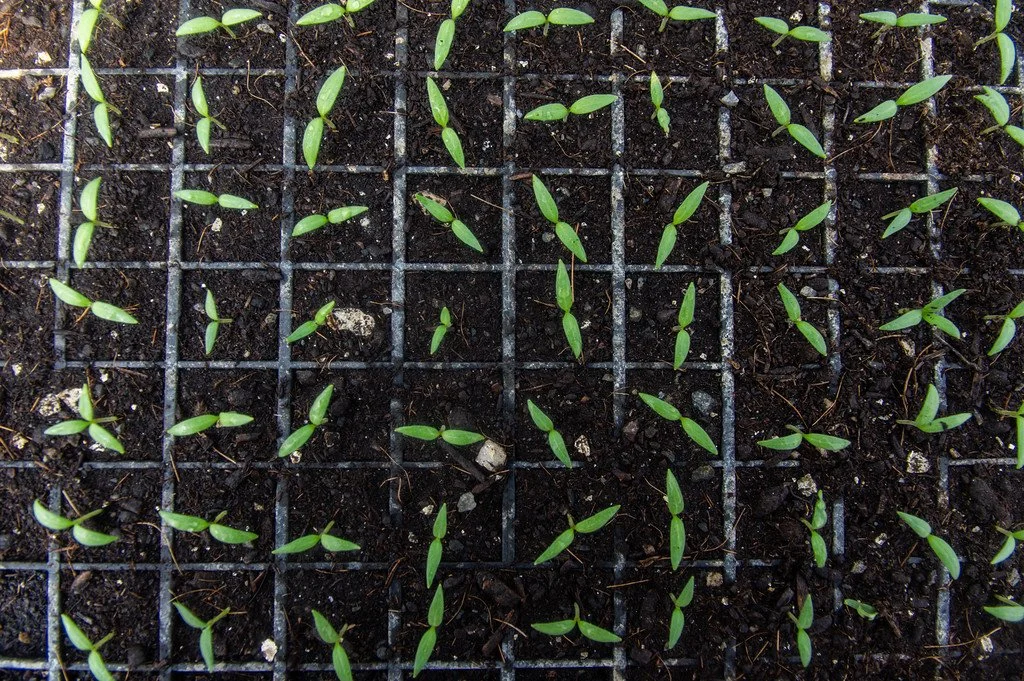
poblano babies! photo by Adam Ford
Farm News
This week we potted up the earliest tomatoes to their large cups, and seeded several more rounds of various greens, herbs, cucumbers, and peppers. We also added something new (and maybe a little unexpected) to the greenhouse this week: aphids. These arrived in the mail on sprouted barley, and they’re a specific type called cherry-oat aphids. Unlike the aphids that can cause trouble in our crops, these feed only on cereal grains, so they’re not a pest for us. Instead, they’re here to serve as a food source for a beneficial insect we’re hoping to build up this season—Aphidius colemani, a tiny parasitic wasp.
These wasps don’t sting people, but they do lay their eggs inside aphids, eventually turning them into what are called “mummies” as the next generation of wasps emerges. The idea is to establish a steady population of these wasps in our high tunnels so that when green peach aphids (a familiar challenge for us in tomatoes) show up, the wasps are already present and ready to keep them in check.
For now, the barley and aphids are tucked safely inside a screened cage in the greenhouse, and we’ll continue seeding new pots each week to keep that population going. In a few weeks, when we transplant tomatoes and cucumbers into the tunnels, we’ll begin moving some of these banker plants in and releasing the wasps. If all goes well, it’s a system that can largely sustain itself—reducing the need for sprays and outside inputs, and leaning instead on ecological balance. It’s the kind of experiment we really enjoy, and we’re grateful for the farmers and researchers who have shared their experiences and made it possible for us to try. (It will also reduce some of our post-harvest labor on tomatoes and extend the life of the tomato plants: Since we don’t rely on organic sprays to control aphids the impact they normally have on our tomatoes is two-fold: the plants themselves die earlier becuase aphids spread disease as they munch on the plants. And while they march around the plants their detritus accumulates on the fruits and we have to delicately wash each fruit after harvest, which is a laborious step that we want to eliminate.)
On the harvest side, there are several new high tunnel crops starting to come in, and one especially exciting addition harvested from out in the fields: overwintered parsnips. This is our first year leaving them in the ground through the winter, and it feels like a real treat to be digging them this early in the spring. The flavor is excellent—sweet and rich in a way that only comes from a long, cold season in the soil.
As we washed them up, we did notice some signs of carrot rust fly. This is a small fly that lays its eggs at the base of carrot and parsnip plants, and the larvae leave rust-colored markings near the surface of the root. The good news is that the damage is mostly cosmetic and can be easily peeled away with a good peeler. This spring, as we get ready to seed our parsnips, we’ll do some more research into the life cycle of the carrot rust fly, and learn about chemical-free options that we can do to minimize its damage on next year’s parsnips.
We hope you enjoy them as much as us.
Have a great week,
-ESF Team: Kara, Ryan, K2, Vanessa, Taylor, Katie, Galen, Cindy, and Hannah (and Sky and Soraya)
This recipe is an oldie, but a goodie…
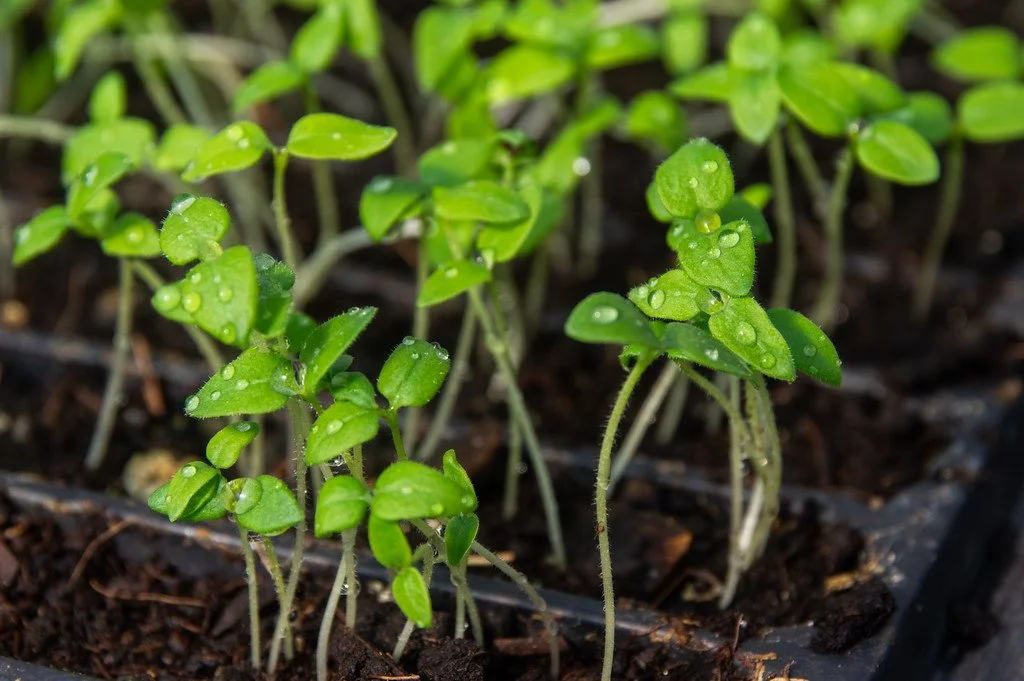
tomatillo babies, photo by Adam Ford
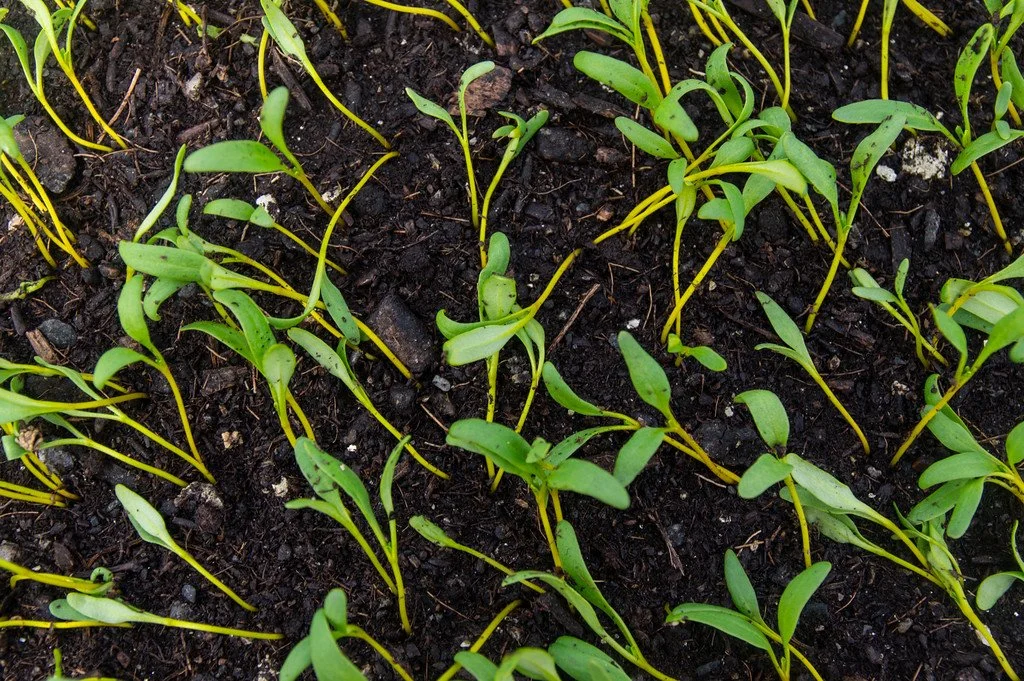
yellow beet babies, photo by Adam Ford
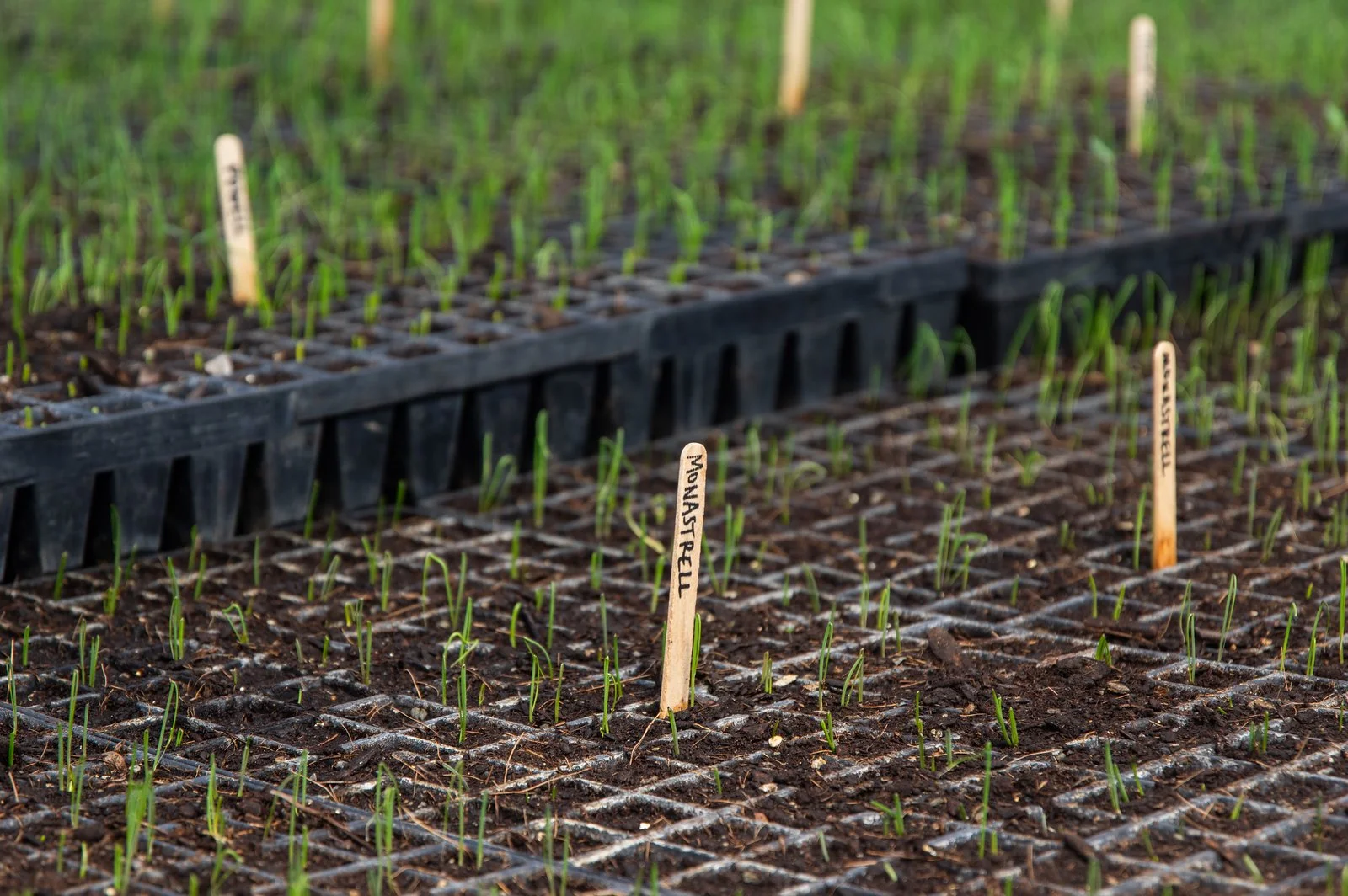
onion babies, photo by Adam Ford
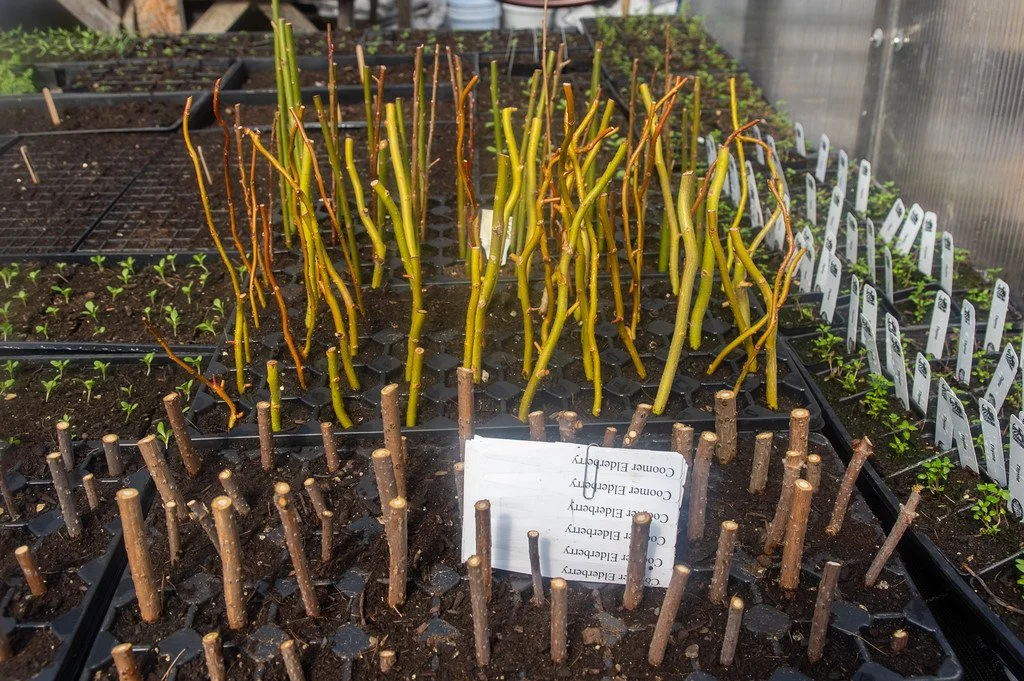
rooting willow and elderberry, photo by Adam Ford
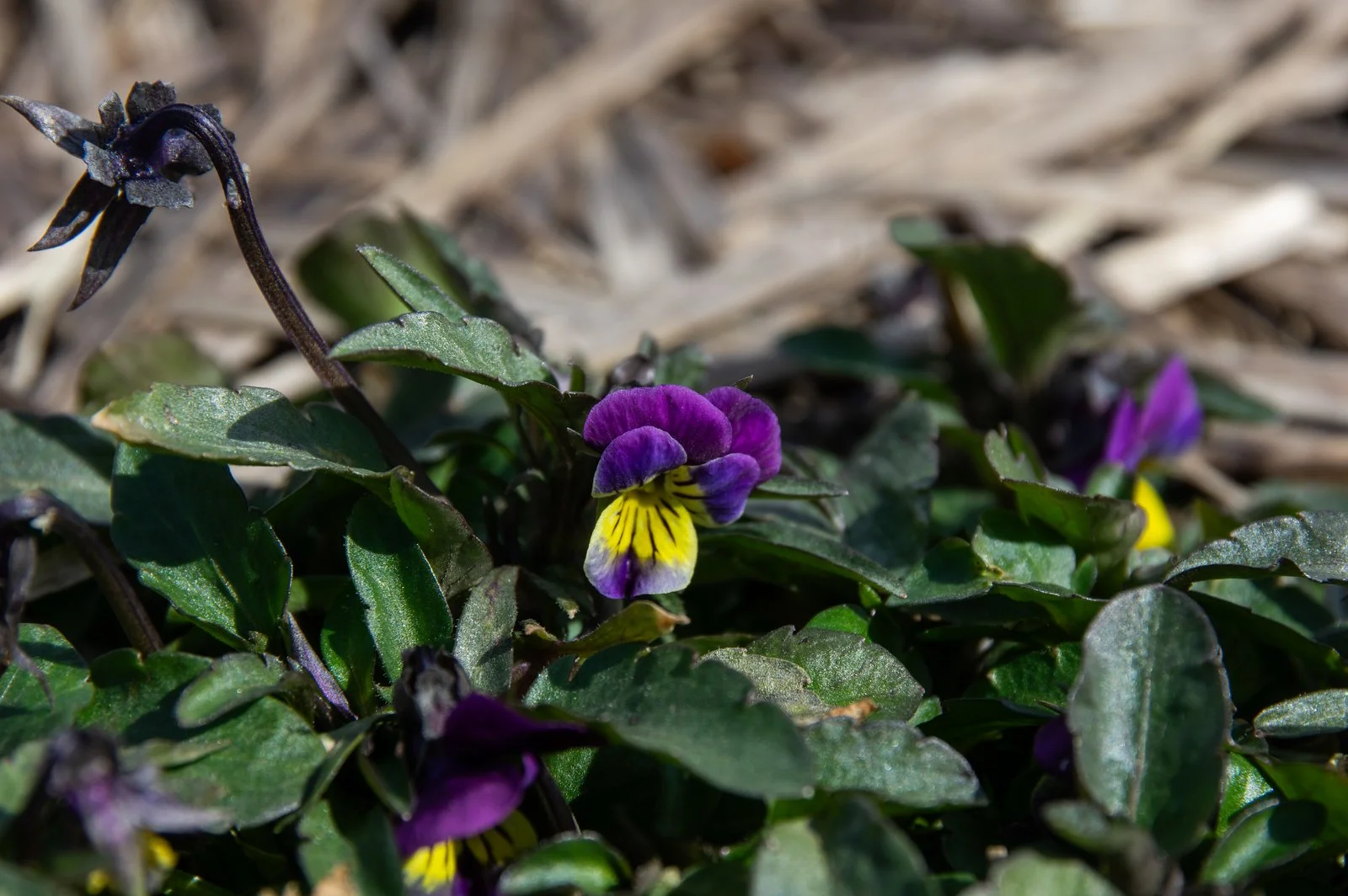
evidence that spring is happening, photo by Adam Ford
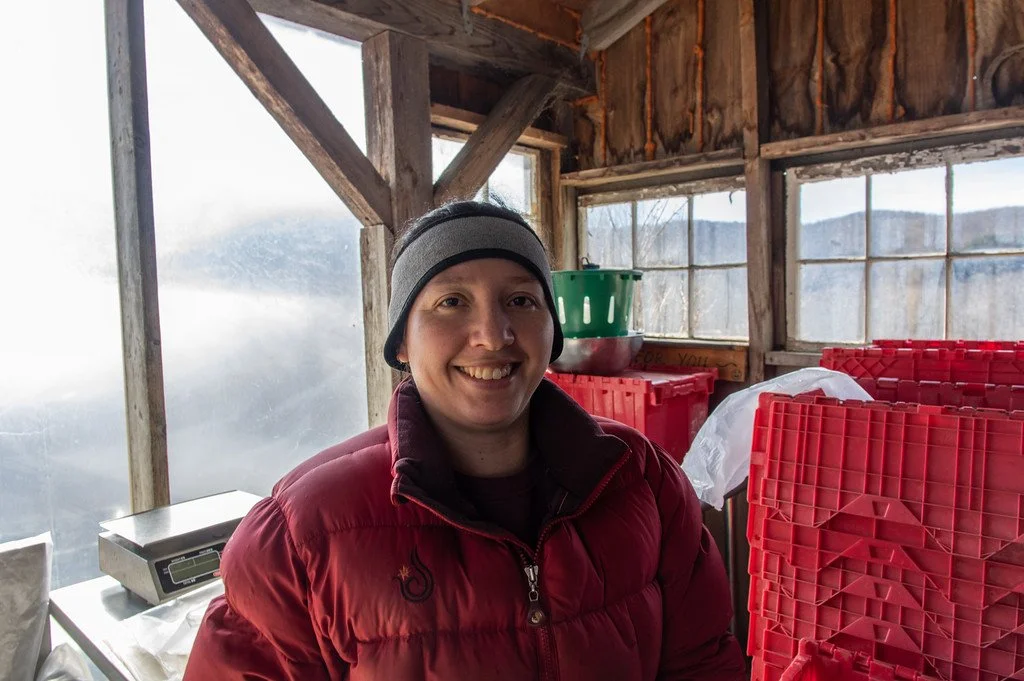
Vanessa in the wash station, photo by Adam Ford
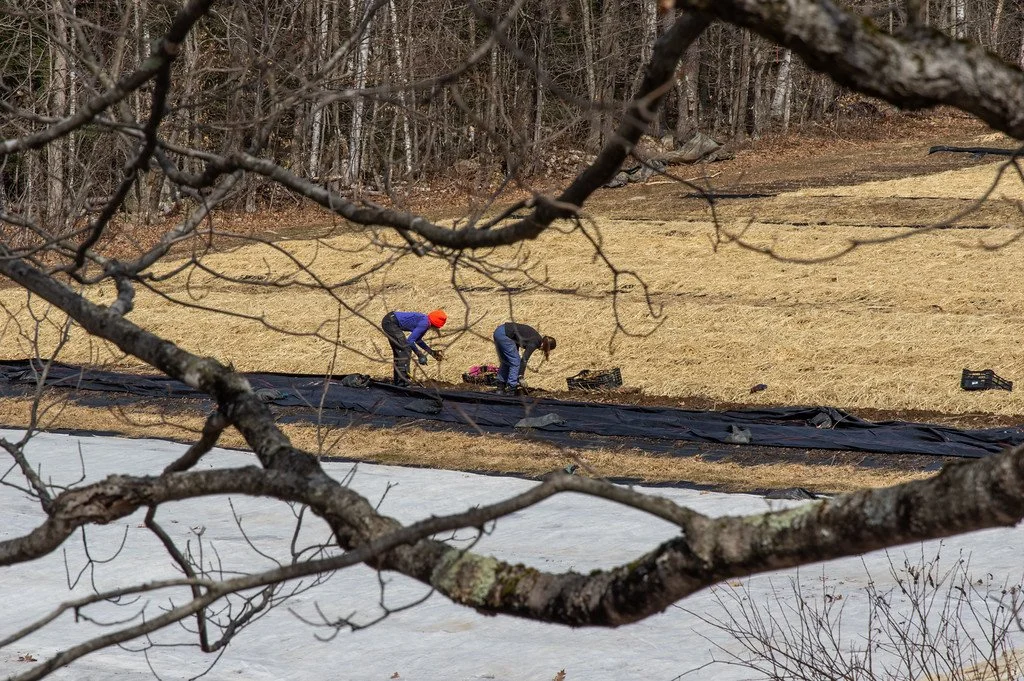
Spotting farmers harvevsting something from the ground outside in March, photo by Adam Ford
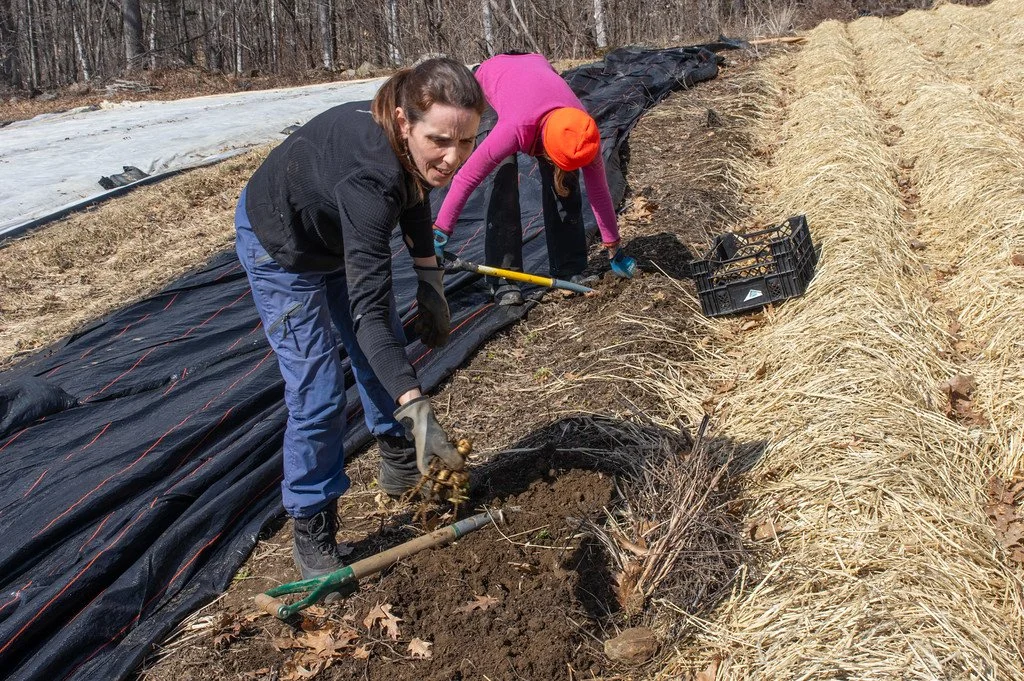
the greens have died back so it’s a bit more of a treasure hunt than it is in the fall, photo by Adam Ford
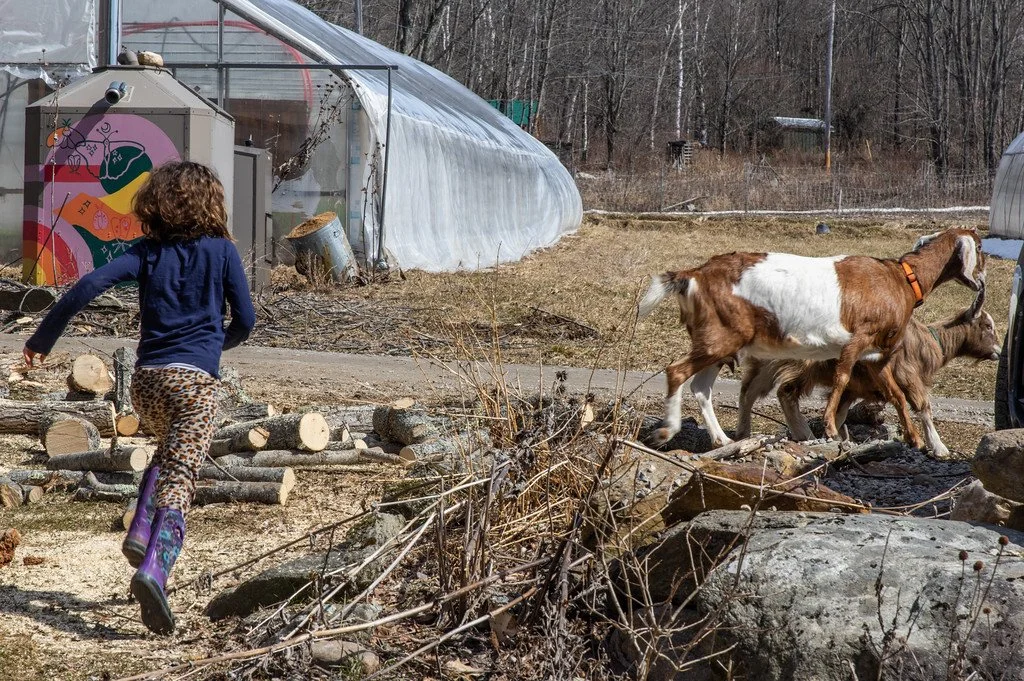
we like wandering around with the goats this time of year, because they are ready to move onto green pasture despite the green pasture not being ready for them! photo by Adam Ford
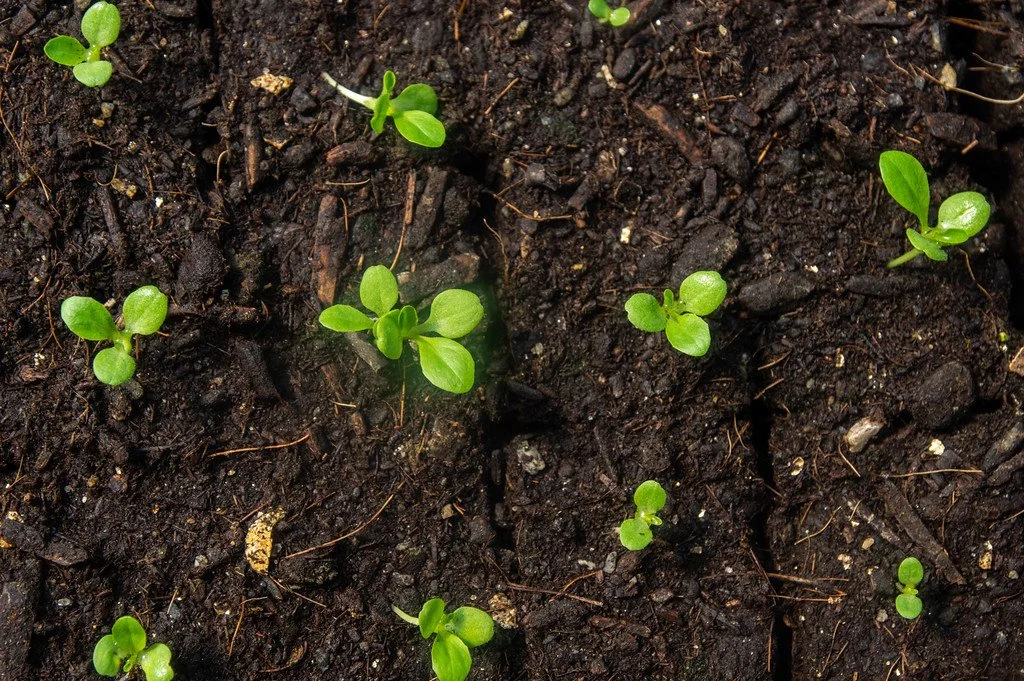
lettuce babies, photo by Adam Ford
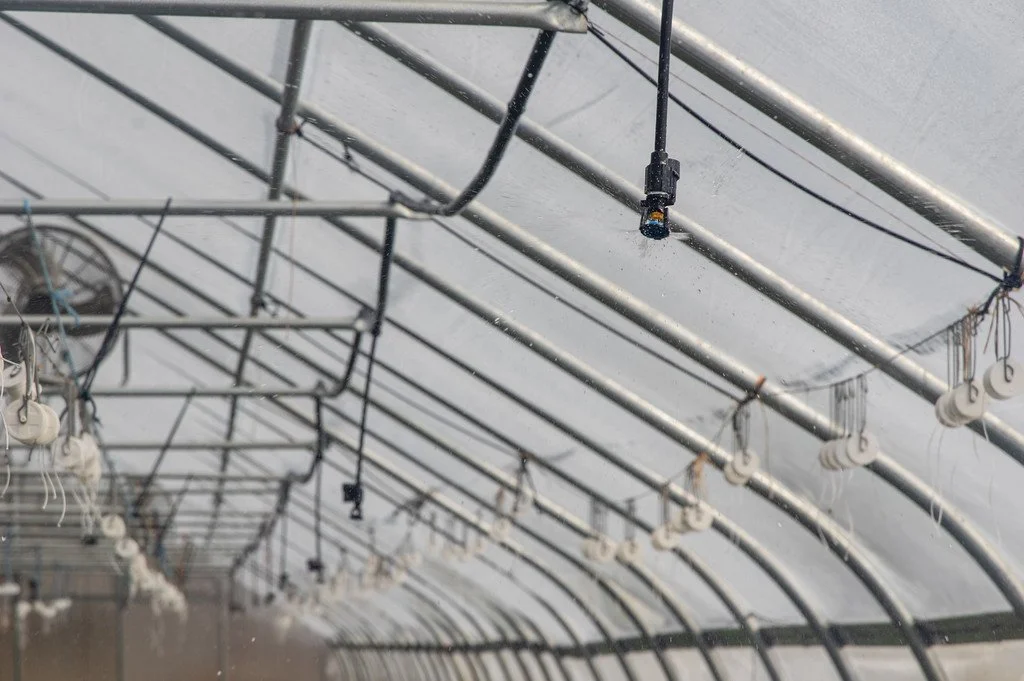
watering in tunnel plantings, photo by Adam Ford
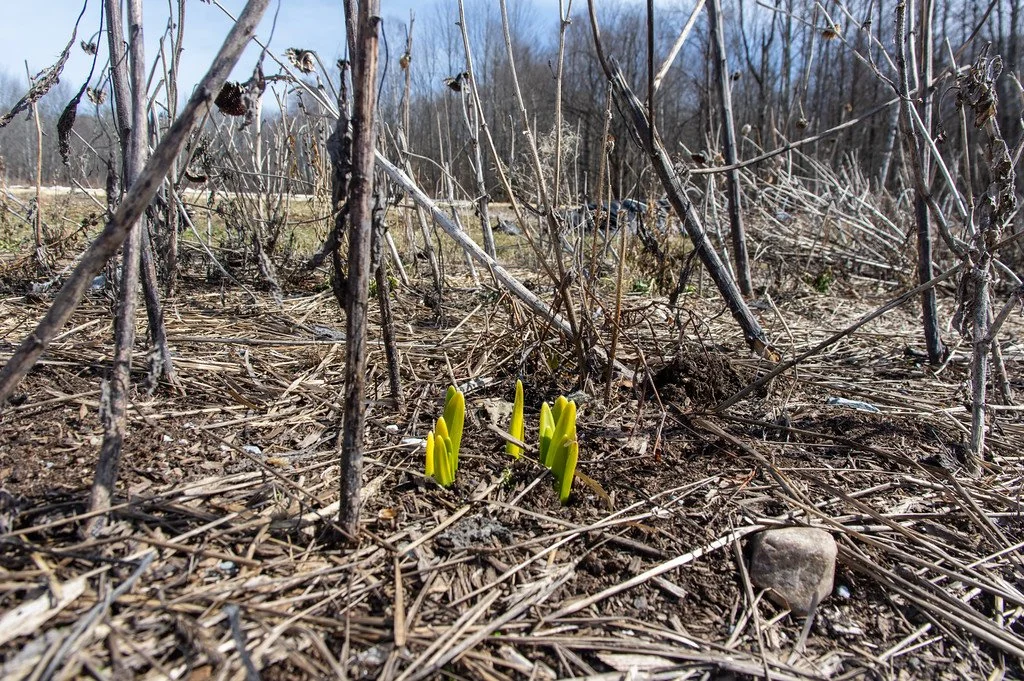
continued evidence, photo by Adam Ford
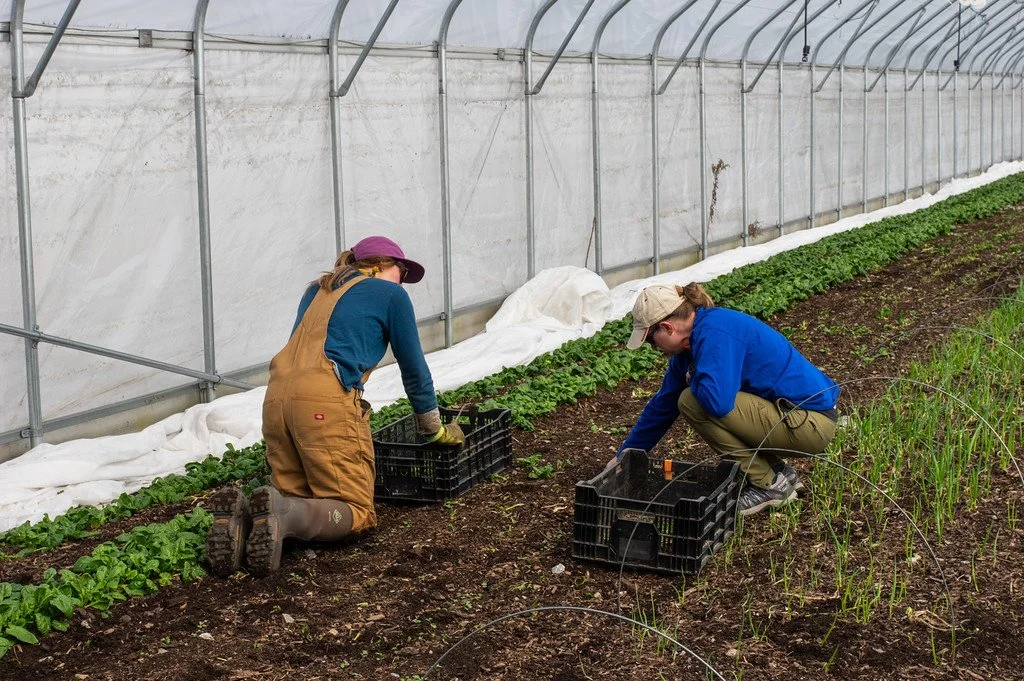
two Katies weeding, photo by Adam Ford
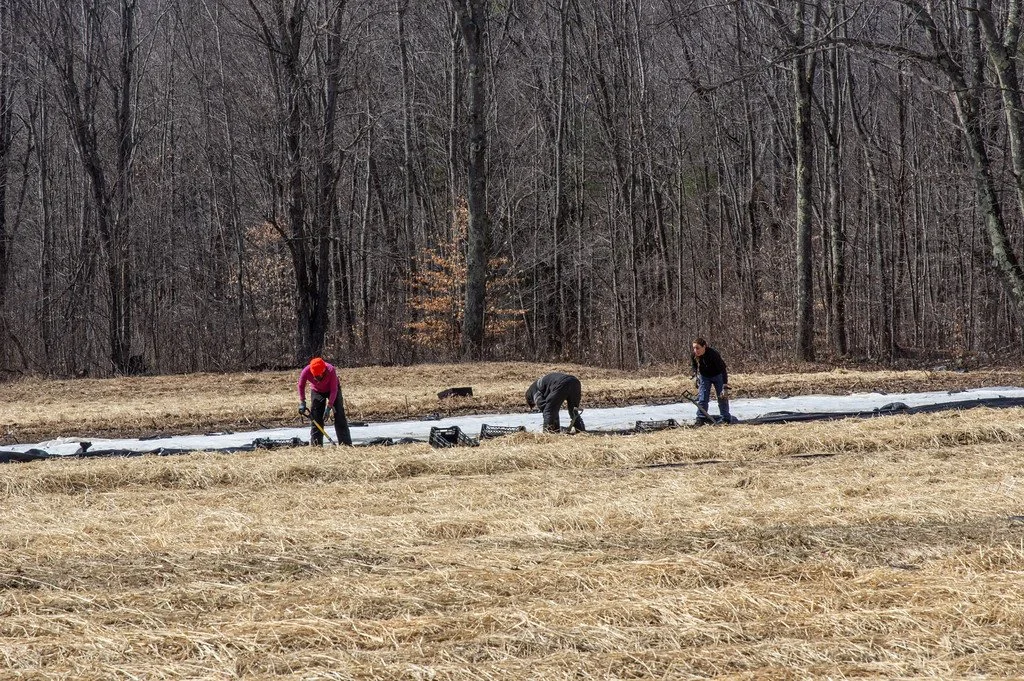
Spring-dug parsnips are a nice little treat this time of year, photo by Adam Ford
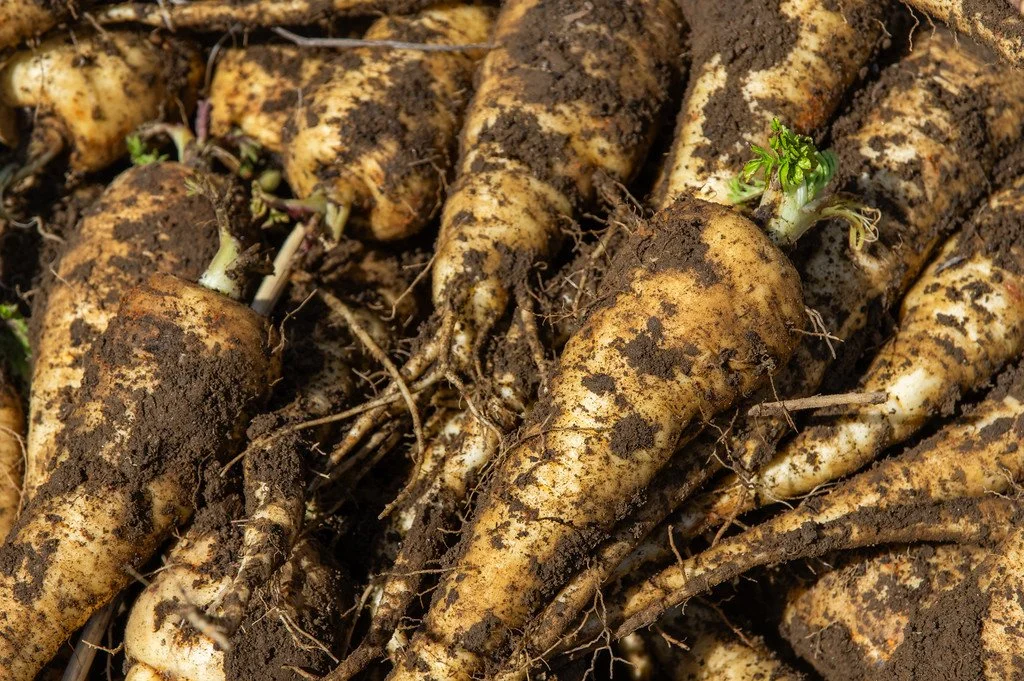
such an awesome early spring harvest, photo by Adam Ford
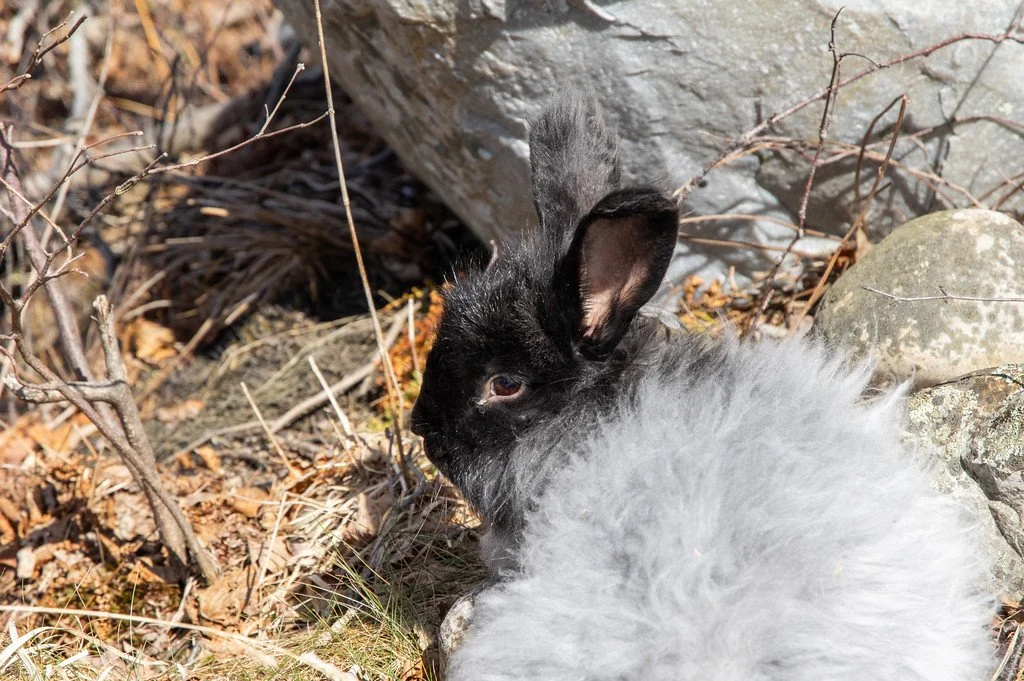
Soraya worked hard this fall to develop her responsibility skills because she was interested in having a tiny pet of her own… Marshmallow joined our home at Christmas this year, and he sure is snuggly, photo by Adam Ford