
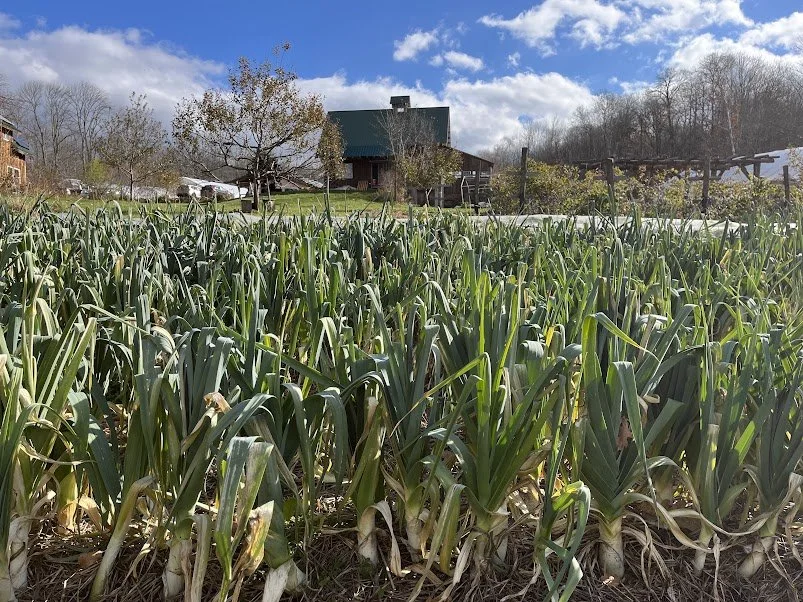
Lots of fall leeks still out in the field (all the photos in this newsletter are from Ryan)
This Week’s Availability
This week we will have:
Greens: baby lettuce, green curly kale bunches, lacinato kale, rainbow chard, green cabbage, giant green cabbage, bok choi, brussels crowns, brussels sprouts, green leaf lettuce, spinach
Roots: red potatoes, yellow potatoes, red beets, yellow beets, carrots, baby carrots, parsnips, watermelon radish, mini daikon radish, daikon radish, Gilfeather turnips, rutabaga
Alliums: yellow onions, red onions, sweet onions, fresh garlic bulbs, shallots, leeks
Herbs: sage, parsley, thyme, cilantro
Fruiting crops: shishito peppers, aji rico red hot peppers, green Italian peppers, butternut squash
Miscellaneous: fennel
Crop Report
This week the arugula will be outstanding: first cutting from inside the tunnel, tender, gorgeous, delicious, and I am so sorry I messed up on adding it on the online platform last week!! It is there now! For the radish connoisseurs, we will have full-size daikon radishes in addition to the cute mini daikon radish.
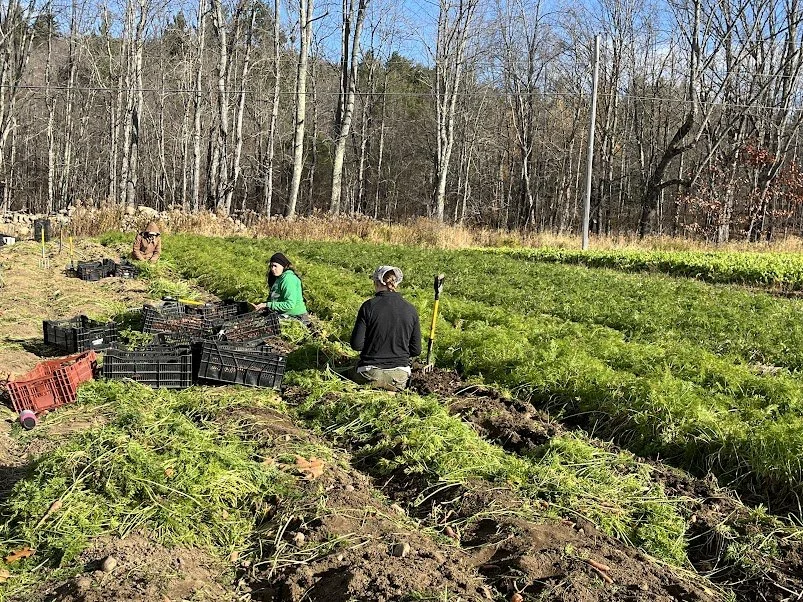
Some carrots harvested, many left to go, photo by Ryan
Farm News
This week we finished harvesting some odds and ends—gilfeather turnip, rutabaga, beets, and daikon radish—and we’ve begun one of the biggest tasks of the fall: harvesting all of the carrots. Thursday and Friday we spent many hours harvesting carrots and have only begun to put a dent in the field, which is about 1/10 of an acre in size. We will likely harvest around 4,000-5,000 pounds of carrots from this one field, which should be plenty of carrots until next June when the February-seeded carrots in the high tunnel are ready to harvest. These fall carrots have great flavor and it’s been a real gift that the weather has been nice for the many hours we spend in the field harvesting them.
Also this week we received a large load of straw that we use to mulch many of our crops in order to conserve soil moisture, reduce erosion, suppress weeds and add organic matter to our soil. We have gotten straw from several different farms, and this straw came from an organic farm in New Hampshire. Straw and hay look similar and are often confused in casual conversation. In case you’re curious about the difference between straw and hay, hay is cut from a grassy field, and is a mix of perennial grasses, clovers, and broadleaf plants, depending on the particular field. It’s generally used as a feed for animals, though poor quality hay that does not have value as animal feed is often used as mulch hay. Straw on the other hand is the hollow stems from a cereal grain such as wheat, oats, or rye. Unlike hay, which can be cut multiple times in a season and can be harvested year after year without replanting, straw is harvested once and must be replanted. There is a lot of variety in what you might get in a straw bale: sometimes a straw bale will be the leftover stems after a grain like rye or wheat is harvested. In this case, the rye seeds will have been mostly removed and the stem residue baled. However, from personal experience we’ve learned that the machinery used to separate the seeds from the stems is not 100% effective, and some grain seed will remain in the straw. This can be a real pain if the straw is used to mulch vegetable crops, because depending on how much grain is left in the straw it can require laborious hand weeding to avoid the grain overtaking the vegetable crop.
The straw we have been using for the past several years is rye that is specifically grown to harvest as straw, rather than the straw being a byproduct of grain growing. It’s planted in the early autumn, establishes itself in the fall, and grows vigorously in late April and May. In early June, the rye begins forming a seedhead and releases pollen. At this point the rye is harvested and baled, before any seeds are formed. It makes an excellent material for mulching and our farm brings in a lot of rye straw to assist in our vegetable growing.
Next week we will get the garlic planted and mulched and then keep working away at the carrot harvest!
Have a great week,
-ESF Team: Kara, Ryan, Vanessa, Taylor, Katie, Galen, Leah, Natalie, Cindy, Amelia, Morgan, Kim, Kelly, Hannah, and Grandpa Jim the delivery guy (and Sky and Soraya)
We like to have a jar of pickled veggies in the fridge all the time for sandwiches and snacking.
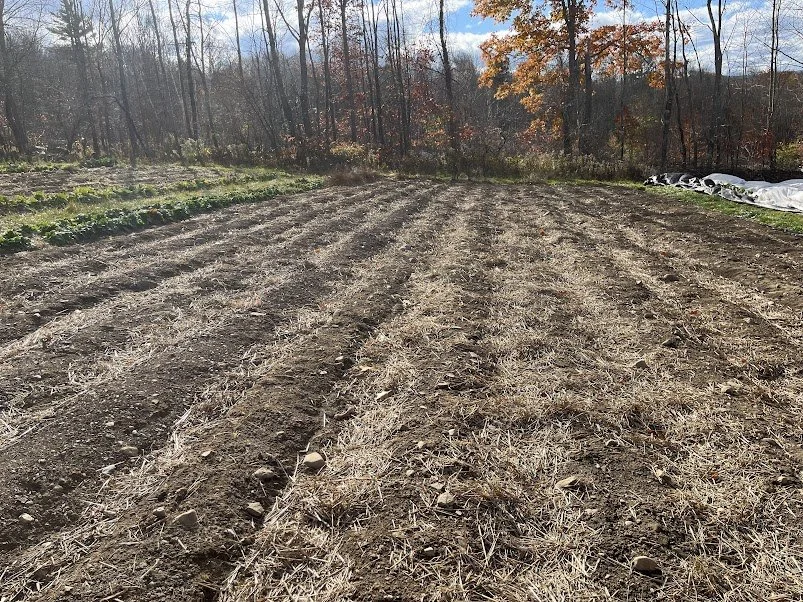
Soon we’ll plant overwintering onion sets in this field
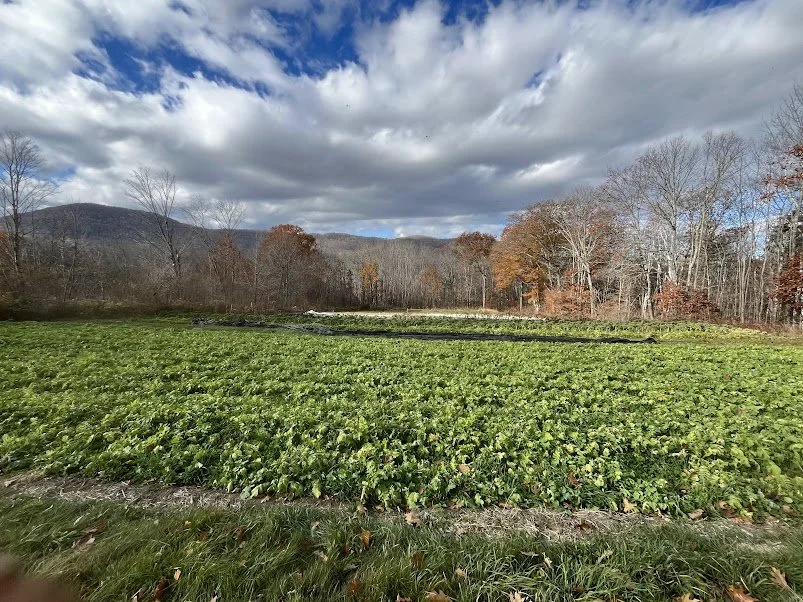
Nice cover crop in the barn field
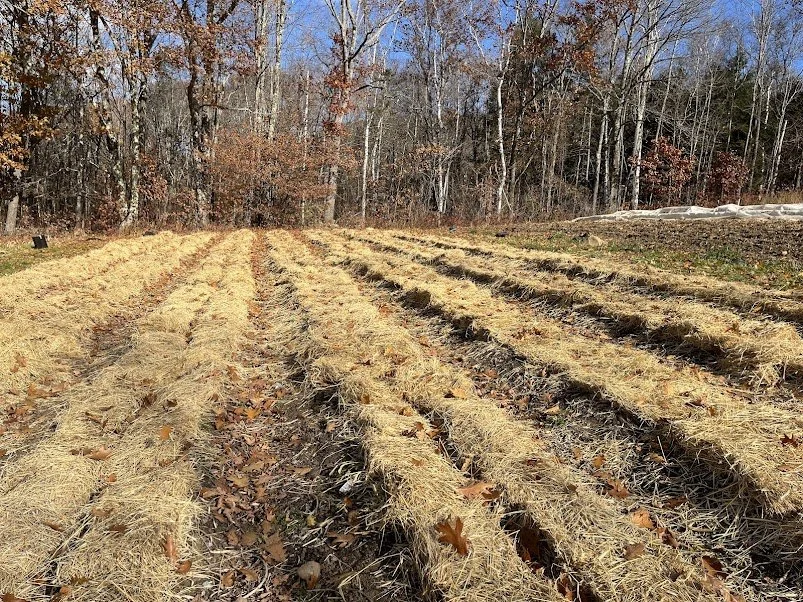
Straw flakes spread out after beet harvest
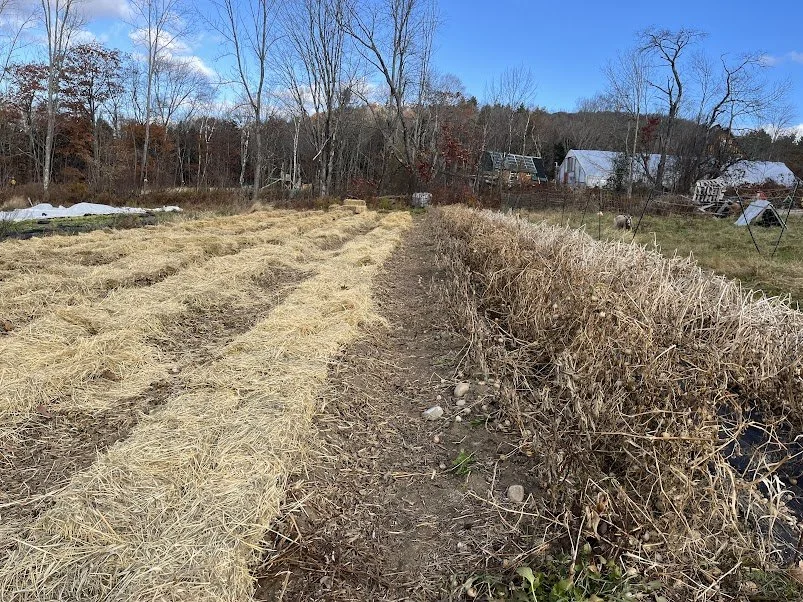
The tractor flail mower runs over these flakes to evenly spread the straw
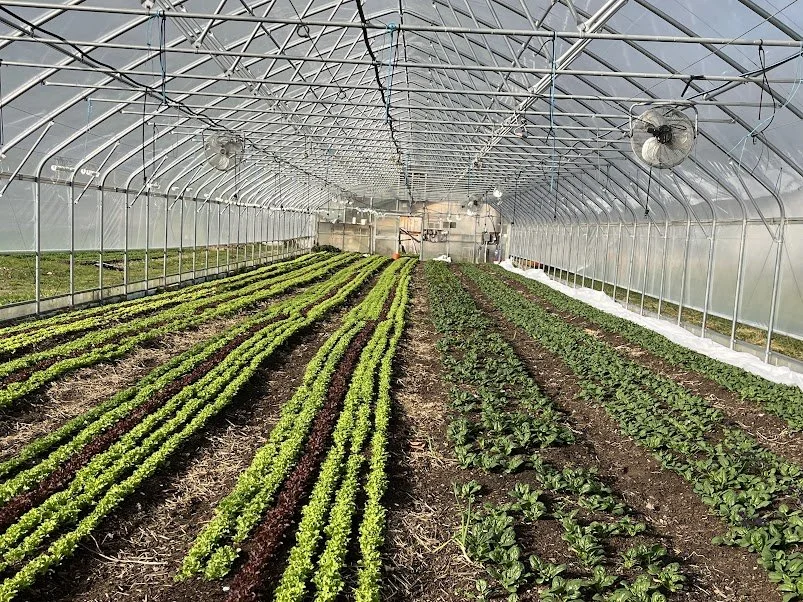
Lettuce and spinach in the Chocolate Factory
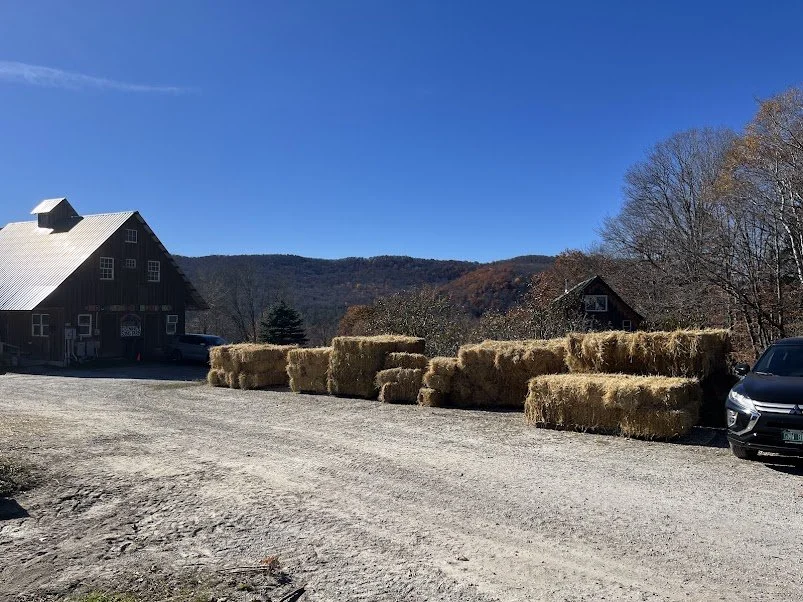
Lots of straw bales delivered early this week
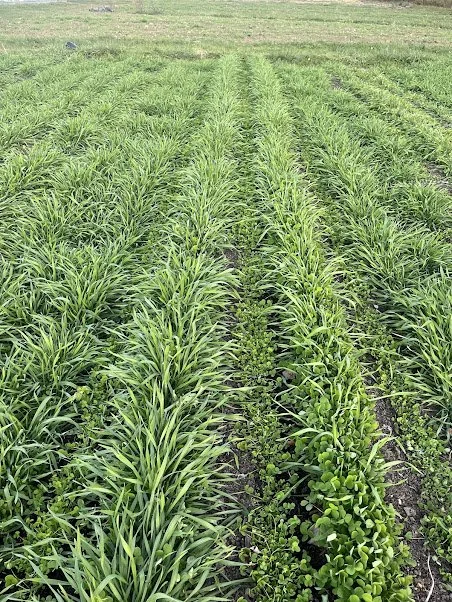
This vigorous cover crop will grow 5’ tall in the spring
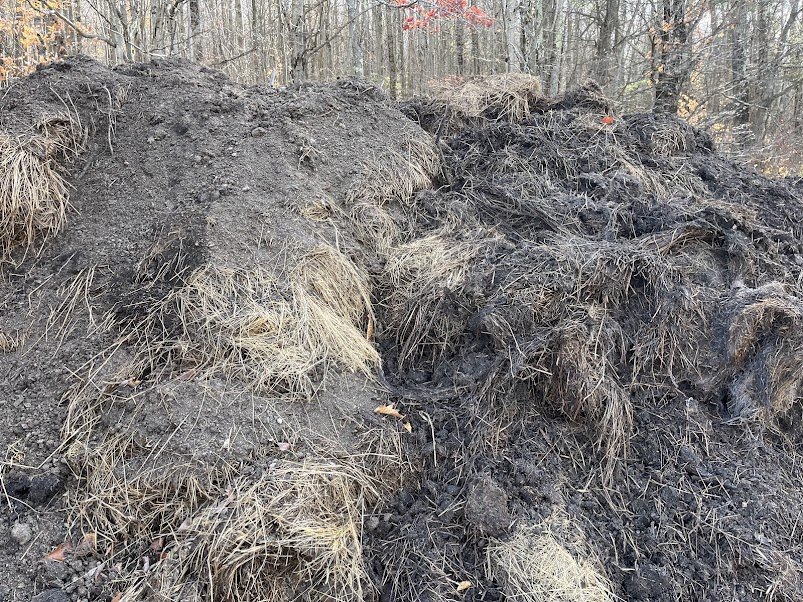
I love all our compost piles
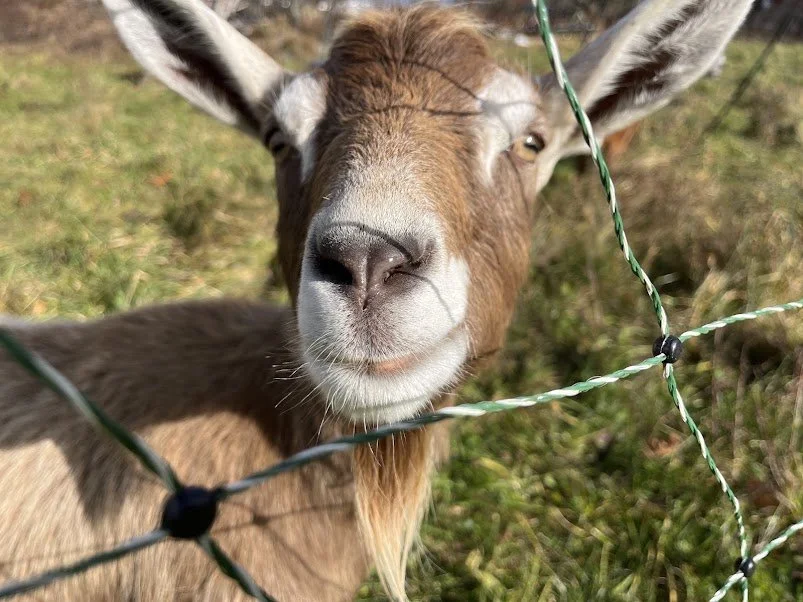
Nina
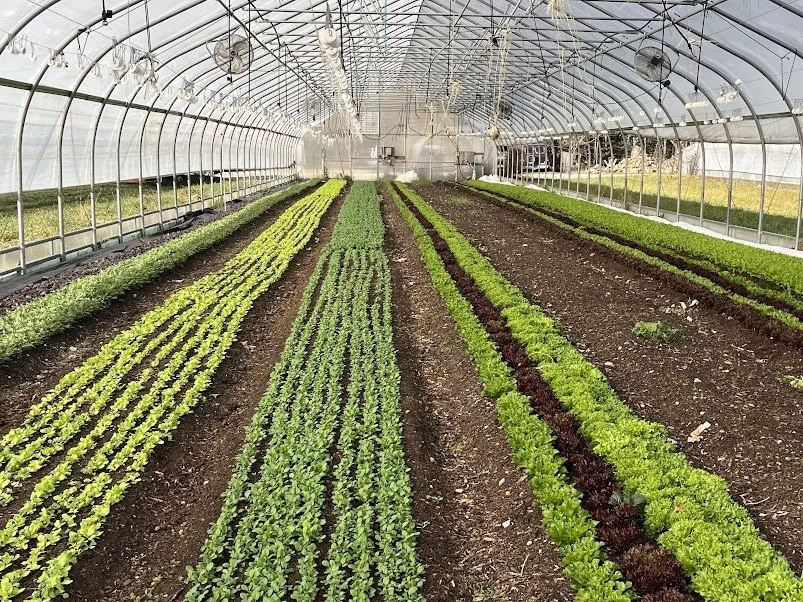
Mesclun mix and lettuce in the BFG
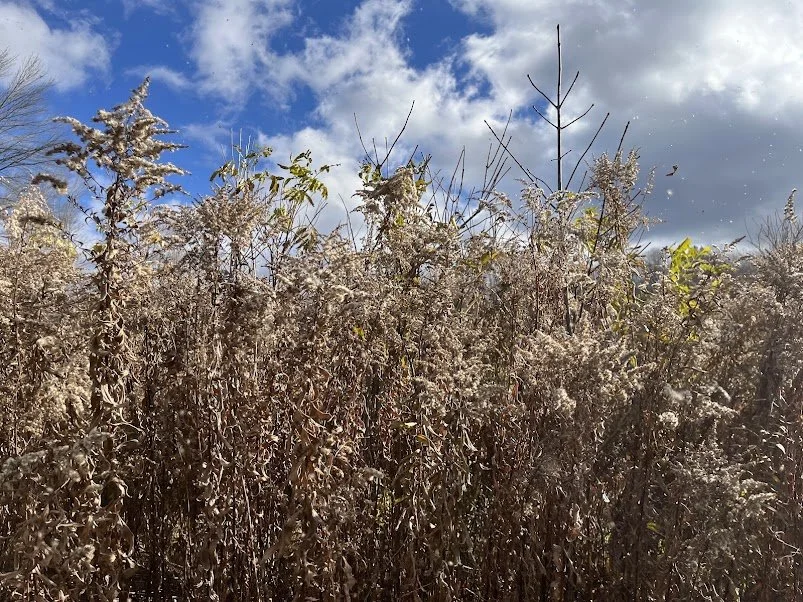
goldenrod tufts
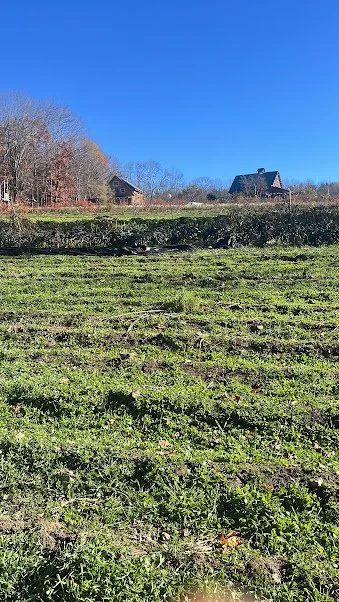
More cover crops in the barn field
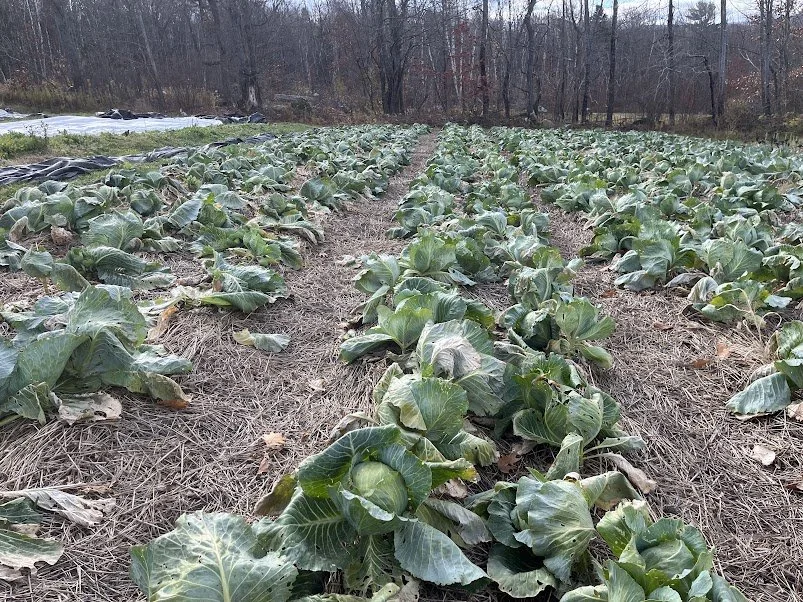
cabbage
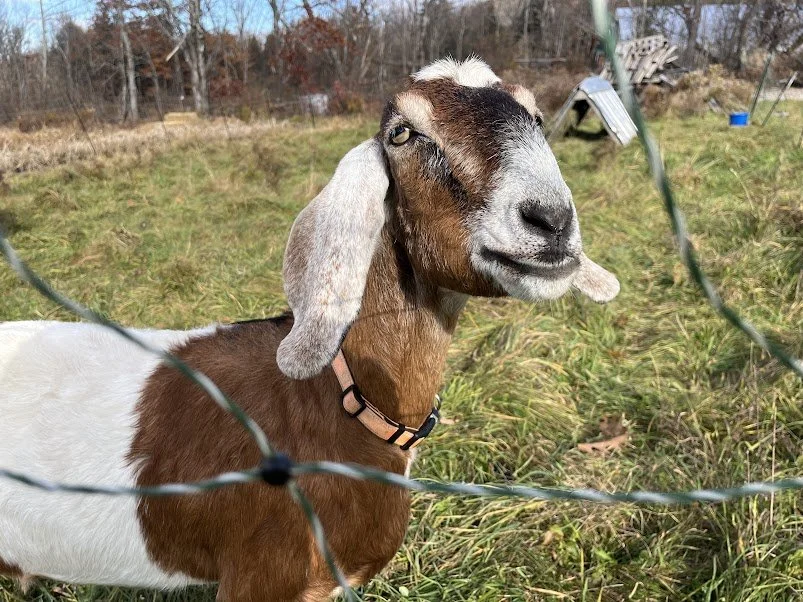
Phoebe