
3rd Week of the Fall CSA season: Week of October 28th
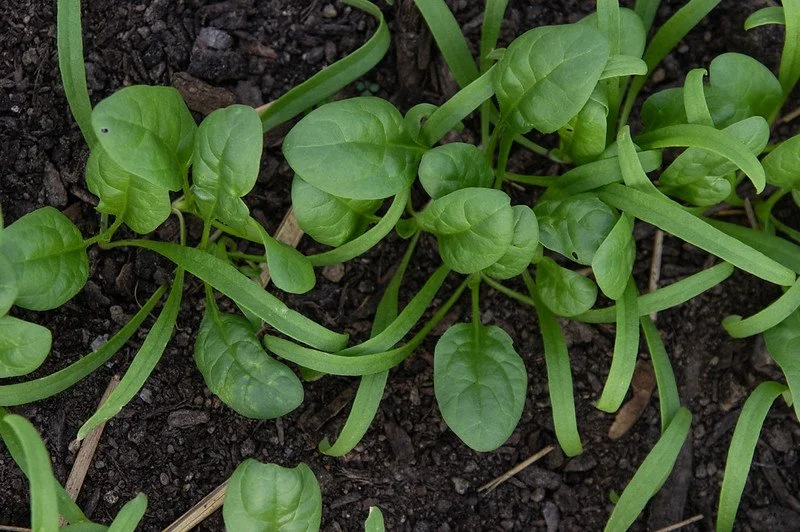
little spinach babies in the tunnel, photo by Adam Ford.
This Week’s Availability
This week we will have:
Greens: baby lettuce, green curly kale bunches, lacinato kale, rainbow chard, green cabbage, giant green cabbage, bok choi, brussels crowns, brussels sprouts, green leaf lettuce, romaine lettuce, spinach
Roots: red potatoes, yellow potatoes, red beets, yellow beets, carrots, baby carrots, parsnips, watermelon radish, mini daikon radish, Gilfeather turnips, rutabaga
Alliums: yellow onions, red onions, sweet onions, fresh garlic bulbs, shallots, leeks
Herbs: sage, parsley, thyme, cilantro
Fruiting crops: shishito peppers, jalapeno peppers, ripening sweet green to red Italian Carmen peppers, aji rico red hot peppers, green Italian peppers, butternut squash, delicata squash
Miscellaneous: fennel
Crop Report
This week the arugula will be outstanding: first cutting from inside the tunnel, tender, gorgeous, delicious. This may be the last week of sweet and hot peppers. Everything else is pretty much the same as the past couple weeks.
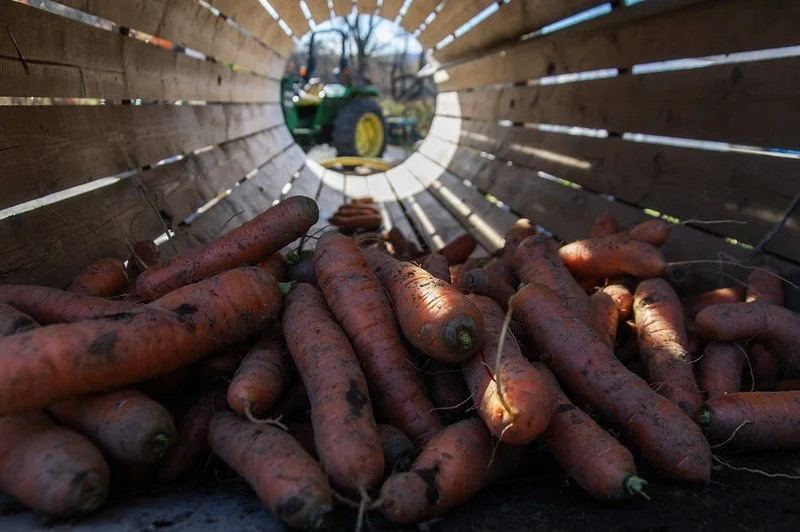
dirty carrots in the root washer, photo by Adam Ford
Farm News
We are chipping away at the bulk harvest of root veggies for winter storage. We also got a jump on cracking garlic seed for planting. Compared to when we started farming, we plant garlic later in the season. Despite the frosty mornings indicating otherwise on any given day, we generally have milder falls overall, and while we want those garlic cloves to set a strong root system before the winter, we do not want them to have enough time to send out an eager green sprout before winter. So we patiently wait to get that in the ground until later this month or early November.
Speaking of garlic, folks often ask us for tips when they plant their own garlic. First of all, I should encourage anyone who is vaguely interested in growing garlic to give it a shot. It’s a crop that you can have relatively good success with some basic understanding of how to grow it. The first important step is to have good seed. Maybe the most important thing about “good seed” is that it is disease-free. It’s also helpful to plant the biggest heads (and cloves) possible. If you are saving your own seed, put aside the biggest heads to plant, and the slightly smaller stuff is your kitchen garlic. The fastest and easiest way to separate the cloves from each other is having a hard surface, holding the head loosely in your head, and slamming the hard neck down on the surface to pop the neck out. Then the cloves are easier to separate. (Check out 0:40 to 0:60 in this youtube video I just found to show what I mean. Walter takes a little too long to get to his point, but you can just skip ahead to those 20 seconds for a good visual.) A well prepared garlic bed would be weed-free to start with and has some compost or organic fertilizer added to it, and then we press the cloves in the soil just far enough so it’s covered, planting each clove 12” apart in each direction from every other clove, with the pointy side up, root plate side down. That spacing is key to giving your garlic a chance to grow nice big heads. If you plant them closer together, they will make smaller heads. Then we mulch them heavily, with about a foot of loose straw that will compress down over winter. (The other important step to remember to do in June is to cut those curly scape tops when they emerge. This forces the energy of the plant into the bulb, and skipping this step will also leave you with small garlic heads.) Garlic is fun to grow, and if you have kiddos, it’s fun to pull them in July.
The greens in the tunnels continue to look good for a later fall CSA harvest, and meanwhile our outdoor leafy greens did well under row covers with the low 20s we got last week, so we have more weeks to be able to harvest from outside before we need to move in for harvesting.
Have a great week,
-ESF Team: Kara, Ryan, Vanessa, Taylor, Katie, Galen, Leah, Natalie, Cindy, Amelia, Morgan, Kim, Kelly, Hannah, and Grandpa Jim the delivery guy (and Sky and Soraya)
This is an oldie but a goodie. I was recently asked what I like doing with rutabaga and gilfeather turnip, and these savory waffles are a favorite.
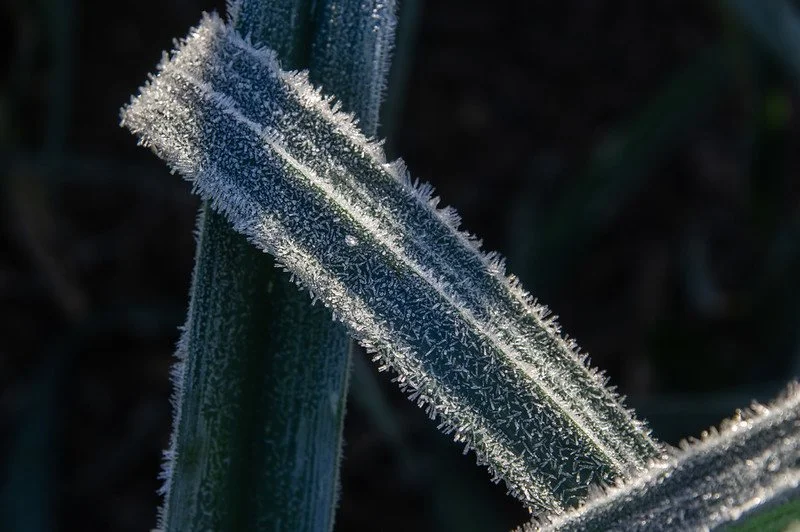
frosty leek leaves, Photo by Adam Ford
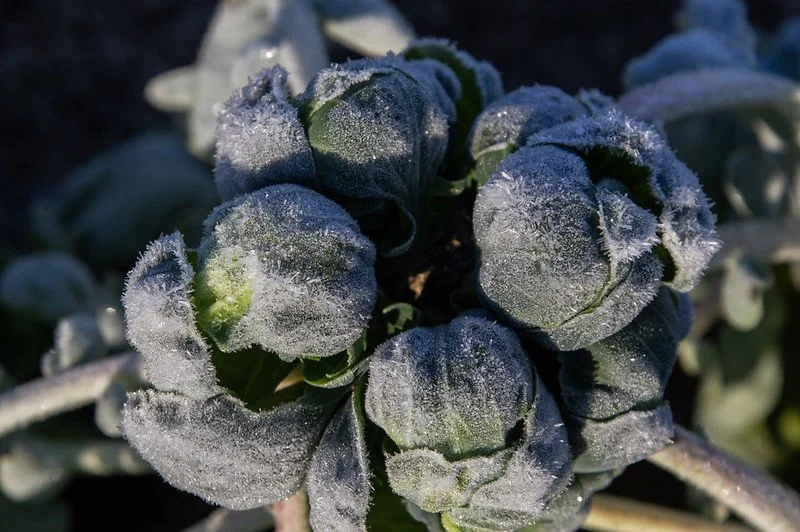
frosty brussels sprouts, photo by Adam Ford
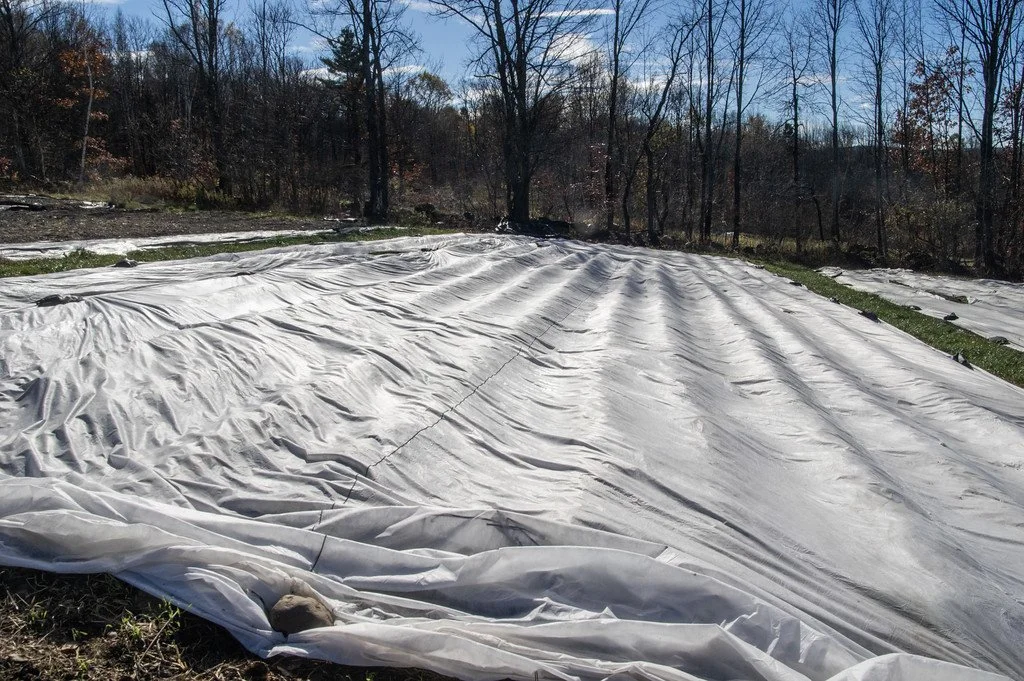
row covers on tender outdoor greens, photo by Adam Ford
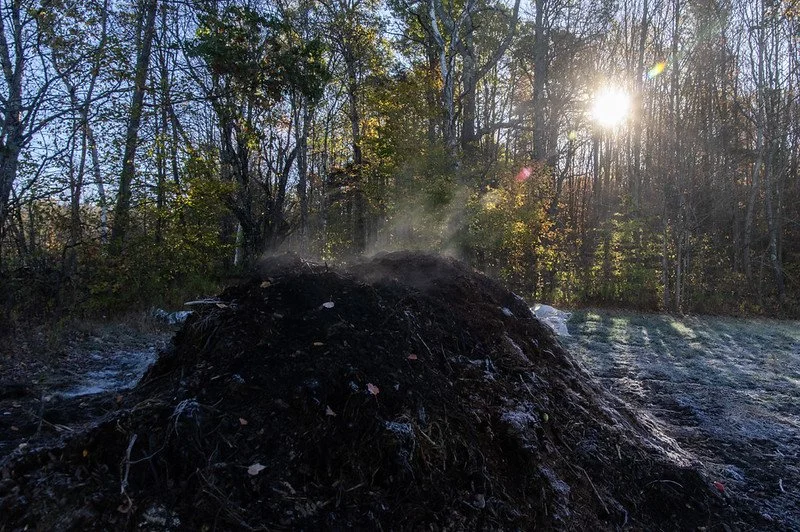
steamy compost on cold mornings, photo by Adam Ford
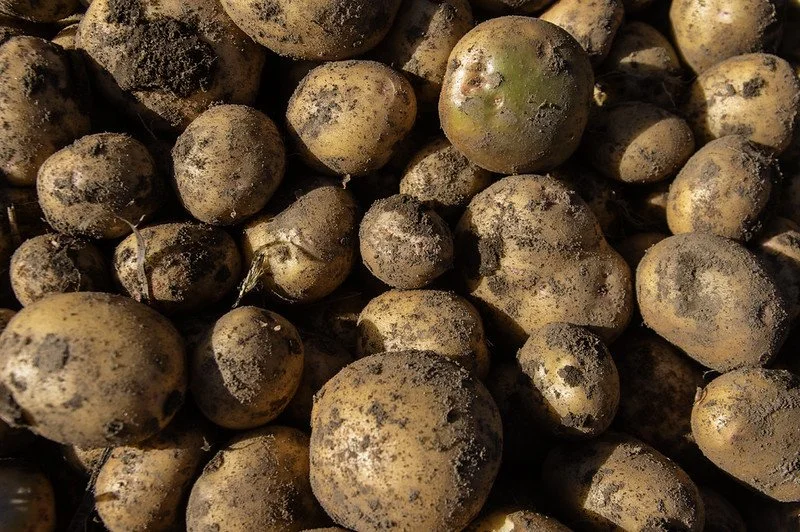
yellow potatoes getting ready to wash, photo by Adam Ford
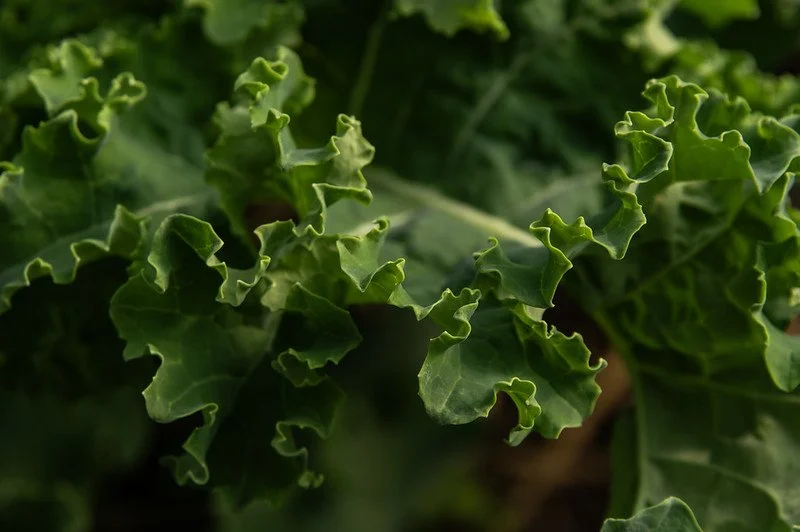
green curly kale, photo by Adam Ford
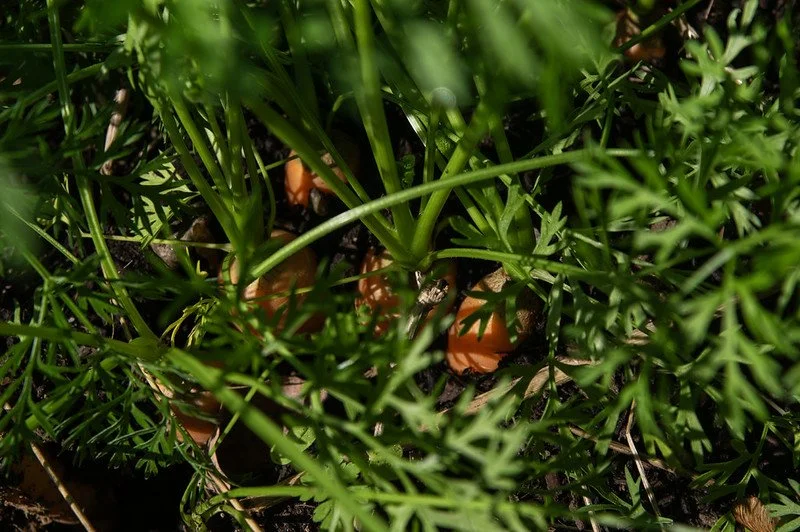
carrots hiding, photo by Adam Ford
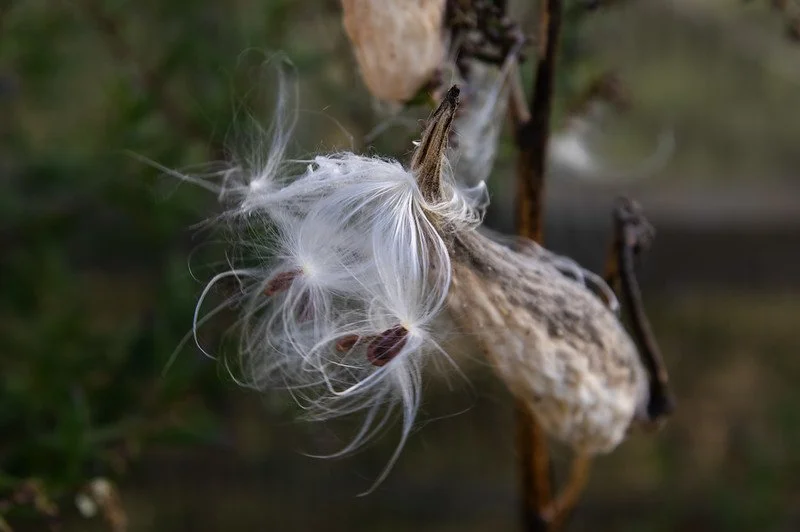
fairy transportation, photo by Adam Ford
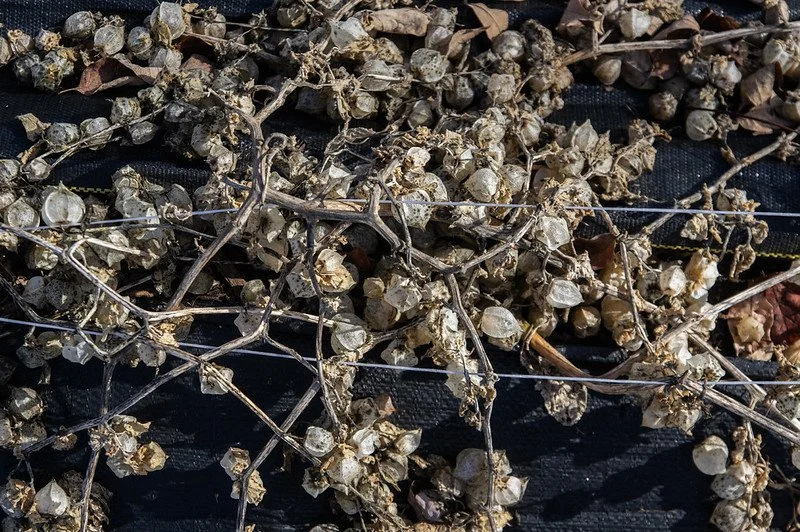
dead husk cherry plants, photo by Adam Ford
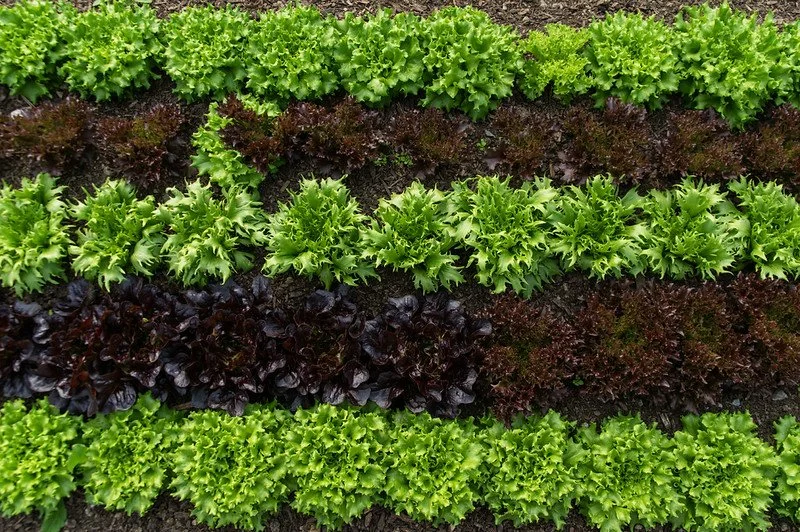
rows of baby lettuce, photo by Adam Ford
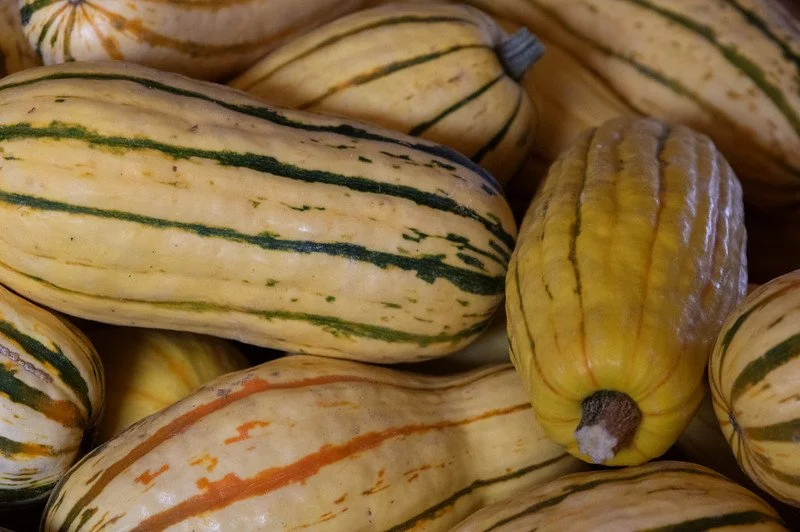
delicata, photo by Adam Ford
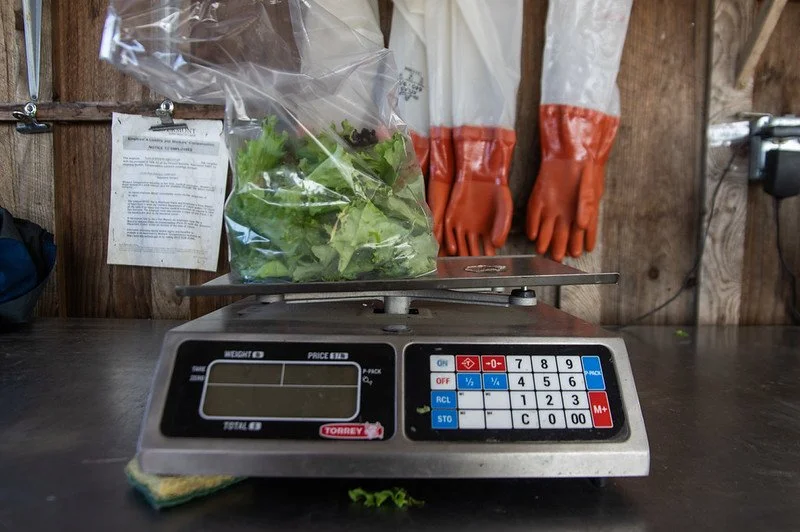
bagging greens, photo by Adam Ford