
19th Week of the Summer CSA Season: Week of September 29th
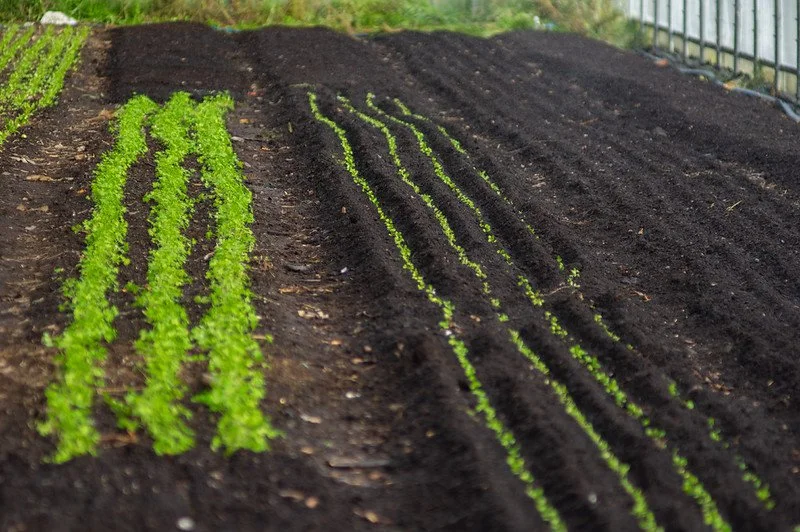
late fall and early winter greens growing in the tunnels, photo by Adam Ford
This Week’s Availability
This week we will have:
Greens: baby lettuce, spinach, green curly kale bunches, lacinato, rainbow chard, pea shoots, arugula, green cabbage, giant green cabbage, bok choi, brussels crowns, brussels sprouts (see crop report below for info on brussels crowns and brussels sprouts this week if you didn’t read it last week)
Roots: red potatoes, yellow potatoes, red beets, yellow beets, carrots, baby carrots
Alliums: scallions, yellow onions, red onions, sweet onions, fresh garlic bulbs, shallots, leeks
Herbs: sage, parsley, thyme, bulk pesto basil
Fruiting crops: heirloom tomatoes, beefsteak tomatoes, cherry tomatoes, roma tomatoes, tomatillos, shishito peppers, jalapeno peppers, poblano peppers, sweeet red Italian Carmen peppers, aji rico red hot peppers, green Italian peppers, husk cherries
Miscellaneous: rhubarb, fennel
Crop Report
Brussels crowns are available this week! If these are new to you they can be used like a cooking green. They are the top of a brussels sprout plant that we remove this time of year so the brussels get larger. They taste like brussels sprouts, but are used like kale or collard greens. Our favorite way to eat them is sauteed with garlic and olive oil. Heads up: They have been double washed, but this year’s aphid pressure on the bruseels sprout crop is one of the worst years, so you will very likely still find some aphids on the greens as you chop them up, and will want to wash them again if the extra protein of aphids in your food is not what you are going for. (We don’t mind some aphids in our meals, but we understand that’s not what everyone wants.) If you do not want to deal with cleaning off aphids, don’t get the brussels crowns this year. We chose to harvest them and make them available despite the aphids because they are popular, and we think the folks who love them would prefer still having them with some extra washing off work, versus not having them at all this year. We will also start having brussels sprouts available this week: We usually let them get bigger, but we expect the aphids to start moving down the plants and getting into the brussels sprouts themselves in the coming weeks, so we are harvesting the sprouts smaller than usual in hopes of getting some nice (but small) brussles before the aphids ruin them. We will likely send them out on the stalk, so if you have a dog in your life, after you remove the bruseels sprouts, our dogs used to love the empty stalk as a chew toy! We still have a lot of items in bulk if you do any canning, freezing, drying, fermenting, or other preserving: heirloom tomatoes, cherry tomatoes, roma tomatoes, seconds tomatoes, jalapeno peppers, red Carmen peppers, green carmen peppers, shishitos peppers and processing basil are all available to order. (We blister the shishitos in olive oil and salt, then lay them on a baking sheet to freeze them, then transfer them to freezer bags once they are frozen. They are a really lovely treat in the winter to add to many meals.) The giant green cabbage is legitamately giant, averaging about 8 pounds per head. Do not be alarmed, cabbage keeps for months in the fridge even if you only use a portion of it now and then for a recipe. If you are into hot peppers, try out the aji rico red hot pepper…it is hot but not intense, and has a lovely flavor.
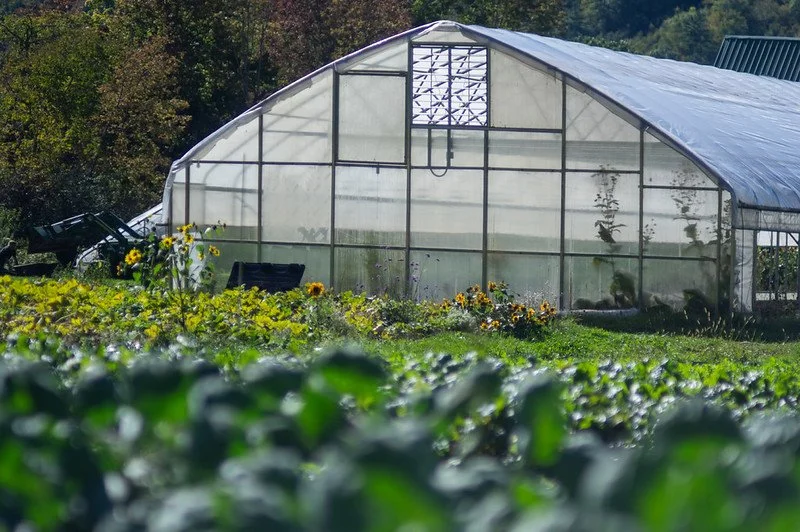
above the tunnels, photo by Adam Ford
Farm News
Wow, so many of you loved my ramblings on scrappy veggie use last week! Somone asked where some of my cooking strategies came from, and I suppose I can point to four specific influences that contributed to my more creative uses of food:
In college, I did a semester at sea program where we would be on the ocean for extended periods of time and just have access to whatever was successfully hanging on in galley storage during the long stretches.. Every student had to spend 3 days helping with meals, and I seemed to get days that landed far from our land re-supply, and it really made me think out of the conventional box.
The second creative influence was a housemate I lived with my junior year of college, who was just not afraid of going completely wild in the kitchen and break many conventional assumptions of how to use ingredients or what could successfully be cooked with what. He basically broke down the ingrained expectations I understood about how to cook and set my cooking brain free.
The crunchiest and longest influence was my time being in charge of a weekly community meal when we lived in Hardwick eons ago. Once a week, the community came together and made a free meal for whoever wanted to join. (I especially appreciated the format because it provided folks who needed a meal a non-stigmatized space to eat and gather since anyone was welcome, even if folks had the means to feed themselves. It brought many parts of the community together over a meal every week.) I helped the facilitator for a few months, but when he went abroad for an extended period of time, he put me in charge of the weekly event. I had to create a soup, salad, hot main dish, and dessert for 125 people. In addition to a weekly $40 budget, I had all the raw cow milk, potatoes, and beets from the farm I lived on, access to the “farmer” section of the walk-in cooler of a local veggie farm, and some products at the local co-op that couldn’t be sold because they were past their “best by” date. I would get moving early, hauling gallons of milk and bags of roots from home, stop by Riverside Farm and see what seconds veggies they had to use from their “farmer” section, collect all the un-sellable products from the co-op, and then look at that haul to craft that soup, salad, main dish, and dessert, and then use that $40 to buy whatever ingredients I needed to tie it all together. It made me wildly creative to have to concoct a 4-course meal with random free food and $0.32 per person!
The fourth main influence would have to be growing up with my mom’s meals. All the creativity in the world would be useless unless the food actually tastes good. I was lucky to grow up in a house with nightly homemade sit down family meals that were delicious, and although I didn’t do much cooking alongside my mom at a young age, remembering her flavors and meals as I started cooking as a young adult certainly made an impact on my own kitchen projects.
This week on the farm we nearly finished all the tunnel transitions, with almost all the beds composted and either seeded or transplanted to winter greens. We got the first nips of patchy frost and tucked in the outdoor peppers to try to extend their fruiting for a little longer. The team continued working away at snipping and storing all the curing alliums in the prop house, and then we got a jump on starting some of our bulk storage harvests. We will start harvesting the winter squash, though some varieties need to cure a bit before we start sending them out.
Have a great week,
-ESF Team: Kara, Ryan, Vanessa, Taylor, Katie, Galen, Leah, Natalie, Cindy, Amelia, Morgan, Hannah, and Grandpa Jim the delivery guy (and Sky and Soraya)
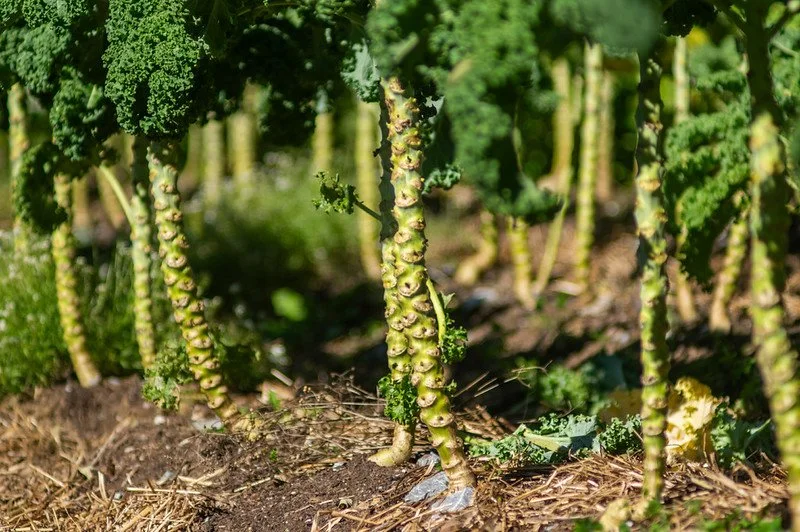
green curly kale, each of those little nubbins on the stalk represent a kale leaf we harvested earlier in the season, Photo by Adam Ford
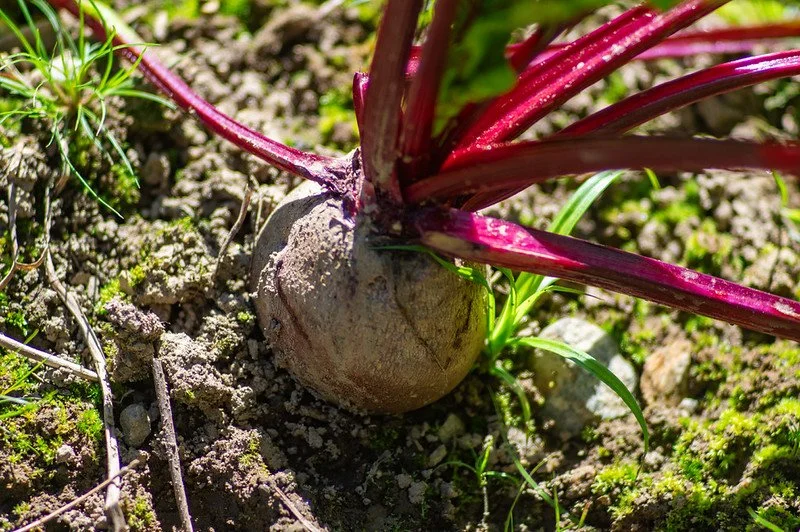
lonely red beet waiting to be harvested, related to chard, beets were bred for their root, while chard was bred for its stems, photo by Adam Ford
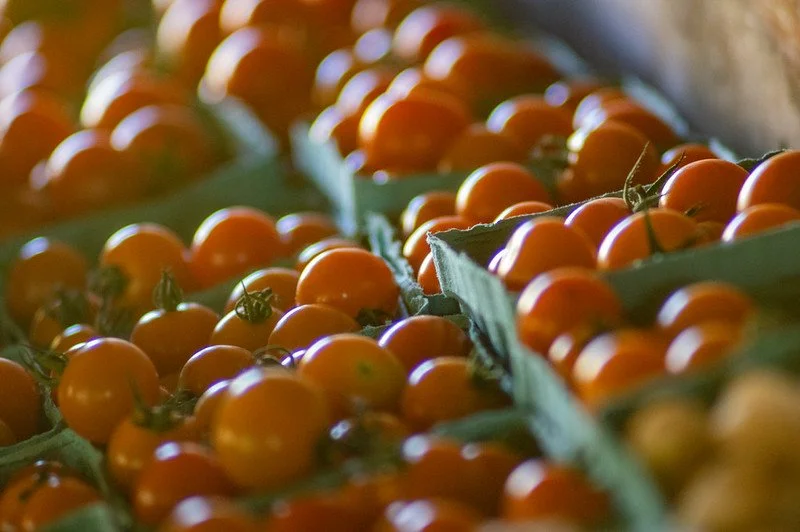
sungolds, photo by Adam Ford
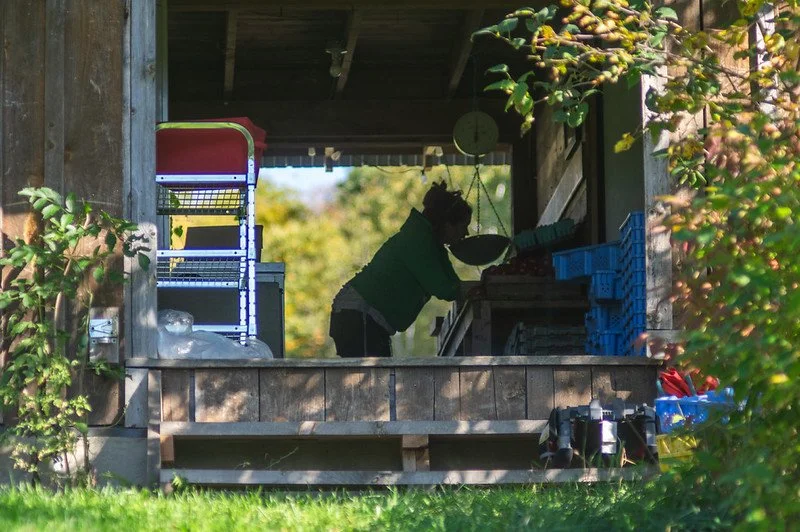
me stocking tomato display, photo by Adam Ford
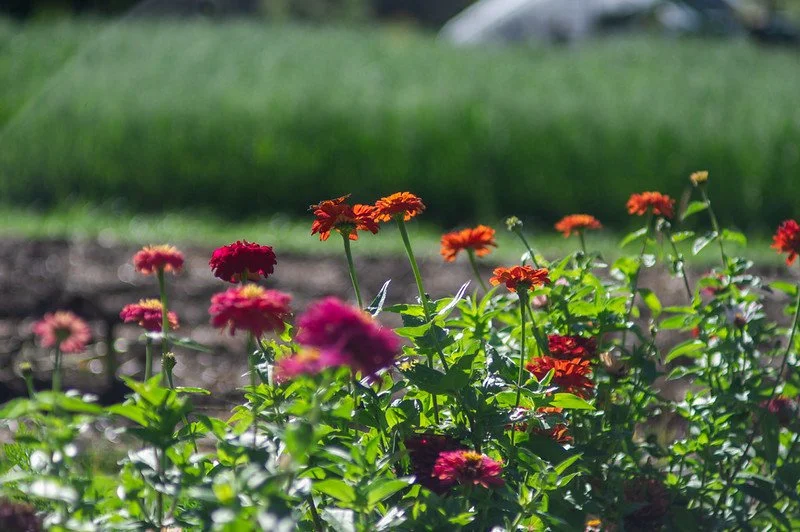
zinnias in the pick your own flower garden, photo by Adam Ford
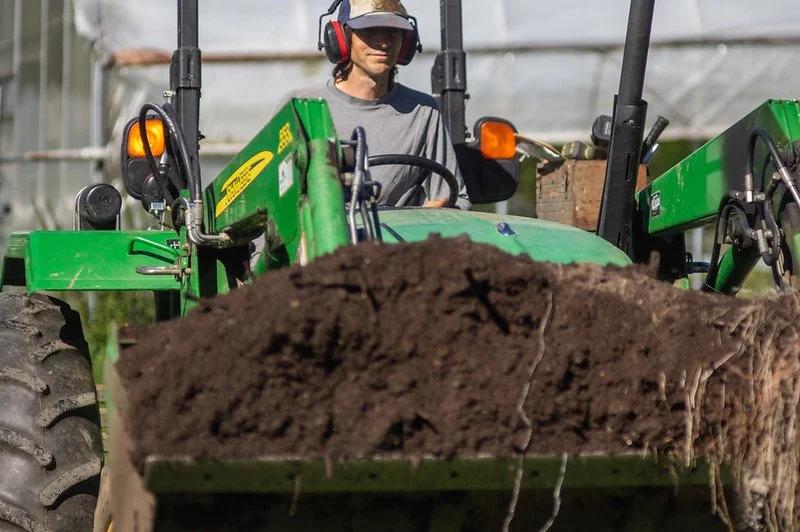
Ryan moving compost with the tractor, photo by Adam Ford
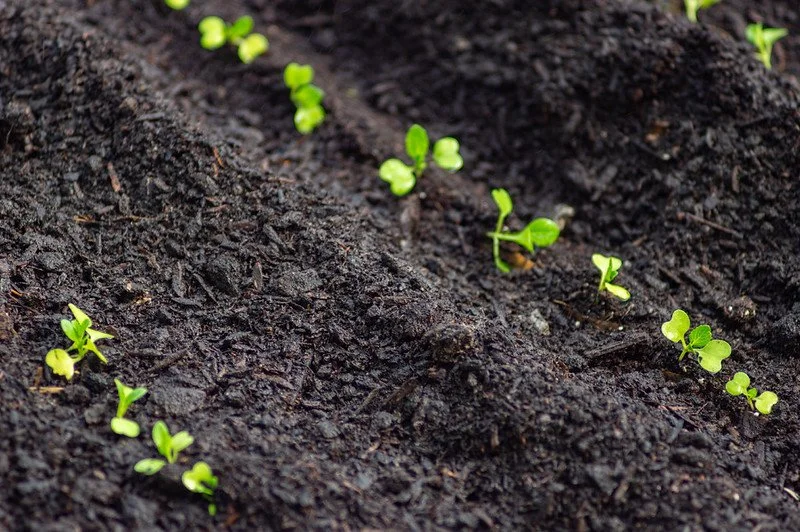
little baby bok choi, photo by Adam Ford
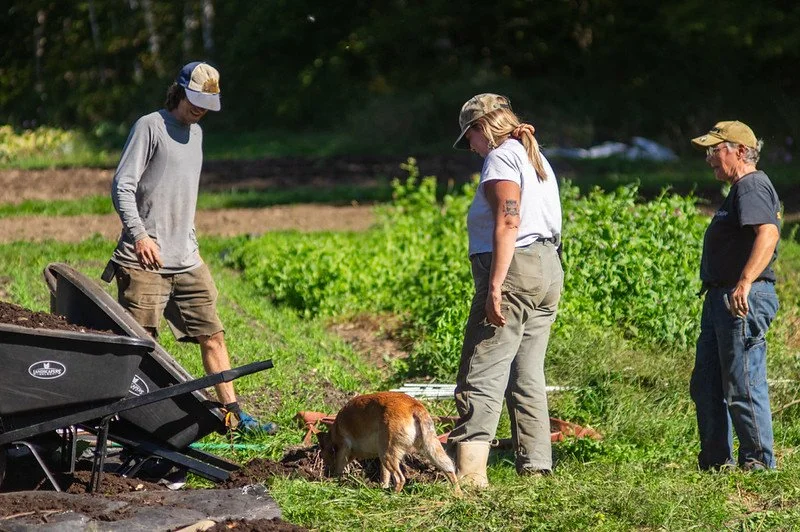
Ryan, Morgan, and Cindy watching Clem hunt for something, photo by Adam Ford
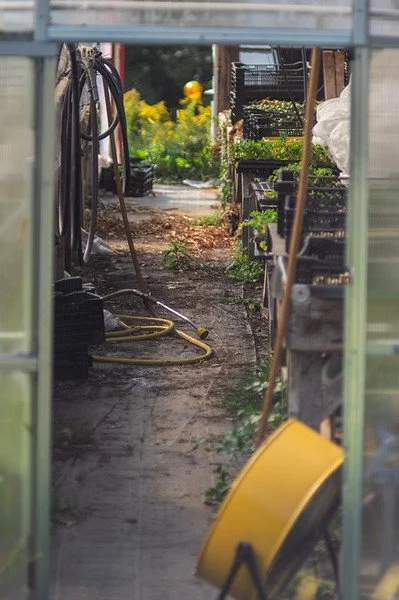
peaking into the prop house, photo by Adam Ford
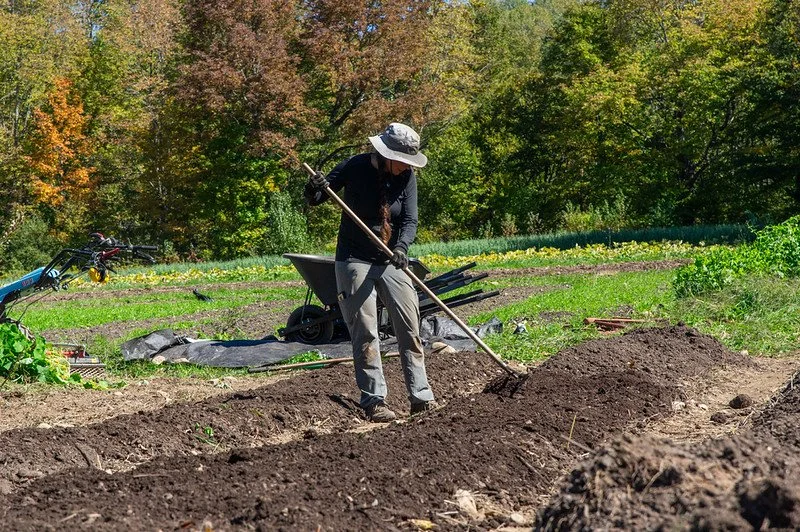
Natalie raking out some compost on a bed, photo by Adam Ford
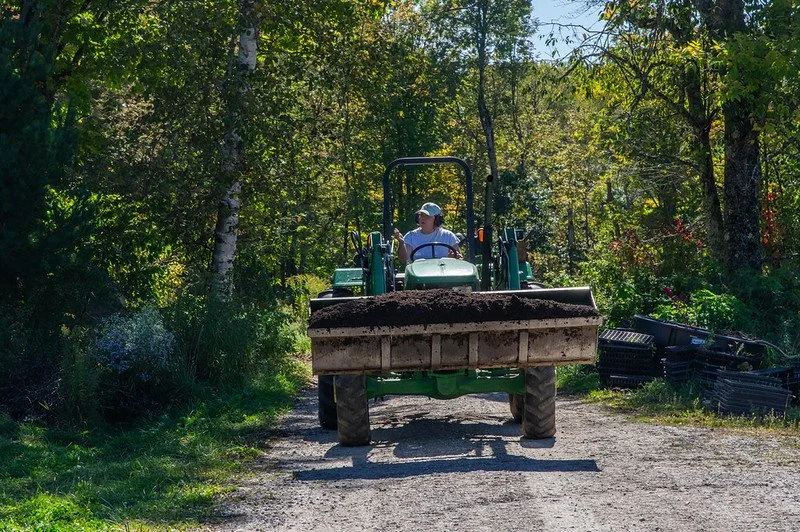
Morgani with a compost loag, photo by Adam Ford
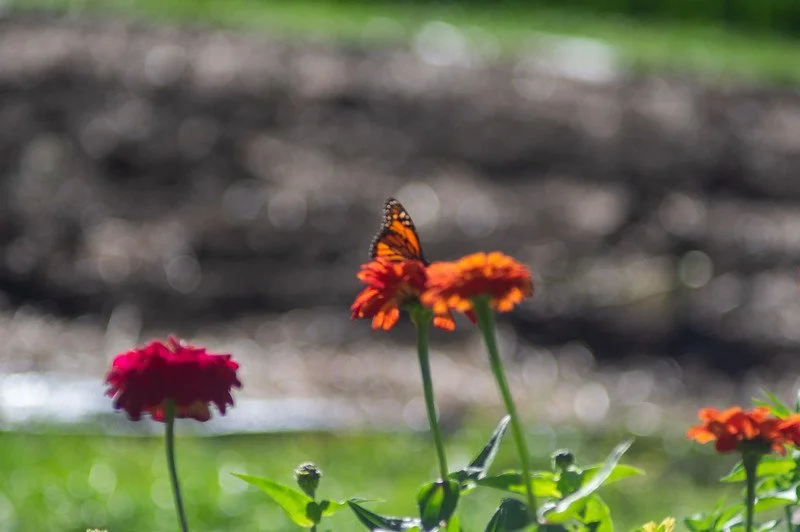
we saw so many monarchs this year as caterpillars, chrysallises, and butterflies, photo by Adam Ford
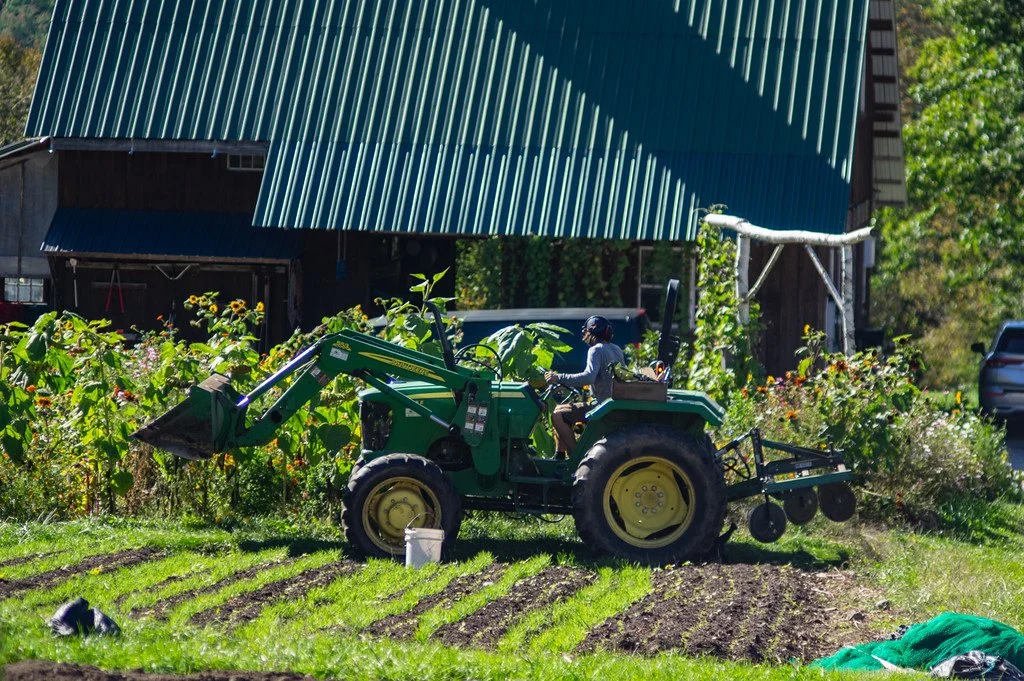
Ryan going back for more compost, photo by Adam Ford
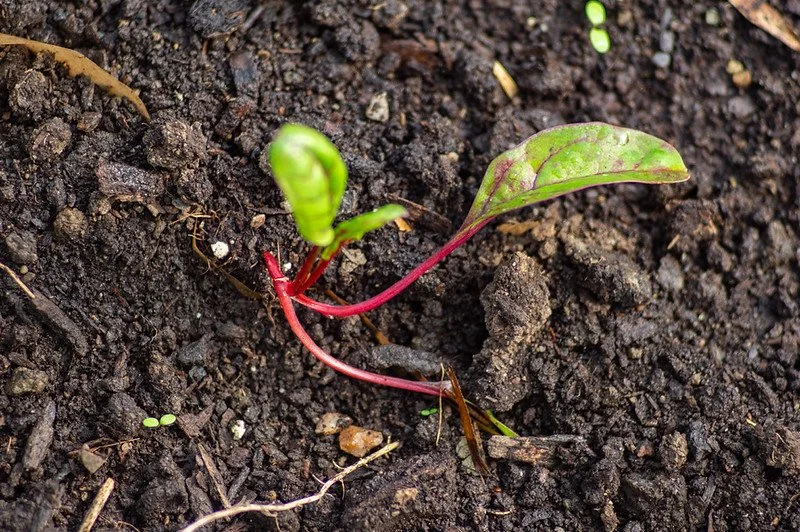
little baby chard, photo by Adam Ford
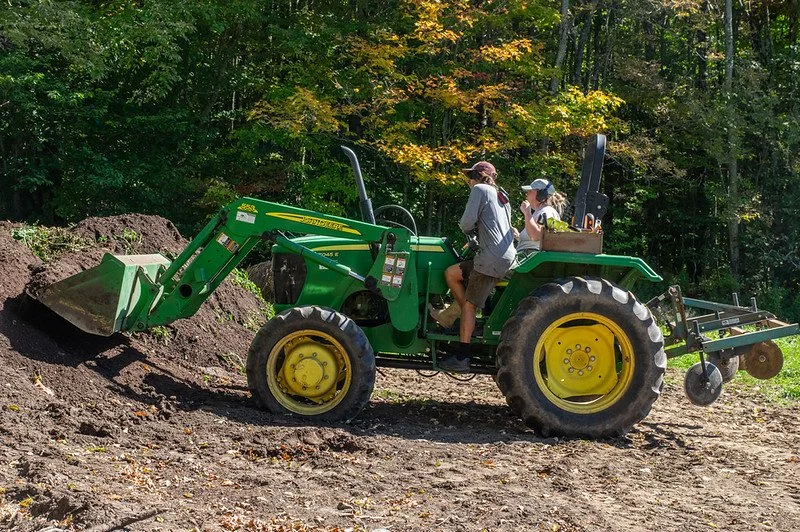
Ryan teaching Morgan how to load comost with the bucket, photo by Adam Ford
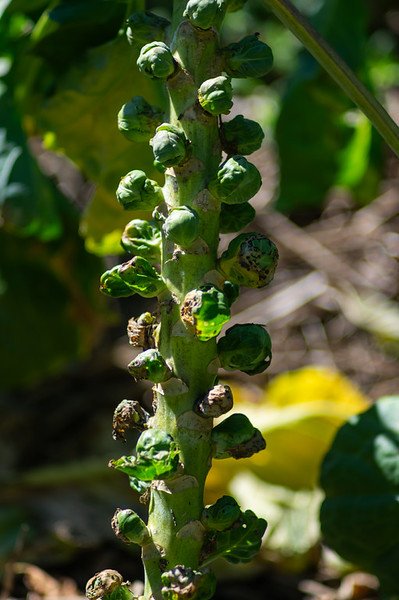
brussels sprouts, photo by Adam Ford
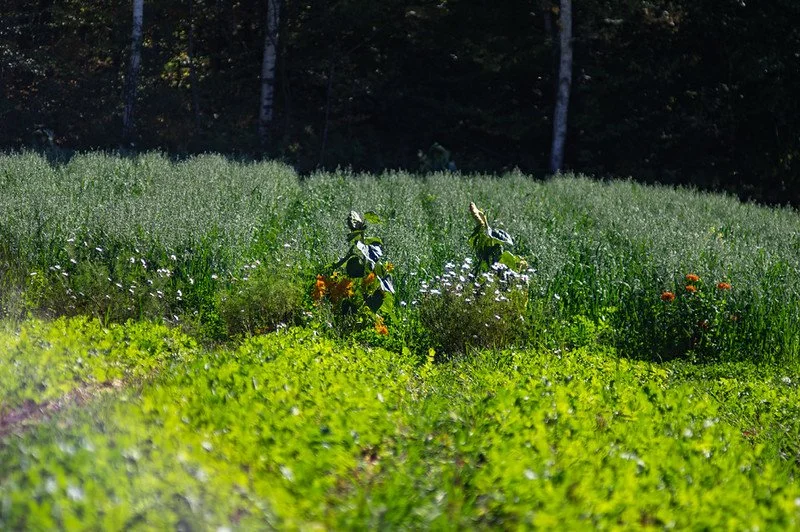
fields of cover crops established so beautifully for winter, photo by Adam Ford
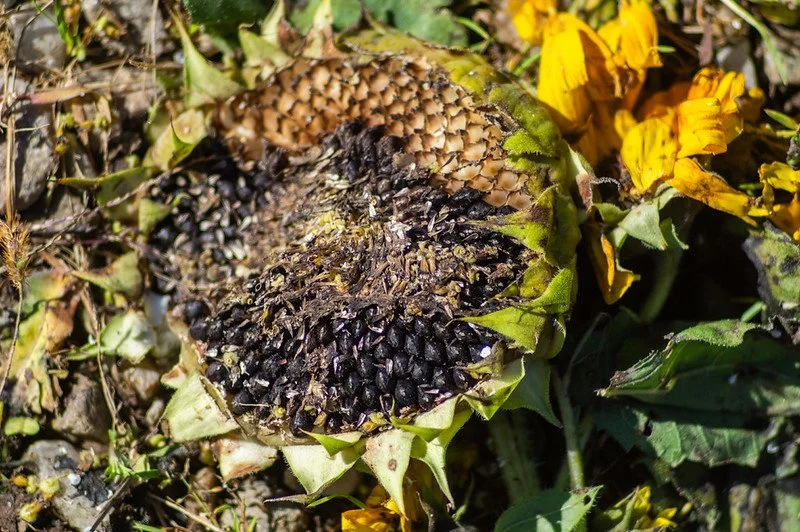
bird food, photo by Adam Ford
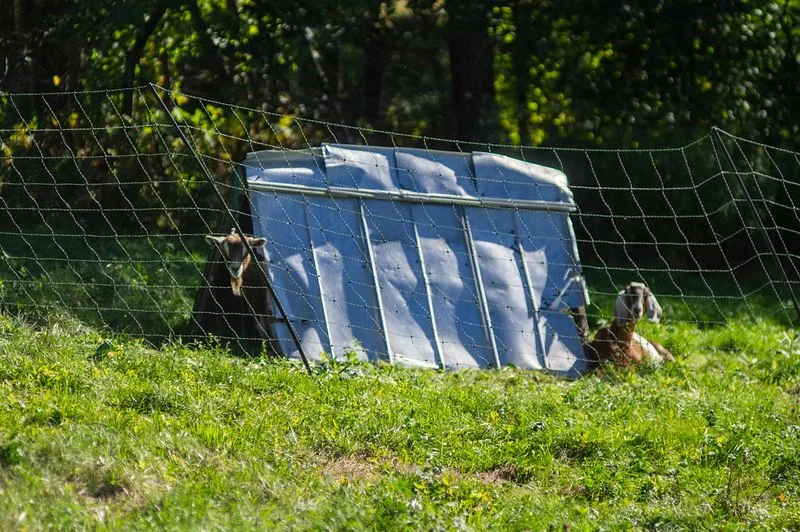
Nina and Phoebe, photo by Adam Ford