
18th Week of the Summer CSA Season: Week of September 22nd
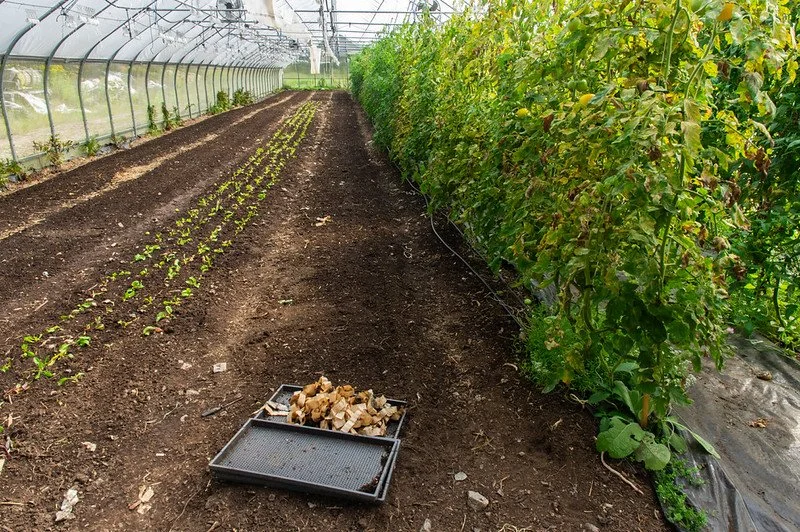
transitioning the tunnels from tomatoes to winter greens, photo by Adam Ford
This Week’s Availability
This week we will have:
Greens: baby lettuce, spinach, green curly kale bunches, lacinato, rainbow chard, pea shoots, arugula, green cabbage, giant green cabbage, bok choi, brussels crowns, brussels sprouts (see crop report below for info on brussel crowns and brussels sprouts this week)
Roots: red potatoes, yellow potatoes, red beets, yellow beets, carrots, baby carrots
Alliums: scallions, yellow onions, red onions, sweet onions, fresh garlic bulbs, shallots, leeks
Herbs: sage, parsley, thyme, bulk pesto basil
Fruiting crops: heirloom tomatoes, beefsteak tomatoes, cherry tomatoes, roma tomatoes, tomatillos, shishito peppers, jalapeno peppers, poblano peppers, sweeet red Italian Carmen peppers, aji rico red hot peppers, green Italian peppers, husk cherries, Italian eggplant
Miscellaneous: rhubarb, celery, fennel
Crop Report
Brussels crowns are available this week! If these are new to you they can be used like a cooking green. They are the top of a brussels sprout plant that we remove this time of year so the brussels get larger. They taste like brussels sprouts, but are used like kale or collard greens. Our favorite way to eat them is sauteed with garlic and olive oil. Heads up: They have been double washed, but this year’s aphid pressure on the bruseels sprout crop is one of the worst years, so you will very likely still find some aphids on the greens as you chop them up, and will want to wash them again if the extra protein of aphids in your food is not what you are going for. (We don’t mind some aphids in our meals, but we understand that’s not what everyone wants.) If you do not want to deal with cleaning off aphids, don’t get the brussels crowns this year. We chose to harvest them and make them available despite the aphids because they are popular, and we think the folks who love them would prefer still having them with some extra washing off work, versus not having them at all this year. We will also start having brussels sprouts available this week: We usually let them get bigger, but we expect the aphids to start moving down the plants and getting into the brussels sprouts themselves in the coming weeks, so we are harvesting the sprouts smaller than usual in hopes of getting some nice (but small) brussles before the aphids ruin them. We will likely send them out on the stalk, so if you have a dog in your life, after you remove the bruseels sprouts, our dogs used to love the empty stalk as a chew toy! We still have a lot of items in bulk if you do any canning, freezing, drying, fermenting, or other preserving: heirloom tomatoes, cherry tomatoes, roma tomatoes, seconds tomatoes, jalapeno peppers, red Carmen peppers, green carmen peppers, shishitos peppers and processing basil are all available to order. (We blister the shishitos in olive oil and salt, then lay them on a baking sheet to freeze them, then transfer them to freezer bags once they are frozen. They are a really lovely treat in the winter to add to many meals.) The giant green cabbage is legitamately giant, averaging about 8 pounds per head. Do not be alarmed, cabbage keeps for months in the fridge even if you only use a portion of it now and then for a recipe. If you are into hot peppers, try out the aji rico red hot pepper…it is hot but not intense, and has a lovely flavor.
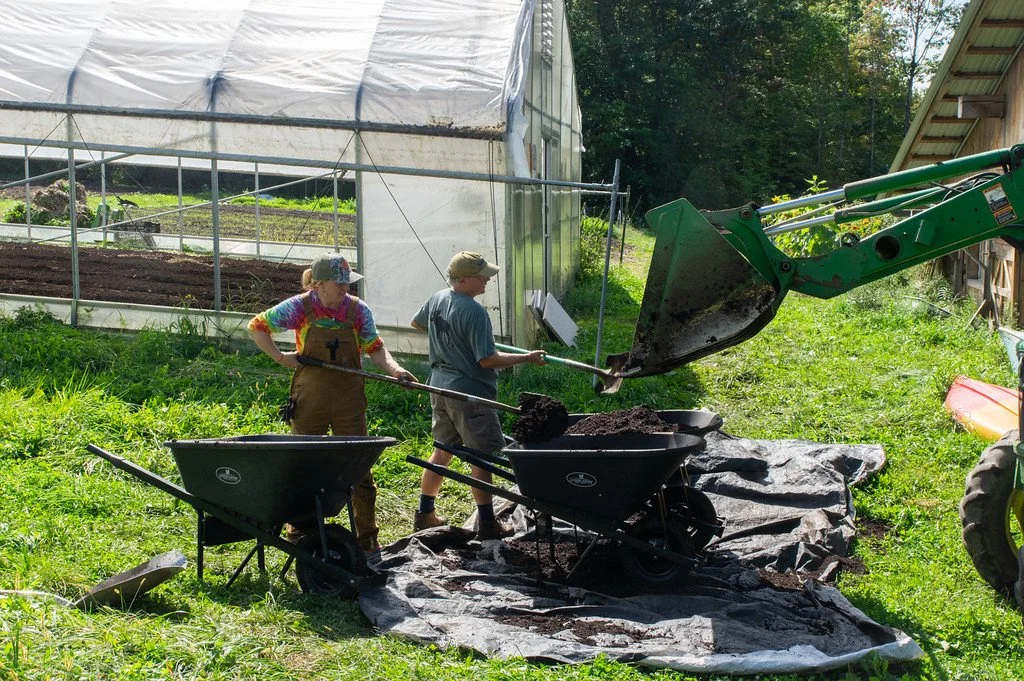
Kim and Cindy moving compost onto to tunnel beds, photo by Adam Ford
Farm News
I wanted to use this week’s newsletter to babble a little bit about how I use some of our veggies. I do this every now and then on here, so this isn’t new information for some of you. I joke (but not really joke?) that I carry generational trauma from the Irish potato famine, and that is what informs my inability to waste any available food, so I tend to get pretty creative in the kitchen with all parts of a vegetable, and espeically the “farmer” items that aren’t good enough to send out. Here are some fun things that go on in here:
I carmelize many things that then get added into lots of recipes. Chard stems are an excellent fiber source, and if I am cooking with chard, and want mostly just the greens, I keep the stems aside and carmelize them along with onions for any meal that I want some onions for. This week I made a delicious veggie soup, made with stock I made from boiling corn cobs from sweet corn that we had for dinner. I started the soup by carmelizing onions, garlic, chard stems, cabbage, and fennel in olive oil. Then I added the corn cob stock, cubed potatoes, and ribbons of chard greens. I let this simmer until the potatoes were cooked, added salt and pepper and some fresh choppde parsley, and the veggies all spoke for themselves, it was delicious. The carmelizing of random vegetables also works great for anything that then gets tossed with pasta, salt and pepper, fresh basil, a lemon wedge, and grated parmesan cheese for a simple and delicious pasta primavera. I have put things in that carmelized medley that are maybe less common with pasta: kohlrabi, yellow beets, rutabaga, etc… Anything that cooks long enough in olive oil and salt can be added to any recipe.
I blend up flavorful veggies and mix it with ground beef for a veggie-heavy meat loaf: This week I roasted some farmer quality poblanos and red carmens, and the put those roasted peppers in my food processor with a leek, a fennel bulb, garlic, and beet greens. The veggie puree ended up being about 60% of the meatloaf, with the ground beef and egg making up the rest of it. I add a teeny tiny splash of maple syrup, salt and pepper, and some berbere to that meatloaf, and it was a hit. This same trick of pureeing aromatic veggies works fine in a quiche or omelette as well.
Anything I have too much of in my fridge I chop into thin strips, toss with olive oil and salt, and bake on the air fry setting in my toaster oven, and most things tend to be coveted snacks by my kiddos… Air fried beets? Yes. Air fried kale? For sure. Air fried shishitos? One kid said it was the best food he ever had. (Don’t have an air fryer setting? Just bake things on the top rack around 350-ish and flip them regularly until things start to crisp up.)
In years that the eggplant produces well, hopefully we sort them well enough to avoid this in your fridge, but if you ever have some eggplant in your fridge that has started to have brown spots, I peel those, cut those in ¼ inch thick strips, soak in a marindae of olive oil, red wine vinegar, salt, pepper, garlic, and the tiniest impercetable amount of maple syrup, and then I roast those strips and add them to pizza or sandwhiches. You would never know the eggplant had started to brown after the marinade and roast.
That’s probably enough of my scrappy culinary ramblings for this week, though I like to imagine all of your scrappy tricks in your kitchens. I bet between all 300 of us, there are some really creative ways of using everything from our gardens out there.
This week on the farm we hope to finish the tunnel transitions and get all the rest of the winter greens established so they get grow on time for us to harvest them at the end of the fall CSA season. Ryan keeps getting fields cover cropped before winter. As soon as we get all those tasks caught up on, we turn our attention to starting the bulk fall harvests of storage crops that we distribute during the fall and spring CSA seasons. Fingers crossed we get to do that before most of the days are those damp, bitter fall days where the wind moves through your body during hours of field harvest on dew covered storage veggies… Our hands don’t enjoy those days!
Have a great week,
-ESF Team: Kara, Ryan, Vanessa, Taylor, Katie, Galen, Leah, Natalie, Cindy, Amelia, Morgan, Hannah, and Grandpa Jim the delivery guy (and Sky and Soraya)
I have not tried this recipe yet, but I am eager to this week. It sounds delicious.
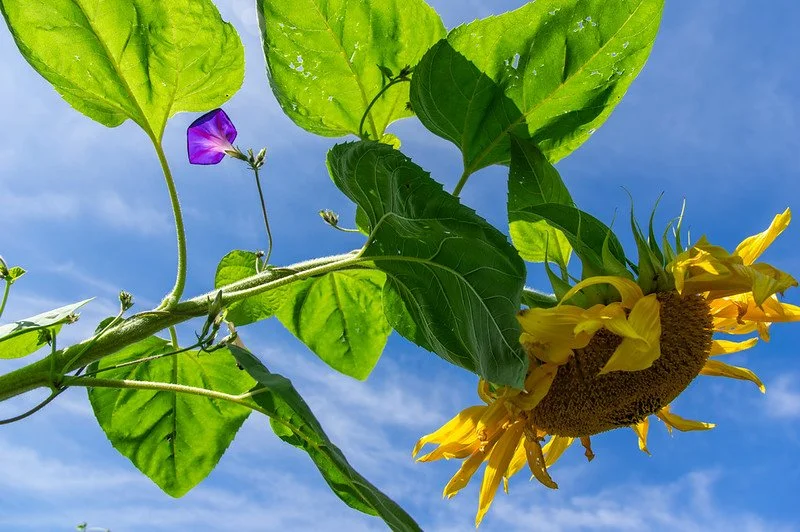
morning gloty on the sunflower, Photo by Adam Ford

sunflowers, photo by Adam Ford
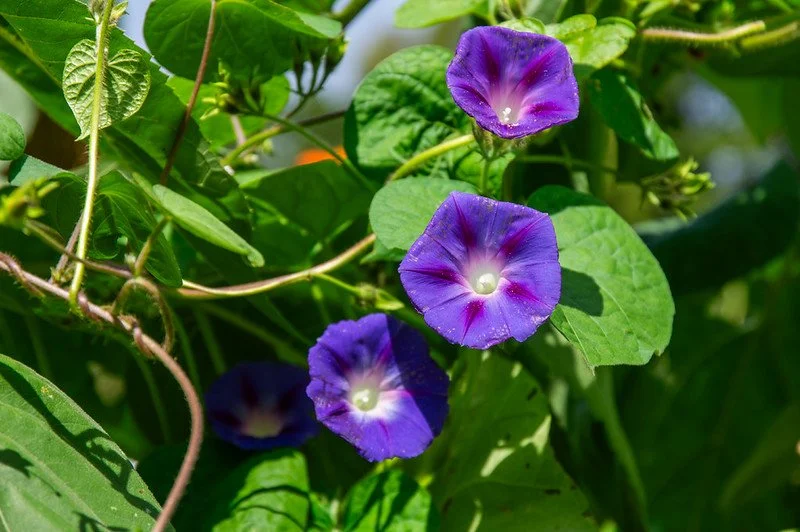
morning glories, photo by Adam Ford
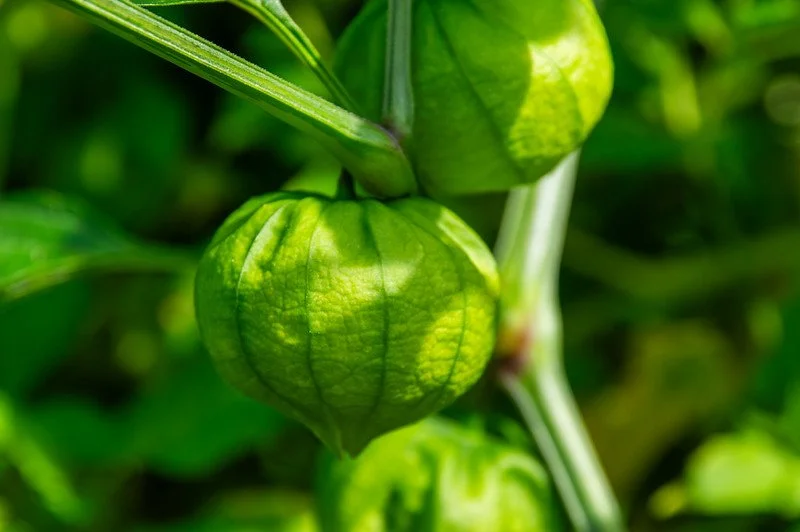
tomatillos, photo by Adam Ford
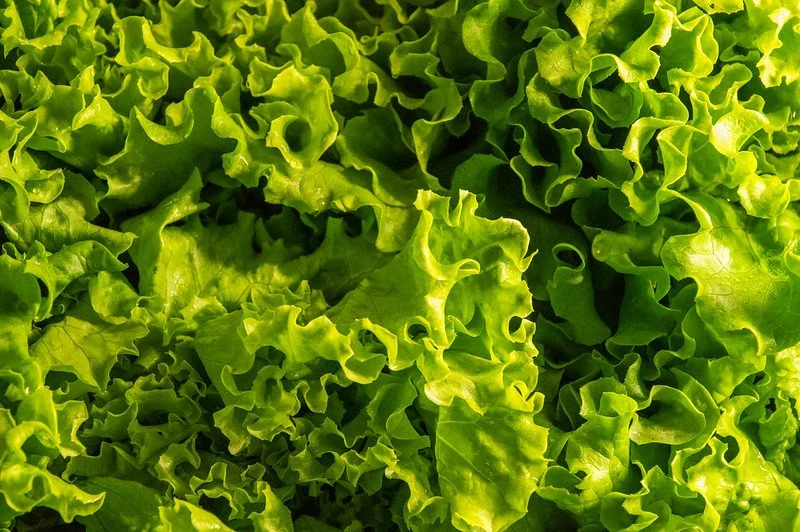
lettuce, photo by Adam Ford
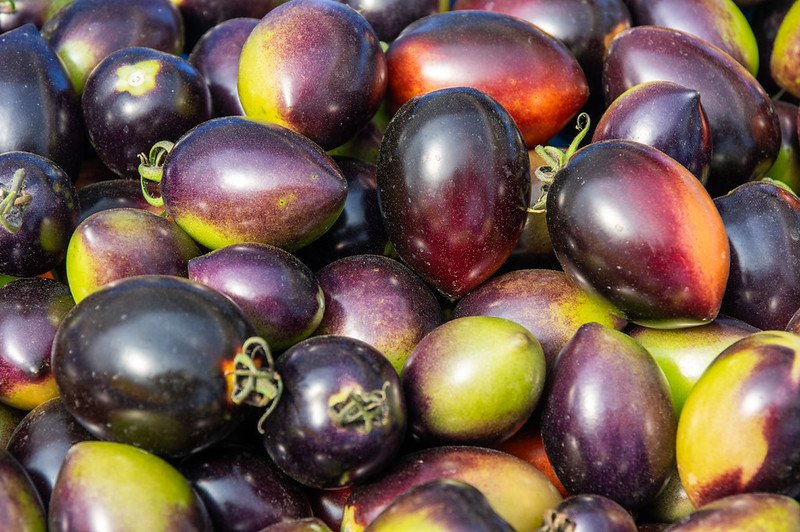
ripening midnight romas, photo by Adam Ford
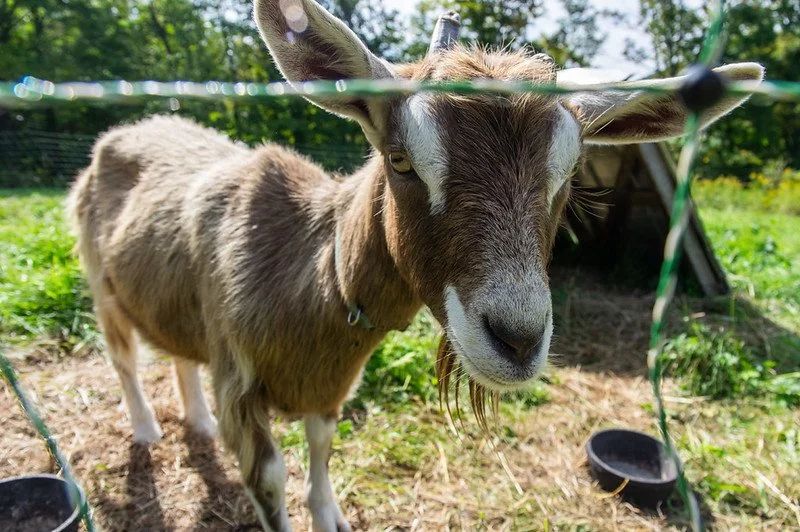
Nina, photo by Adam Ford
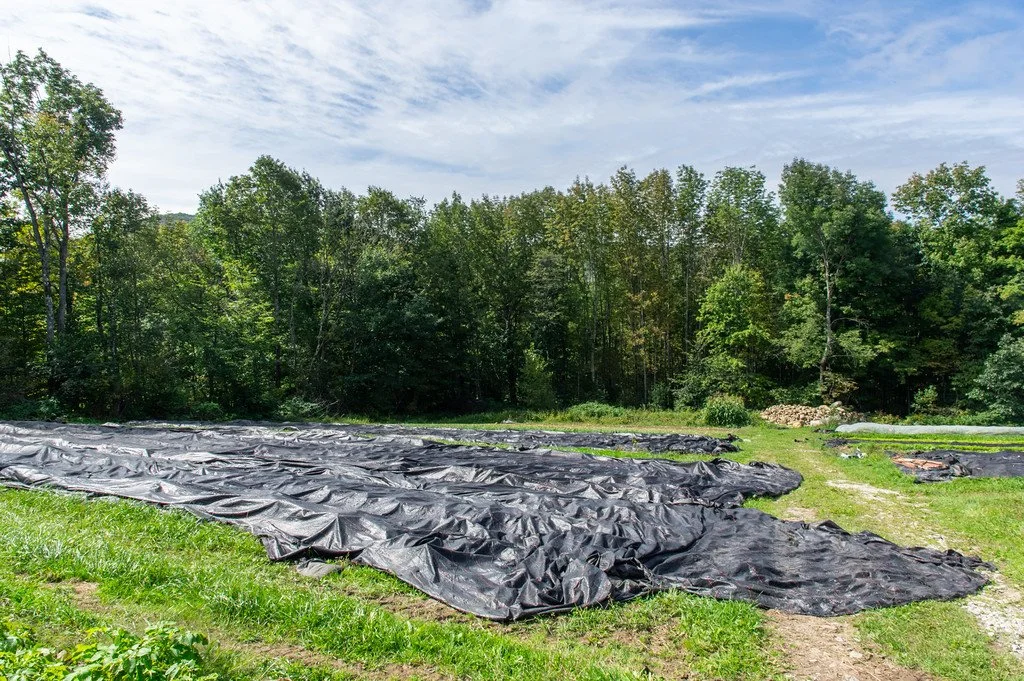
tarping fields in preparation for winter, photo by Adam Ford
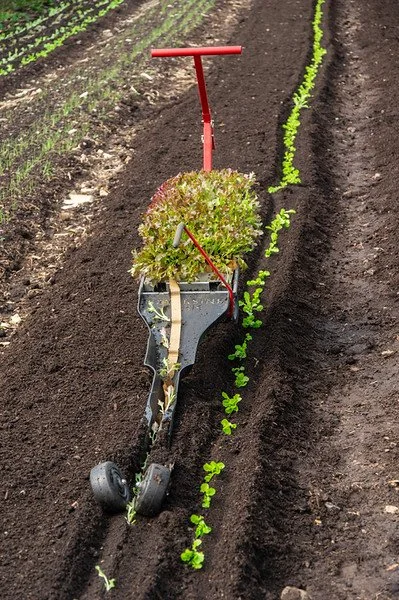
The Japanese paperpot transplanter is a tool we use sometimes for some of our winter tunnel greens seeding. In theory when the transplater works well, you can transplant a row of baby greens as fast as you can walk and pull the transplanter behind you, saving a tremendous amount of time, photo by Adam Ford
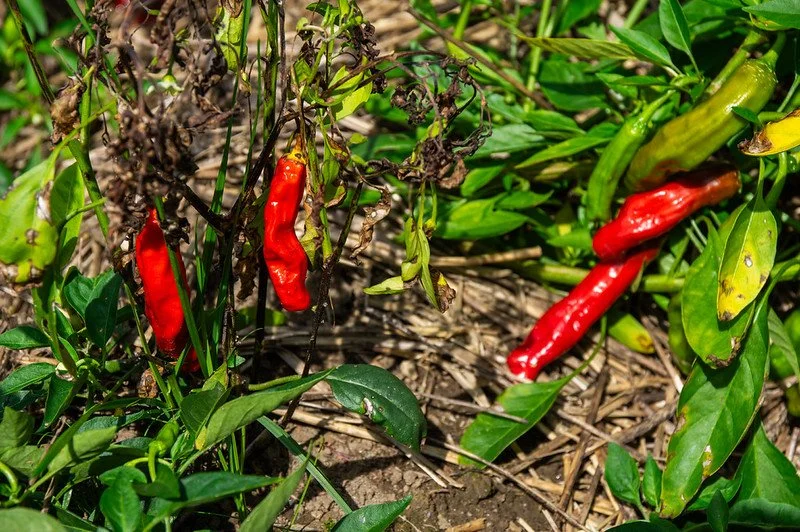
shishito peppers, photo by Adam Ford
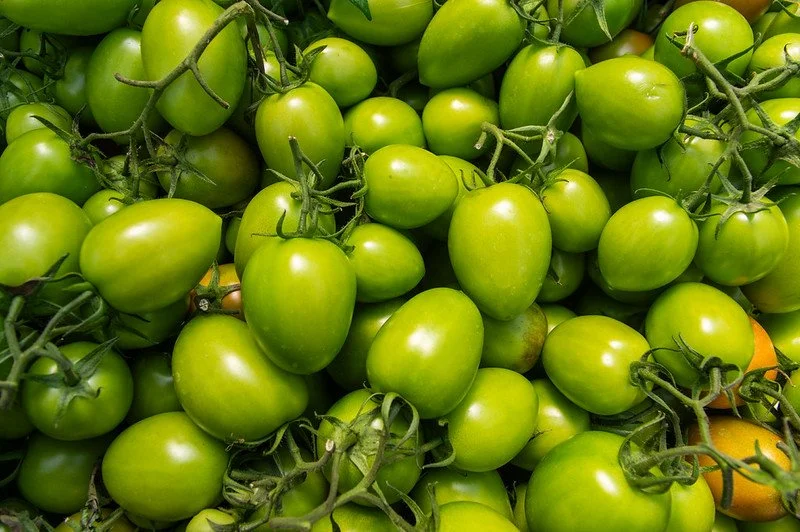
fried green tomato season! photo by Adam Ford
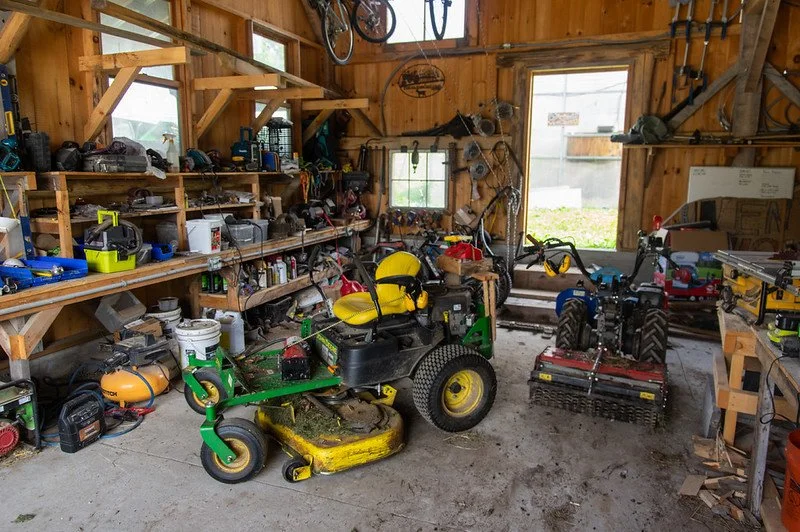
tools and machines, photo by Adam Ford
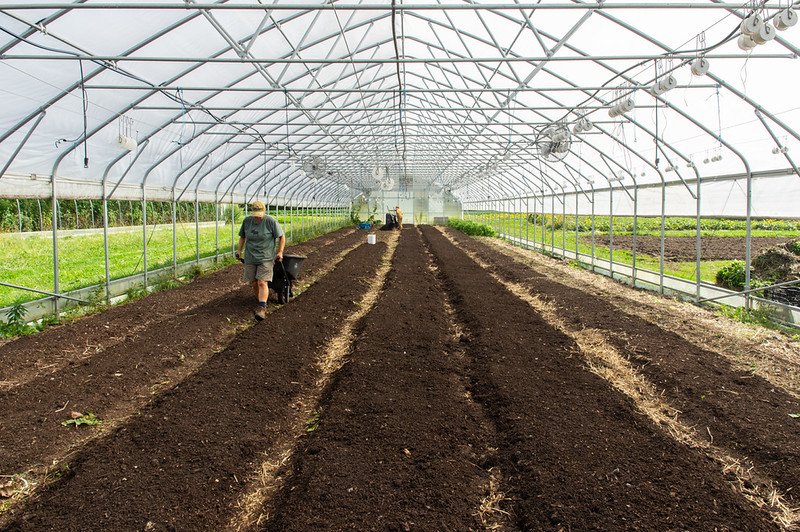
beds composted and ready for seeding, photo by Adam Ford
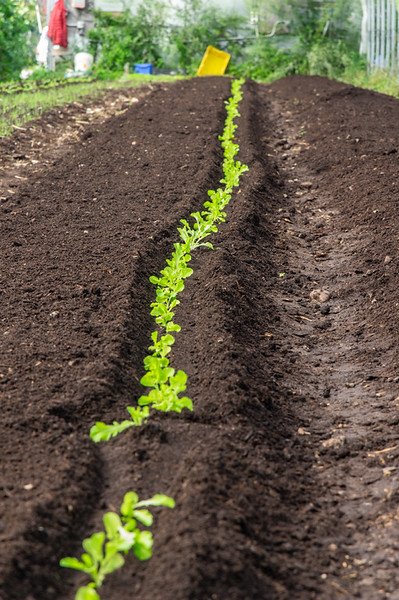
This particular row of baby lettuce looks like it went in really nicely, but it’s not uncommon for the transplanter to not work super well all the time, requiring some clean up tucking in, getting a little more dirt around the plant roots to make sure everyone is tucked in really nicely, photo by Adam Ford