
LAST (20th) Week of the Summer CSA Season: Week of October 6th
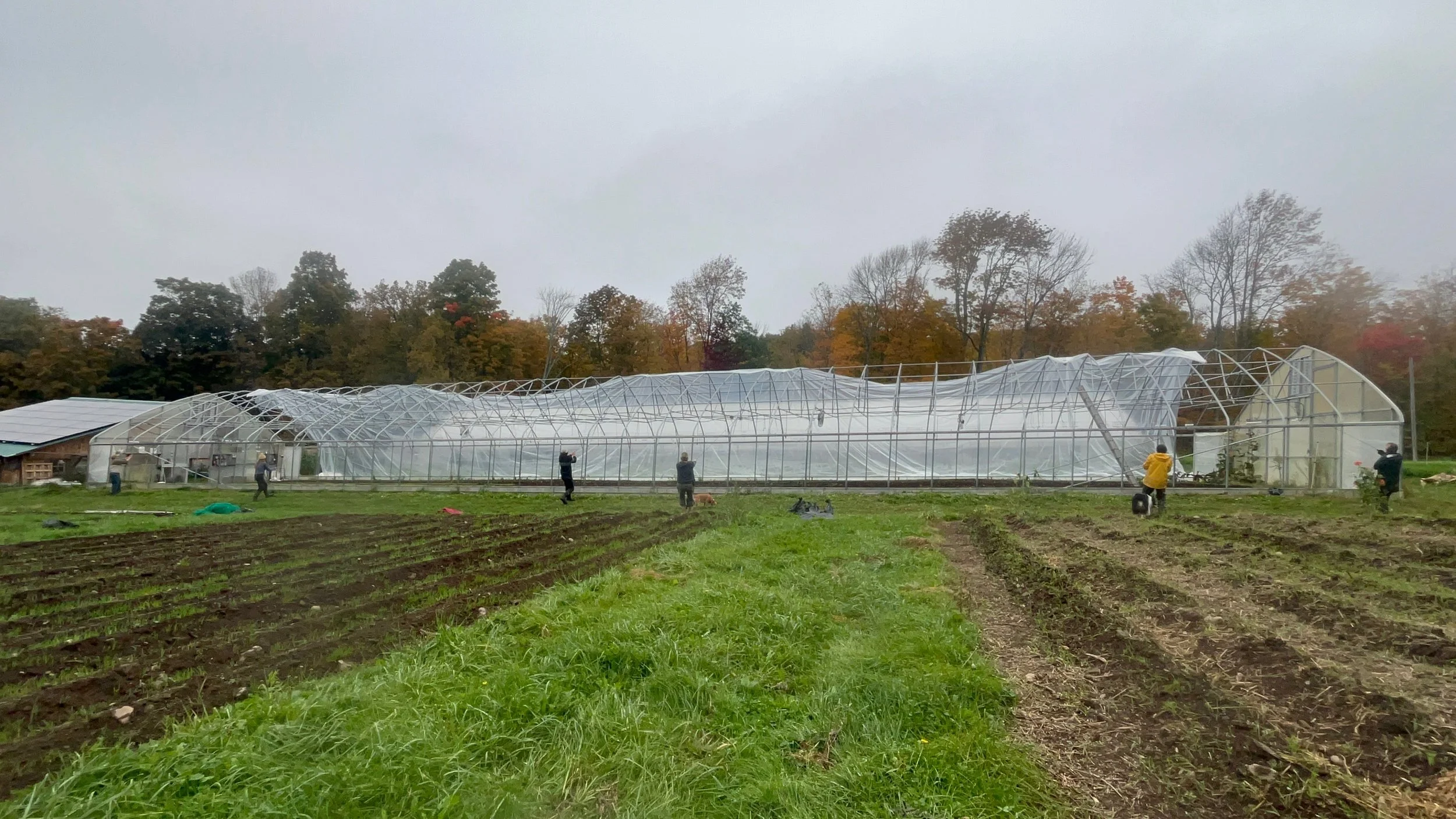
The team pulls a new peice of greenhouse plastic over the Chocolate Factory. Photo by Amelia.
This Week’s Availability
This week we will have:
Greens: baby lettuce, green curly kale bunches, lacinato, rainbow chard, pea shoots, green cabbage, giant green cabbage, bok choi, brussels crowns, brussels sprouts, green leaf lettuce, romaine lettuce, bronze buttercrisp lettuce
Roots: red potatoes, yellow potatoes, red beets, yellow beets, carrots, baby carrots, parsnips, watermelon radish
Alliums: scallions, yellow onions, red onions, sweet onions, fresh garlic bulbs, shallots, leeks
Herbs: sage, parsley, thyme, cilantro
Fruiting crops: heirloom tomatoes, beefsteak tomatoes, roma tomatoes, tomatillos, shishito peppers, jalapeno peppers, poblano peppers, sweet red Italian Carmen peppers, aji rico red hot peppers, green Italian peppers, husk cherries
Miscellaneous: rhubarb, fennel
Crop Report
This week we have three different types of beautiful head lettuce: green crisp, romaine, and bronze buttercrisp. They are all awesome right now! We also have a lovely patch of cilantro ready to harvest for this week. As the fall weather sets in we will begin harvesting the first of the parsnips, which look absolutely awesome from the first few that we’ve pulled. It’s also the first harvest of watermelon radish, which, if you haven’t tried before, are like a watermelon only in appearance when sliced…red interior with a green skin on the shoulders. For the lovers of winter squash, we have our field harvested and curing, and it will be ready to for the beginning of the fall season. The curing process for winter squash involves storing at elevated temperature and humidity for about two weeks, which helps the starches convert into sugars, improving both the taste and texture of the squash.
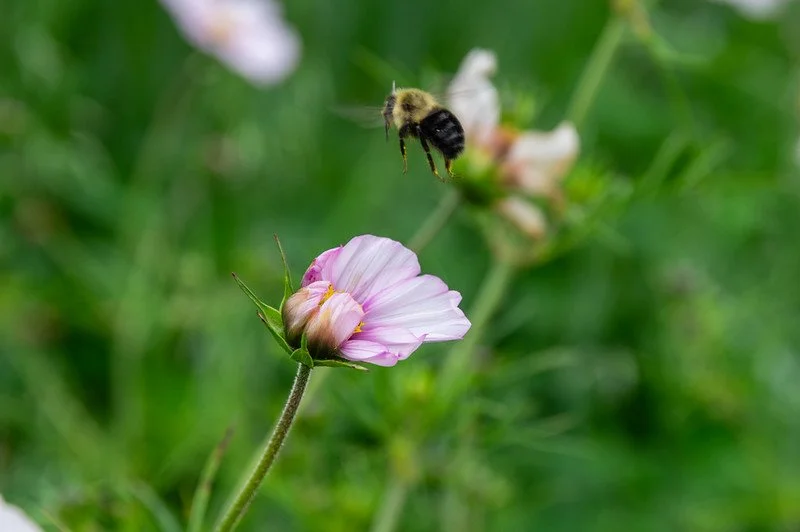
Still so many flowers out there for the pollinating insects like this wild bee, photo by Adam Ford
Farm News
THANK YOU! Thank you so much for another summer season of supporting this CSA. Everything about how we plan this operation is around the CSA structure. From our first year growing vegetables in Pennsylvania, we seemed to only understand how to make a veggie business work with the CSA model. We plan our crop production based on years of harvest records, adjusting what we grow based on what is most popularly taken. Of course, we have to plan for extra because in farming there are always flops. And it is those successful over-plantings that we then have available for our wholesale outlets. Often small, diversified veggie farms with a CSA component plan it the other way around: They grow their best stuff for farmers’ markets and wholesale accounts and then pack their surplus into farmers’ choice CSA boxes. I think this arrangement removes the inherent feedback loop we get to have by having a free choice CSA model. Instead of handing out what we have grown, and not knowing what members actually use, our records with the free choice model give us built in feedback for what to grow more and less of based on what’s selected at the barn or packed out in bags. I just got lost in a verbose ramble about why we use a CSA model to feed our community vegetables, but that is all to say: thank you for being a part of this farm to help us operate the form of vegetable production that we understand the best!
I like to remind you all, at least once a year, to pat yourself on the back for being a CSA member. By choosing to get your veggies from a small local farm, your participation inherently contributes food to the charitable food system in your neighborhoods. Like I mentioned above, farms have to overplant to make sure we have enough for our primary outlet (the CSA), but when crops are successful, and not scooped by our wholesale outlets, they make their way into the various charitable community food partners and feed folks facing food insecurity. Some of these partners are passing out fresh veggies for folks to take home, and some are creating meals for folks who need the food prepared. This spring hundreds of pounds of our parsnips that had all that surface damage from the carrot rust fly larvae were scooped up by various partners who cook meals for folks and turned into nourishing food. So by signing up with us, you are feeding yourselves and your neighbors all at once. That’s pretty cool.
And besides feeding your neighbors, you are also supporting innovative experiments and research. In past newsletters, Ryan has written about some of his research collaborations, but if you have missed those newsletters, this farm is constantly trying new methods for soil building, erosion prevention, nutrient management, and producing food in a changing climate. Getting your veggies here is also supporting some cool science and resilience practices. You are part of the climate solution.
If you just do the summer CSA season, thank you, and we look forward to seeing you again next year… have a fabulous winter. If you do all the seasons with us, the fall CSA season starts right after the summer CSA ends, and we still have a wide array of veggies for you. Sign up now, if you haven’t already.
Thank you and have a great week,
-ESF Team: Kara, Ryan, Vanessa, Taylor, Katie, Galen, Leah, Natalie, Cindy, Amelia, Morgan, Kim, Kelly, Hannah, and Grandpa Jim the delivery guy (and Sky and Soraya)
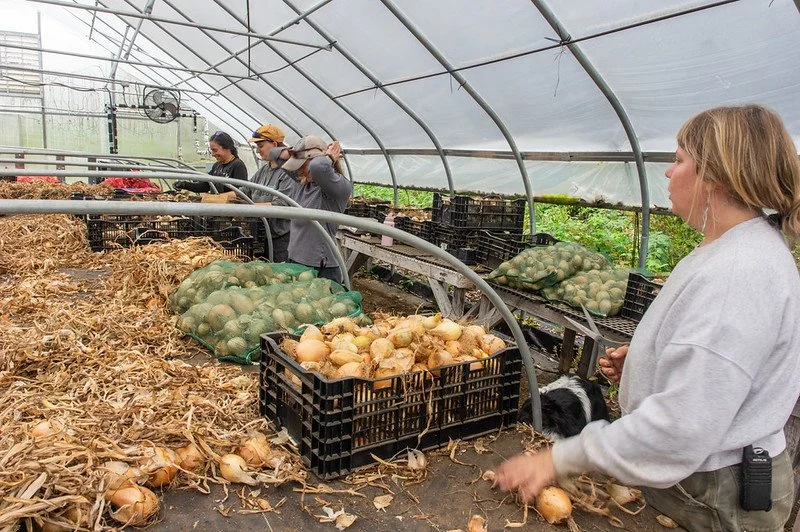
The team clipping onion tops for winter storage, Photo by Adam Ford
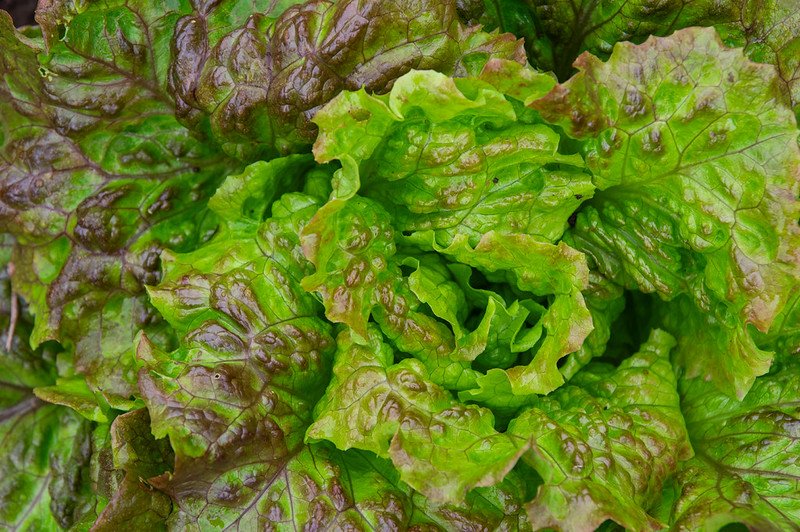
bronze buttercrisp lettuce, photo by Adam Ford
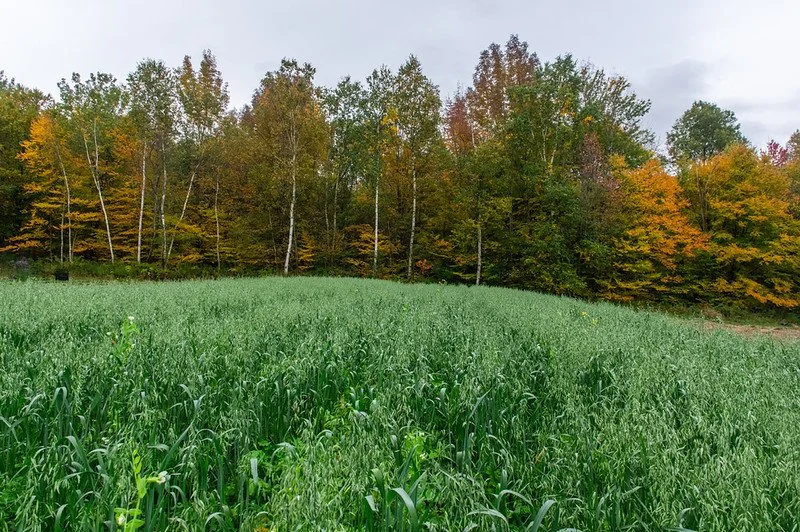
A cover crop of oats and clover. Next spring the clover will grow all the fertility needed for a healthy fall root crop, with no purchased organic fertilizer, photo by Adam Ford
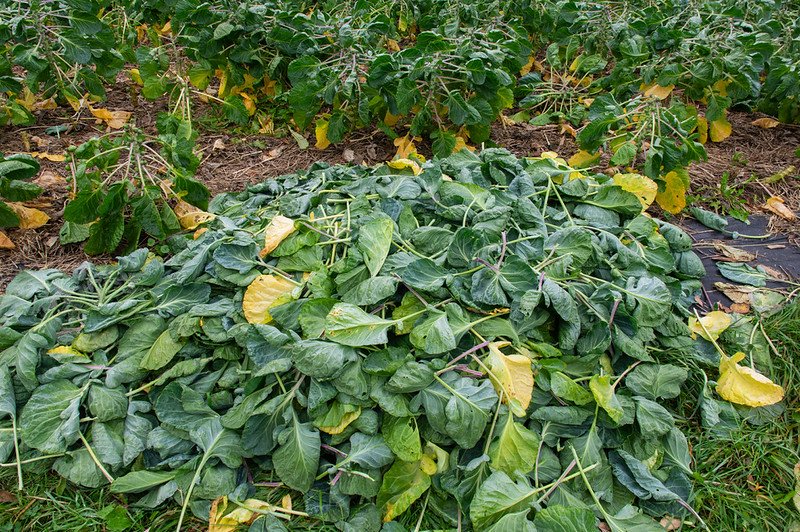
These leaves from the brussels sprout stalks are added to compost piles. The fresh green plant material helps to heat the pile enough to kill weed seeds and soil-borne plant pathogens, photo by Adam Ford
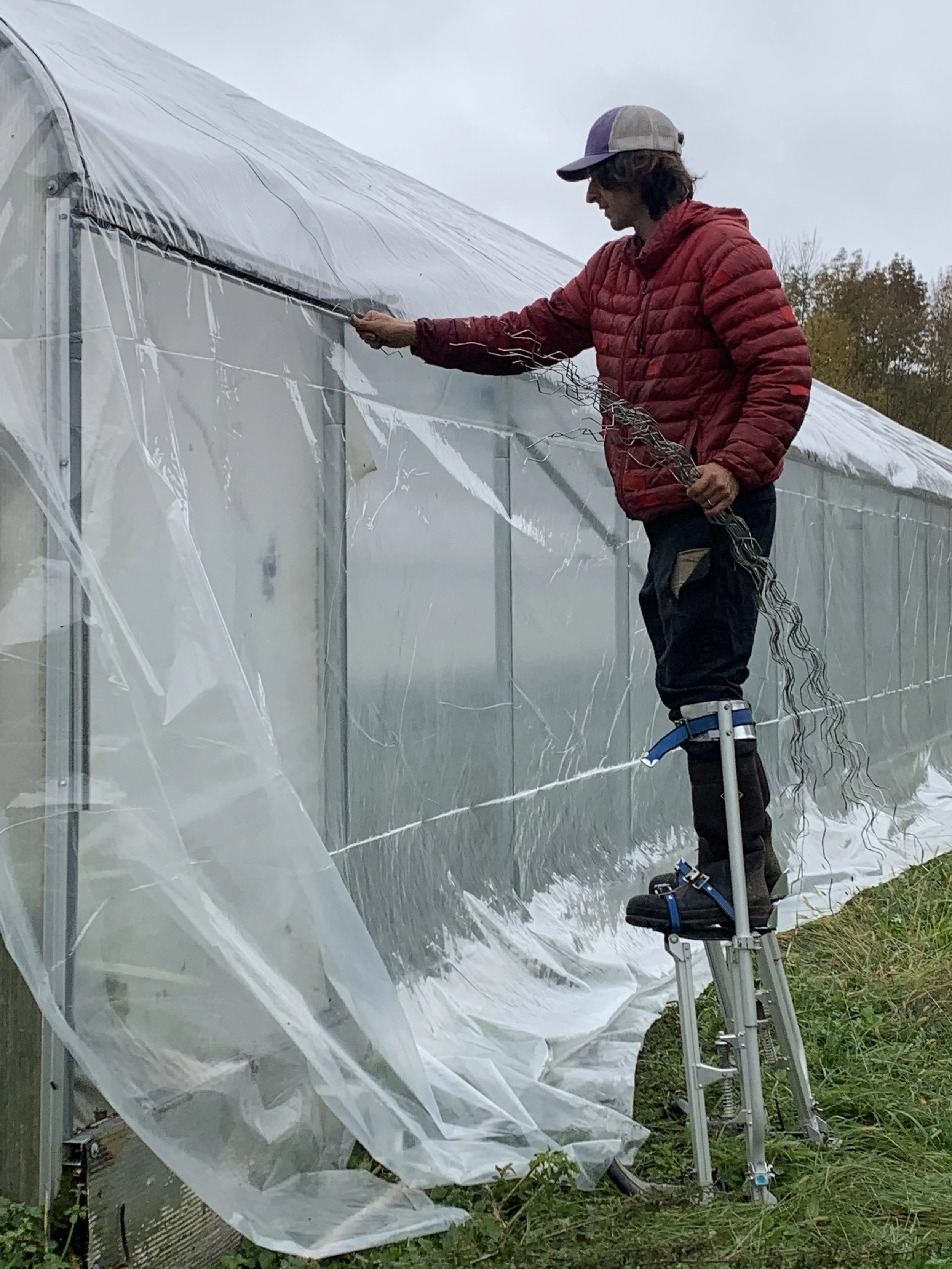
Ryan using drywall stilts to avoid shoulder strain from re-installing the wire track that fastens the plastic to the tunnel, photo by Cindy
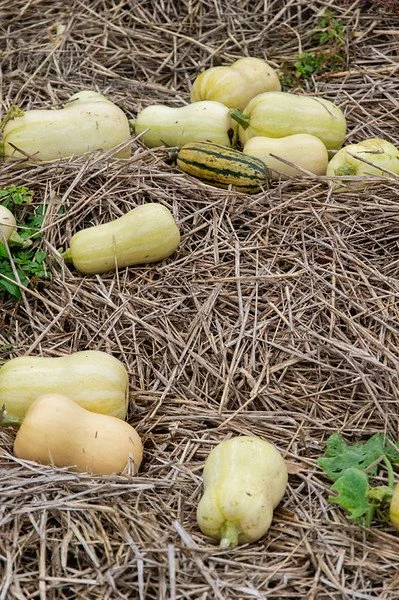
Winter squash are curing to improve flavor and will be ready for the fall season, photo by Adam Ford
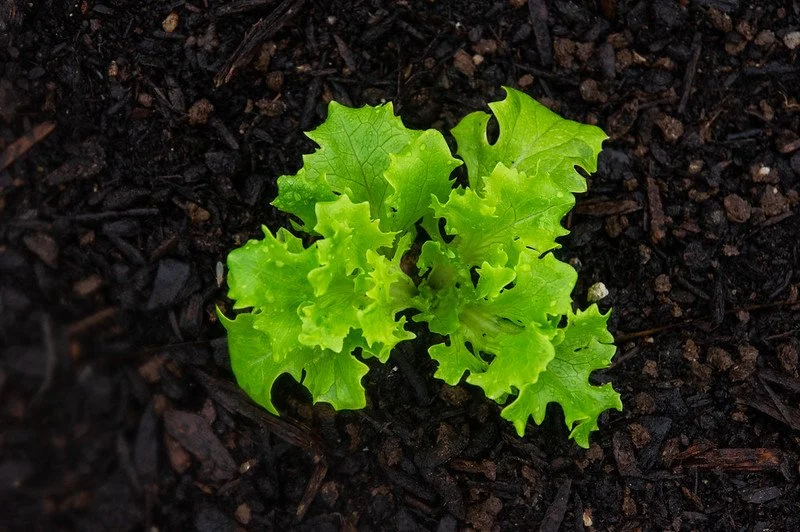
Lettuce in the high tunnel for the late fall, photo by Adam Ford
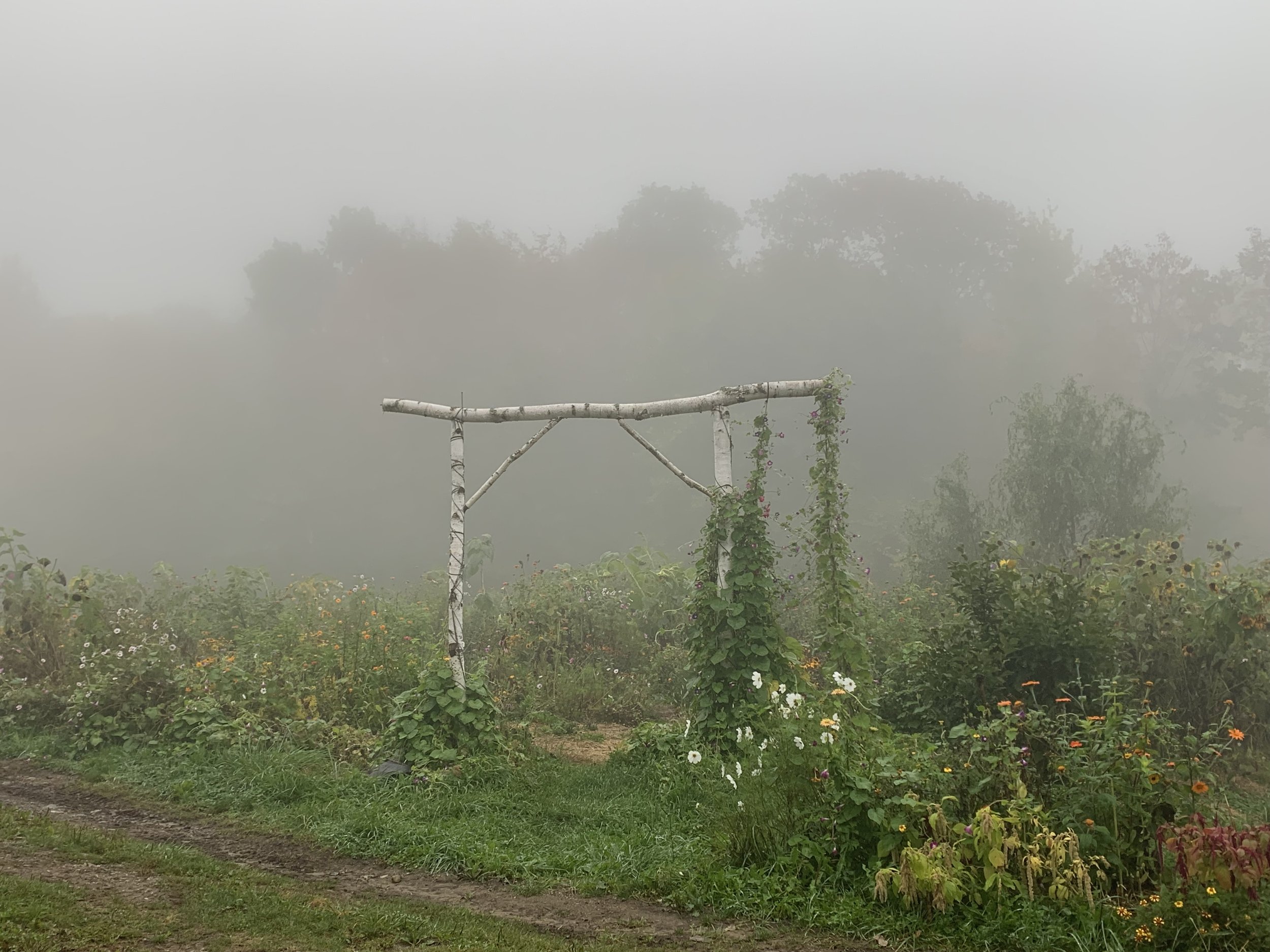
Flower garden in the fog, photo by Adam Ford
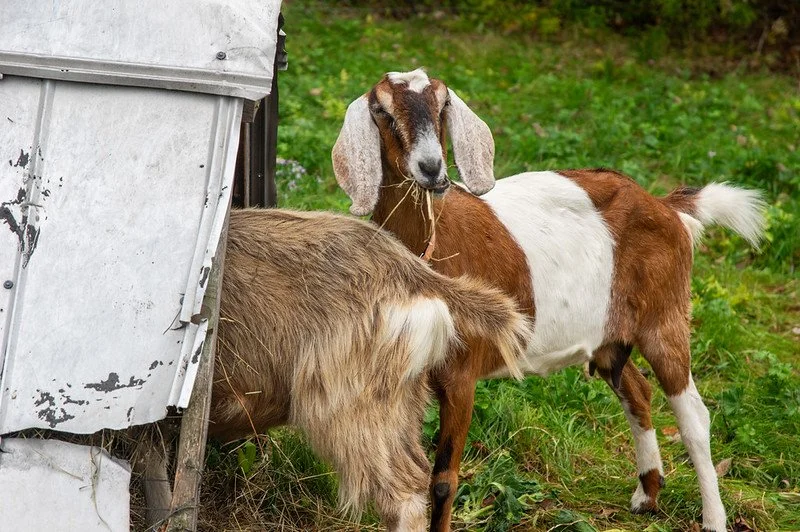
Phoebe and Nina, photo by Adam Ford
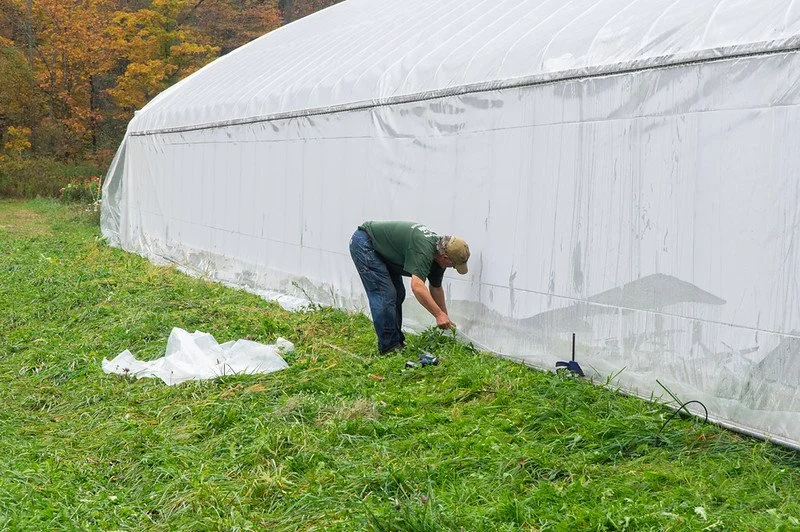
Cindy Keener, the master installer of high-tunnel roll up sides, photo by Adam Ford
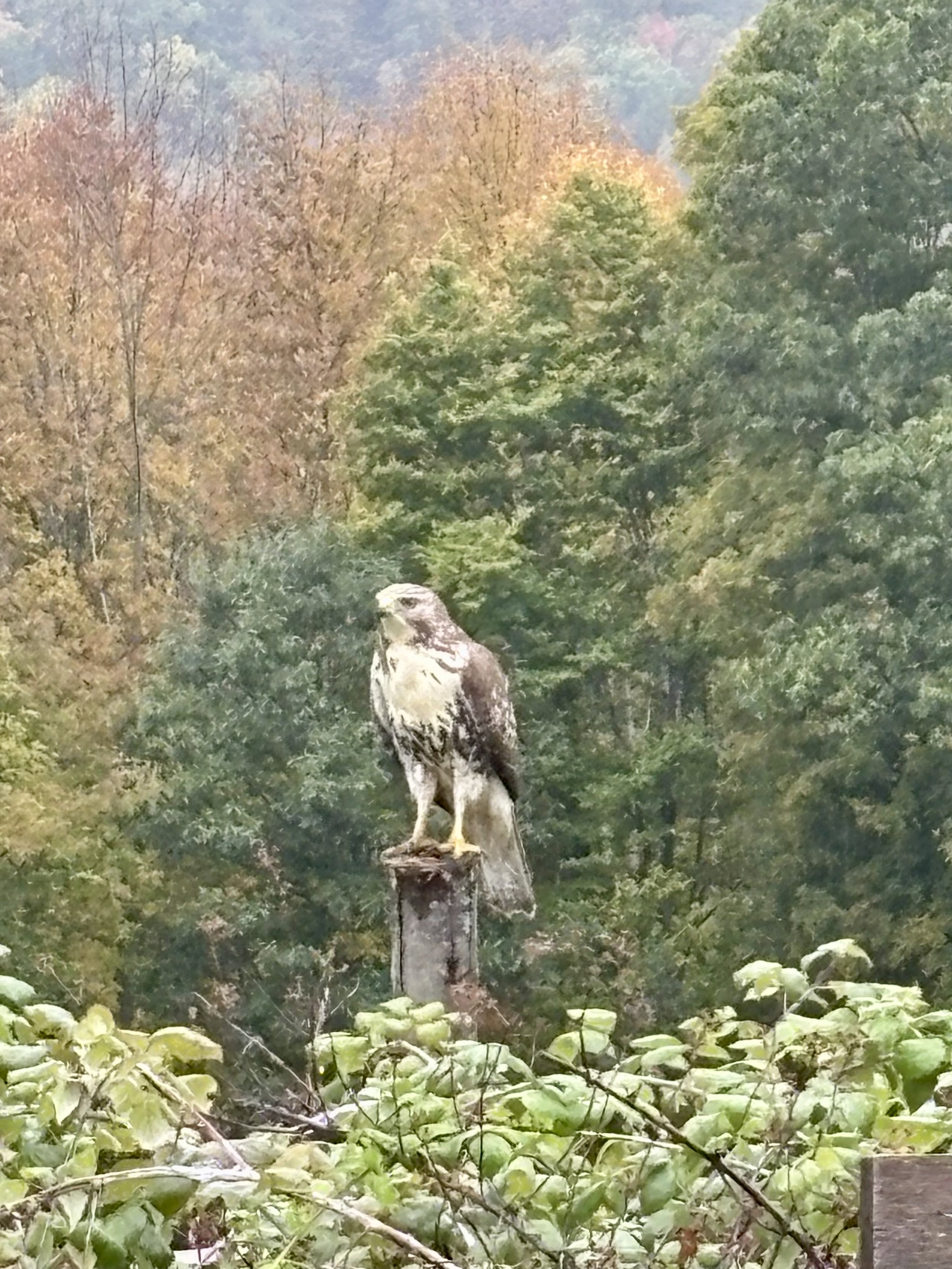
This broad wing hawk has become a daily companion on the farm for the past two weeks. It comes quite close, and on Friday we even saw it scoop a small rodent from a field. Photo by Kim
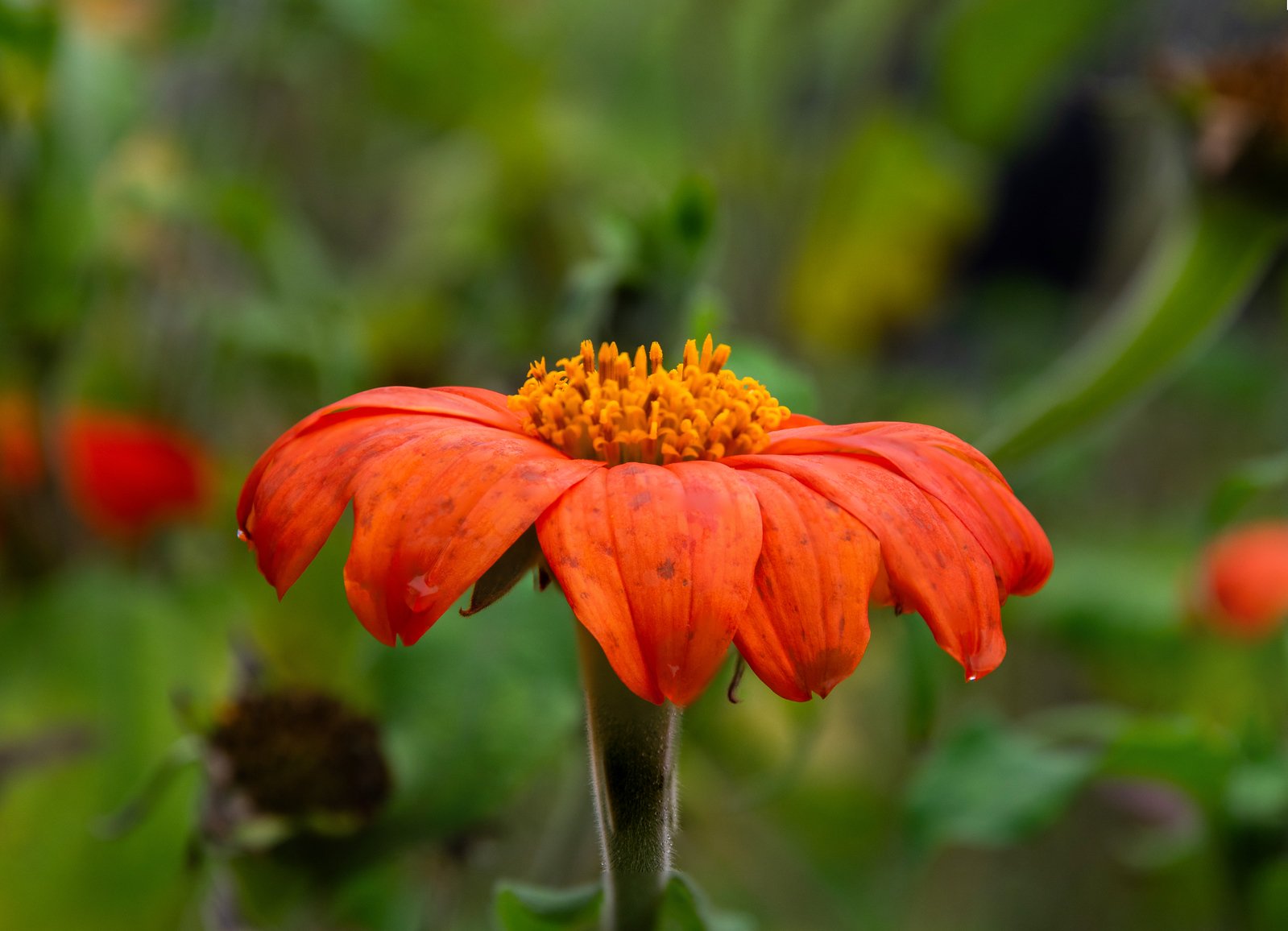
Tithonia, photo by Adam Ford
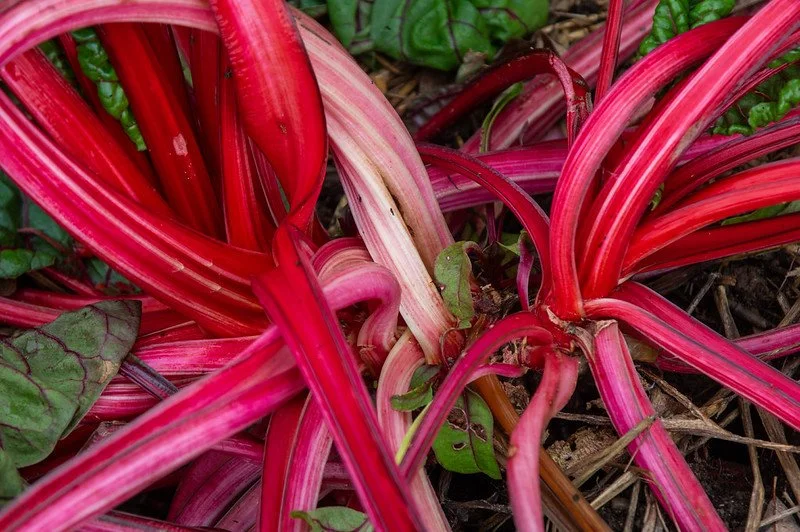
Chard stems, photo by Adam Ford
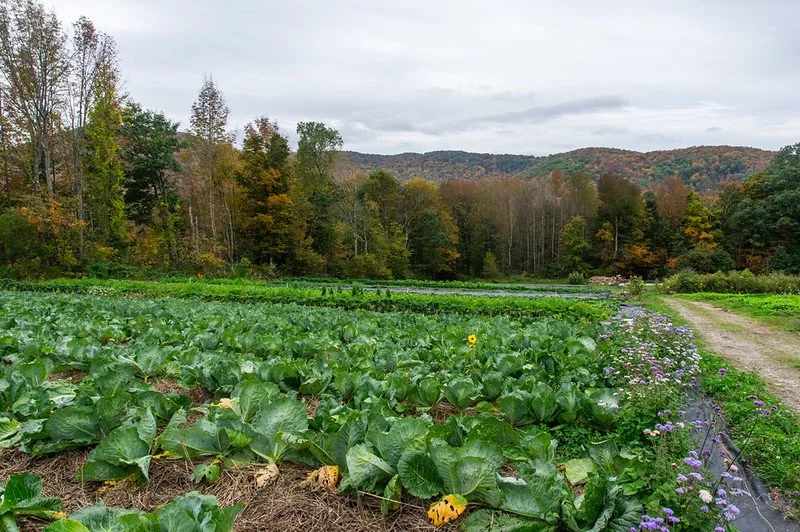
Field of cabbage, photo by Adam Ford