
17th Week of the Summer CSA Season: Week of September 15th
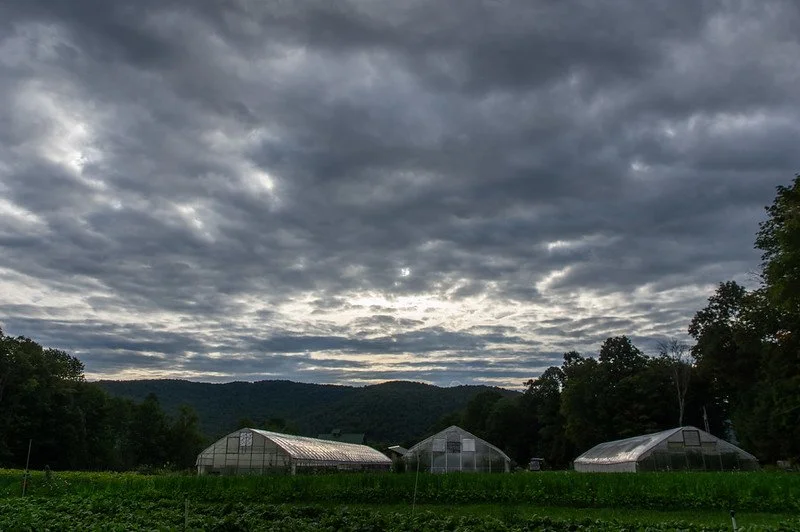
above the tunnel field, photo by Adam Ford
This Week’s Availability
This week we will have:
Greens: baby lettuce, spinach, green curly kale bunches, lacinato, rainbow chard, pea shoots, arugula, green cabbage, bok choi
Roots: red potatoes, yellow potatoes, red beets, yellow beets, carrots
Alliums: scallions, yellow onions, red onions, sweet onions, fresh garlic bulbs, shallots, leeks
Herbs: sage, parsley, thyme, basil tops, bulk pesto basil
Fruiting crops: slicing cucumbers, pickling cucumbers, heirloom tomatoes, beefsteak tomatoes, cherry tomatoes, roma tomatoes, tomatillos, shishito peppers, jalapeno peppers, poblano peppers, sweeet red Italian Carmen peppers, green Italian peppers, husk cherries
Miscellaneous: rhubarb, celery, fennel
Crop Report
If you are into green curly kale, the next couple weeks are going to be great: we’re harvesting from a new kale patch and the first couple pickings yield the most tender kale leaves. Same deal if you’re a baby bok choi fan: this first of the fall bok choi is beautiful and tender. And the arugula too is top-notch: small and tender with no flea beetle damage. Sorry to the folks who order online and weren’t able to access carrots last week…we fixed the glitch and the carrots are delicious. This week we started listing a lot of items in bulk if you do any canning, freezing, drying, fermenting, or other preserving: heirloom toamtoes, cherry tomatoes, roma tomatoes, seconds tomatoes, jalapeno peppers, red Carmen peppers, green carmen peppers, and processing basil are all available to order.
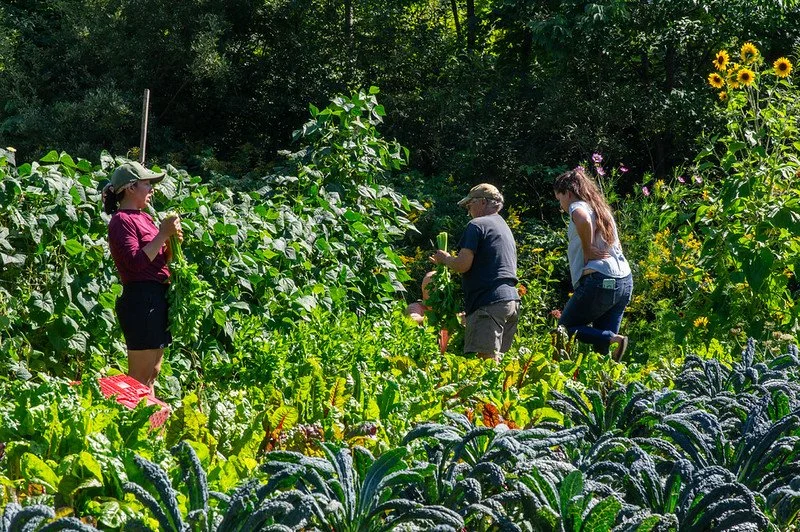
harvesting 250 bunches of celery for Farmacy, photo by Adam Ford
Farm News
The past few weeks we have sent out A LOT of awesome veggies to the Vermont Food Bank that then gets distributed around the state in conjunction with community partners, including a lot of sites in our immediate region. This is primary funded throught the “Vermonters Feeding Vermonters” program, which over the years has been funded by a mixture of private grants as well as state funding. The state of Vermont has been providing one time budget money for this program for the past few years, and through my policy/advocacy work with NOFA (in collaboration with other statewide organizations) I have seen the effort to get it shifted to a permant line in the annual state budget. I think it’s one of the most effective programs within the state: It spends money directly on fresh food grown in Vermont by Vermont farms and distributes that food to food insecure Vermonters. It has both a tangible economic impact for farms growing food in our community, and an effective nutritional impact for families who need the support. It’s very cool.
This week the tunnels are going through the rapid transformation it goes through during this time of year: Removing summer plants to transplant and seed winter greens. This is always a tough time of year for me, becuase it's hard for me to watch healthy, robust plants be yanked out and added to the compost pile, but it’s also essential to get the timing right for establishing greens so they can get enough growth on to have the ability to harvest them in November and December, and then again when they regrow for the spring CSA. This week we will seed and transplant those tunnel beds that we cleaned out this week.
Have a great week,
-ESF Team: Kara, Ryan, Vanessa, Taylor, Katie, Galen, Leah, Natalie, Cindy, Amelia, Morgan, Hannah, and Grandpa Jim the delivery guy (and Sky and Soraya)
Recipe inspiration
I originally made this soup fully pureed as the recipe describes. I have since also made it where I only puree half of it so it’s still chunky and also creamy. You can also make it without pureeing any of it, just have all the veggies chopped to nice bite sized chunks before adding each of them. Variation: add shredded chicken after any pureeing you might do.
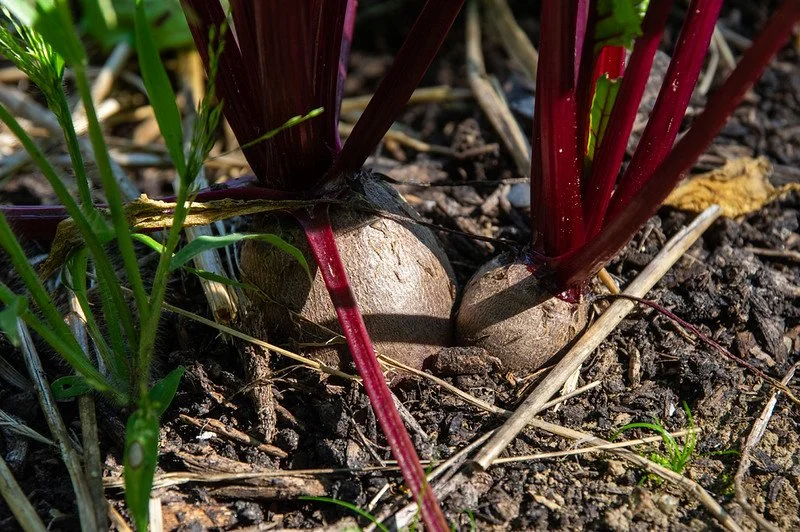
red beets, Photo by Adam Ford
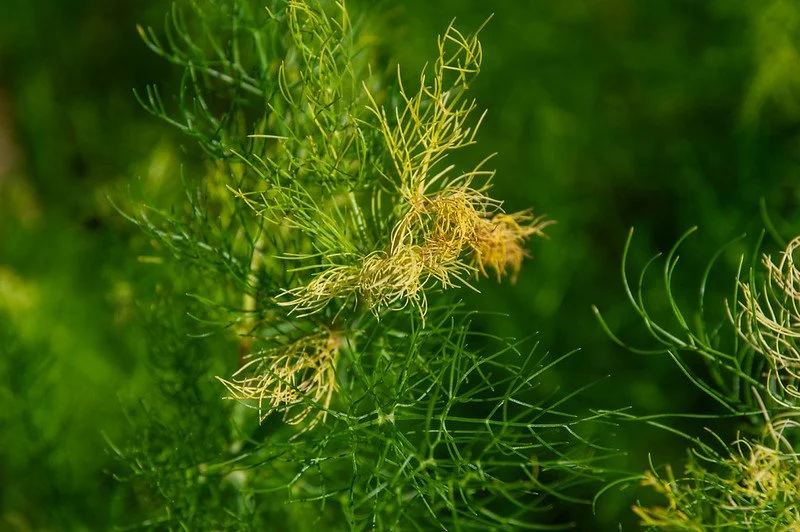
fennel fronds, photo by Adam Ford
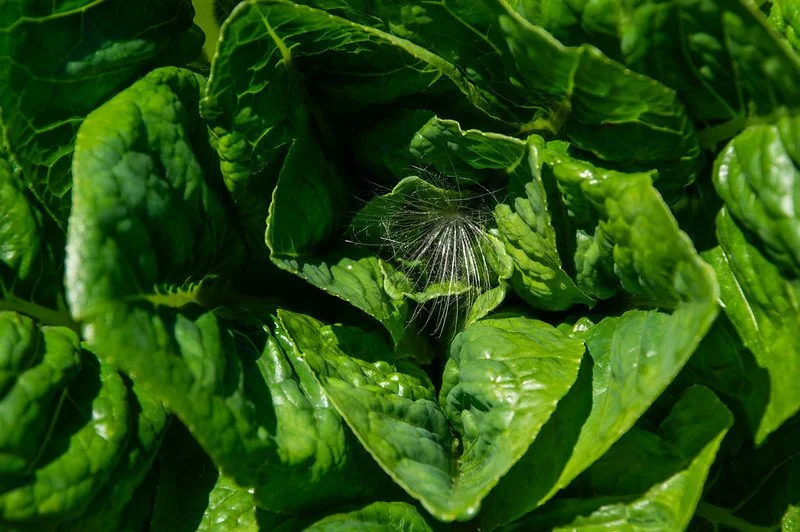
spinach, photo by Adam Ford
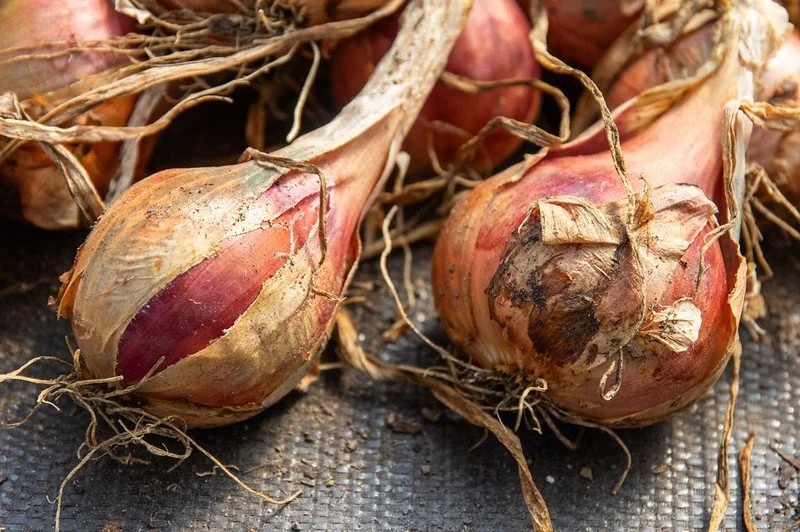
shallots, photo by Adam Ford
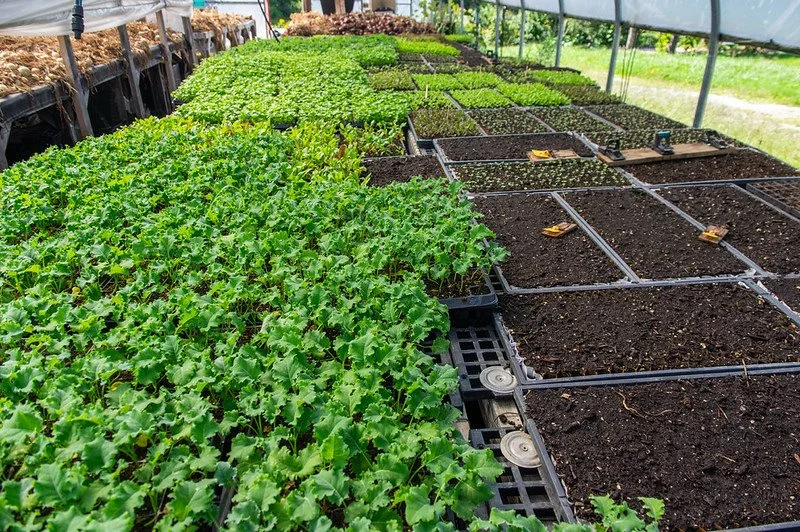
kales, lettuces, spinach for the winter tunnels, photo by Adam Ford
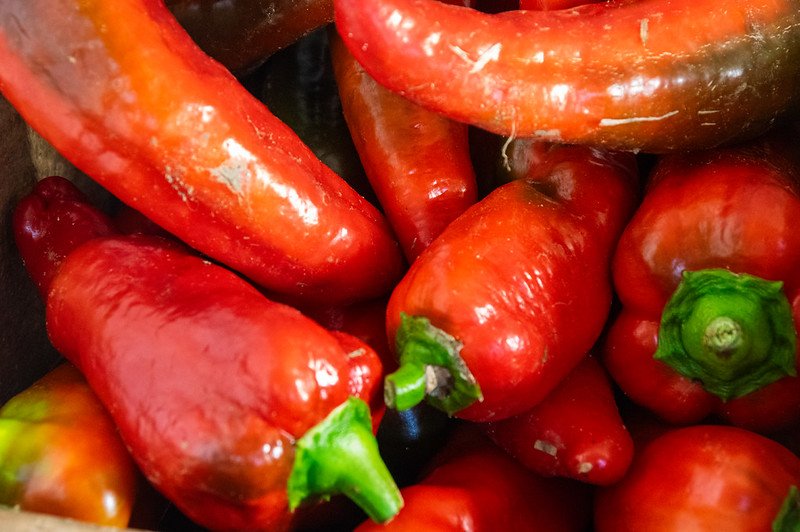
Carmen peppers, photo by Adam Ford
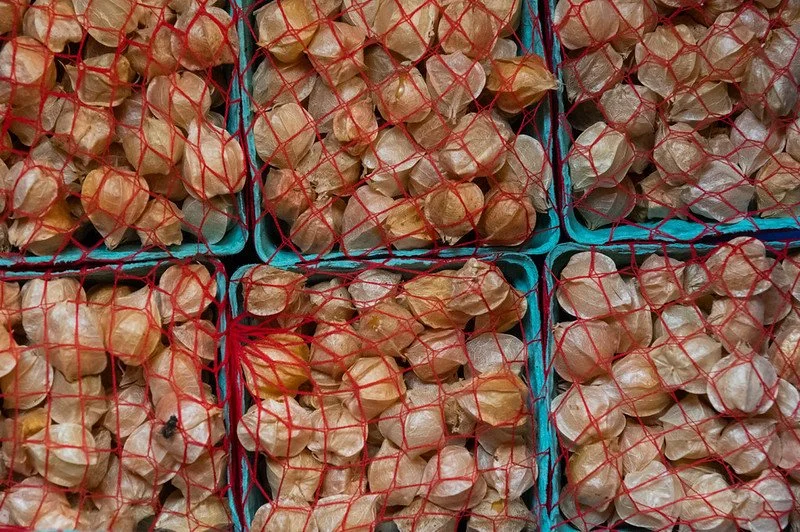
husk cherries, photo by Adam Ford
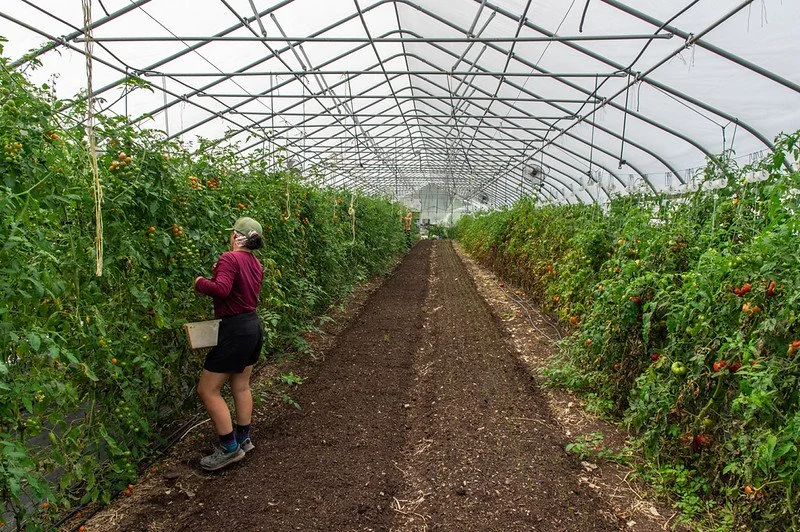
Vanessa harvesting cherry tomatoes, photo by Adam Ford
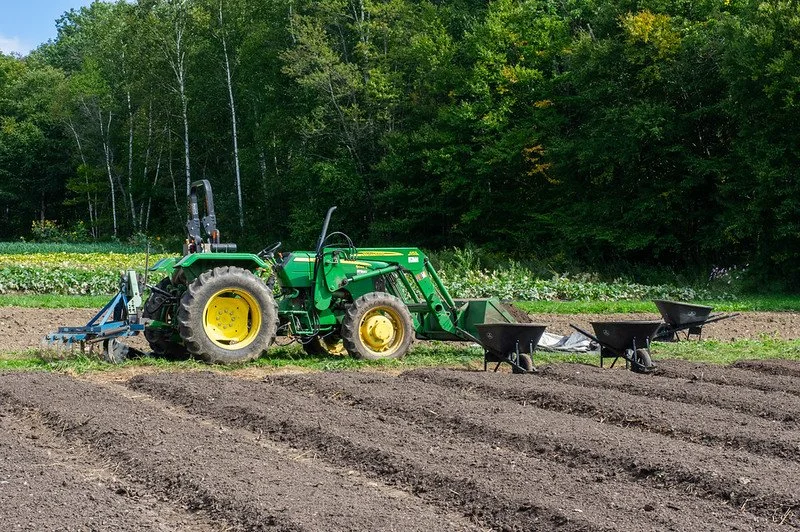
We have been putting attention into a field that struggled with weeds… it has been tarped and covered cropped several times to address the lower the seedbank, photo by Adam Ford
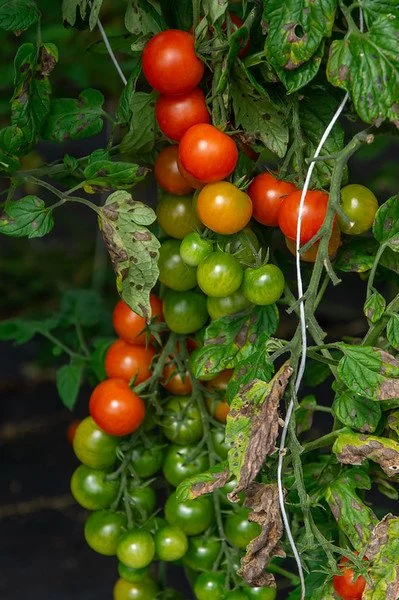
the cherry tomato plants are still pumping out fruit despite disease slowly taking down the plant, photo by Adam Ford
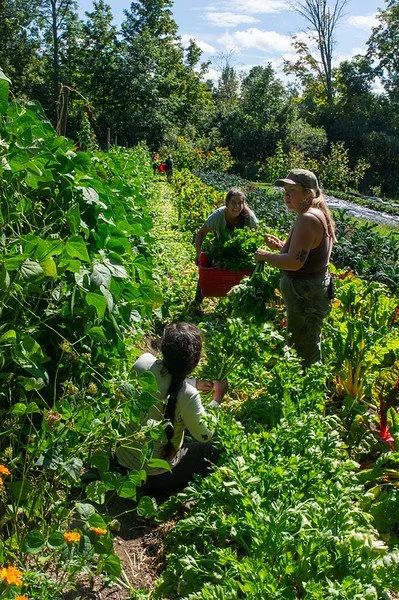
getting in the last of that celery order, photo by Adam Ford
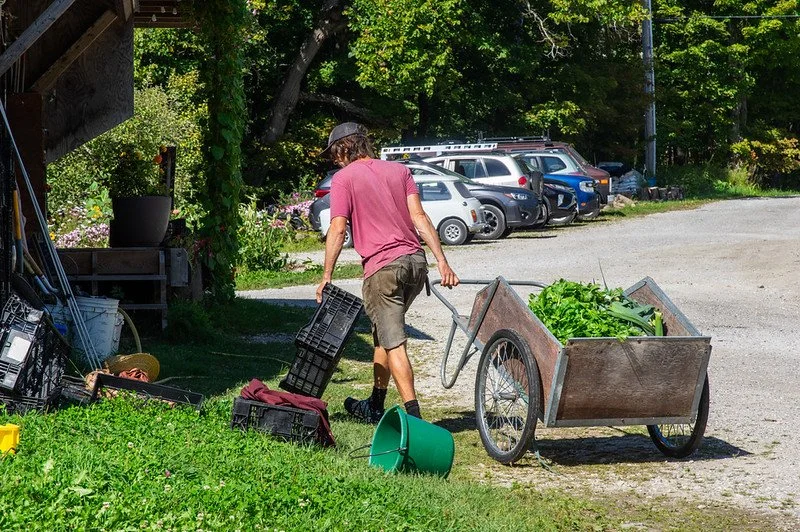
Ryan moving plant debris to add to the compost, photo by Adam Ford
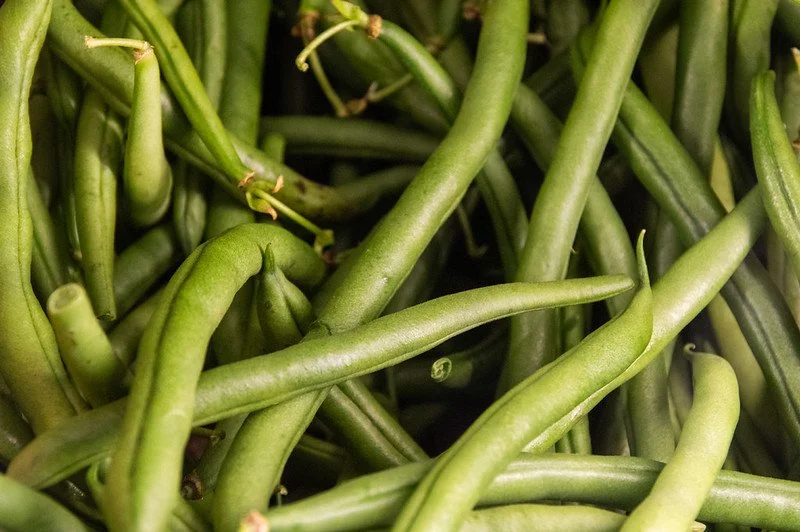
Thank you green beans, photo by Adam Ford
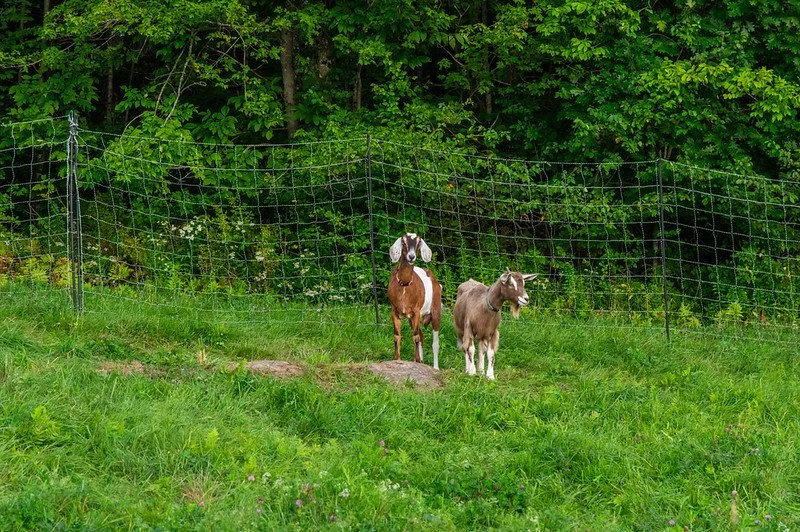
Phoebe and Nina, photo by Adam Ford
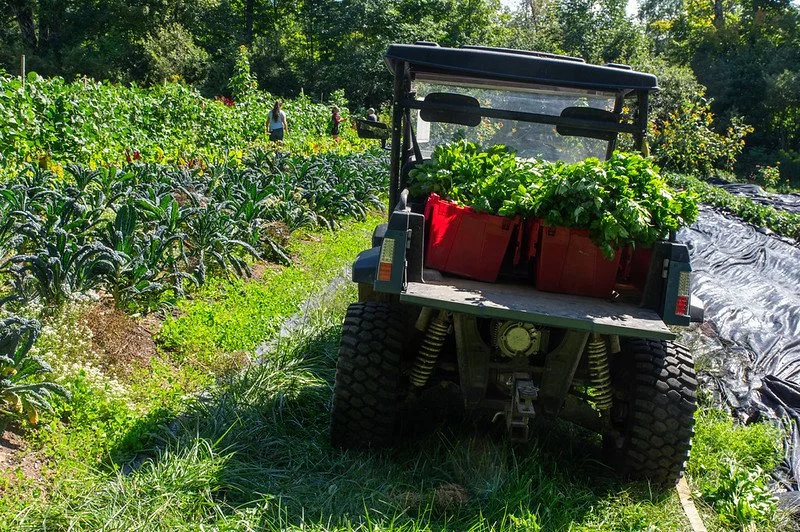
bringing in loads of celery for the Farmacy order, photo by Adam Ford
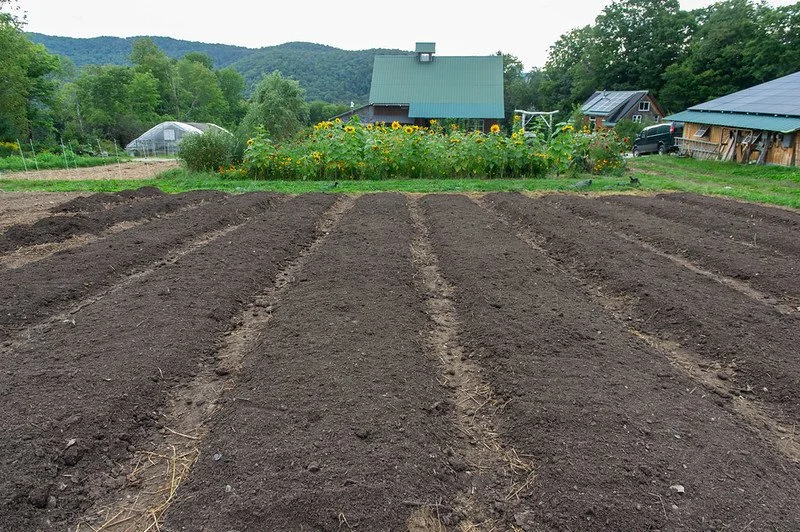
and then this year, we set up slightly raised beds that have compost applied to the top, seeded to overwintering cover crops. A year from now, we will be harvesting lettuces from these beds, photo by Adam Ford
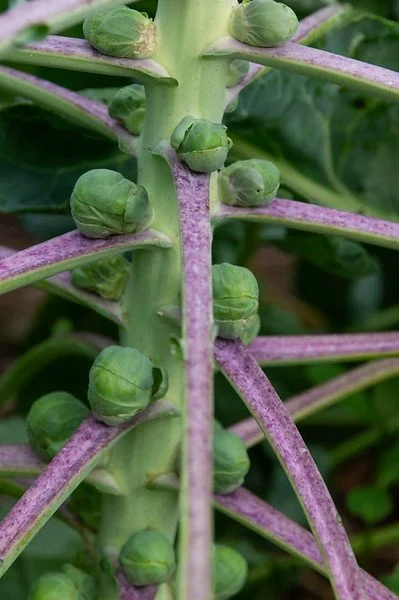
compare this photo to last week’s newsletter photo… the brussel sprouts are getting bigger! photo by Adam Ford
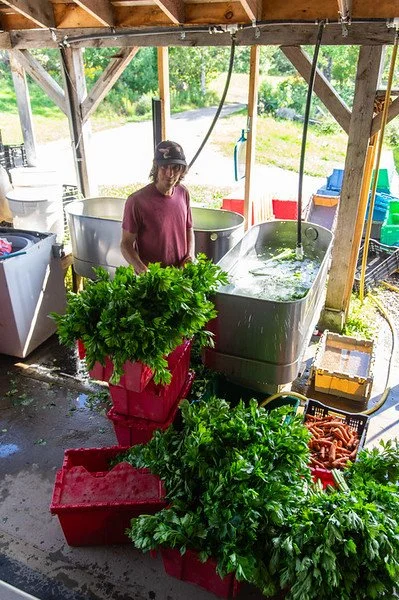
and then we had to wash and pack all that celery, photo by Adam Ford
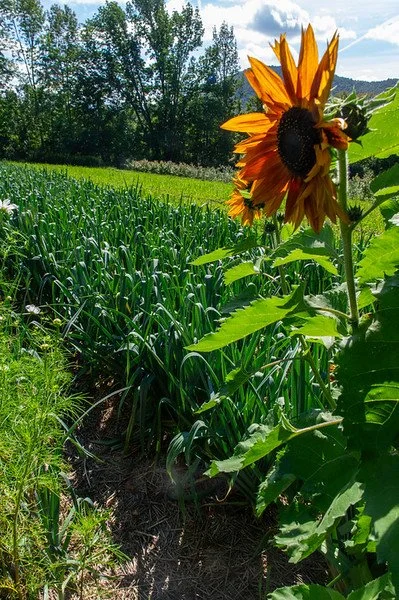
leek bed, photo by Adam Ford
Community News
We like sharing out your community news and the things that are important to people in our CSA community. Below is information from a long time CSA family who live with cystic fybrosis and are deeply involved in fundraising for CF research. As many CSA members are, the Vooris family is a bright light in the wider Rutland community, and we are grateful our paths haved crossed:
Join us October 3rd at Pine Hill Park to celebrate the culmination of another fundraising season for the CF Foundation! Hike or bike with us that Saturday or consider heading up to Liquid Art in Killington on October 19th to enjoy an Open Mic Night featuring Maren and other students from Green Mountain Music.
https://fundraise.cff.org/seacoastsafari/TeamGraceJoy2026
Fighting for a Future Without CF: Why I Keep Going
By: Sarah Vooris
Participating in Cycle for Life is about much more than a bike ride or reaching a fundraising goal. For me, it is deeply personal. I am the parent of two teenagers living with cystic fibrosis. CF has been part of our family's life for 18 years, and that experience drives me to keep showing up and fighting for a cure.
I am incredibly grateful for how far CF research and treatment have come. I have watched the landscape change dramatically since my oldest child was born. Treatments that were unavailable when my children were younger now give many people with CF opportunities for healthier, longer lives.
But as a parent, I don't want to stop at better treatments. I want a future where my children don't have to live with CF at all. Every research breakthrough, every new treatment, and every dollar raised represents hope - not only for my children, but for every person and family affected by cystic fibrosis.
This year, I am participating virtually as part of a Cycle for Life team. Participating virtually has reinforced something I think is important for anyone considering getting involved: you don't have to physically be at an event to have an impact. You can make a difference from wherever you are.
Grateful for How Far We've Come - and Aware of What Remains
The progress in cystic fibrosis research has been extraordinary. CFTR modulator therapies have changed the course of care for many people with CF by targeting the underlying defect in the CFTR protein. For many, these medications have been life-changing. I am grateful for that progress every day. But today's treatments are not a cure, and they are not an answer for everyone.
CFTR modulators don't work for every person with CF. Eligibility depends, in part, on a person's specific CFTR mutations, and some people who are eligible may not be able to tolerate a medication because of side effects. According to the Cystic Fibrosis Foundation's 2025 Patient Registry data, 7.6% of people with CF were still not eligible for a CFTR modulator because of age or genotype. Even when an effective treatment exists, having access to that treatment cannot be taken for granted.
People with CF need specialized, lifelong care. Medications and treatments can be expensive, and insurance coverage, prior authorization requirements, out-of-pocket costs, geography, and other barriers can make accessing care more difficult. As a parent, that reality is hard to ignore, especially because my children are growing up and peeking into their adult lives.
Today's treatment landscape is dramatically different from the one that existed when my oldest child was born 18 years ago. That gives me tremendous hope. But it also reminds me how much can change and how important it is to keep investing in the next breakthrough. As a parent, questions come to mind: What happens if the treatment that works today isn't an option tomorrow? What if a medication isn't tolerated? What if access to an essential medication or specialized care becomes more difficult because of cost or insurance?
I don't ask these questions because I don't believe in today's treatments. Quite the opposite. I am grateful for them. I ask them because I want my children to have choices.
Research Is What Gives Us More Possibilities
That is why continued research matters so much to me.
Scientists are looking beyond the treatments we have today and exploring approaches that could address cystic fibrosis much closer to its genetic source. Research into mRNA therapies, gene therapy, and gene editing is exploring new ways to restore or correct CFTR function. These approaches are still being studied and a genetic cure for CF does not exist today. But, they represent something incredibly important: the possibility of a future that looks very different from the present.
For me, fundraising isn't only about supporting the care and treatments that help people with CF today. It is about helping create what comes next. I want my children to have more treatment options. I want everyone with CF to have access to the care they need. I want fewer limitations placed on people because of their particular mutation. And ultimately, I want my children to have the possibility of living without CF.
Why I Keep Showing Up
There are many reasons for optimism in the CF community. We have seen research turn into treatments that have changed lives. We have seen possibilities that once seemed unimaginable become reality. But, progress is not the same thing as a cure. So I will keep showing up.
I will keep fundraising and I will keep talking about why this matters. I will keep encouraging other people to get involved, whether they participate in Cycle for Life in person, join virtually, or find another way to support the CF community. One thing I've learned through fundraising is that impact isn't determined by where you are. It comes from caring enough to participate, being willing to tell your story, and asking others to join you.
For my family, this isn't an abstract cause. These are my children. This is their future.
I am incredibly thankful for the treatments and scientific advances that have brought us to where we are today. But I don't want to look back 18 years from now and simply be grateful that today's treatments got us through. I want to look back and know that we kept pushing forward.
That researchers kept searching.
That people kept giving.
That people with CF and their families kept sharing their stories.
And that together, we helped make a cure possible.
To donate or join the team: