
10th Week of the Spring CSA Season: Week of May 6th
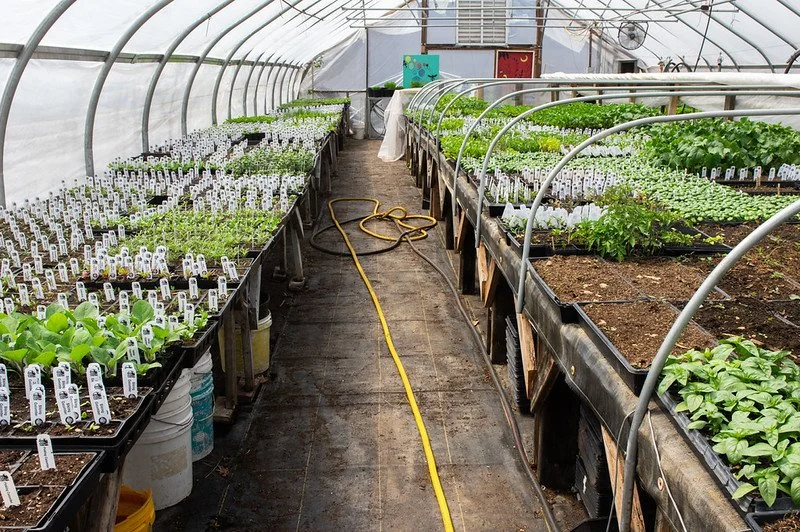
so many plants! photo by Adam Ford
This Week’s Availability
This week we will have:
Greens: green curly kale, kale rapini, spinach, baby lettuce, baby chard, arugula, pea shoots, spicy mix
Roots: fresh red radishes, red beets, yellow beets, large carrots, watermelon radish, yellow potatoes, daikon radish, Gilfeather turnip, parsnips
Alliums: scallions, green garlic
Herbs: parsley
Fruiting crops: frozen heirloom and beefsteak tomatoes, Painted Mountain grain corn
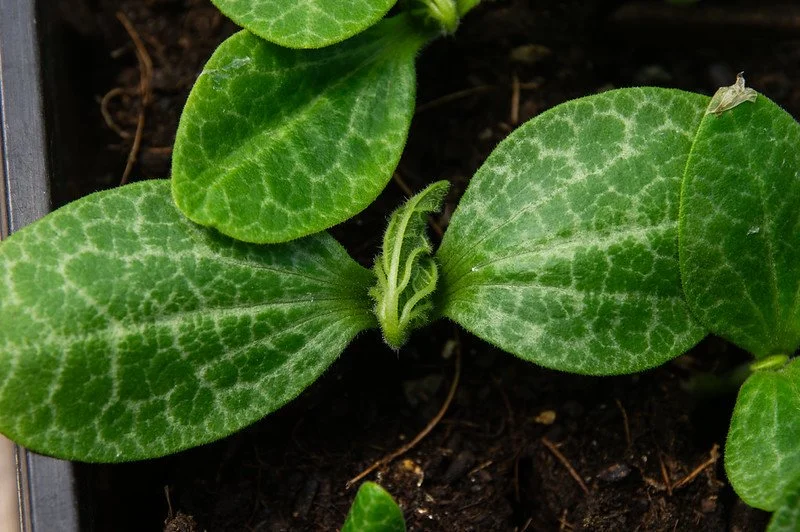
these zucchini babies will get transplanted out soon!, photo by Adam Ford
Farm News
It was a great week: transplanting lettuce, kale, chard, and parsley outdoors; planting the earliest potatoes; seeding sugarsnap peas; planting trays of flowers in the greenhouse for the flower garden; potting up tomato plants in the greenhouse for many people’s gardens; and so many beautiful fresh greens to harvest from the high tunnels. It doesn’t hurt that we still haven’t yet hit the high peak of our farm’s seasonal workload, so the team still gets to take Thursday and Friday afternoons off, for one more week. It’s physically demanding work to be on your feet—or crouching down—for many hours a day harvesting, planting, moving sandbags, spreading mulch, and so on. It’s good, as the work allows, to try to do it in a schedule that builds up rather than breaks down one’s body.
The new vegetable of the week is most definitely Green Garlic! Just as our stash of last year’s garlic bulbs has run out, we get to begin harvesting the growing shoots of garlic bulbs planted last fall. Last November, in one small section of a field predominantly planted to overwintering onions, we also planted a few hundred smaller garlic bulbs at close spacing: no breaking up the garlic into individual cloves, just the whole bulb stuck into the soil. This spring the growing shoots of all that garlic come up with the spring vigor that every grower of garlic knows. These next 2-3 weeks are the perfect time to enjoy this form of the versatile garlic plant: by late May the plants become a bit too tough and we have to wait until garlic scape season in late June to enjoy a form of garlic again.
If you’re new to green garlic (but good at analogies), scallions are to onions as green garlic is to garlic cloves. It is tender and fresh like a scallion, and also like a scallion you can use every single part of the stems and leaves. (For the adventurous cooks, the roots can be rinsed and fried in oil, served hot with salt and pepper for a delicious and crispy garlicky treat.) The green garlic stems and leaves can be blended, roasted, grilled (like asparagus!), sauteed, chopped fine and used fresh, and even fermented. Like garlic cloves, it has a spicy flavor when raw that mellows to a rich and deep garlic flavor when cooked.
On a sunny day the insects are humming around the willow flowers, new robin nests appear in new places, and across the valley we can see the sugar maples tapped by the Stewarts blush green all over the mountain. What a season…I feel lucky to watch another year of the maple leaves emerging and changing daily.
Have a great week,
-ESF Team: Ryan, Kara, K2, Vanessa, Taylor, Katie, Galen, Leah, Natalie, Cindy, Georgia, Amelia, and Hannah (and Sky and Soraya)
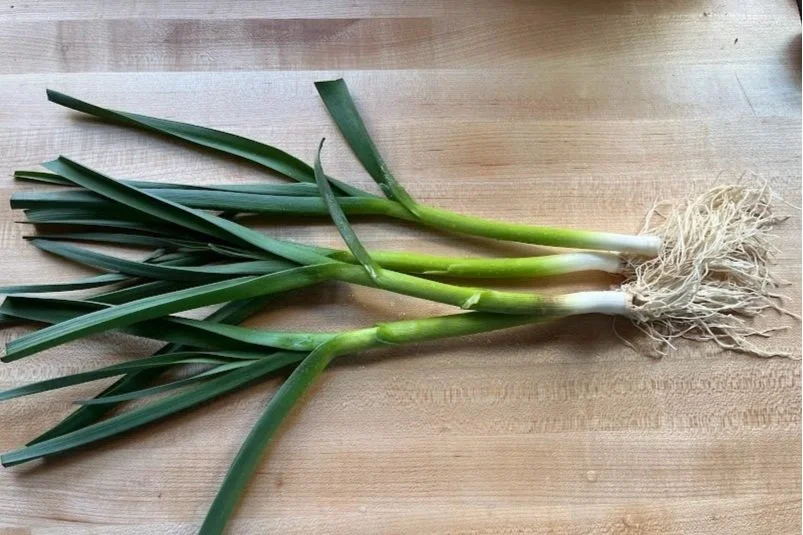
Fresh green garlic, photo by Ryan
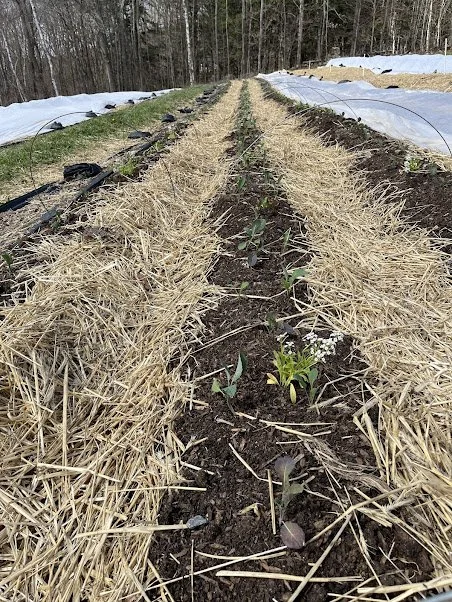
Along with the lacinato kale we planted sweet alyssum to draw beneficial insects into the field, and hopefully control the cabbage aphids that can be a big issue some years. Alyssum is amazing at flowering all summer long. Photo by Ryan
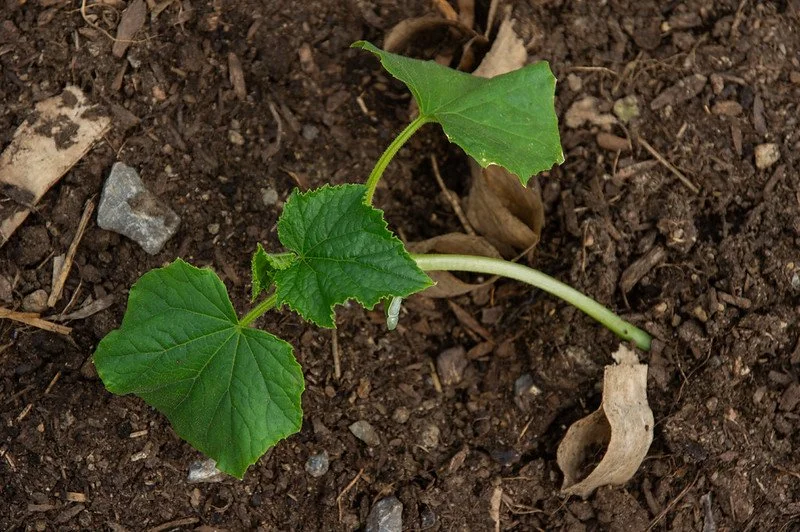
cukes in the tunnel transplanted last week, photo by Adam Ford.
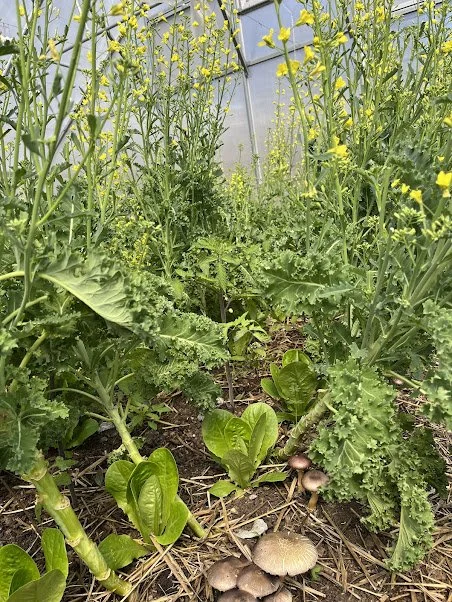
The Trunchbull is pretty wild right now. We are almost done harvesting the kale, after which the lettuce will size up. When we finish harvesting the lettuce, the tomatoes will have the bed all to themselves and their mushroom friends). Photo by Ryan
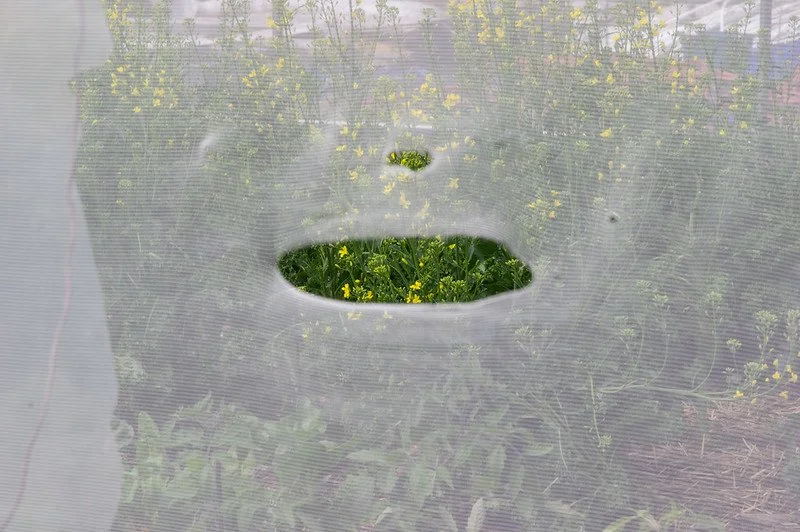
peaking into the tunnel through the insect netting, photo by Adam Ford
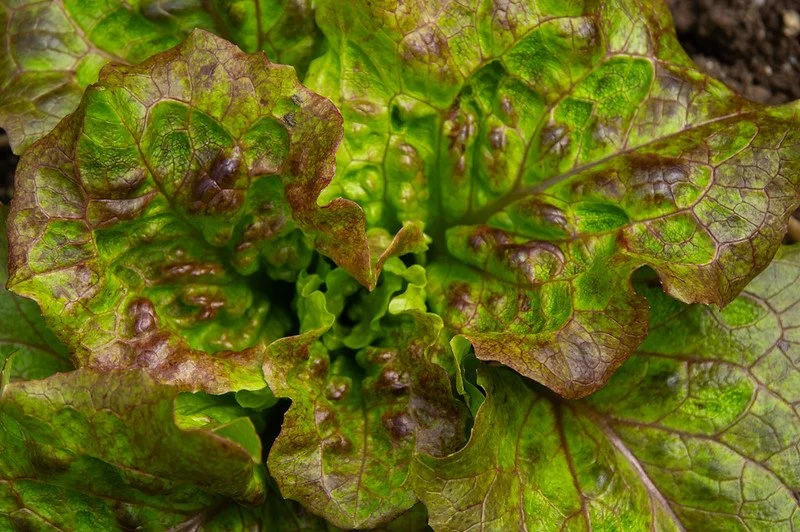
head lettuce transplants photo by Adam Ford
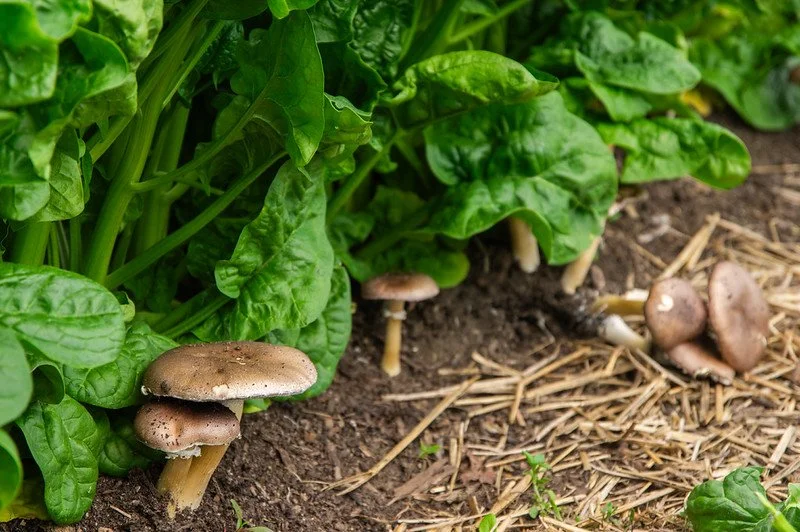
spinach and stropharia, photo by Adam Ford
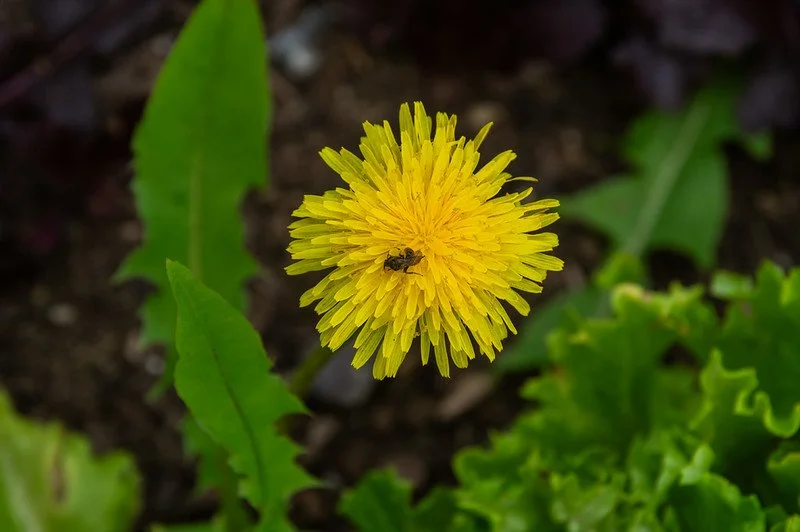
an excellent source of early food for pollinators, but a pesky perennial weed in our fields, photo by Adam Ford
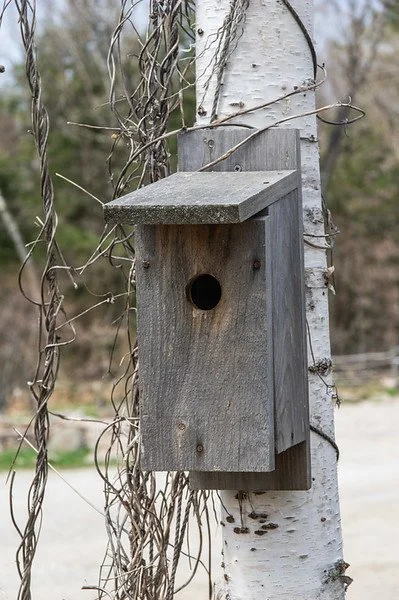
birdhouses everywhere, photo by Adam Ford
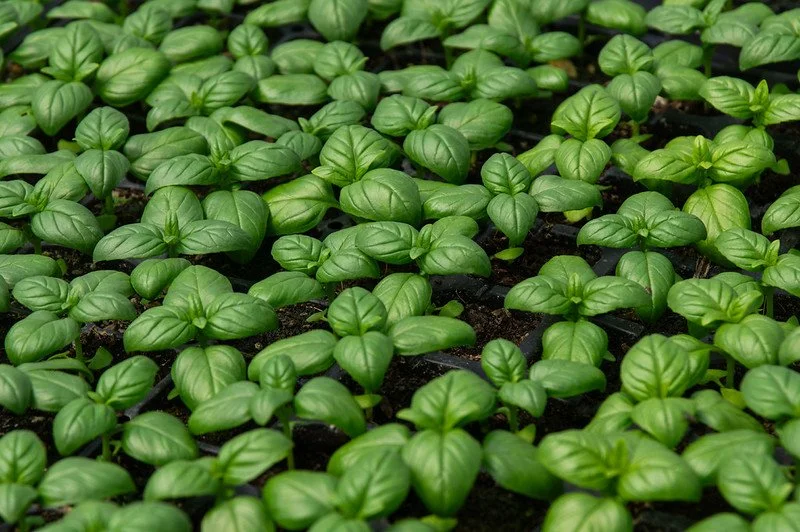
basil babies, photo by Adam Ford
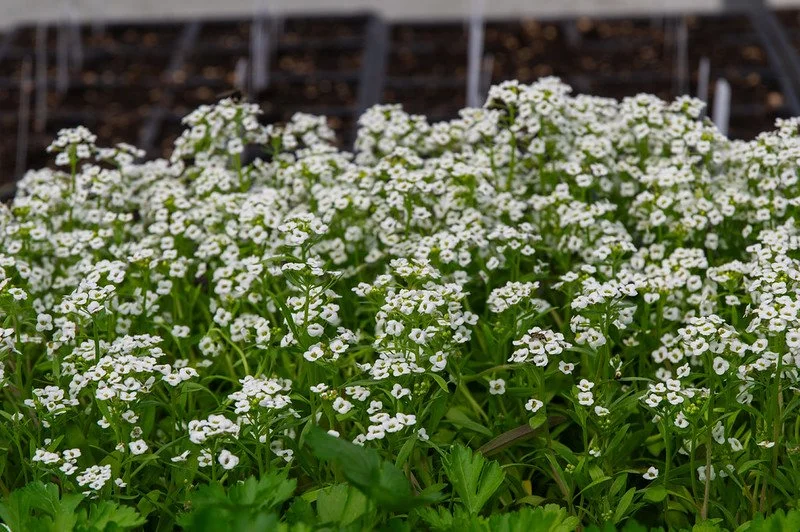
alyssum for insect habitat, photo by Adam Ford
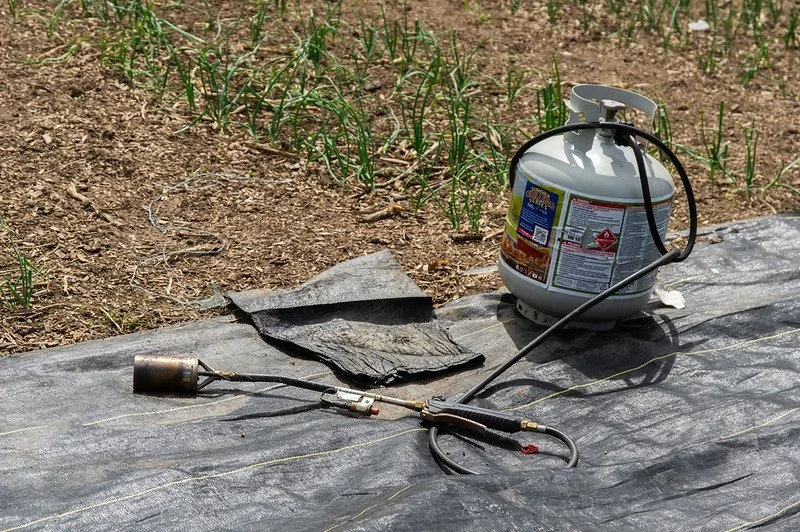
there it is, we DO burn fossil fuels to grow veggies…. this is a flame weeder that gets used on newly germinating weeds before our tightly seeded baby greens emerge, photo by Adam Ford
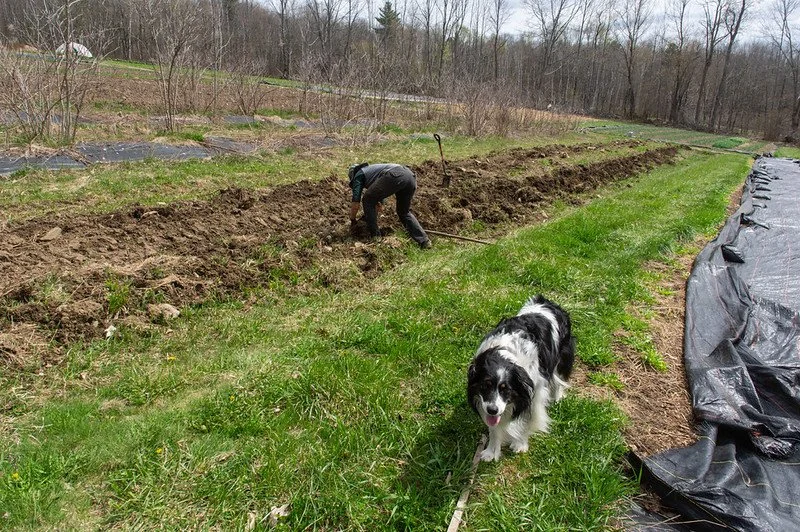
Harley overseeing Natalie digging a rhubarb trench, photo by Adam Ford
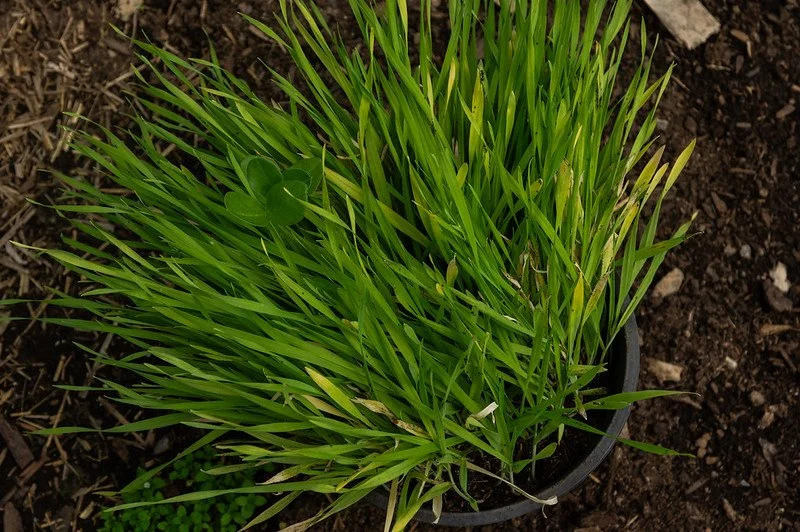
growing oats to support our aphid nursery, photo by Adam Ford
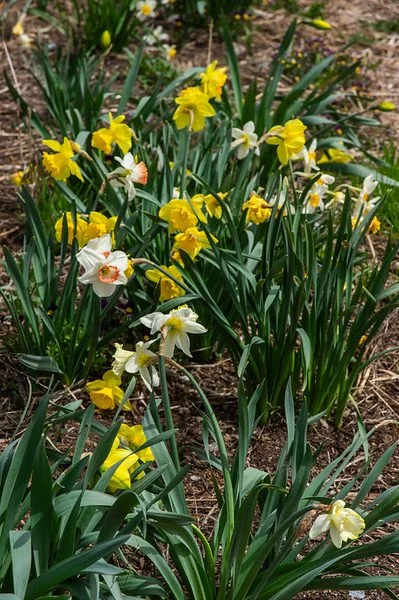
daffodils! photo by Adam Ford
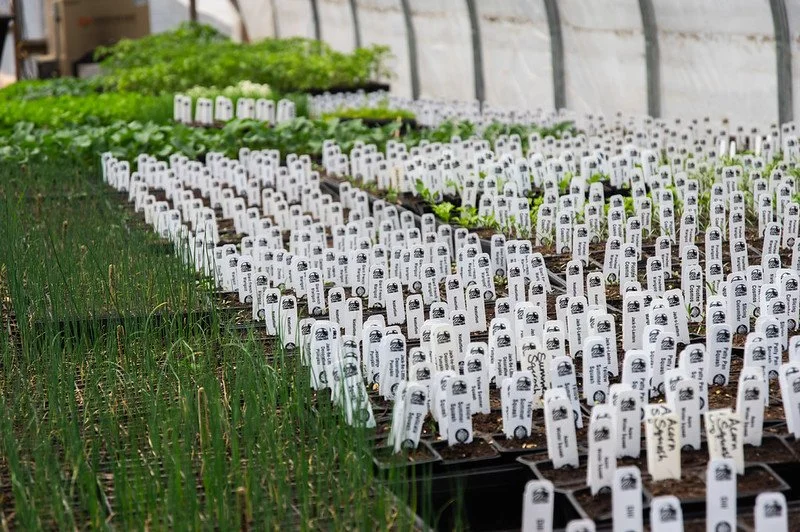
so many plants for sale! photo by Adam Ford
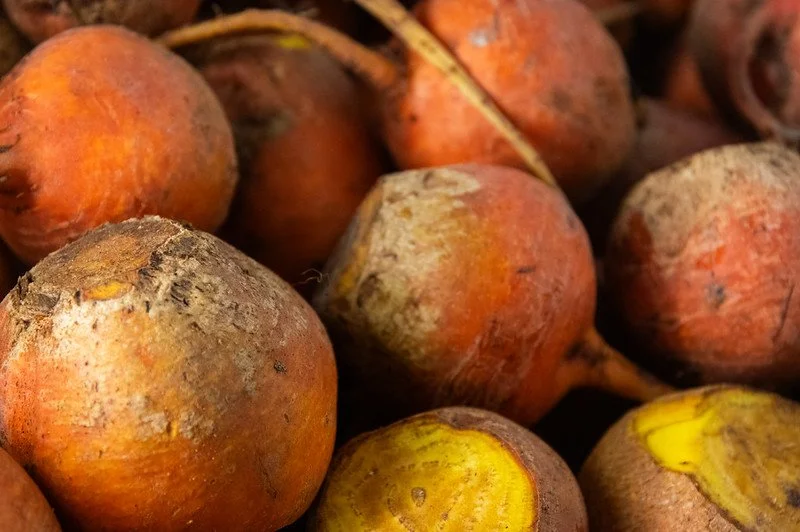
yellow beets, photo by Adam Ford
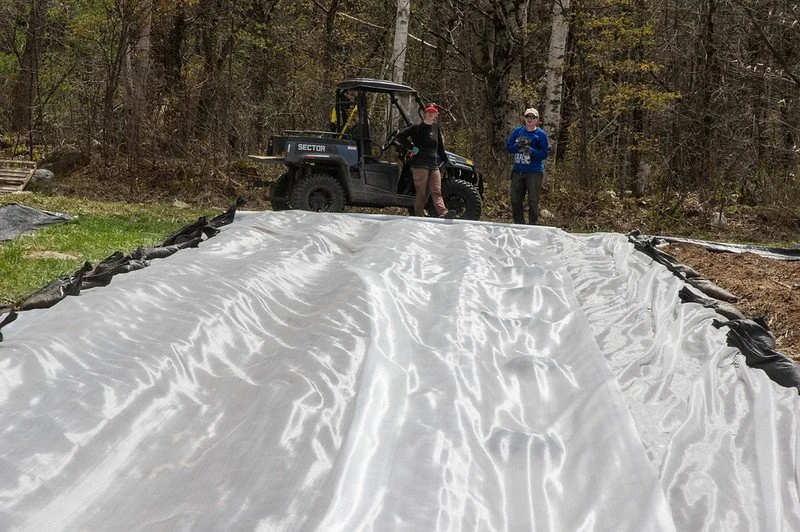
Georgia and K2 covering an early potato planting with insect exclusion netting… It’s our only hope to manage potato beetles, since there isn’t an effective organic spray for them, photo by Adam Ford
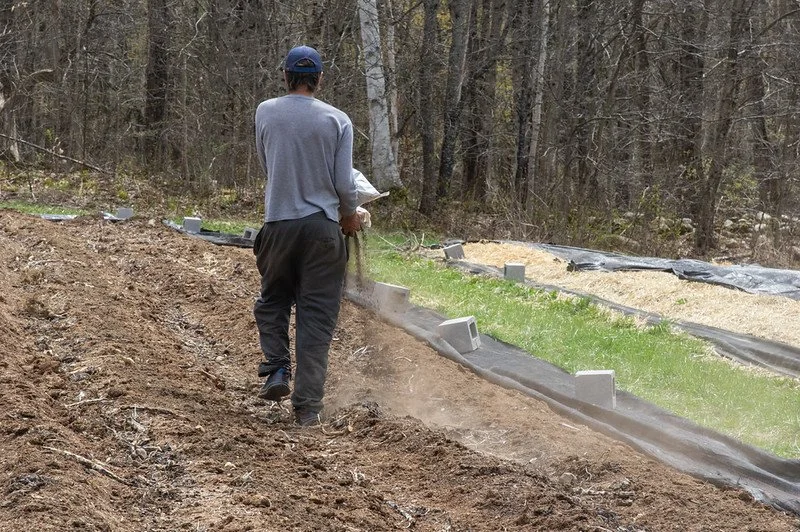
Ryan adding some organic fertilizer to a bed before seeding, photo by Adam Ford
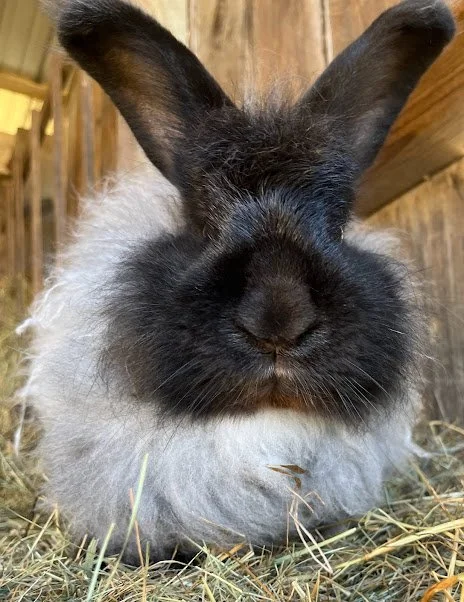
See y’all next week, photo by Ryan