
5th Week of the Summer CSA Season: June 24th
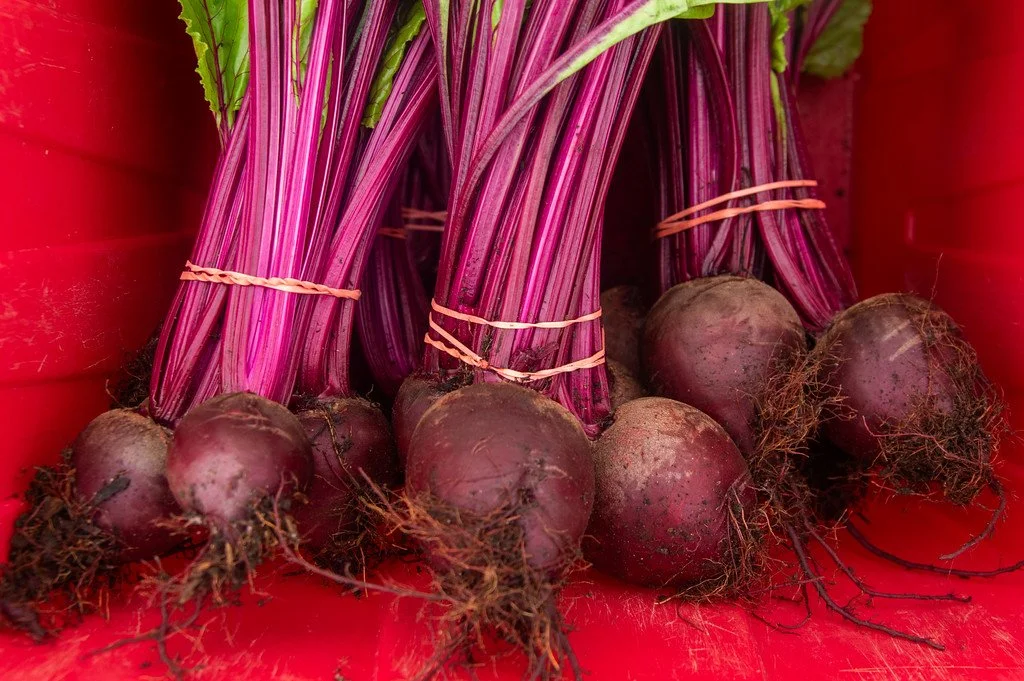
fresh harvested beet! enjoy those greens! photo by Adam Ford
This Week’s Availability
This week we will have:
Greens: baby lettuce, pea shoots, arugula, spinach, green frilly head lettuce, mini romaine head lettuce, bok choi
Roots: potatoes, fresh beet bunches with greens, fresh carrots with tops, rutabaga, red radishes
Alliums: garlic scapes, fresh baby onion bunches*, fresh onion bunches (bigger size)
Miscellaneous: Rhubarb
Fruiting crops: sugarsnap peas, slicing cucumbers, pickling cucumbers
*Baby onion bunches are golf-ball sized onions or smaller with nice greens that can be used fresh or cooked… Think of these as gorgeous scallions with large white bulbs.
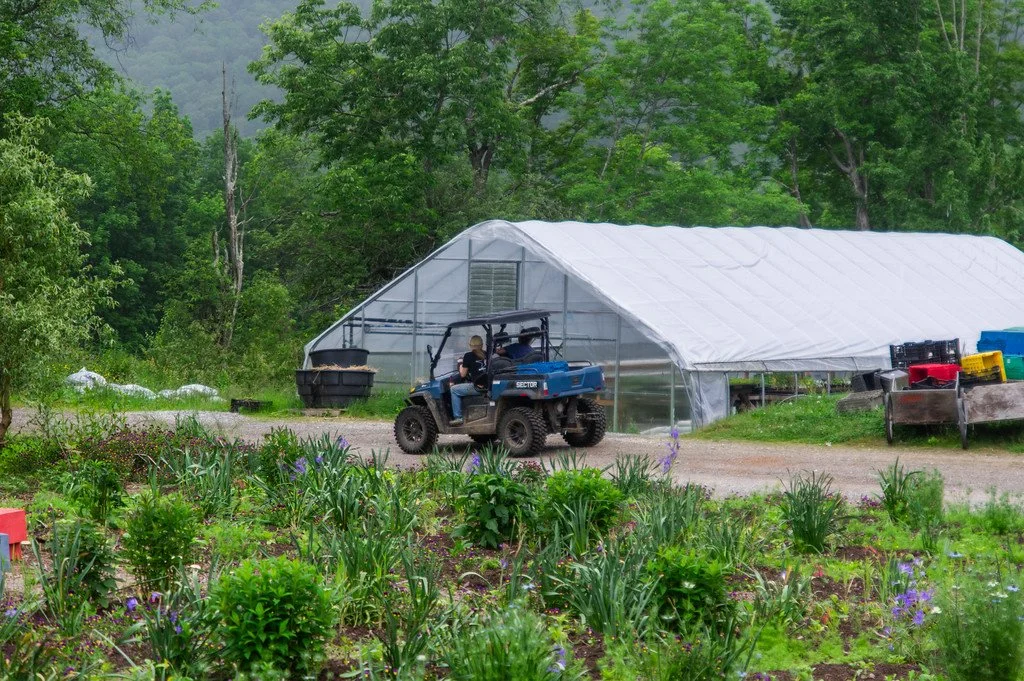
harvest team driving past the pick-your-own flower garden, photo by Adam Ford
Farm News
When I saw this picture, it reminded me of a something that lived in the shop of the farm that we lived at in Pennsylvania where we first started a veggie CSA:
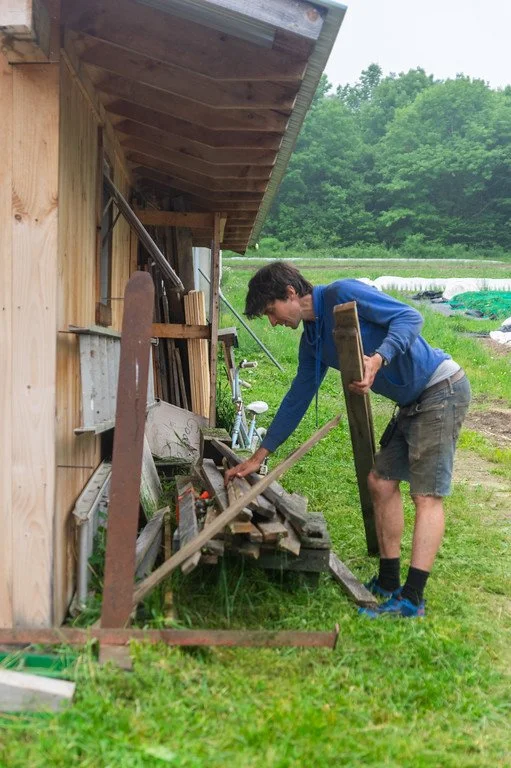
Ryan snagging a piece of recycled lumber, photo by Adam Ford
There was a large can labeled, “bailing twine too short to save,” and it was stuffed with small pieces of bailing twine that were leftover from larger pieces that were used for other things around the farm. (If this is not a well known fact, bailing twine is used for various, random, sometimes effective, sometimes questionable repairs around farms. In fact, just this week, we used bailing twine to secure a pea trellis rescue operation after some gnarly wind blew an entire row down…. Thank goodness we have a dairy goat hobby that generates a healthy stash of our own bailing twine that is “too short to save.”)
This particular farm we lived at was exceptionally good at saving and repurposing anything that could possibly be useful in case one day, the random thing that seemed useful a decade ago or more, finally found it’s ultimate agrarian purpose. This farm was a sleep away summer camp for kids, so I spent summers as a camper, counselor, assistant director, and farmer at this camp, really internalizing their way of minimizing waste through reuse and repurpose to a potentially excessive degree. There is obviously a fine line between saving potentially useful things for later to minimize trash generation, and developing clutter and hindering the flow of work and activity, but sometimes you just need a can of bailing twine that is too short to save. (Despite the label clearly indicating, that perhaps, it doesn’t need to be saved?)
The summer that I unearthed that can at camp in Pennsylvania that held all that “bailing twine too short to save,” we were doing a deep clean and organization of the space to make sure that historical efforts to minimize waste weren’t hindering our present productivity and ease. A dedicated student of zero waste, I dumped the twine out of the can to determine, “How short are these really? Long enough to tie around that broken section of fence? Long enough to secure the door on the corn crib that’s flopping a bit from a rusty hinge?” I found myself tying a few sections together to make them longer, and hopefully more useful for some future task, until I decided that we could probably throw these out, because, in fact, we generated new bailing twine all the time as we fed dairy cows through the winter, and most of those were “long enough to save.”
This picture above is Ryan grabbing a completely useful piece of lumber from a little area we have organized under the overhang on the shop barn where we put cut pieces of lumber in different spots based on their size. He’s grabbing one of the larger pieces, but we also keep (debatably useful) much smaller pieces, that often have a use for some reason, at some point. It’s incredibly satisfying to put things to use that might otherwise be discarded. The embodied energy in a resource as ubiquitous as a piece of lumber is still precious to me… even if I can go buy a new full length one a couple miles away at the hardware store. That tree grew, participated in a complex and vibrant ecosystem, captured carbon, stored carbon, required fossil fuels to get to it in the forest, cut it down, pull it out, move it to a mill, mill it, move it to a store, and then move again to it’s building location. Central to my work as a farmer, I feel that it’s necessary to be mindful of my consumption and my waste. (There is also a different kind of waste in holding on to too many remnant resources that may or may not be useful one day.) But seeing this picture above, of Ryan having a use for a particular piece of lumber, brought me a little joy thinking about where I first learned about being scrappy in service of the earth. We may not keep a can of bailing twine that is too short to save, but for now, our farm has space to keep some random pieces of lumber. (Until the next generation cleans it out, laughing at our perceived resourcefulness, of course!)
This week we continued to trellis the tomatoes, cucumbers, and outdoor peas, transplanted the brussels sprouts, and continued to seed our weekly round of direct seedings of carrots, beets, and greens.
It’s a delight to be pulling the spring carrots and beets this week, a reminder that summer is here on this solstice weekend, even though it’s been a cool and wet spring!
Have a great week,
-ESF Team: Ryan, Kara, K2, Cindy, Taylor, Leah, Natalie, Katie, Galen, Vanessa, Miguel, Georgia, and Hannah (and Sky and Soraya)
There are a lot of delicious garlic scape pesto recipes on the internet, and they are all worth trying. Garlic scape pesto is a seasonal treat that we LOVE. Unlike other pestos I make that I find delightful fresh or defrosted after being frozen, I think the intensity of the garlic scapes chill out more than this garlic-loving farmer wants once it has been in the freezer. (We still freeze some for the winter, but it’s nothing like the power punch of garlic you get from a fresh batch of scape pesto.) The recipe above is a twist on standard garlic scape pesto.. If you want a slight adventure, carrot tops offer a unique detour in pesto land.
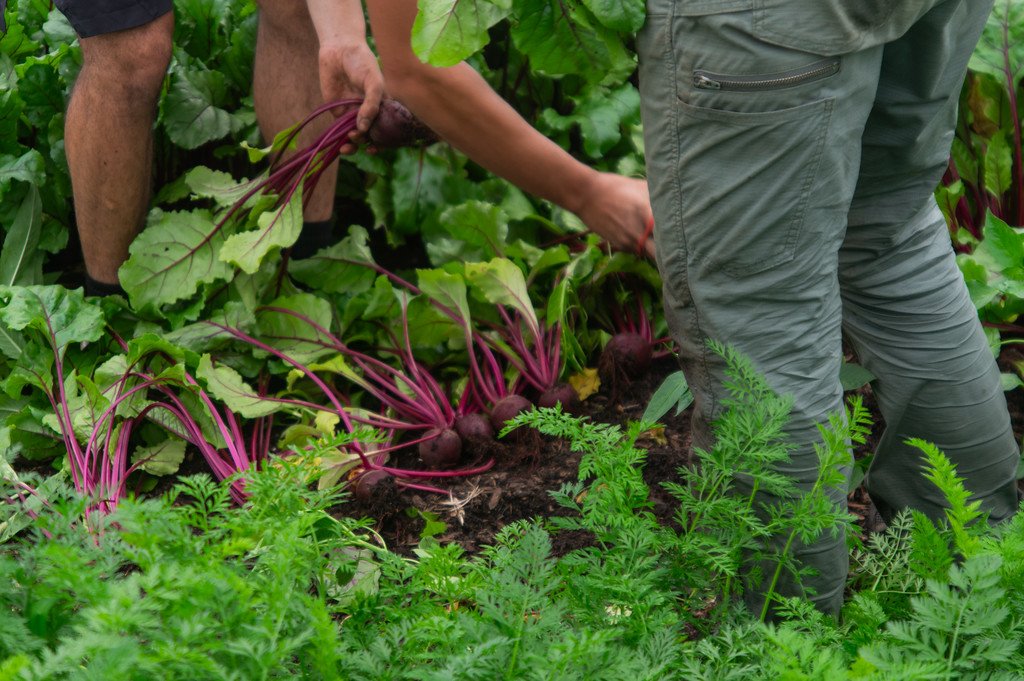
harvesting beets, photo by Adam Ford
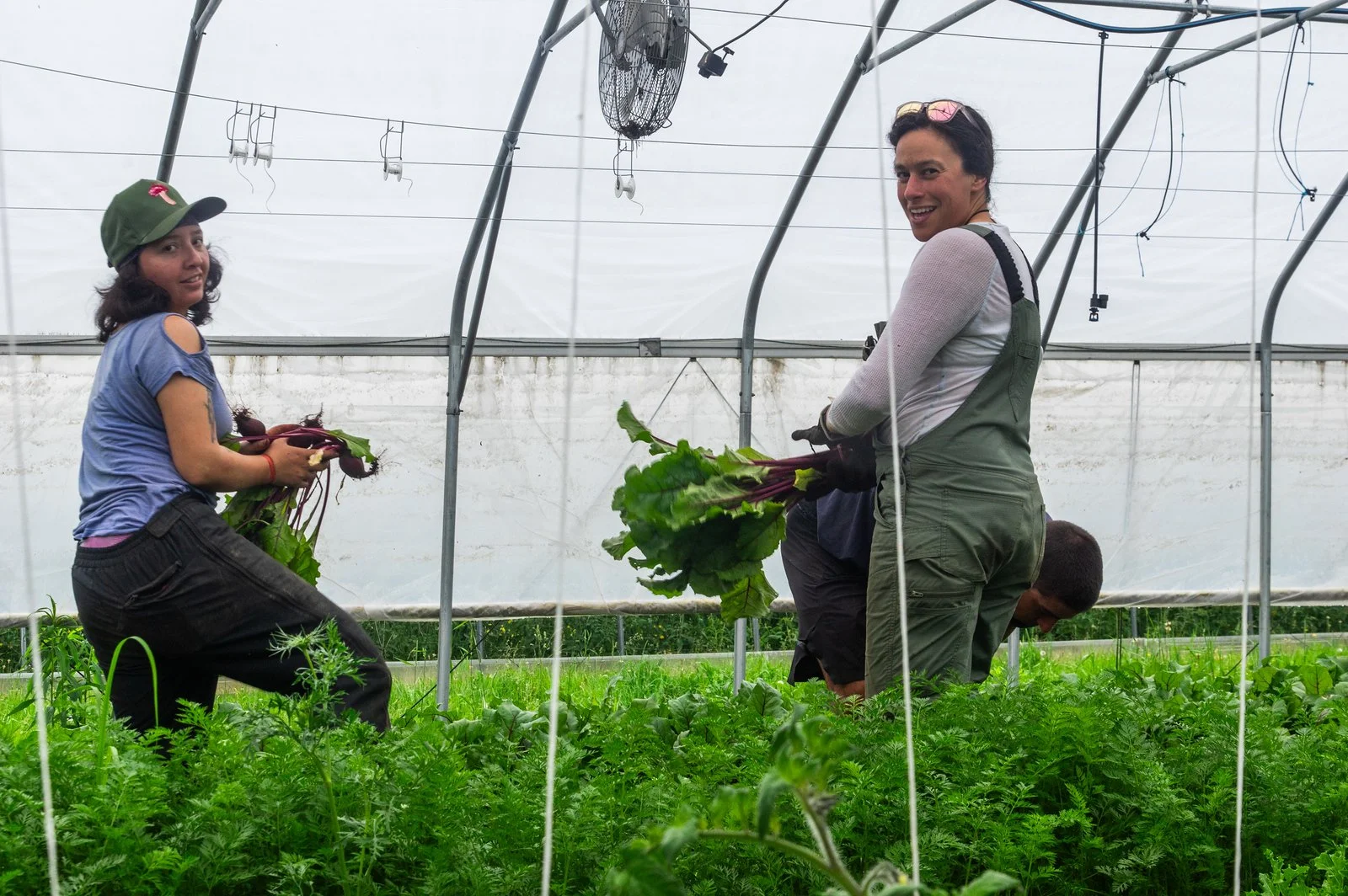
Vane, Natalie, and Miguel, photo by Adam Ford
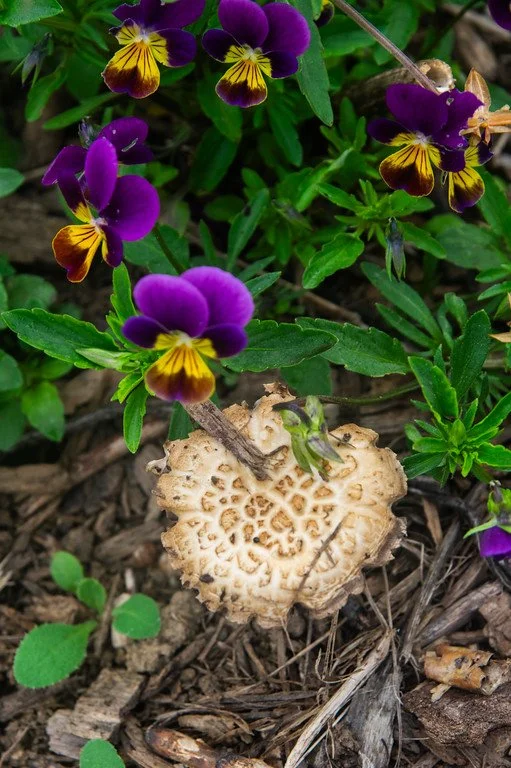
just a little biodiversity in the gardens, photo by Adam Ford
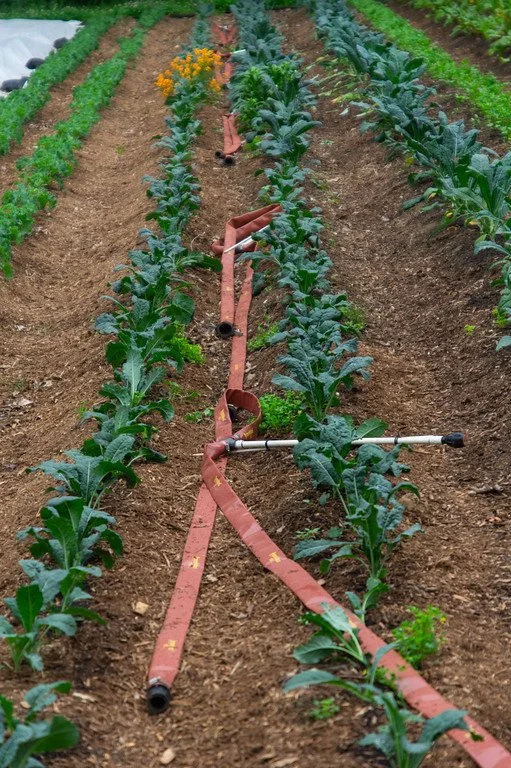
laying out irrigation in the lacinato kale, photo by Adam Ford
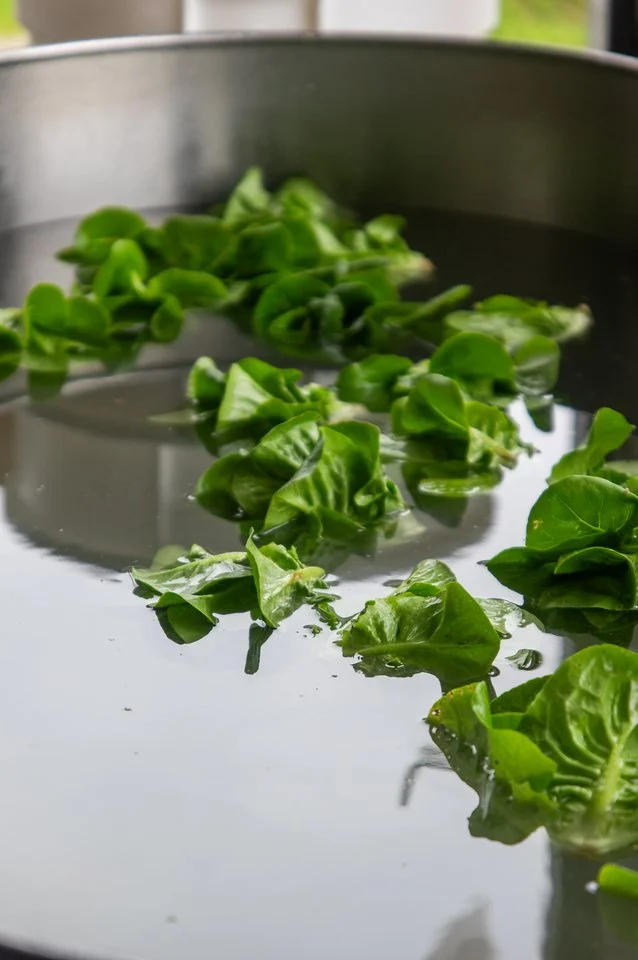
mini romaine lettuce heads, photo by Adam Ford

zucchinis are coming! photo by Adam Ford
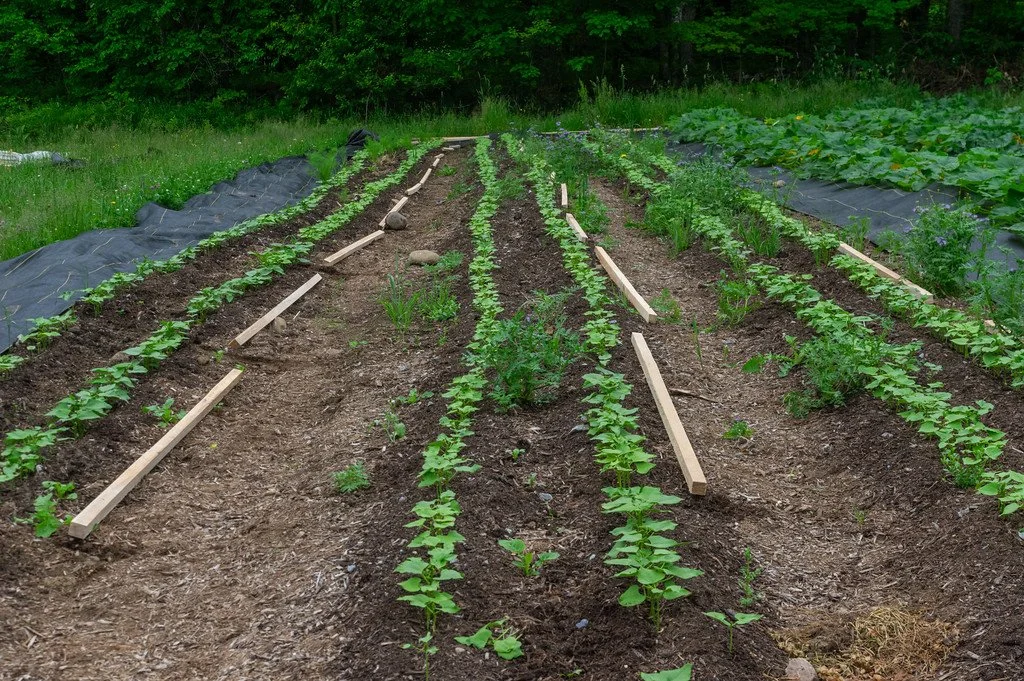
getting steaks for pole beans ready, photo by Adam Ford
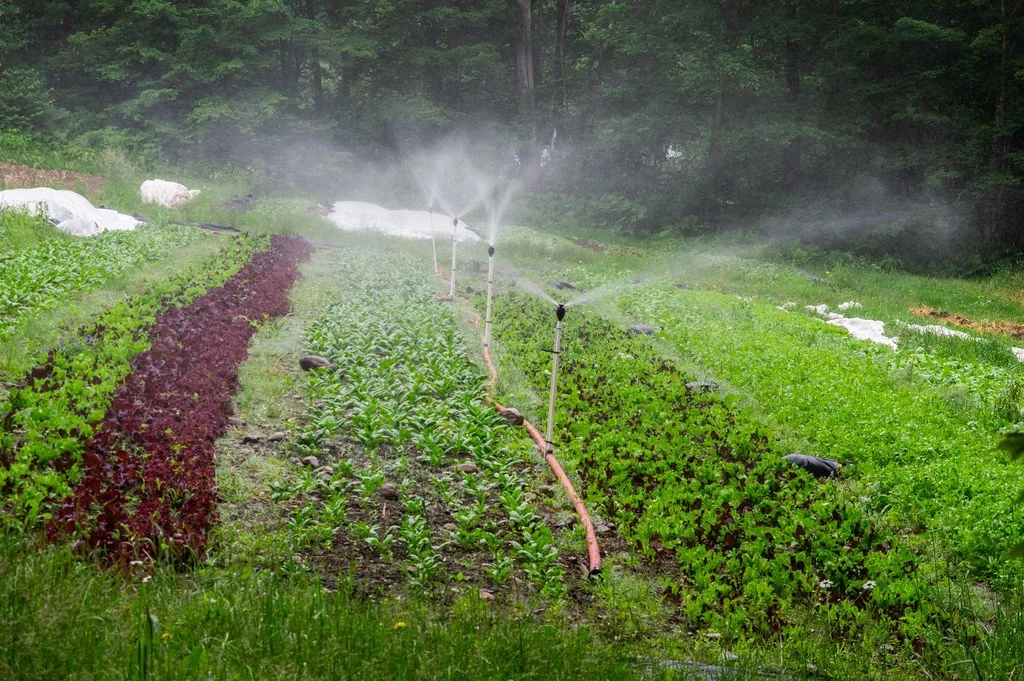
irrigating spinach and baby lettuce on the hot, hot day, photo by Adam Ford
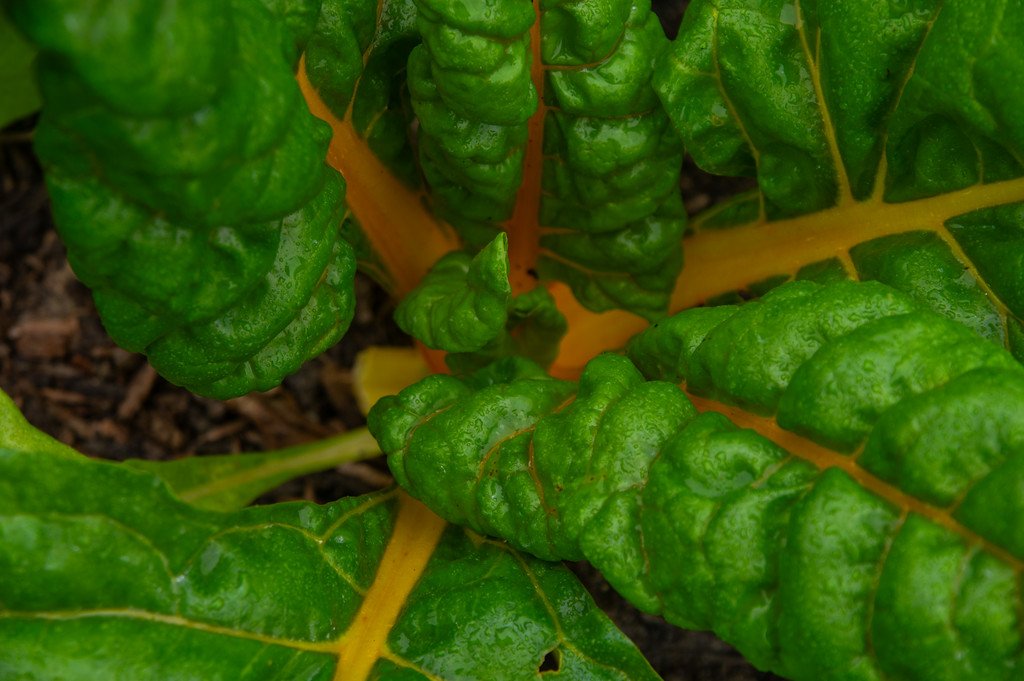
chard, photo by Adam Ford
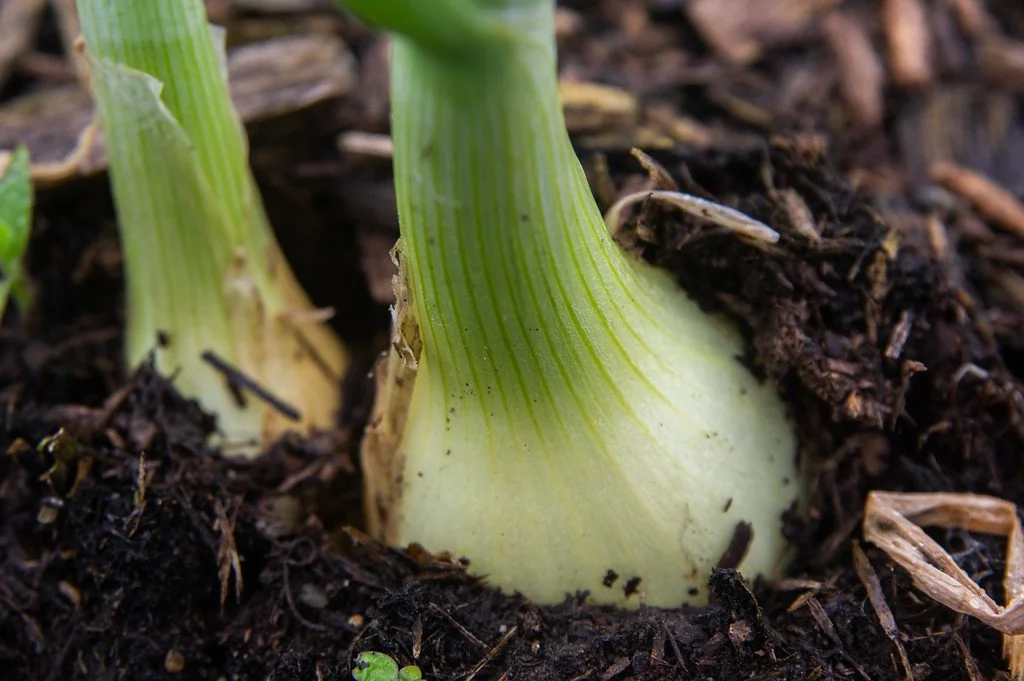
onions ready to harvest, photo by Adam Ford
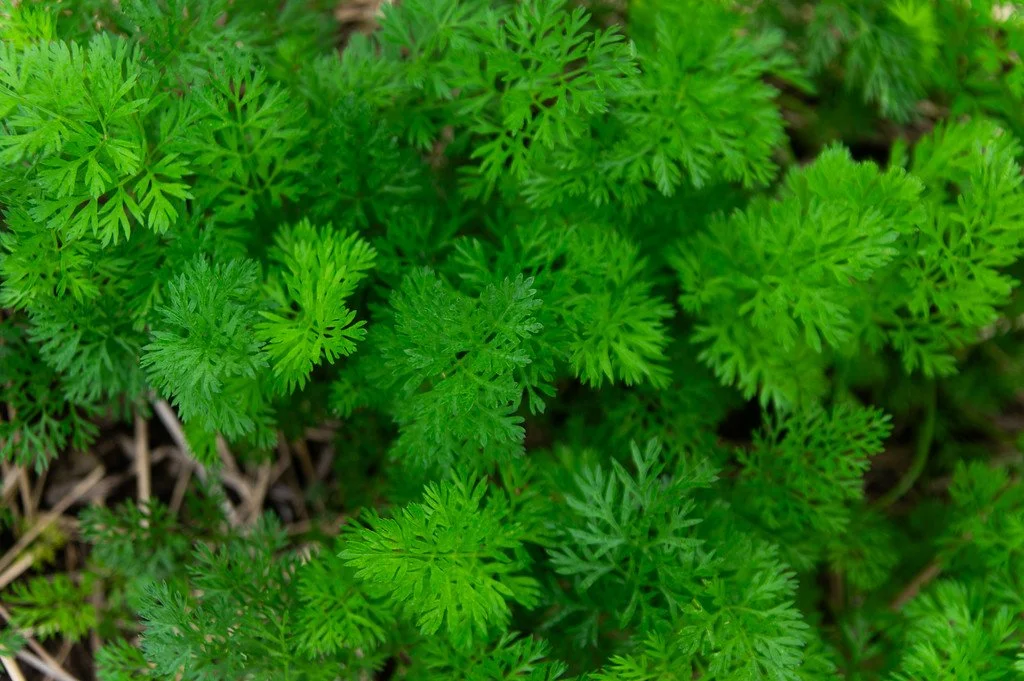
carrot tops on the first round of outdoor seeded carrots, photo by Adam Ford
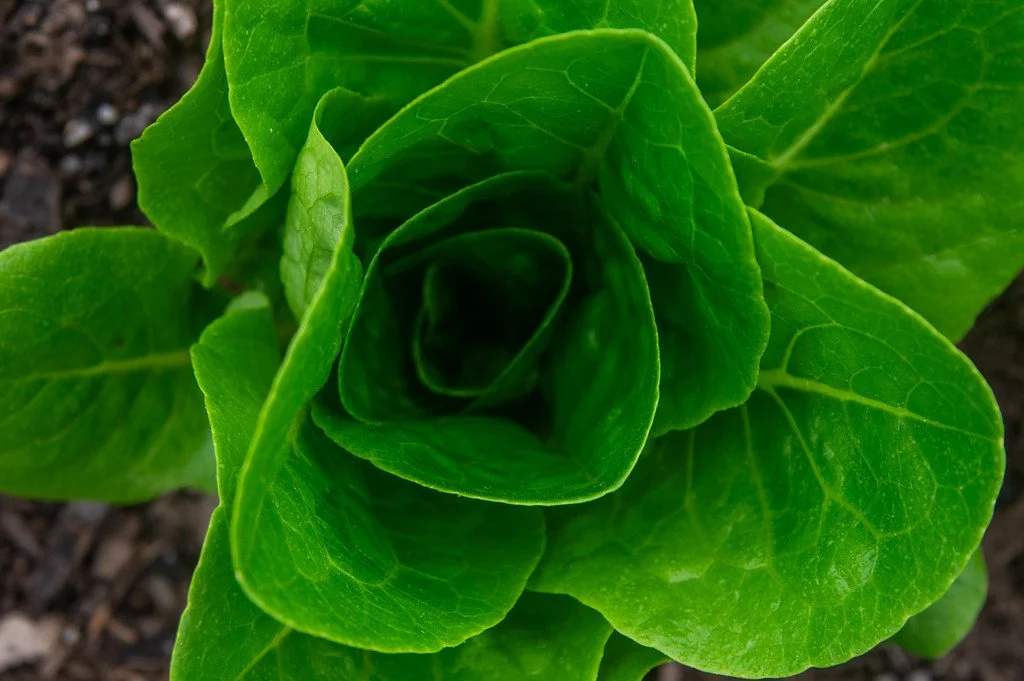
baby romaine, photo by Adam Ford
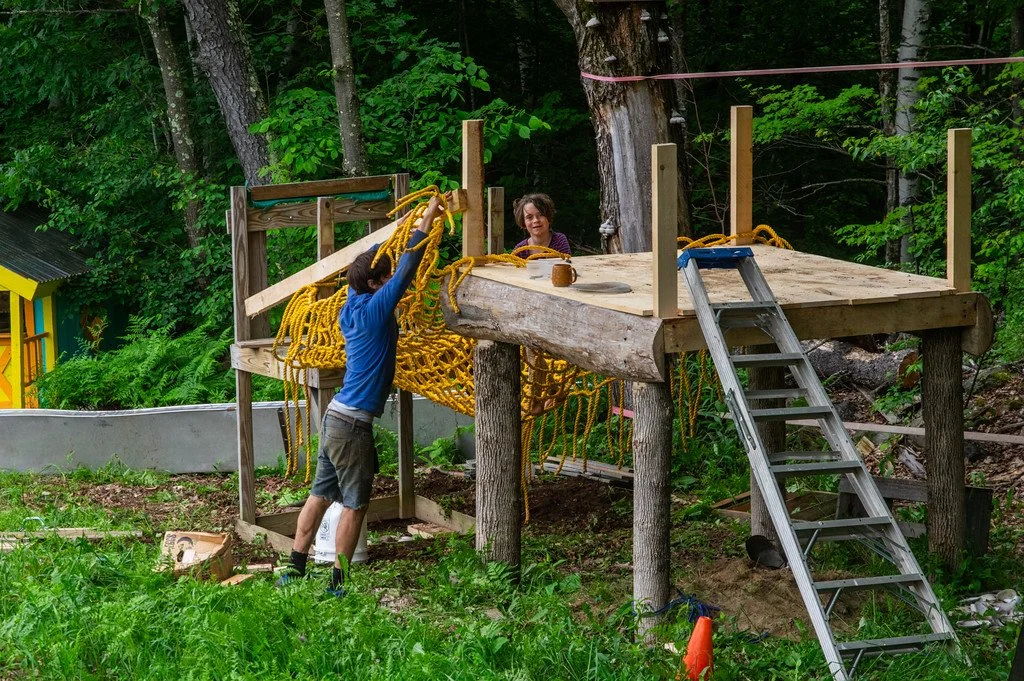
Ryan and the kids have been working on a multi-level treehouse compound during summer break, and they just added this rope netting that my dad put together years ago when we started brainstorming this project. It’s really cool to get to work on it with them and see how invested they are in it’s design, photo by Adam Ford
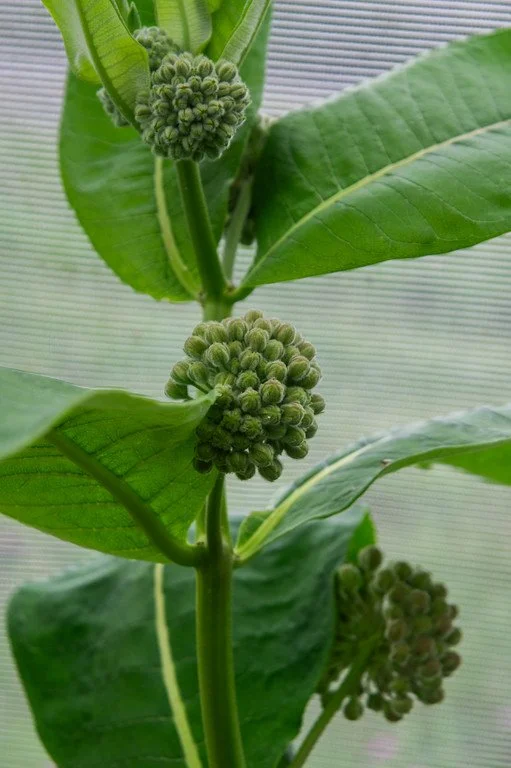
we don’t weed out the milkweed! photo by Adam Ford
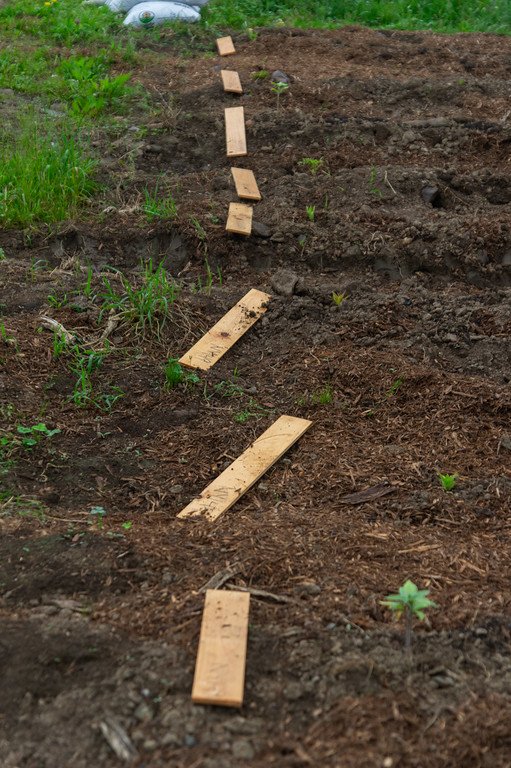
setting up labels for potato varieties, photo by Adam Ford
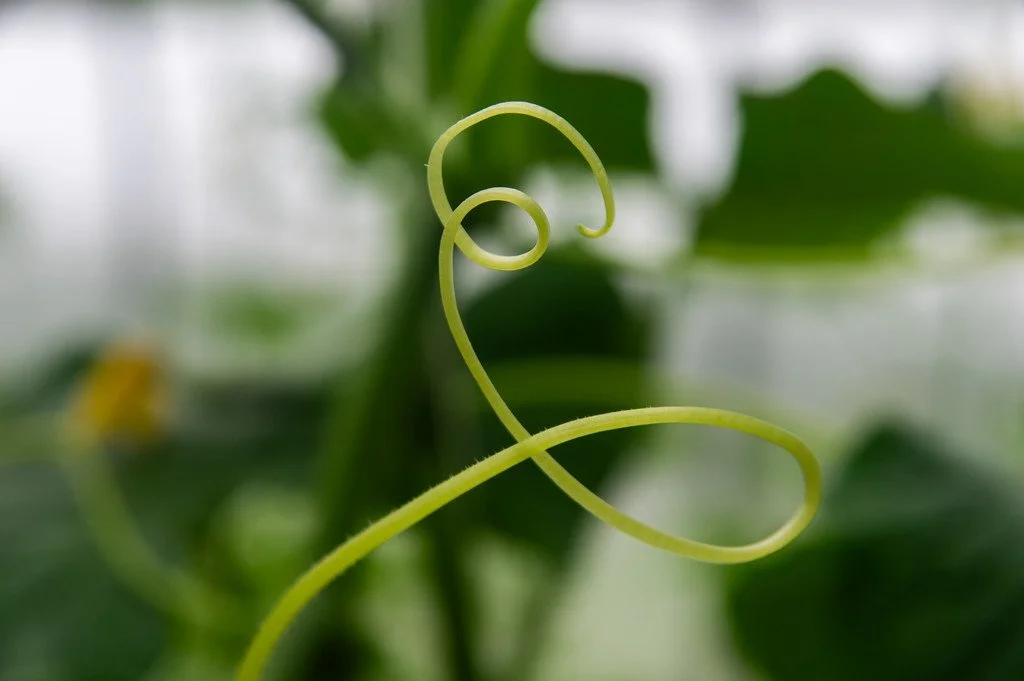
cuke tendril, photo by Adam Ford
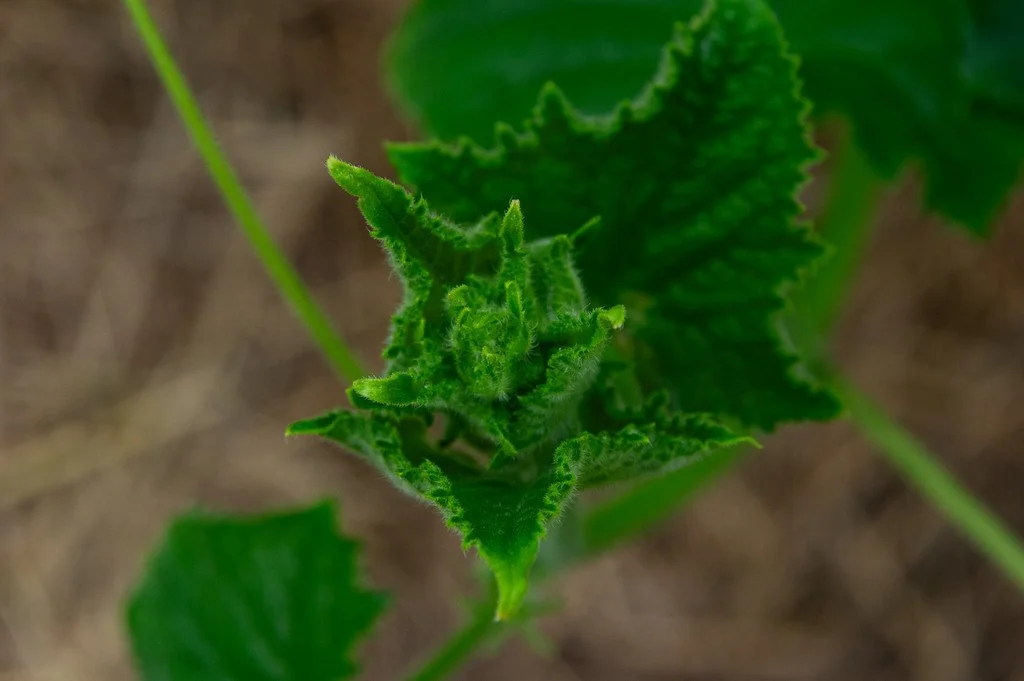
cuke growing tip, photo by Adam Ford
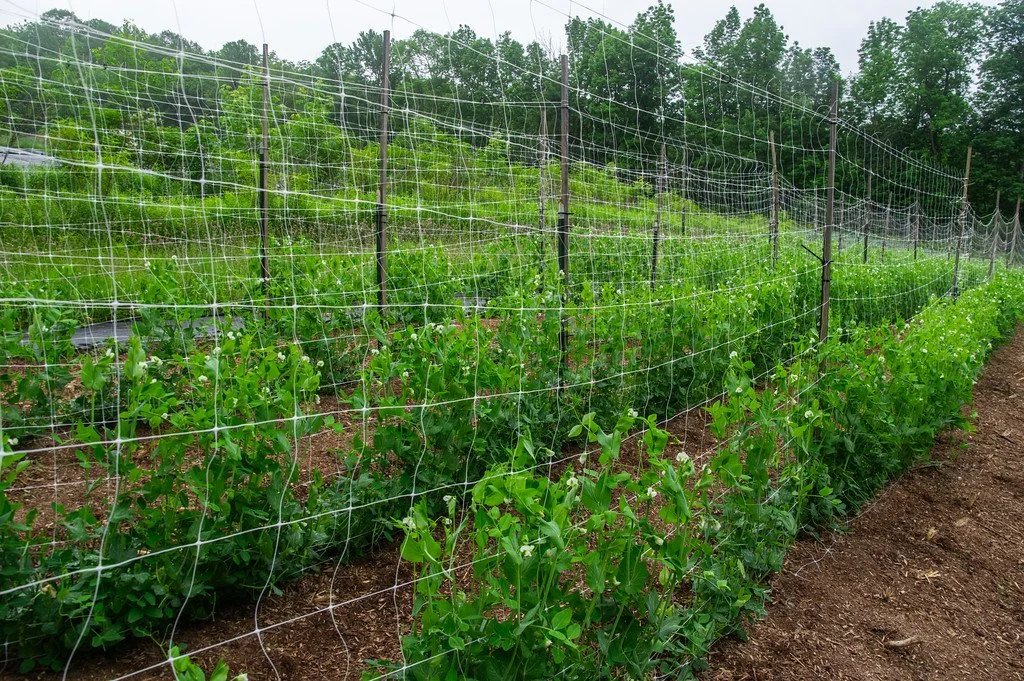
just wait until the outdoor peas kick in! photo by Adam Ford
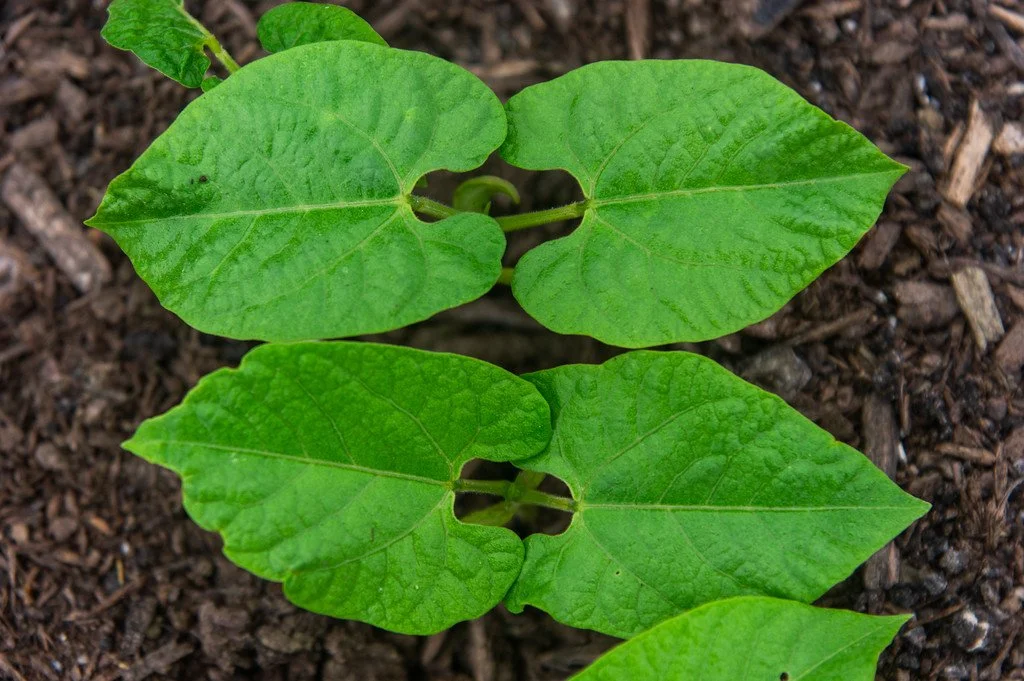
little bean plants, photo by Adam Ford
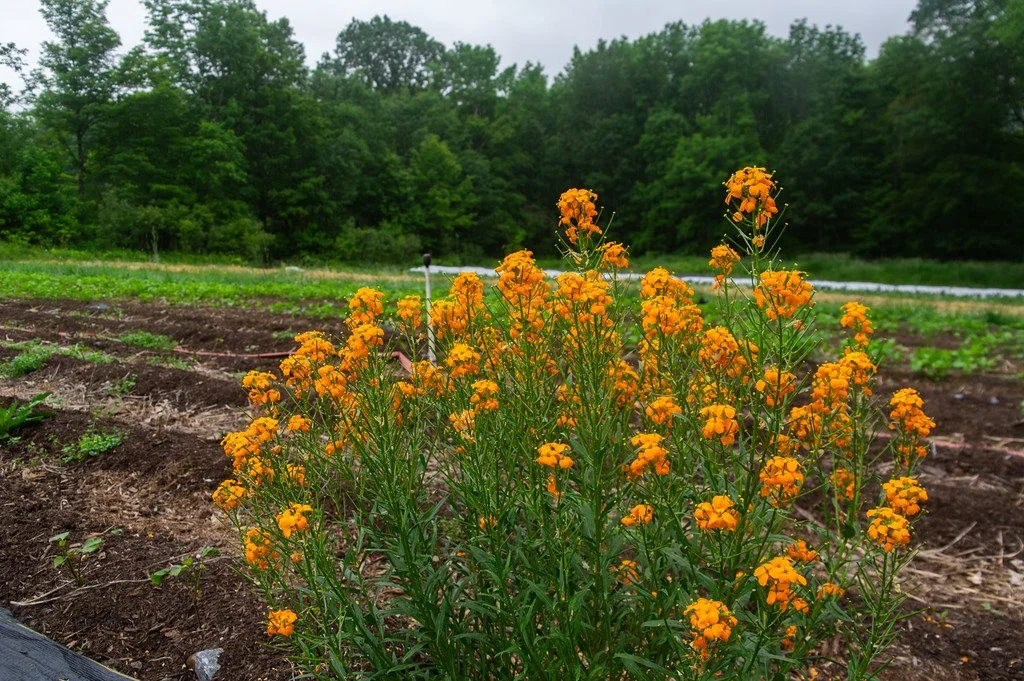
wallflower provides beneficial insect habitat and pollinator food in the veggie rows, photo by Adam Ford
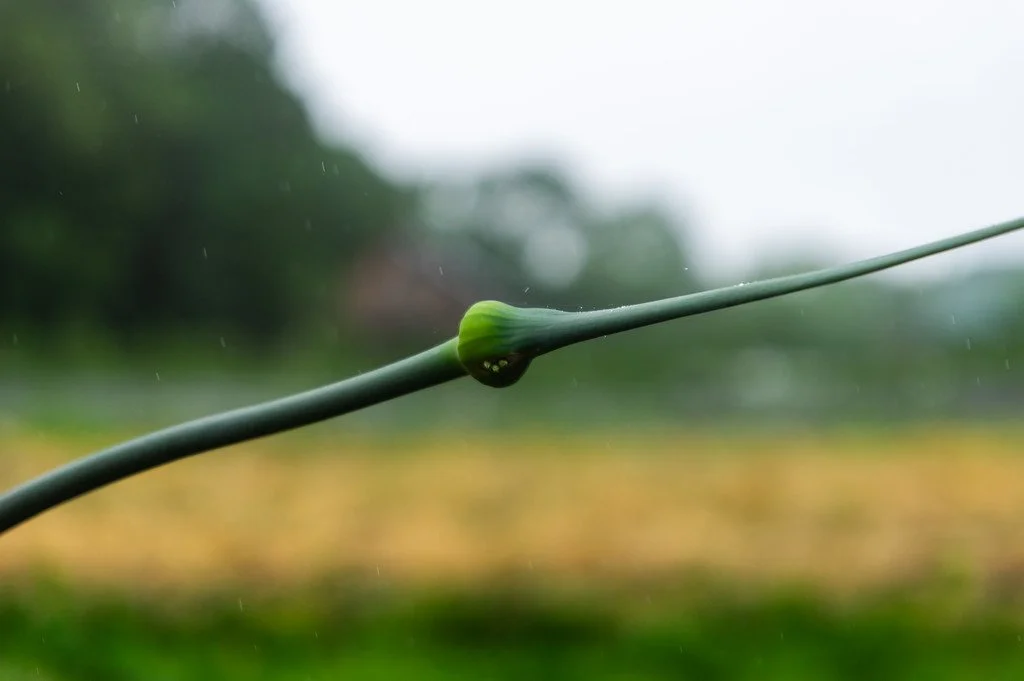
a flower bud from last year’s leek, photo by Adam Ford
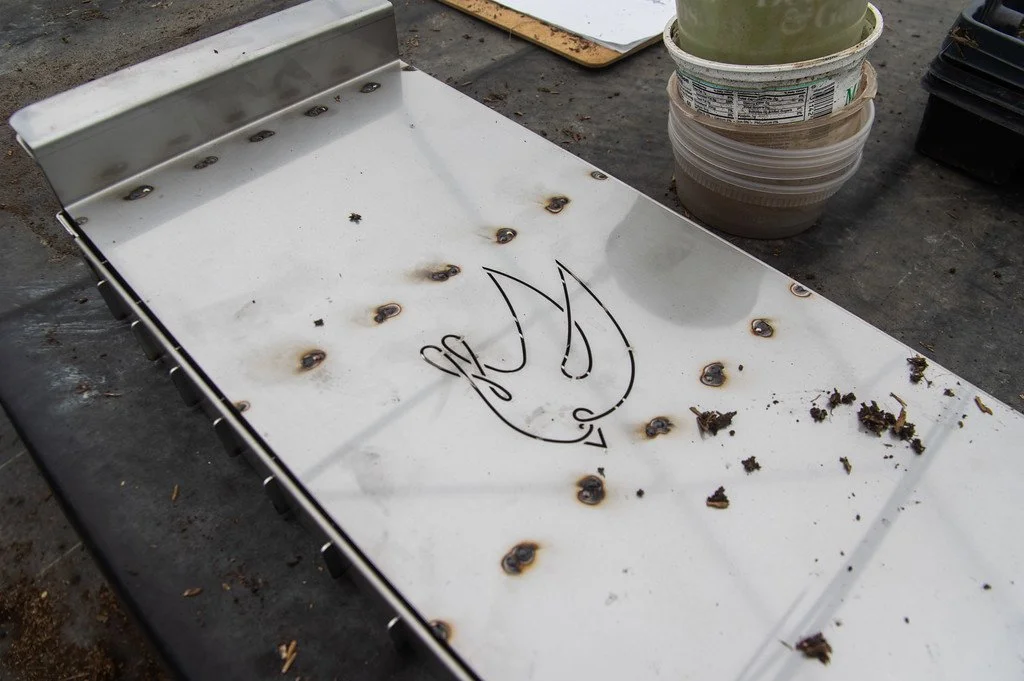
a new tool for our seedling greenhosue photo by Adam Ford
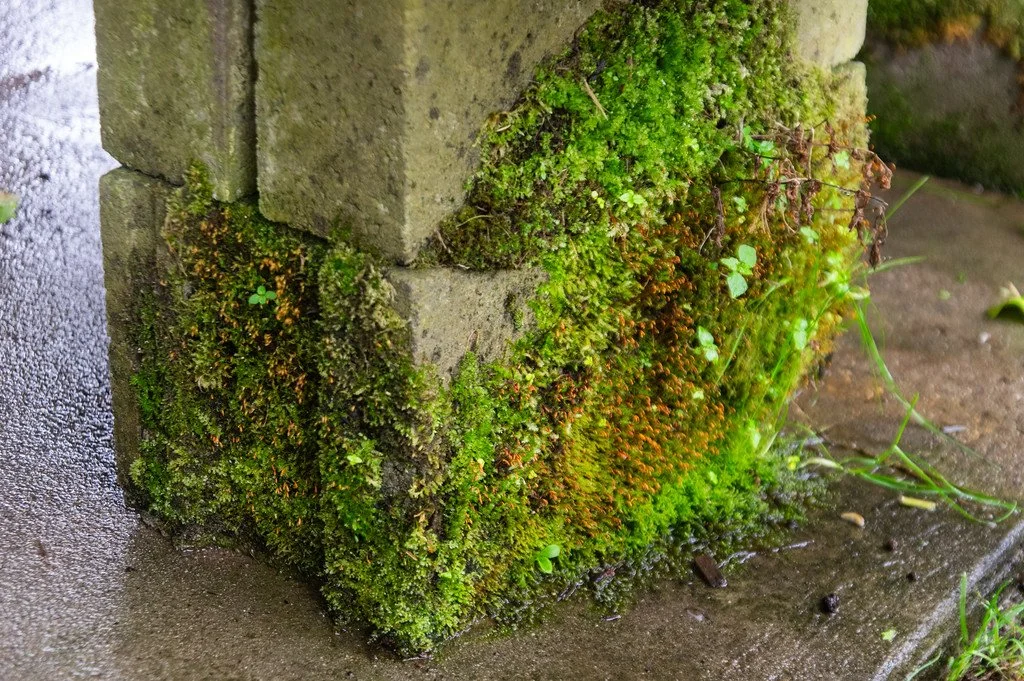
This moss on the cinder under the wash tub makes me feel like we have been here for awhile now, photo by Adam Ford
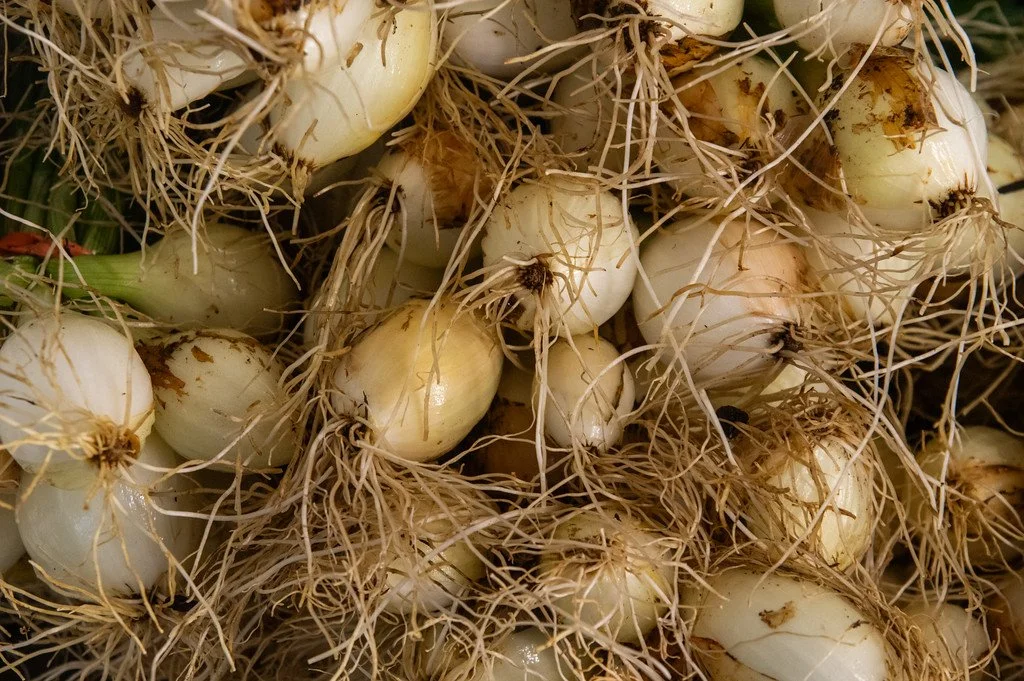
baby onions, photo by Adam Ford
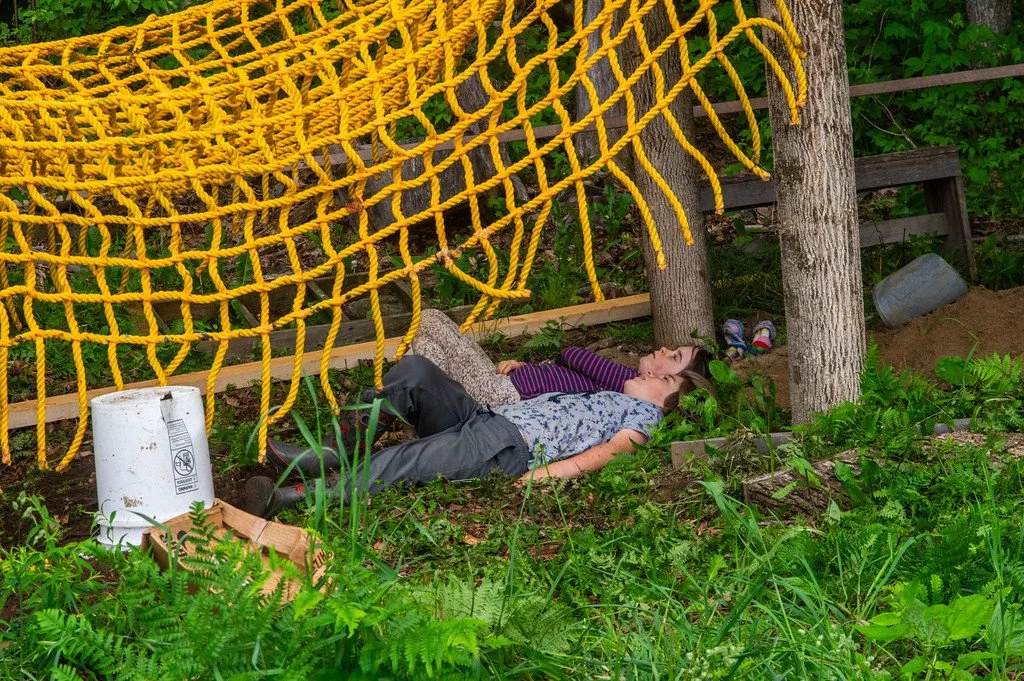
And this is obviously my favorite picture: two chilled out, tired kids, after a day of working on their treehouse, looking up through the netting, listening to the birdsong. (Soraya told me she was imagining being a bird at VINS.) All I see in this picture is two siblings not fighting, and that is everything I need, photo by Adam Ford