
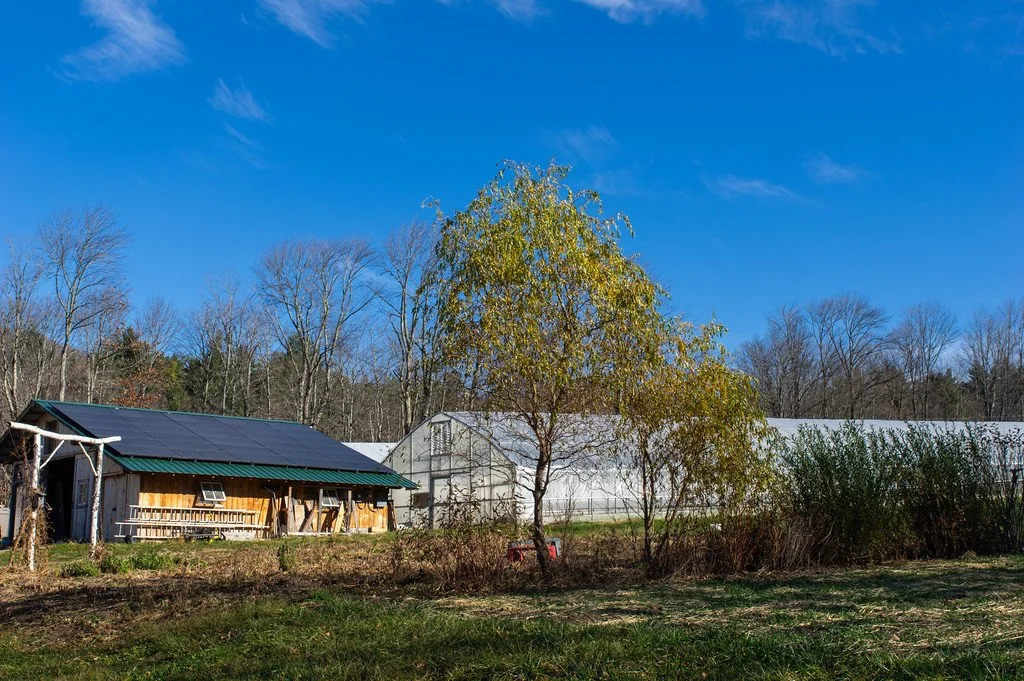
Looking up at the flower garden (All photos by Adam Ford)
This Week’s Availability
This week we will have:
Greens: baby lettuce, green curly kale bunches, lacinato kale, rainbow chard, green cabbage, giant green cabbage, bok choi, brussels sprouts, green leaf lettuce, spinach, mesclun mix
Roots: red potatoes, yellow potatoes, red beets, yellow beets, carrots, baby carrots, parsnips, watermelon radish, mini daikon radish, daikon radish, Gilfeather turnips, rutabaga
Alliums: yellow onions, red onions, sweet onions, fresh garlic bulbs, shallots, leeks
Herbs: sage, parsley, thyme, cilantro
Fruiting crops: shishito peppers, butternut squash
Miscellaneous: fennel
Crop Report
Mesclun mix is the new item for this week. It’s a mix of several mild baby greens that we are beginning to harvest from the high tunnel. It’s definitely the tenderest mix for this season.
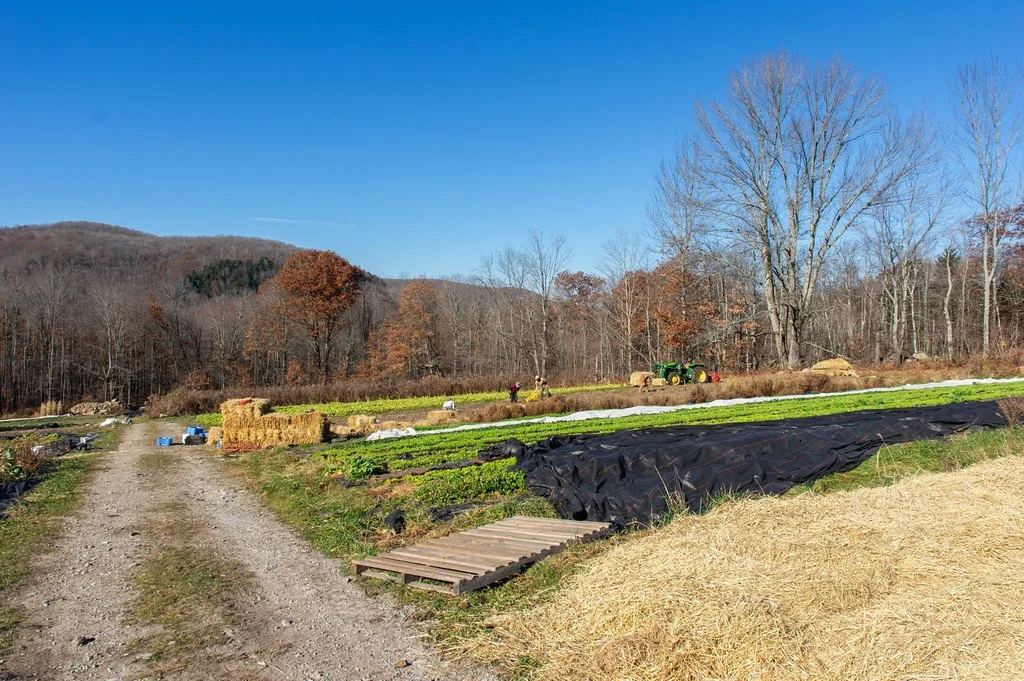
Garlic being planted and mulched in the open field
Farm News
The team got all the garlic planted and mulched, and then got the first planting of overwintered onions in the ground. There was even time to continue working away at getting more carrots out of the field and into storage. Plenty more to go still, but it’s been a dream to get a lot of this accomplished during such a mild fall. Ryan discovered an exciting way to spread our straw mulch this year. It’s usually an unplesant task that is scratchy and dusty and slow, and requires us to wear masks and still have some amount of discomfort. But this year, he had us lay out the pats of straw on the beds to mulch, and then just ran the tractor flail mower over them. Such a time and lung saver!
Meanwhile, with my extracuricular farmer hat on as a member of NOFA-VT’s policy and organizing committee, I spent a day in Montpelier convening with committee members from around the state to review our accomplishments from the past year, and set our goals for 2027. (If you haven’t read any of my past newsletters on my NOFA-VT committee work before, the stated mission of this statewide non-profit says: “The Northeast Organic Farming Association of Vermont, NOFA-VT, promotes organic practices to build an economically viable, ecologically sound, and socially just Vermont agricultural system that benefits all living things.”) It’s been a privilage to work on this committe for the past several years, because NOFA is an incredibly effective organization, and generally accomplishes many of the objectives they set out to achieve. The role of the committee is to guide NOFA’s policy and organizing work based on the needs and desires of NOFA members, farmers, and the entire agricultural community in Vermont. (That being said, since I am on this committee, if you have any suggestions or ideas for priorities and goals that you want to see NOFA working on around the state, tell me!)
Some of last year’s accomplishments include, getting the Farm and Forestry Operations Security Special Fund (Act 78) passed into law (though without funding… baby steps…), secured $350,000 in the state budget (one time funding, not base funding) for Crop Cash and Farm Share funding (this funding supports various food security programs throughout the state), increased member meetings and engagement throughout the state, deepened connections with other organzations working on similiar goals, began research and drafting for bigger goals such as funding ecosystem services or basic farmer income, explored ideas for health care secutiry for agricultural workers, and many other exciting and invisible topics. When we summarized the fruits of last year’s work, I was actually quite surprised that this much was accomplished in a year. A lot of my time on this committee occurs on Zoom meetings while repotting plants in the greenhouse, or seeding trays, or sorting greenhouse supplies, or driving from here to there, or any number of ways I can stack the functions of my busy life as a farmer with my passionate life as a policy nerd who cannot help but believe that more change is possible… That rural communities can thrive, food insecurity can shrink, land can be accessed, farmers can retire, high quality food can be affordable and not a luxury, farm workers can earn a dignified wage, organic production can just be “farming” (while conventional farming can be correctly labeled as “chemical farming”, or even better, just phased out, so all food is just safe), etc. Almost every time I see one of these meetings on my calendar, in my brain I go, “Ah! I can’t fit this in today, I have to do this giant list of things that I should have accomplished last week! Why do I serve on this committee!? This will be my last year doing this!” But then every time I hop onto a meeting, and get fully jazzed up in collabartion with other expansive thinkers, I realize that I have to be on this committee to keep me fueled up to be a farmer.
Some of this year’s bigger goals are to get Act 78 funded, get the food security funding to become base funding in the state budget (and get it increased to $650,000), help S.205 get over the finish line (a moratorium on data centers), expand member involvement lobbying at the statehouse, establish a member list serv for member to member communication, articulate rural quality of life projects, and keep a keen eye out for bad policy (on the state and federal level) that may need organized oposition.
During our lunch break, we were talking about how Vermont’s image is based on elevating our rural character, our pastoral working landscapes, and our deep agricultural connections to the land. Our economies are rooted in these connections, our tourist industry needs the working landscape to entice visitors to this beautiful state. For goodness sake, there is a statue of Ceres, the Roman goddess of agriculture, harvest, and fertility on top of our State House in Montpelier! As a state, we have embraced the image of valuing agriculture in our state. So one would imagine that a state that cherishes it’s agricultural roots would have that reflected in the state budget, right? Well we went around the circle taking guesses of what percentage of the state budget goes towards agriculture, ranging between 4% and 10%… but guess what?! It’s just 0.66% (And that encompasses the entire state agency of agriculture, and food security programs, which are obviously tied to ag, but are essentially a necessary social safety tool.) 0.66%!! That’s crazy, my friends. (I feel like Ceres has got to come down until agriculture is supported closer to the 5% level.) Farming is a public good, and the reason we have the dual issues of prices for safe, healthy food being totally out of reach for most consumers, and farm work being some of the lowest paid jobs, is that our agricultural policies (on a federal and state level) have been tragically ineffective. Investing in conservation-based, science-focused, climate-informed, community-centered, agricultural policy would frankly lift everyone up, in both a personal and societal way. This verbose newsletter has rambled on too long as it is, so I will have to save the specifics for another day about why and how there should be budget increases for agriculture, and how that would benefit all of us. But in the meantime, when it’s time for me to send my opinions to my legislators on specific ag policies at the statehouse, I will remind them that the Roman goddess of agriculture is literally perched on their heads, and she would probably appreciate our budget priorities to reflect that.
Looking forward to pulling some more carrots next week!
Have a great week,
-ESF Team: Kara, Ryan, Vanessa, Taylor, Katie, Galen, Leah, Natalie, Cindy, Amelia, Morgan, Kim, Kelly, Hannah, and Grandpa Jim the delivery guy (and Sky and Soraya)
A CSA member sent me this recipe that she said her family loved! I cannot wait to try this. Since I generally modify recipes when there is a veggie I don’t have, I plan to swap the celery for fennel in this recipe. It will definitely change the flavor of the soup, but I imagine it will still be a delight!
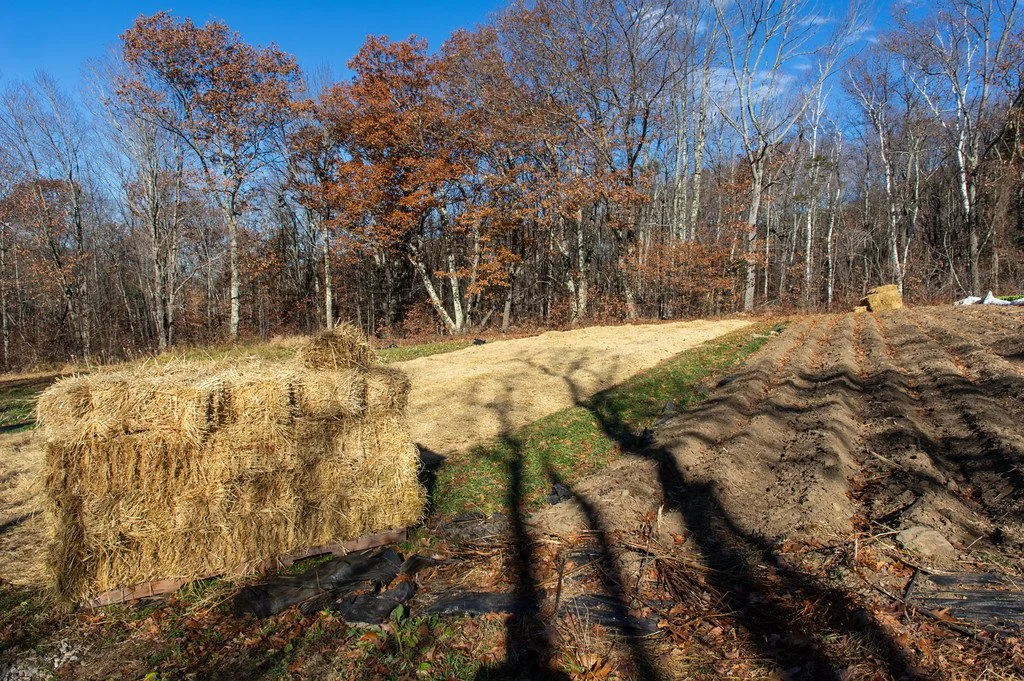
Straw spread on a field for winter, photo by Adam Ford
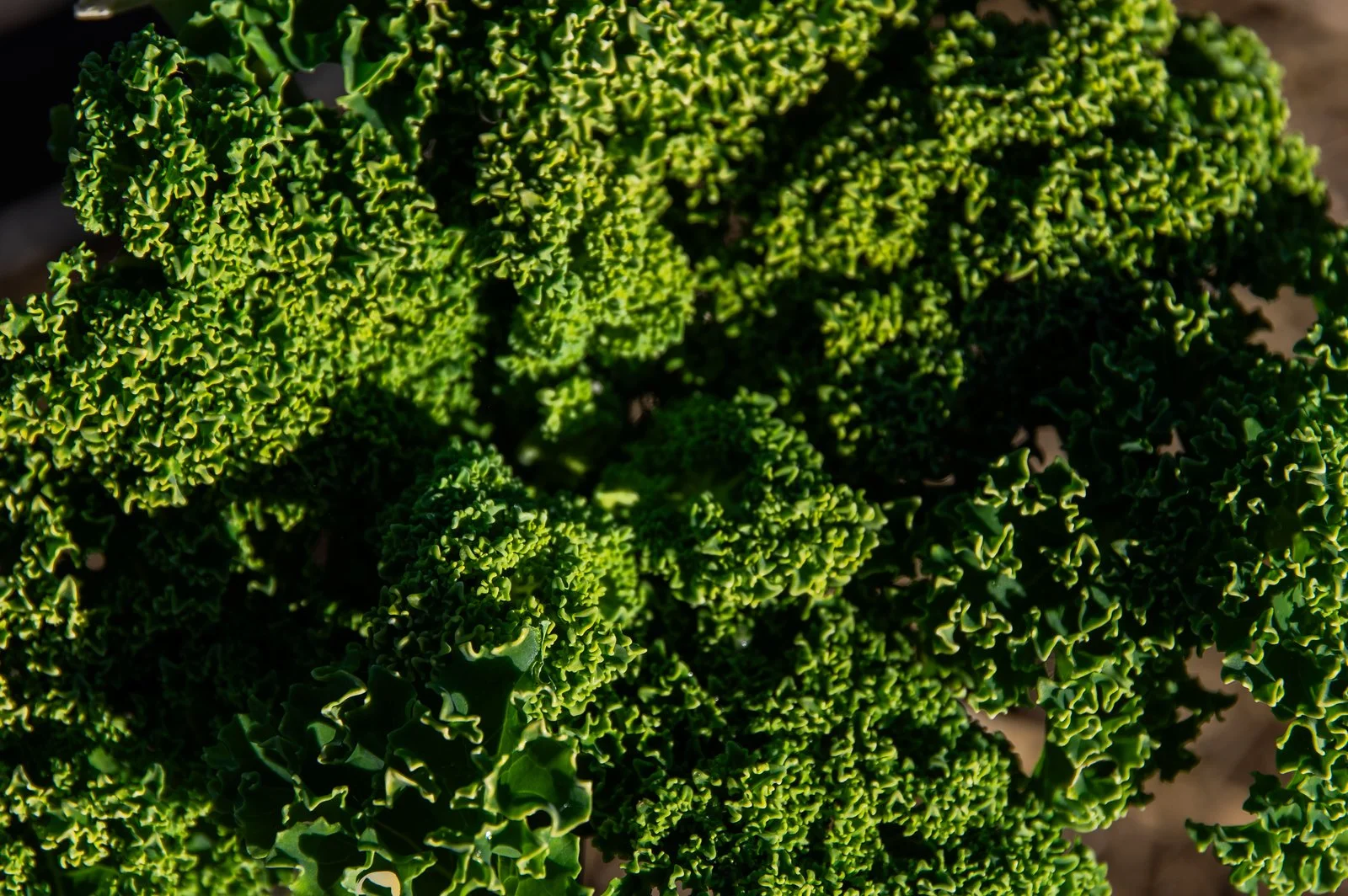
Green curly kale, photo by Adam Ford
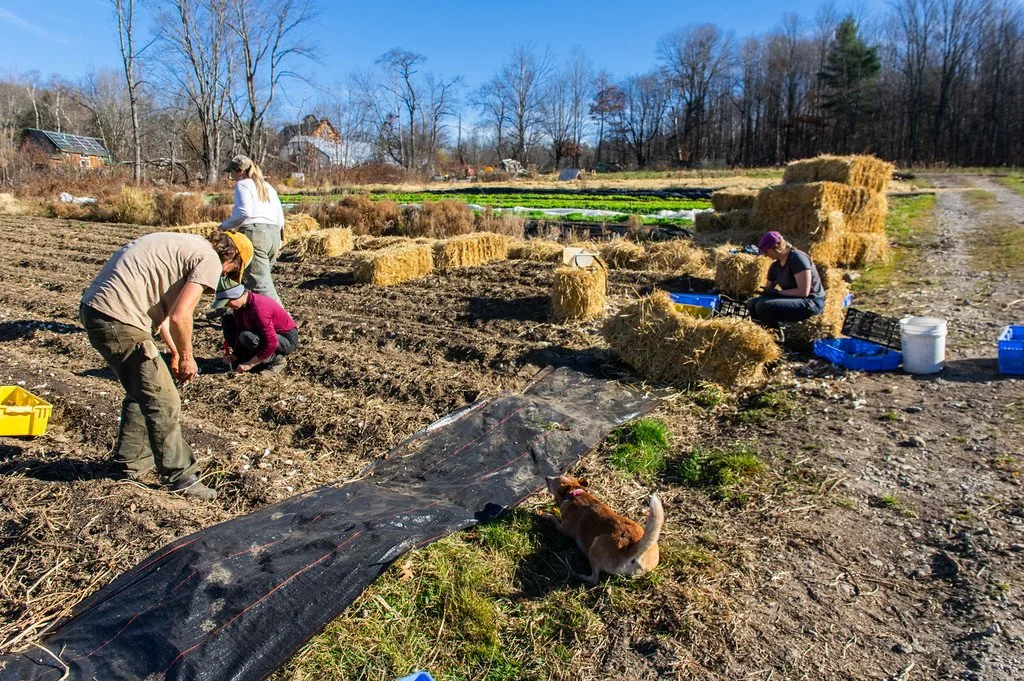
The team planting garlic in the open field, photo by Adam Ford
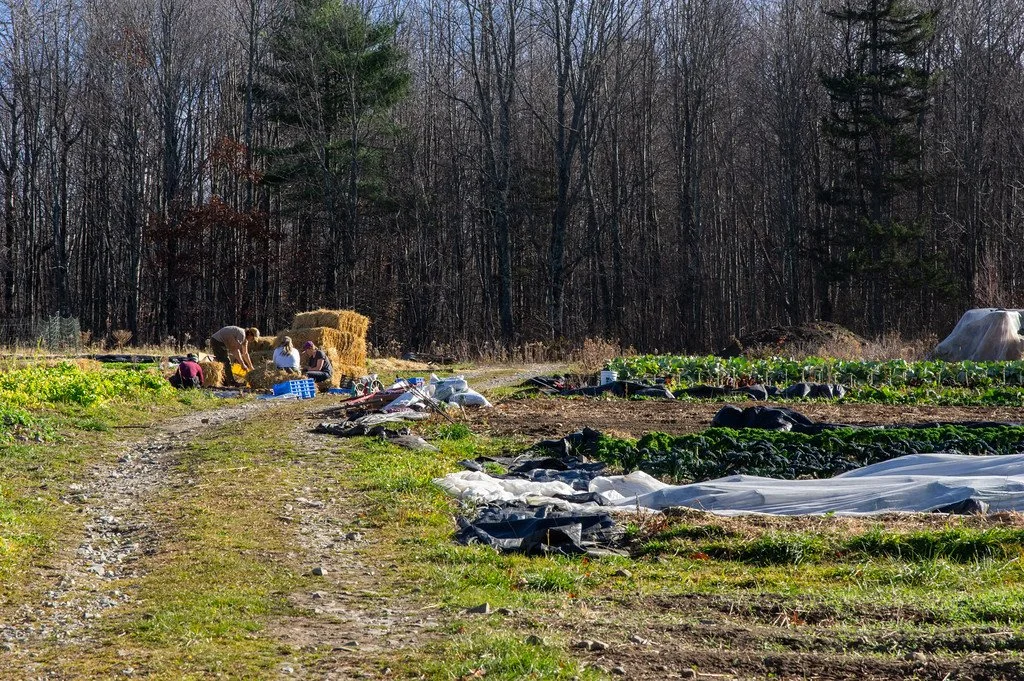
Splitting up some more cloves to finish all the beds, photo by Adam Ford
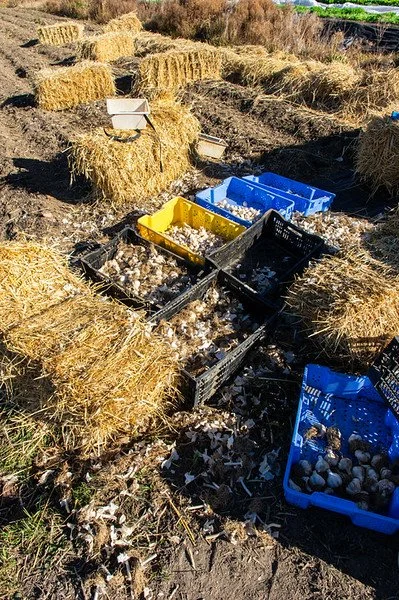
Garlic seed being broken up and sorted by size, photo by Adam Ford
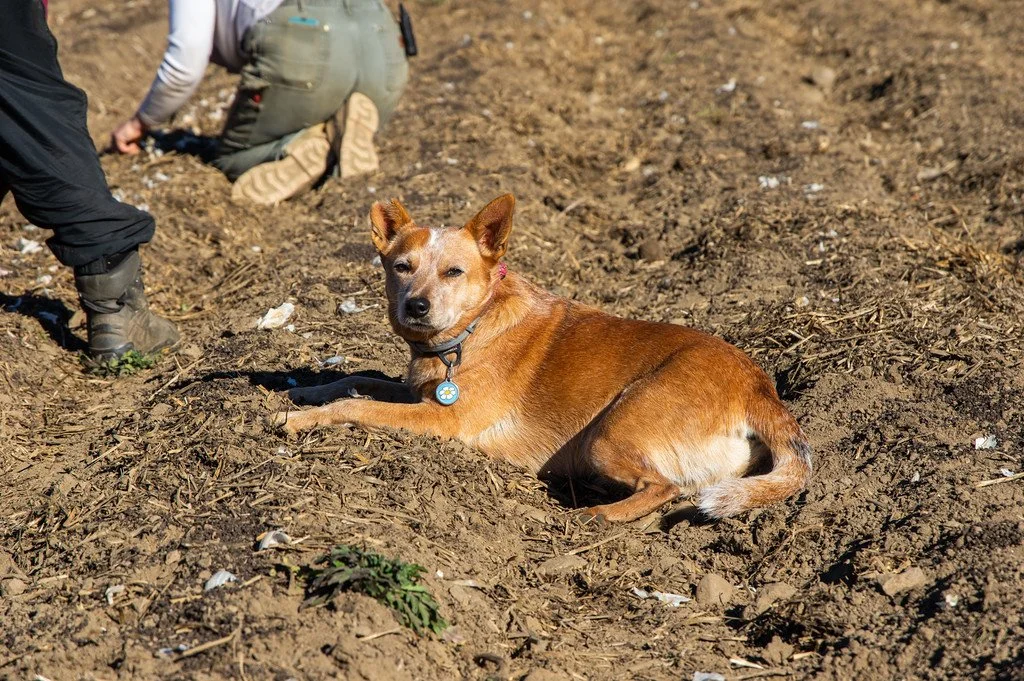
Morgan’s dog Clem, queen of the garlic field, photo by Adam Ford
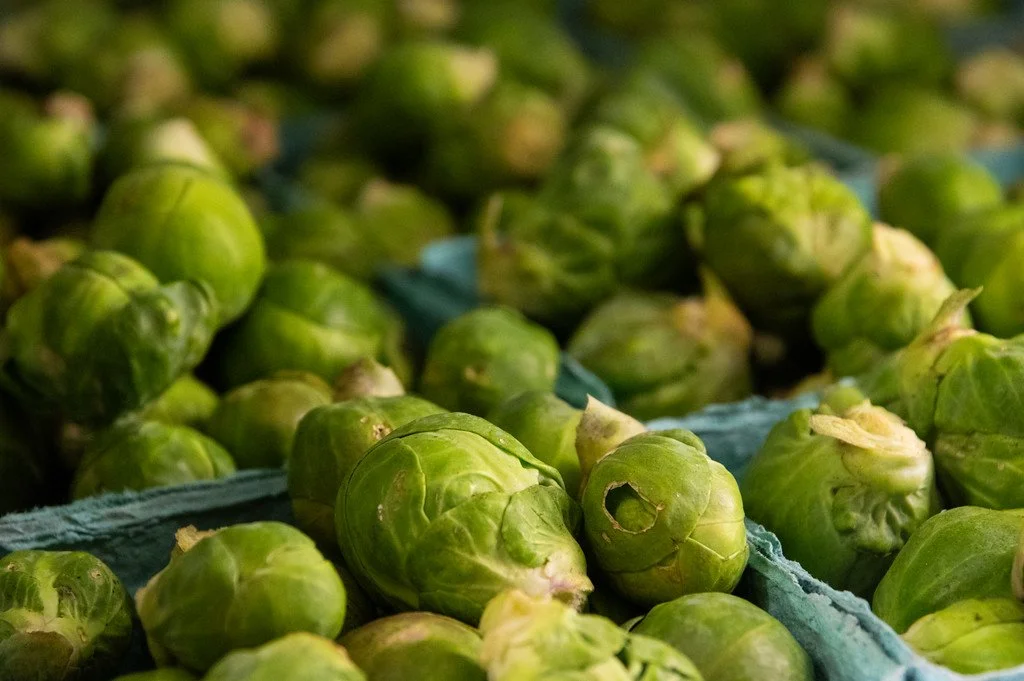
Brussels sprouts in pints, photo by Adam Ford
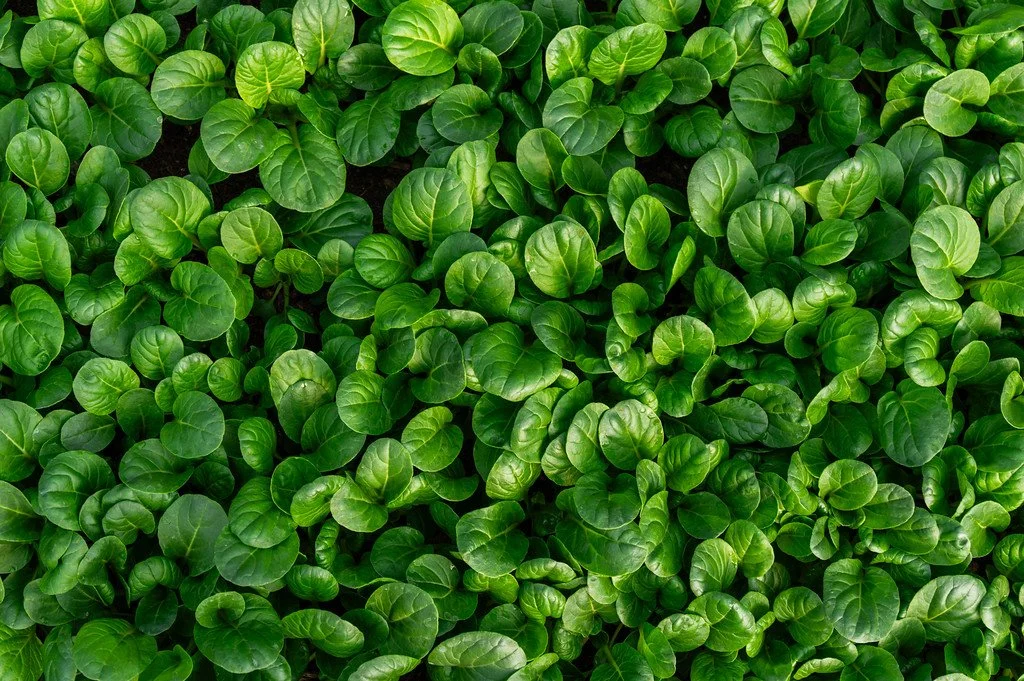
Tatsoi for mesclun mix, photo by Adam Ford
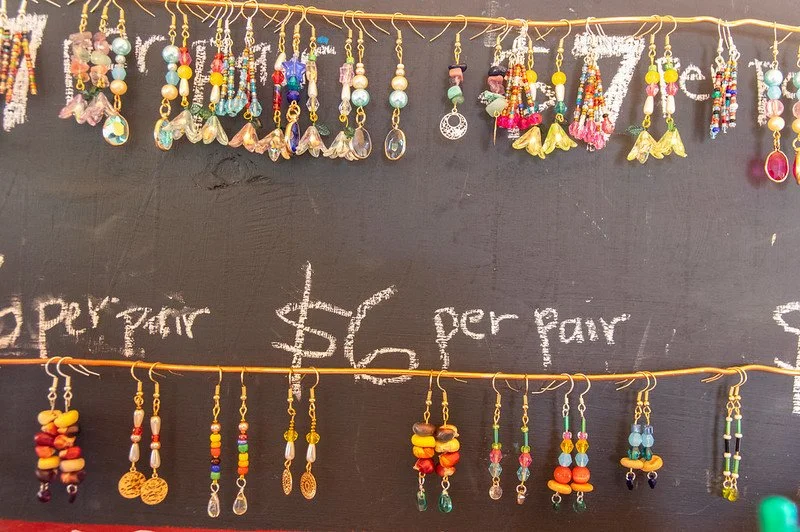
Our youngest kiddo, Soraya, started making earrings a couple weeks ago and has not stopped since! So she started displaying them for sale in the barn… A very popular design has been the ones that use our Painted Mountain Corn as beads, so fun! photo by Adam Ford
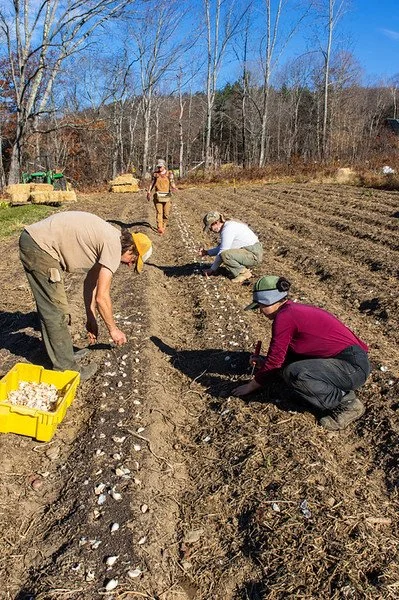
Laying out and planting cloves, photo by Adam Ford
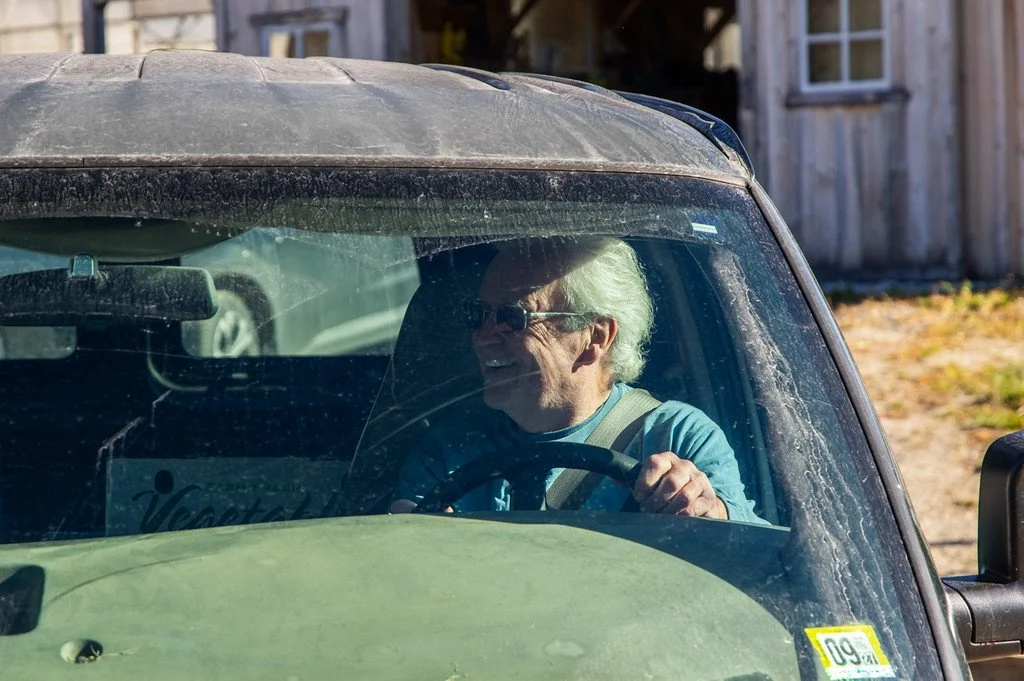
Kara’s dad Jim, king of deliveries, thank you Jimmy! photo by Adam Ford
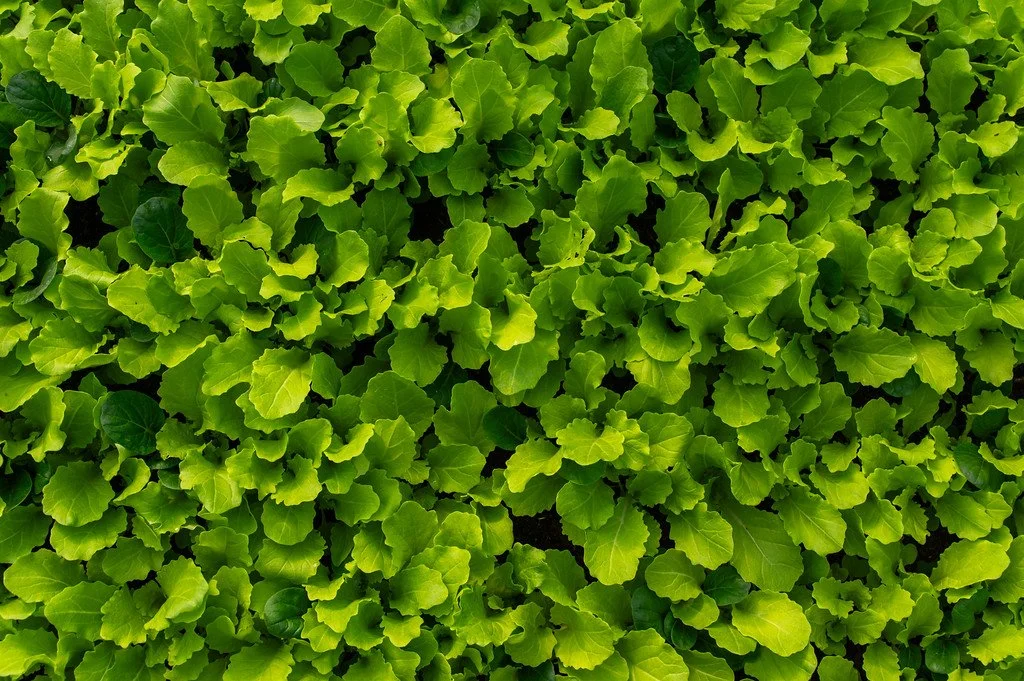
Tokyo bekana for mesclun mix, photo by Adam Ford
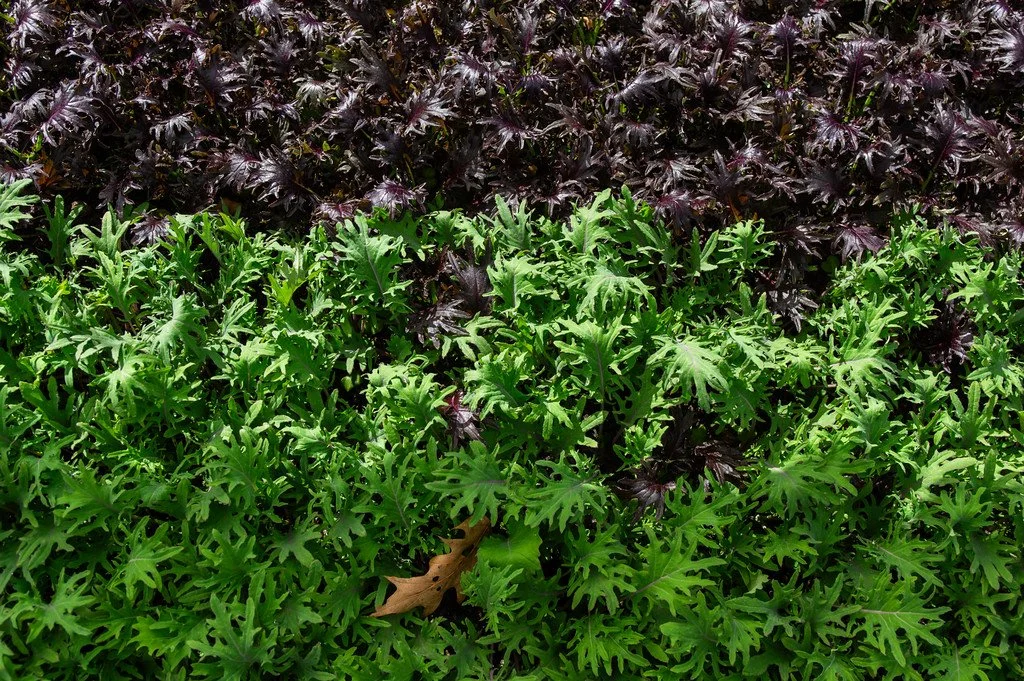
Baby red russian kale for mesclun, photo by Adam Ford
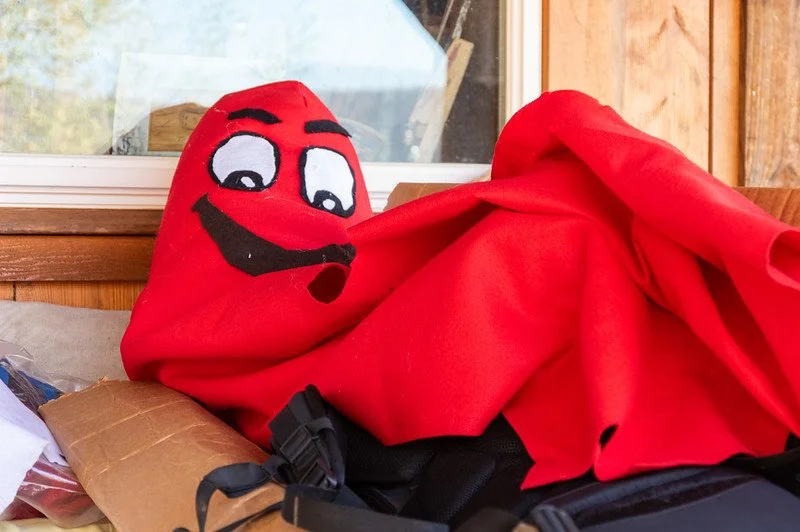
If you drive on 7 in Wallingford, you have undoubetbly seen the hot dog statue at Kelly’s Snack Shack. And maybe you have possibly wondered, “does that hot dog look kind creepy?” Well we have always thought it was creepy… So Ryan built a replica costume for Halloween, and here is part of that costume slumped against the back porch! photo by Adam Ford