
1st Week of the Spring CSA Season: Week of March 4th
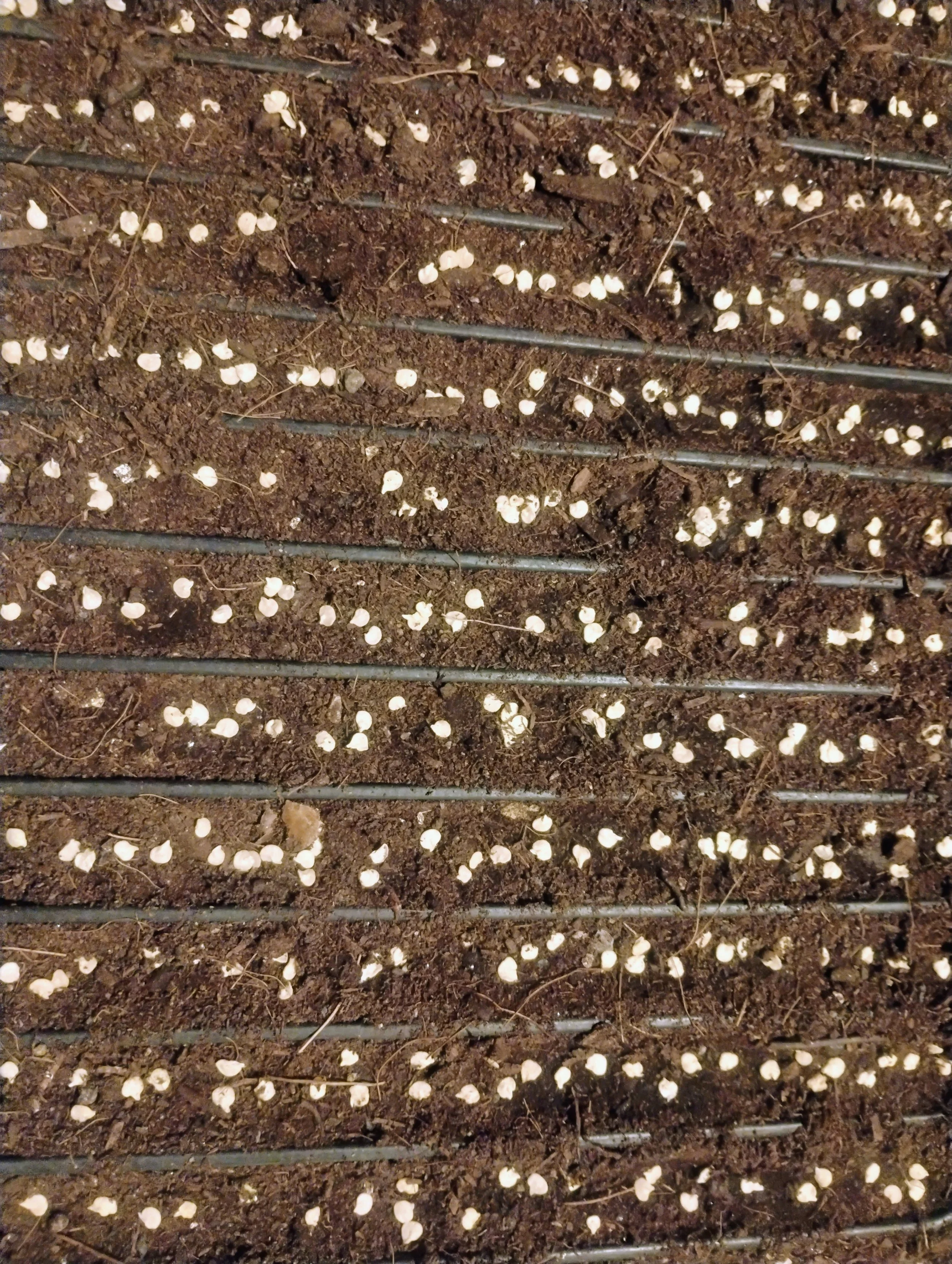
look at these cute future sweet Carmen peppers, photo by Kara
This Week’s Availability
This week we will have:
Greens: green curly kale, claytonia, mesclun mix, green cabbage
Roots: red beets, yellow beets, chioggia beets, carrots, watermelon radish, yellow potatoes, daikon radish, Gilfeather turnip, rutabaga, parsnips
Alliums: garlic, yellow onions, leeks, shallots
Fruiting crops: frozen heirloom and beefsteak tomatoes*, Painted Mountain grain corn
*When we hit the most booming week of tomato yields, we vacuum seal packages of whole tomatoes, and this time of year they are a delicious way to make a simple small batch of sauce or in other recipes that call for a stewed tomato.
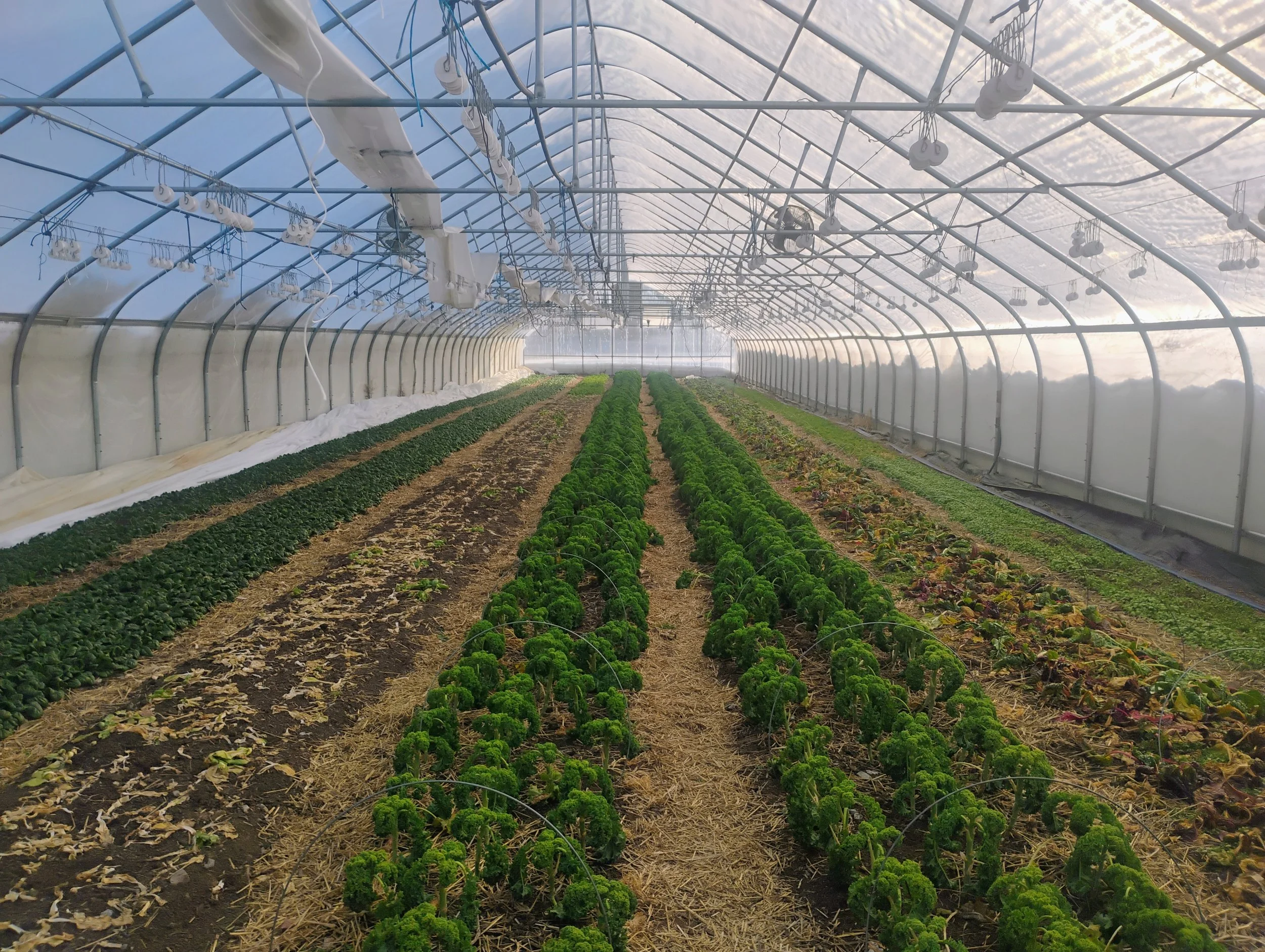
Those spinach beds all the way on the left should be big enough to harvest from next week. There’s an empty harvested out bok choi bed between the spinach and kale beds that will be reseeded this week. The kale is gorgeous and sweet and flavorful. That sad looking chard bed to the right of the kale should bounce back in a couple weeks… and it doesn’t look like much in this picture but that bed all the way to the right is claytonia which is ready to harvest this week, too! photo by Kara
Farm News
Thanks for signing up for the Spring CSA Season! If you are brand new, and have any questions about how it works that aren’t answered in the weekly email or on the website, please feel free to reach out.
The stretch of artic temps that settled in during January hit some of our overwintering greens hard, but some are growing nicely with the return of the sun. Because of that prolonged extreme cold, it’ll be a couple weeks before the full array of winter greens will be able to be harvested for the spring CSA season, but the greens we will be harvesting these first few weeks are fantastic. If claytonia is new to you, give it a whirl sometime… the leggy stems are tender and sweet. Usually I do not tolerate anything leggy in my greens, but these are different and delightful. Claytonia is great in sandwiches and wraps, in salads, and honestly, our kids just eat it right out of the bag.
Our winter break always goes fast with us, with a bigger winter to do list than we can actually accomplish, but we interspersed it with some sunshiney cross country ski mornings and other outdoor fun with our kiddos. A lot of our winter work is the invisible kind: crop plans, field plans, seed ordering, supply acquisition, wholesale contracts, software tinkering, budget crunching, etc. But one visible project Ryan tackled was getting a whole new seed starting setup put together for our earliest seedlings in the grow room in the root cellar in hopes to continue to improve our plant starts. There’s always room to improve at everything we do, and we think we can grow better early plants. Fingers crossed we see some results this season!
We also allow our time to be filled up with “extra curricular farming”… things that aren’t done specifically to run Evening Song Farm, but are an important piece of the larger food shed: presenting at conferences, writing grant support letters, mentoring new farms, and continuing my work on the NOFA policy and advocacy committee. (Last week I got to testify in support of allocating funds for the newly passed S.60 Farm and Forestry Operations Security Special Fund, which would have been an awesome budget item if it were in place when we lost the first farm to Tropical Storm Irene.) It’s hard to fit in these extra roles into our busy lives, but it’s also a privilage to do so. As I have shared in past newsletters, I didn’t get into farming to run a business; I got into farming because the climate crisis is urgent, and developing a new food shed is essential, and we can create bigger impacts with the work we do outside our farm.
And speaking of bigger impacts outside our own little world on this tree-lined, dead end road in cozy Vermont, this winter has also been one for pulling at the heartstrings. It’s cliche to say, but these are pretty excruciating times, and all indicators feel like things will continue to deteriorate before they will get better. Some of the hope and sunshine that has sparkled in our heart this winter has come through the work of a long time, dear friend who lives in Minneapolis, whose musical gifts bring brightness into needed spaces. If you are like us, and could use a good song every week to warm your heart during these very weird times, check out her weekly Patreon page and sing along, or check out this fun little clip of Brandi Carlile singing with our pal and others leading the singing resistance in Minneapolis. (Community singing has always been a source of care for us… so much that when we asked friends for name ideas when we were starting a farm, the name suggestion “Evening Song Farm” resonated so simply with us… of rounding out a long day of work, by singing with people we love, tucking these plants in with some warming melodies.)
The bright green, eager plants in the tunnels are a hopeful refuge and a delightful way to welcome our busier work season back into fruition. The light is returning, here we go!
-ESF Team: Kara, Ryan, K2, Vanessa, Taylor, Katie, Cindy, and Hannah (and Sky and Soraya)
Usually we put a weekly recipe here…but the first week of the season I like pointing out that all the recipes that we post are archived on the recipe page of the website. You can search by vegetable, season, or ingredient. Only 30 recipes are listed under each season, but if you use the search function with a vegetable, way more recipes show up with that vegetable.
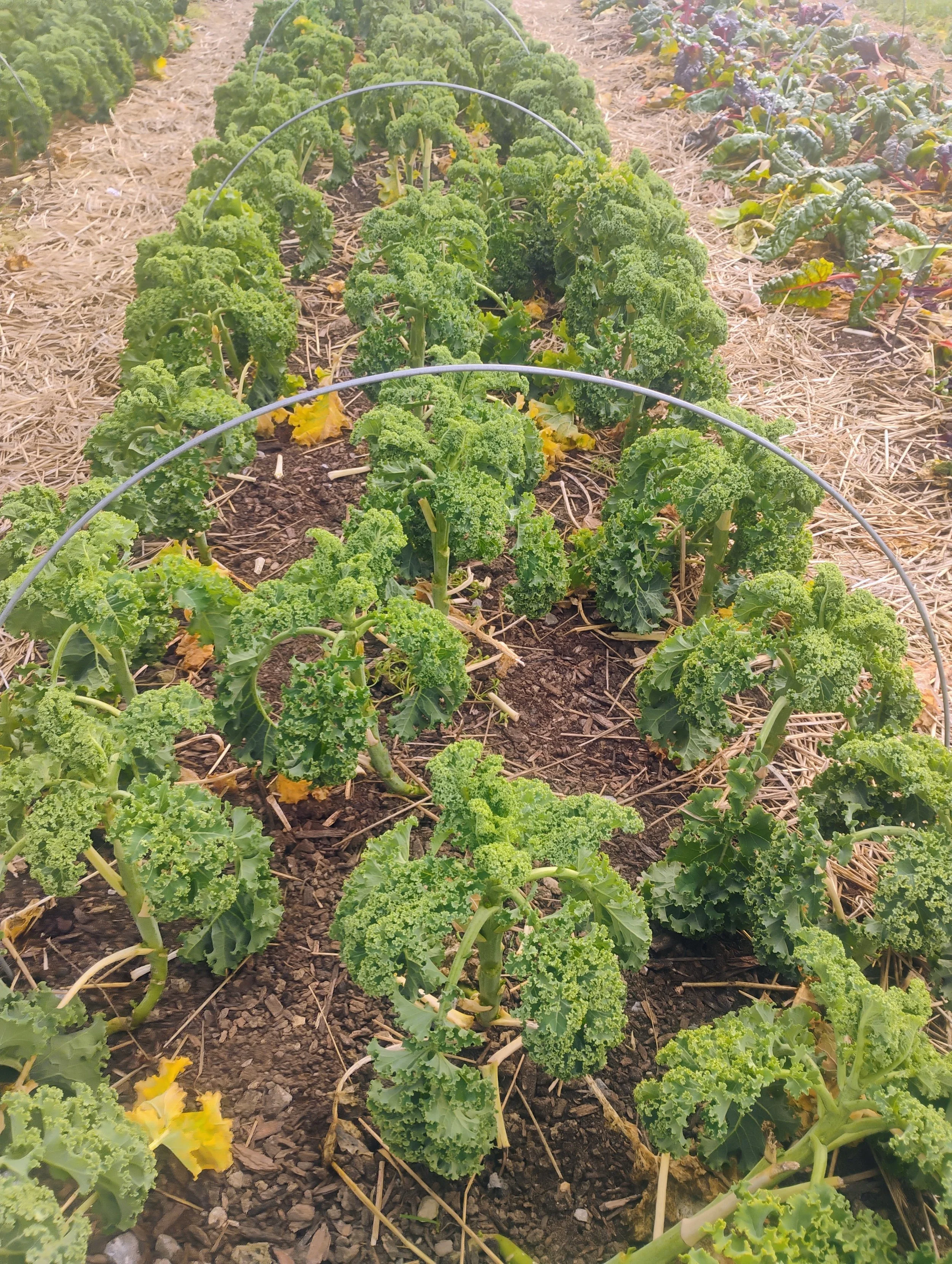
Kale! photo by Kara
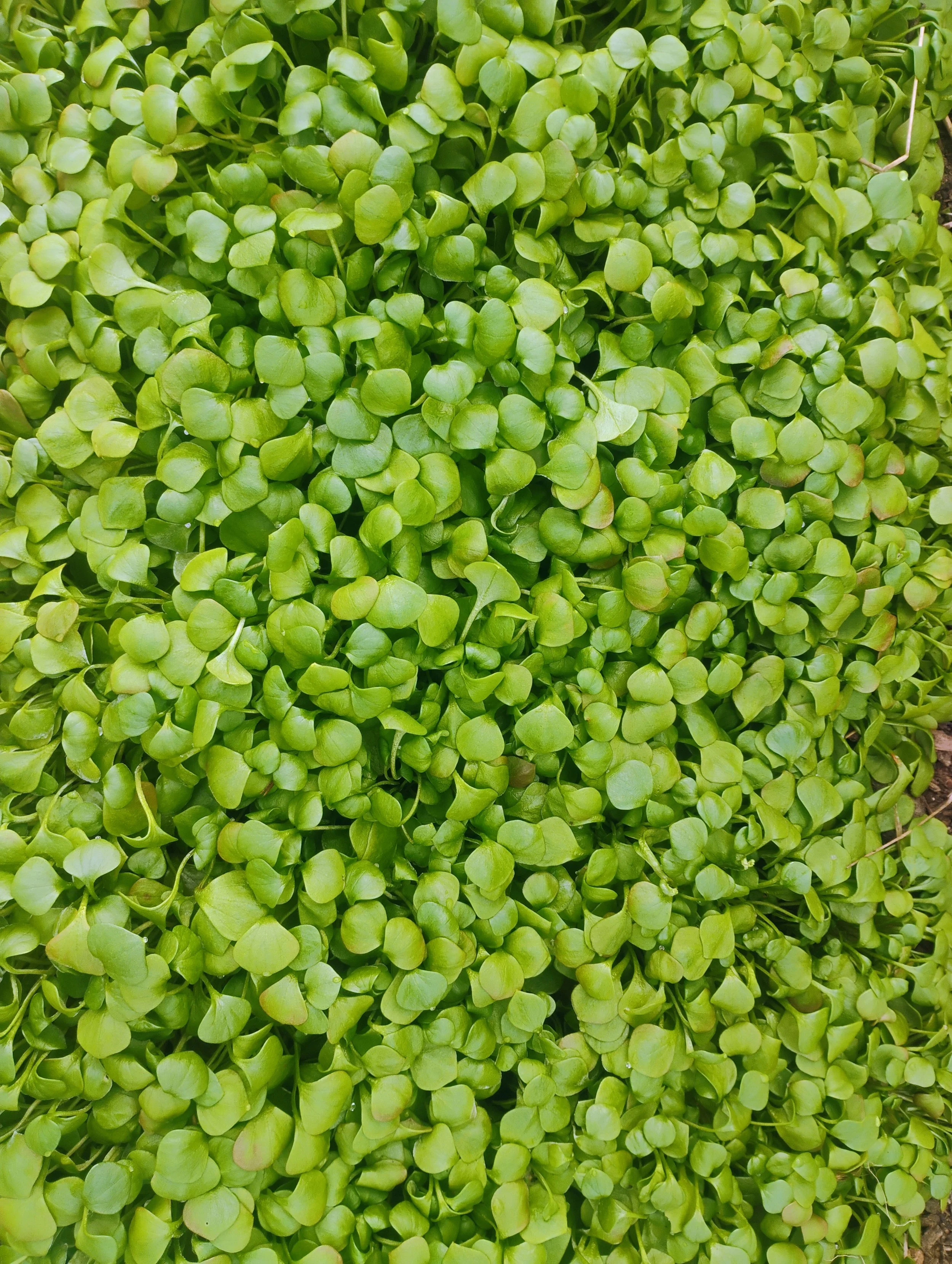
Claytonia! photo by Kara
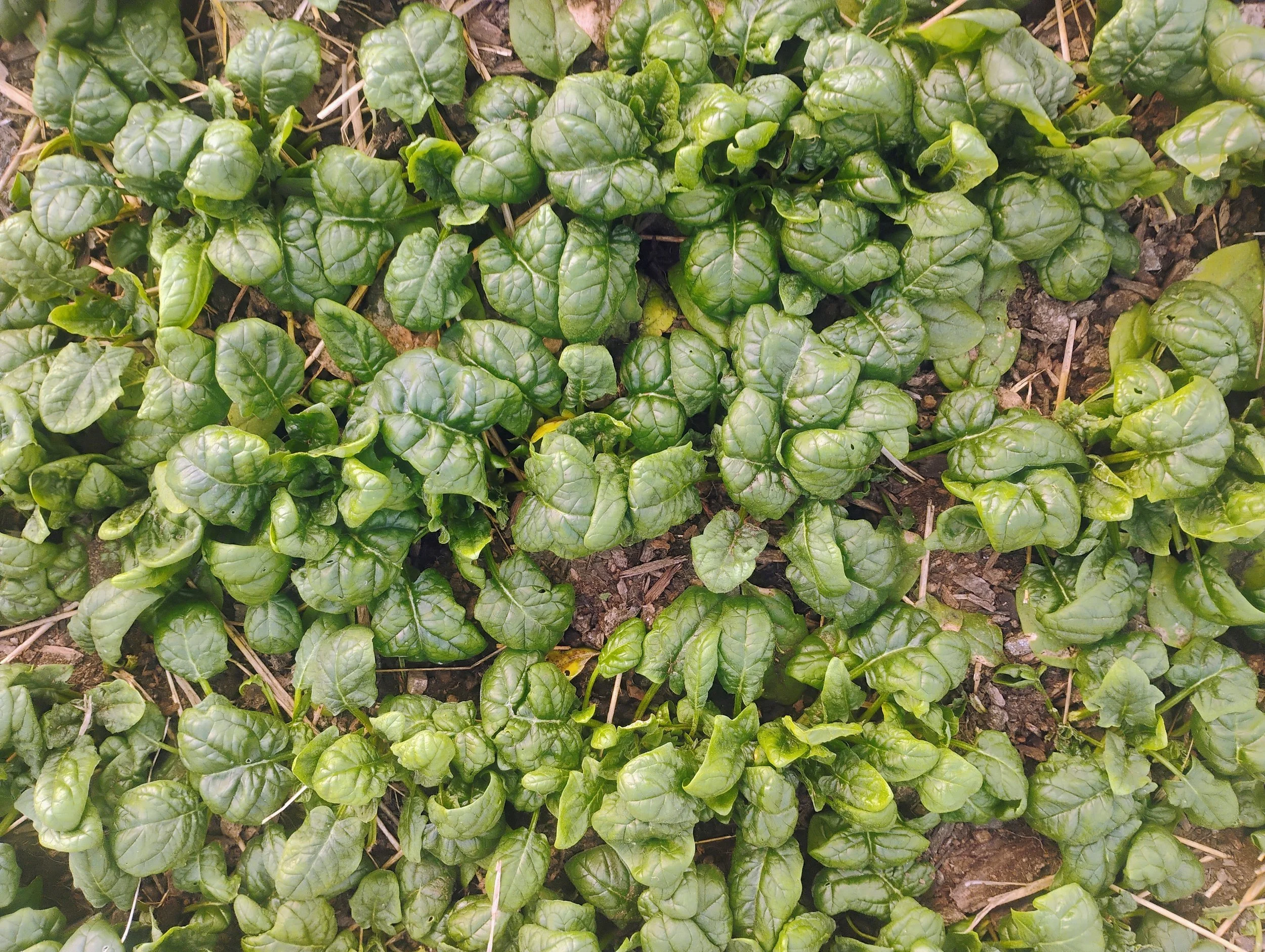
spinach needs one more week, photo by Kara
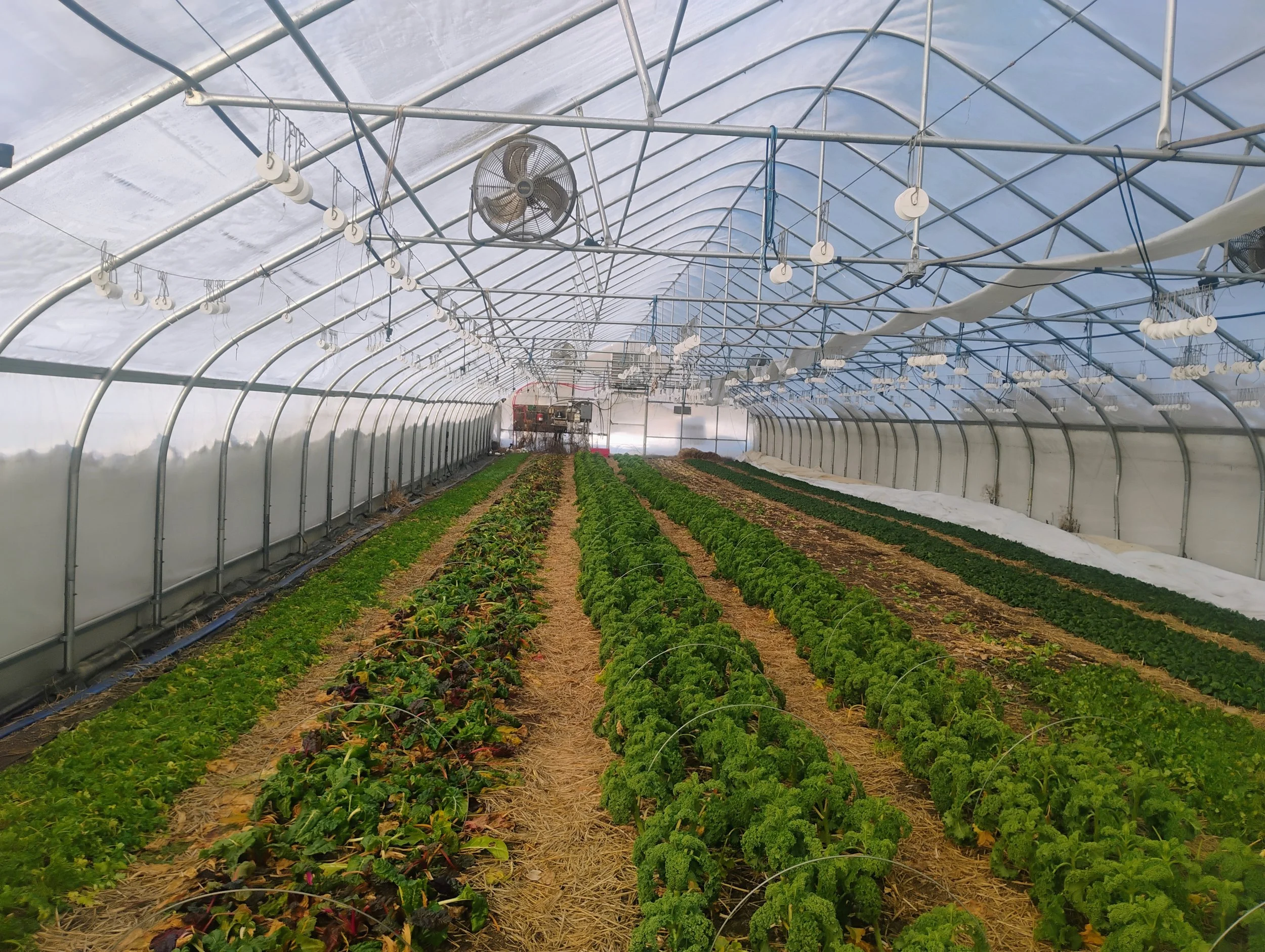
the greens always grow bigger at the tops of the tunnel where the cold air is sinking away from, photo by Kara
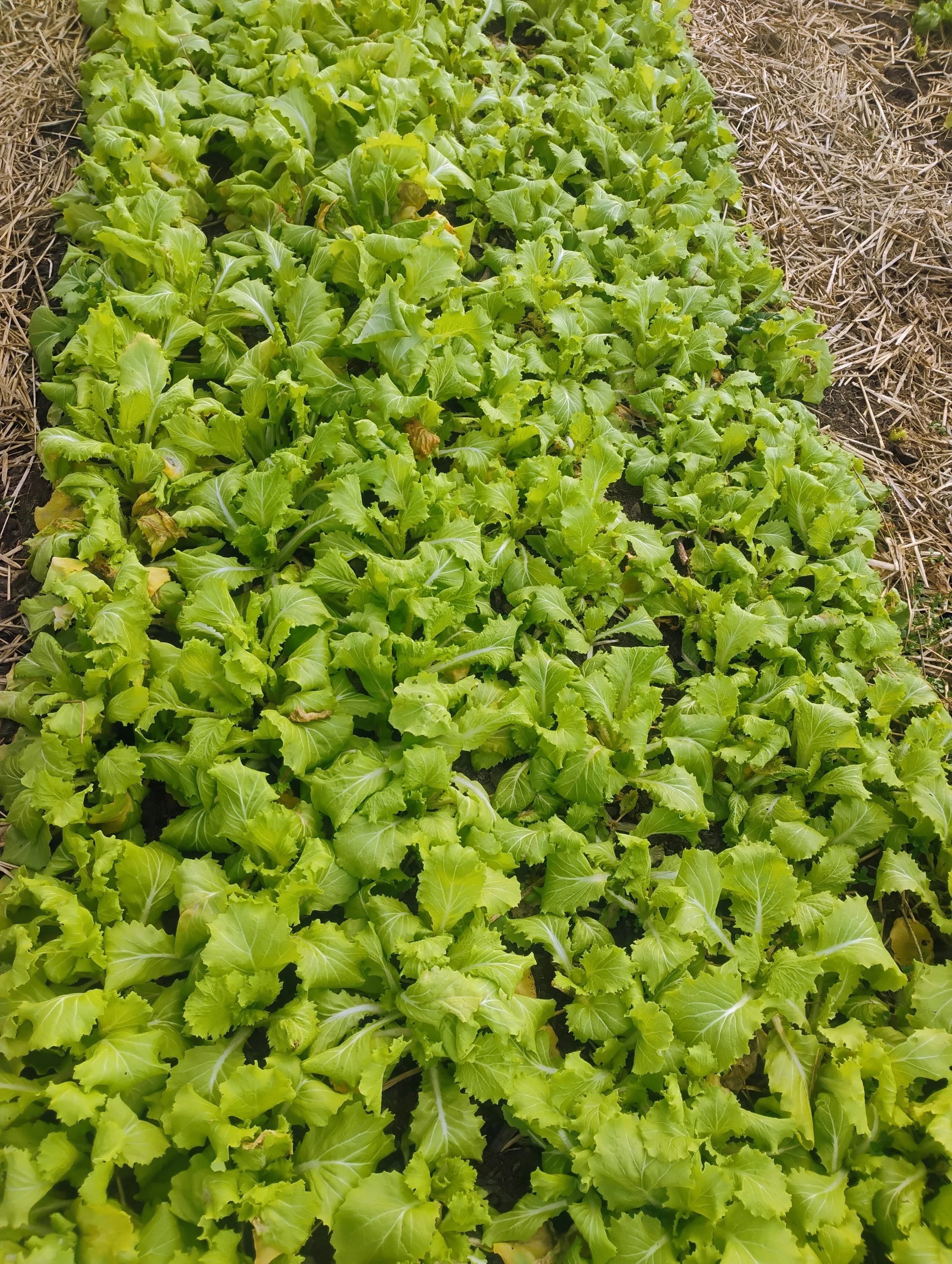
tokyo bekana for the mesclun mix, photo by Kara
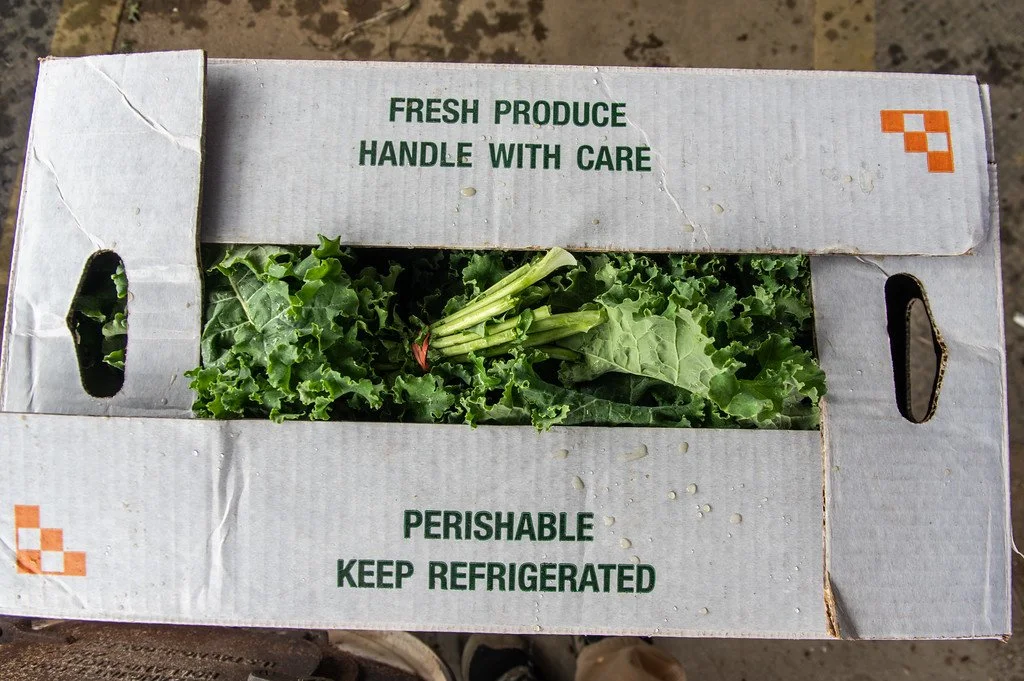
Kale getting wholesaled, photo by Adam Ford
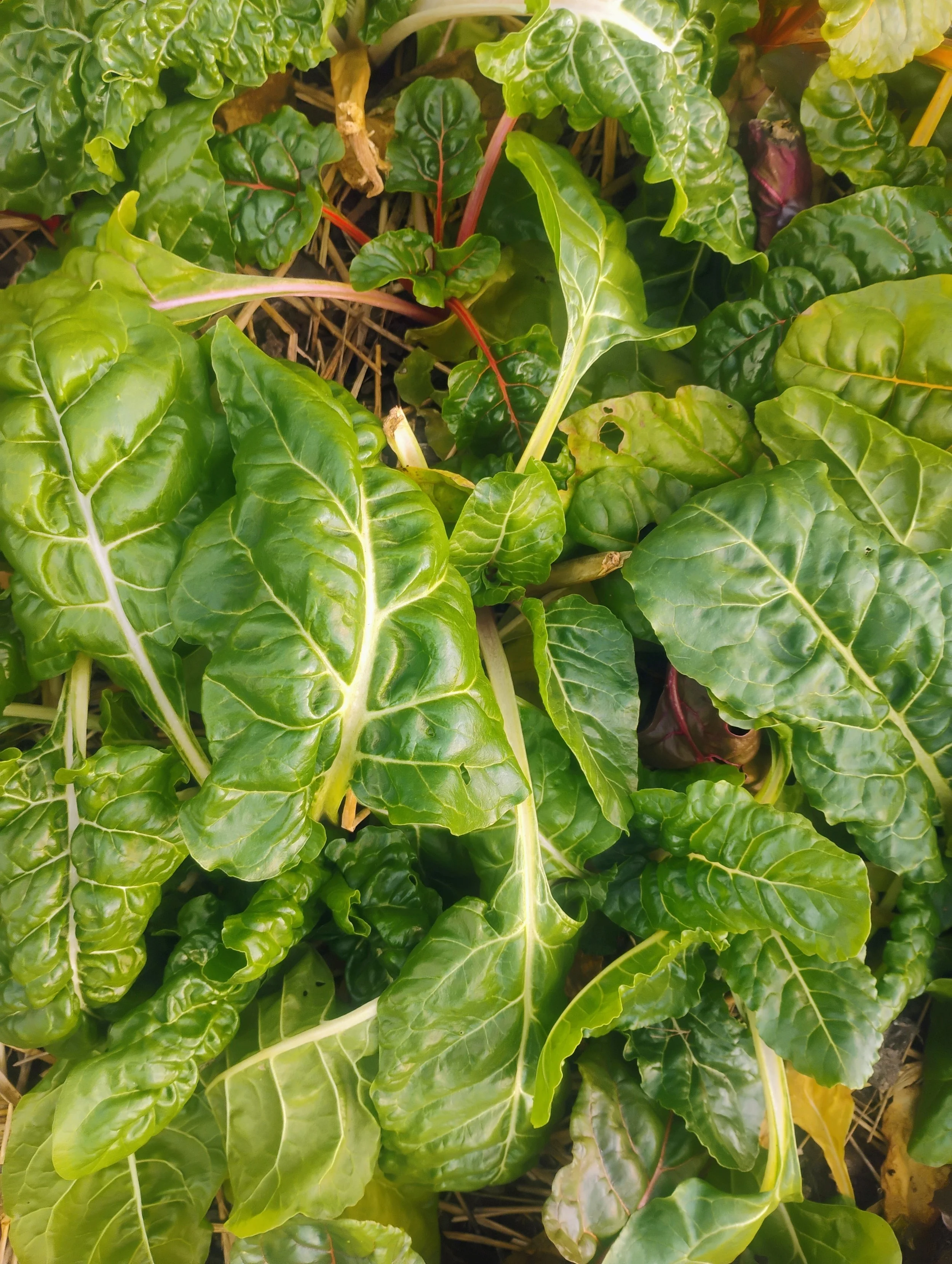
chard needs a little more time, photo by Kara
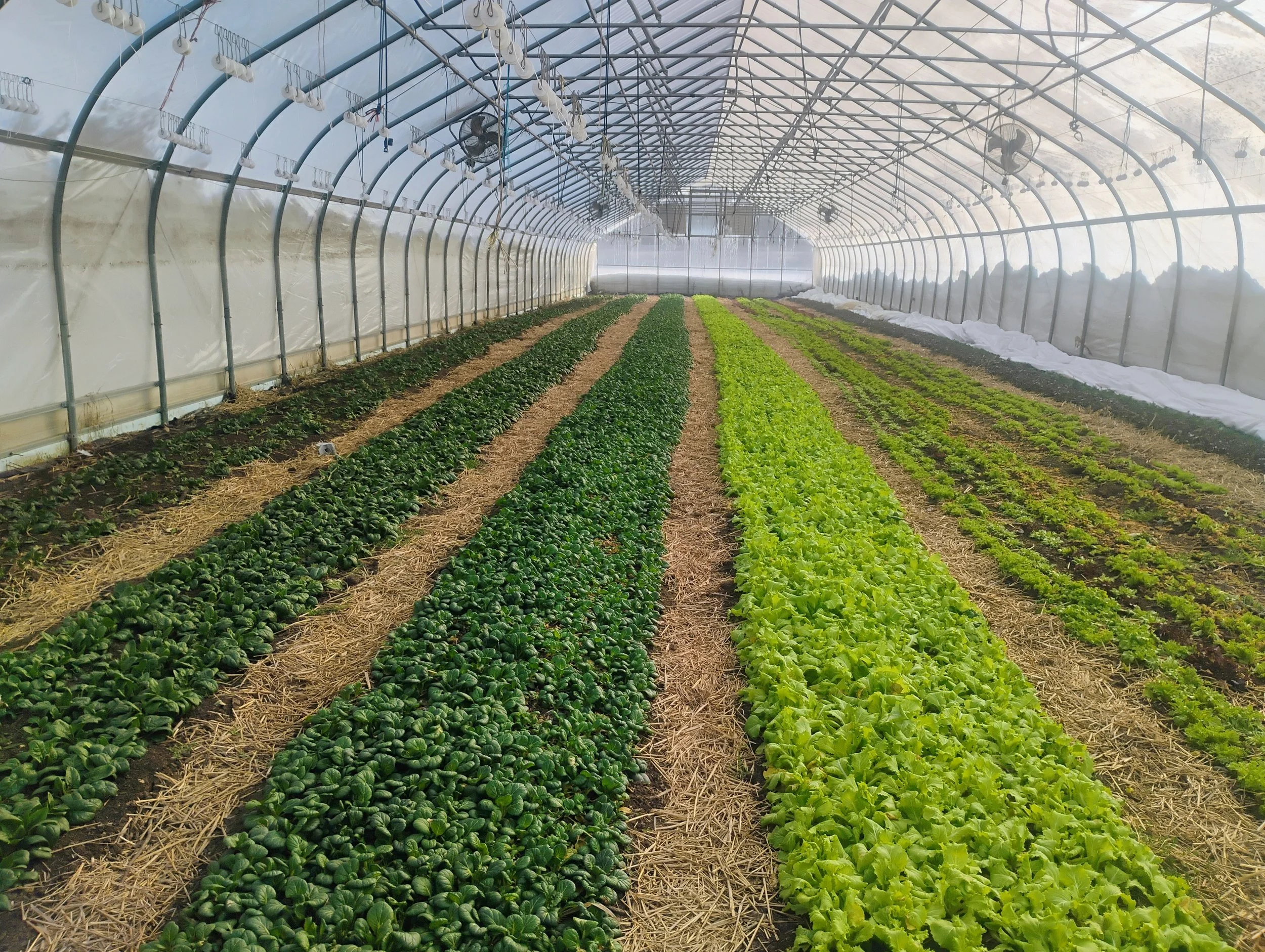
this tunnel has the greens for the mesclun mix blend: tokyo bekana and tat soi, photo by Kara
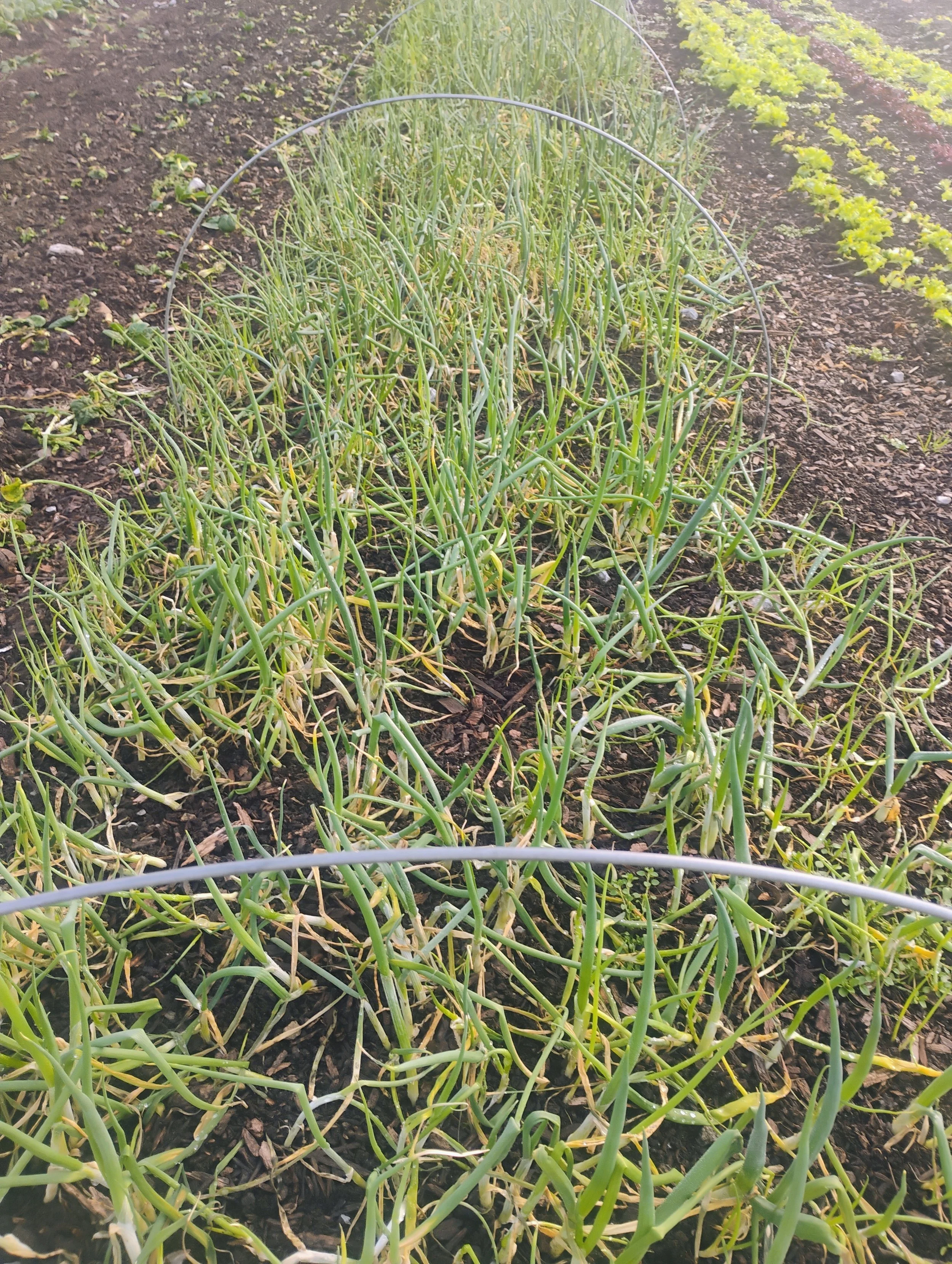
scallions will be ready in a few weeks, photo byKara
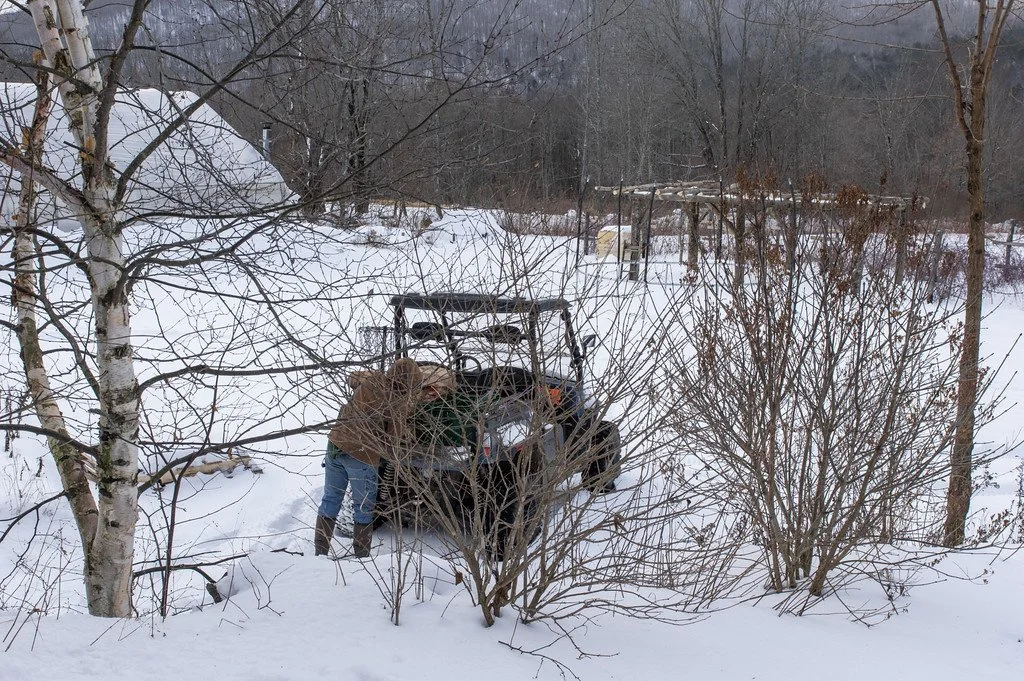
moving veggies from the root cellar, photo Adam Ford
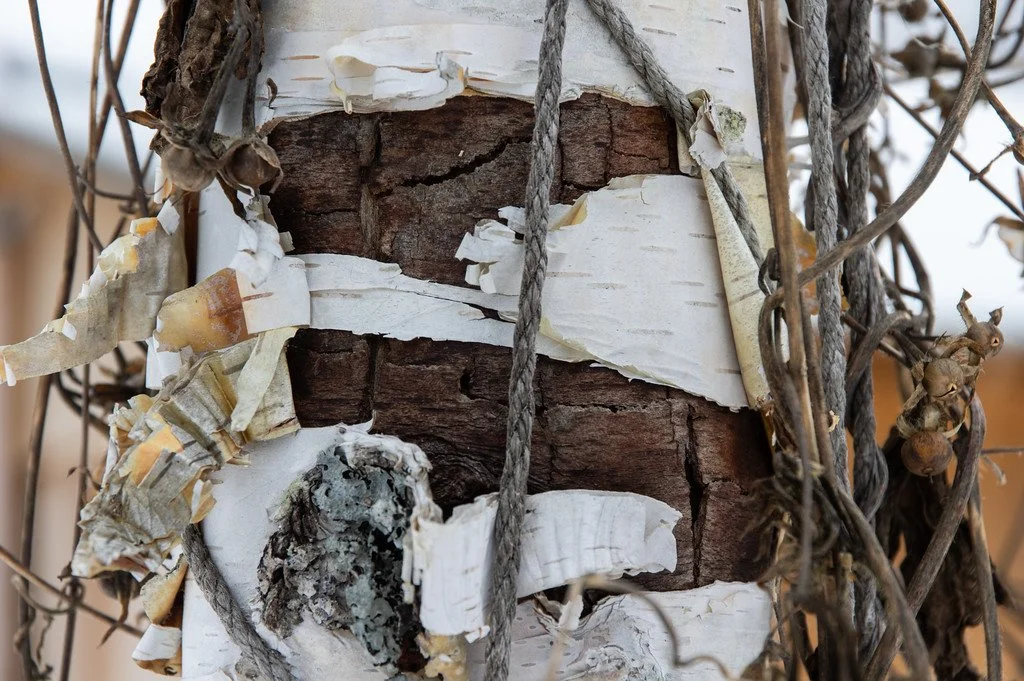
birch, photo by Adam Ford