
18th Week of the Summer CSA Season: September 23rd
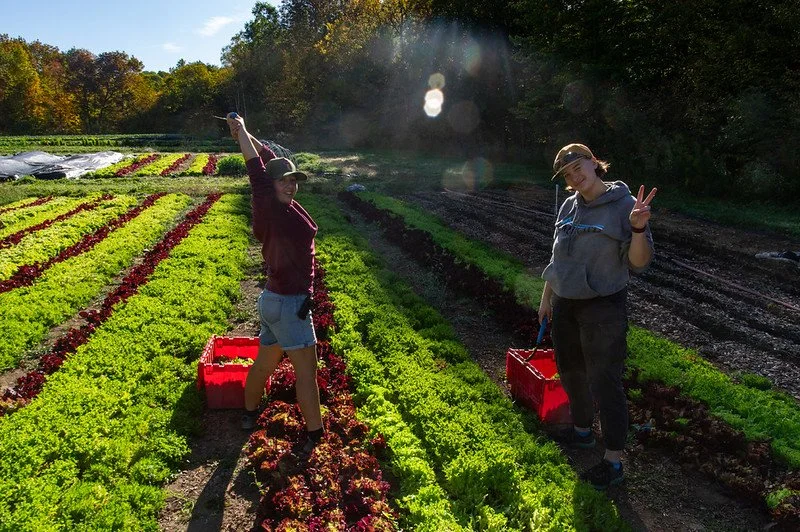
Vanessa and Amelia harvesting baby lettuce… I took a workshop titled, “farming into old age” back when I was 25, and the one thing I remember was the instruction to make sure we were reaching up and stretching for a minute every 60 minutes we are crouched down harvesting, photo by Adam Ford
This Week’s Availability
This week we will have:
Greens: green curly kale, lacinato kale, rainbow chard, head lettuce*, caraflex cabbage, bok choi, arugula
Roots: red beets, yellow beets, carrots, watermelon radish, red potatoes, yellow potatoes
Alliums: garlic, yellow onions, sweet onions, red onions, scallions, shallots, leeks
Herbs: sage
Miscellaneous: celery
Fruiting crops: cherry tomatoes, heirloom tomatoes, beefsteak tomatoes, roma paste tomatoes, juliets, green tomatoes, jalapeno peppers, shishito peppers, carmen sweet peppers, green carmen peppers, green snack peppers, tomatillos, husk cherries, spaghetti squash, Painted Mountain grain corn***
*The baby lettuce is in between plantings, but the head lettuce is gorgeous right now!
**The heirloom tomatoes are slowing way down, so we may have to substitute them for beefsteak or roma if you order them, so indicate your sub preference in the order form.
***Painted Mountain grain corn is a beautiful grain corn that we use for making tortillas, grits, and empanadas. It’s also great for decorating with, and it’s an excellent art project to drill holes through the gorgeous kernels and string them into jewelry with kiddos!
This week, you can order some items in bulk if you do any preserving. We listed bulk red carmen peppers, jalapeno peppers, beefsteak tomatoes, roma tomatoes, and onions. If you pick up in the barn, feel free to send us an email to order bulk items with the volumes you want, and what day we should have it ready in the barn, and we will give you your total and where to find it in the barn.
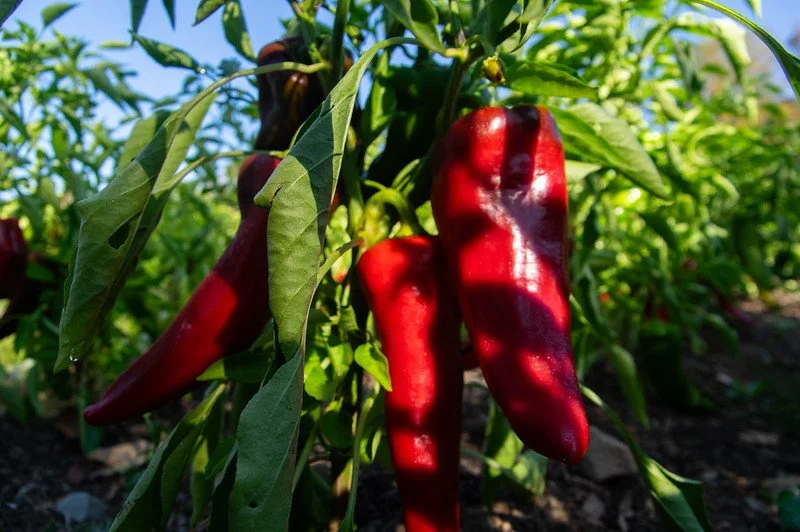
carmen peppers are absolute candy, photo by Adam Ford
Farm News
Hahaha, last week in the newsletter I think I wrote something along the lines of, “fall crops grew great this year, we will have a great harvest!” And first rule of farming I suppose, is not to count my chickens before they hatch, because it seems like the entire population of Vermont’s deer discovered one of our carrot fields, ate down the greens of the younger patch, such that we won’t have harvestable carrots there, and pawed up and ate another section of nicely sized carrots. Fun times in farming land… Don’t blink, something will go awry, ha!
This week we hauled a ton of summer plants out of the tunnels, composted and raked the beds, and seeded and transplanted winter crops into those spaces. We have a few more beds to go, and then all the winter greens will be tucked in for the season. The team did a pass on weeds around the farm this week. Our no- and low- till methods have dramatically reduced our weed pressure, but it still takes a few rounds of pulling the ones that have escaped our management each growing season. (But it is pretty cool to see that it just takes a handful of us about an hour to move through 4 acres of gardens to do all the weeding!) This time of year, the weeds tend to be smaller and shorter, trying to get their seeds set as the shorter days tell them there’s not much longer to go for this growing season… so they can be a little easier to miss, compared with the ones that tower over crops in the summer. But no matter what size they are, fully developed weed seeds are unwelcomed guests in these soils.
The drought continues, and it’s tough on food production. I serve on a policy and advisory committee for NOFA-VT, and we host monthly member meetings to discuss various topics facing the foodshed, and ways the expansive network of members can engage in food security. (NOFA membership is made up of farmers, gardeners, activists, educators, families, really anyone, and they do phenomenal work in various arenas. Check it out if you want to be a member… their cheapest member level is $1/year, which still provides benefits such as discounts at workshops.) This month’s topic will be discussing the drought, and the ways the lack of rain has impacted different types of farms, and what this means going forward, since the projected weather patterns for Vermont are exactly what we saw this growing season: Incredibly wet springs, and really dry summers and falls. Obviously, food production works best when we have the right amount of rain throughout the year, instead of all in one season, but the best we can do as a farming community, is figure out how to face the projected future and adapt growing practices and strategies to a potential new reality.
Have a great week,
-ESF Team: Kara, Ryan, K2, Cindy, Taylor, Leah, Natalie, Katie, Galen, Vanessa, Georgia, Amelia, Kristina, and Hannah (and Sky and Soraya)
Kids’ heat level not up to yours yet? Make these fun treats with green snack peppers!
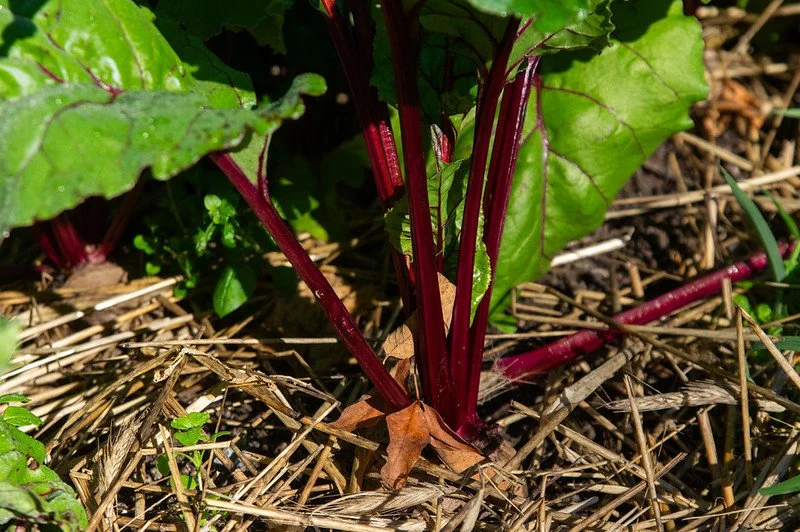
next round of beets in the field, photo by Adam Ford
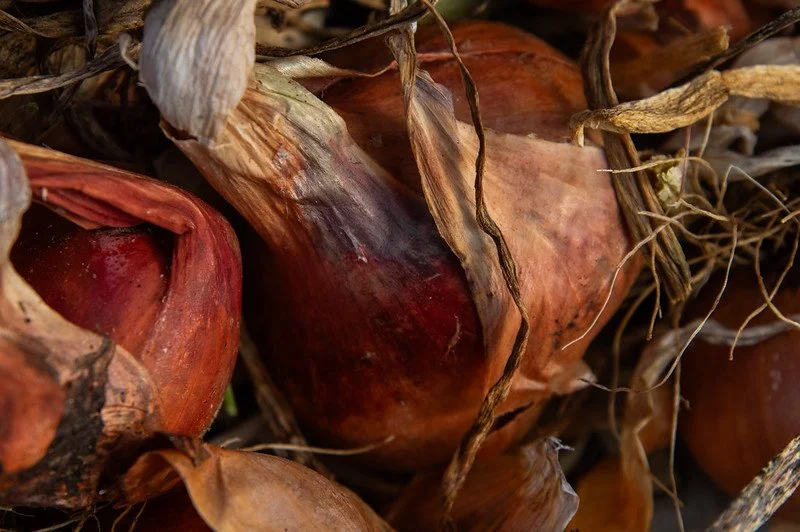
shallots, photo by Adam Ford
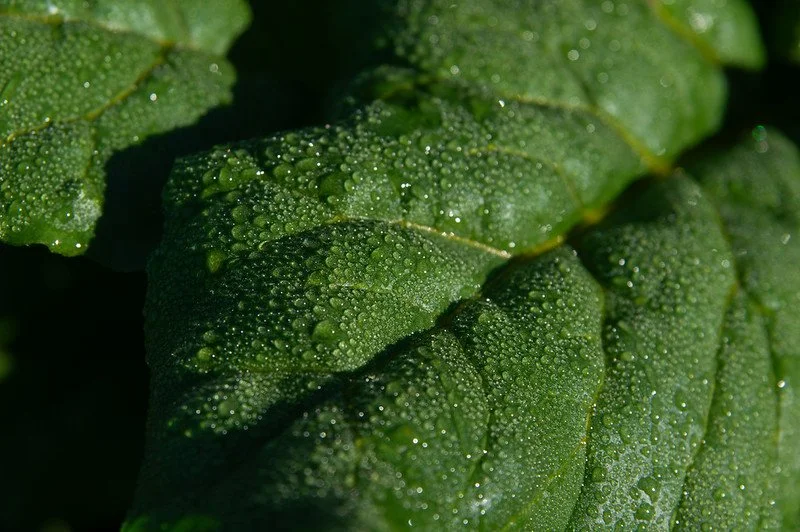
spinach, photo by Adam Ford
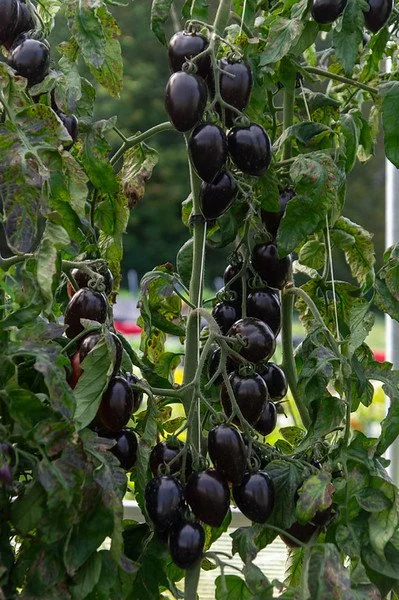
midnight romas, photo by Adam Ford
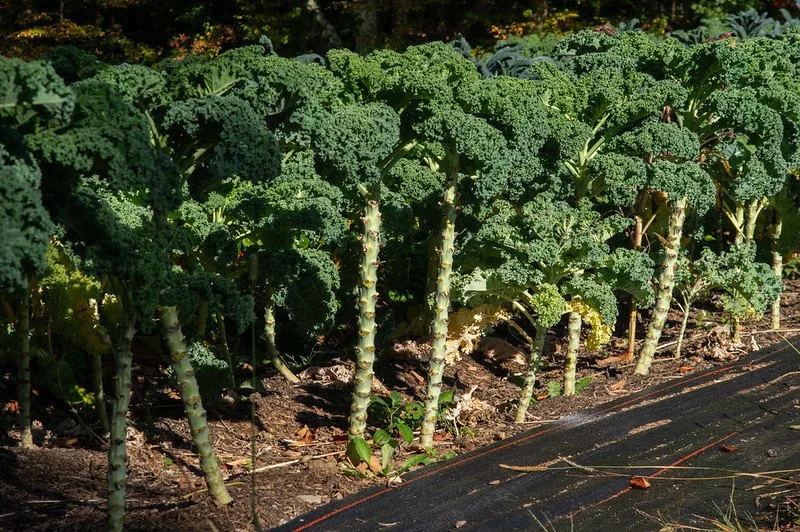
kale still crushing it in the field, photo by Adam Ford
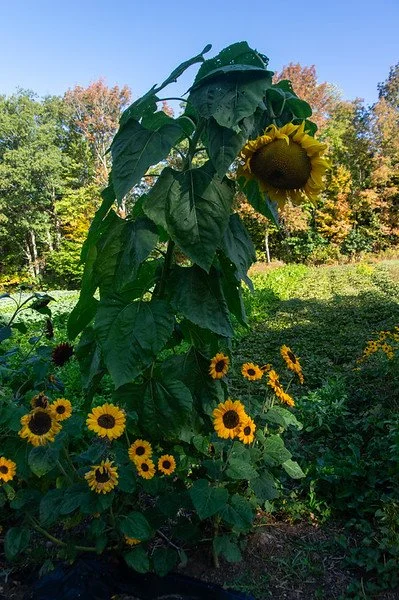
This is definitely a mama sunflower looking lovingly down on her baby sunflowers, photo by Adam Ford
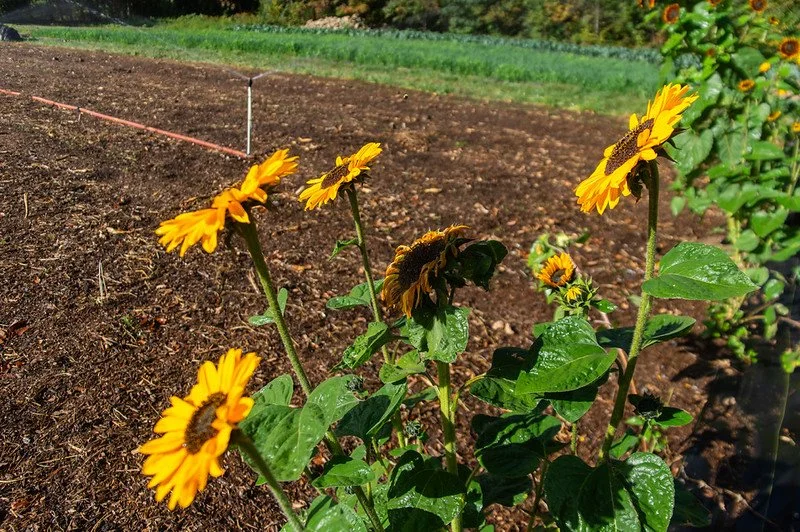
this year we did a good job of putting sunflowers all around the field edges to really encourage pollinator habitat up close to all the veggies, photo by Adam Ford
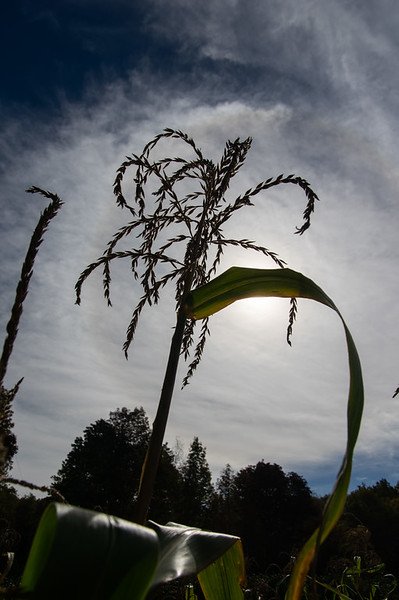
grain corn, coming soon! photo by Adam Ford

fall kale, cabbage, head lettuce, and fennel, photo by Adam Ford
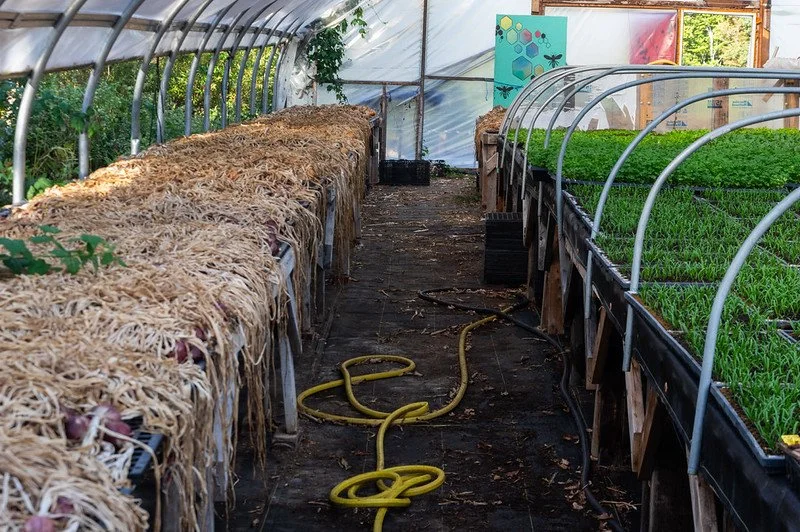
unless it is spring time, when it’s jam packed with new plants, the prop house is usually serving multiple functions at the same time… onions cured and waiting to be clipped and stored on the left, winter greens started and thriving, waiting to be transplanted on the right, photo by Adam Ford
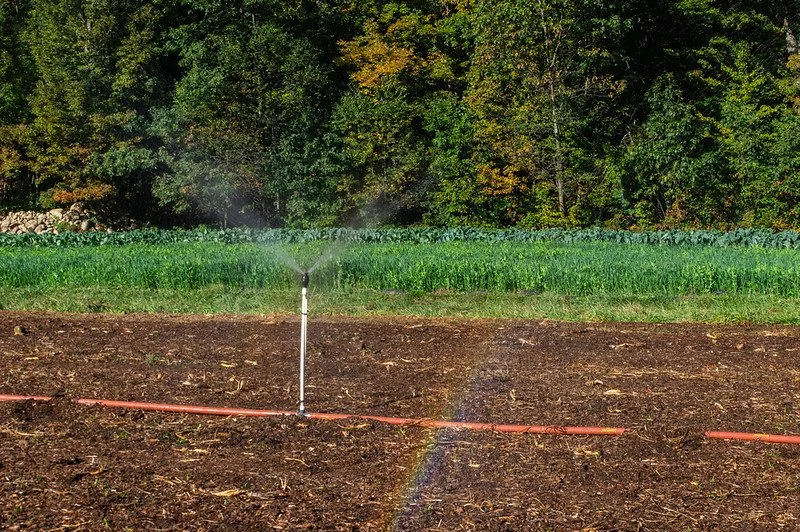
finding rainbows amidst the irrigation, photo by Adam Ford
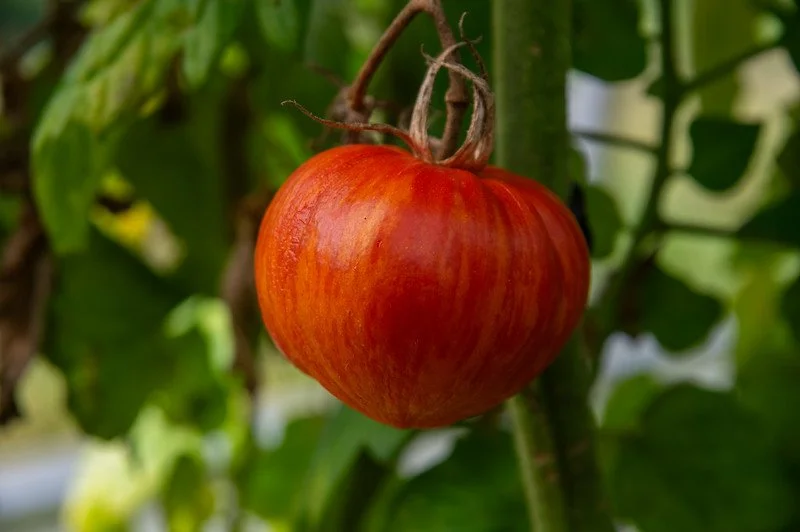
solar flare, photo by Adam Ford
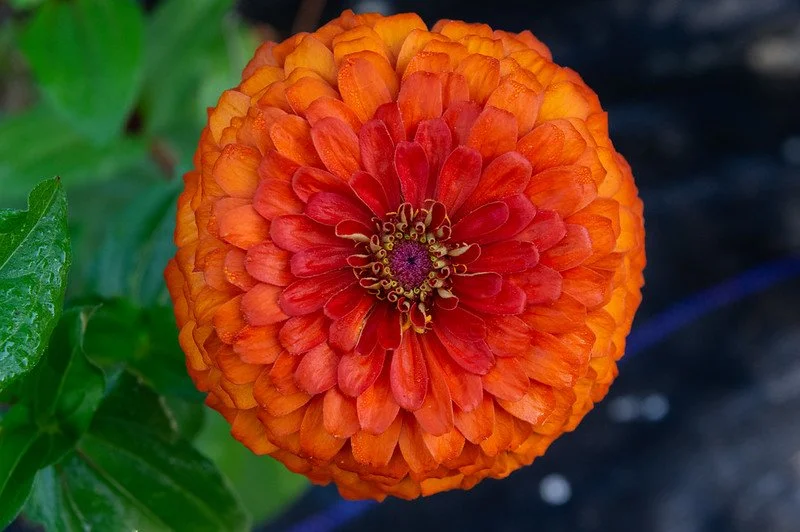
zinnia, photo by Adam Ford
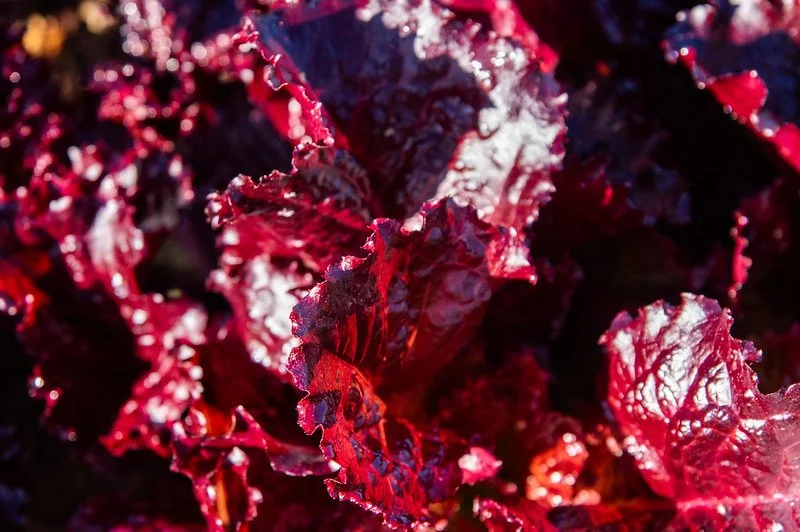
baby lettuce, photo by Adam Ford

lettuce tower going to seed, photo by Adam Ford

carrots in the field, photo by Adam Ford
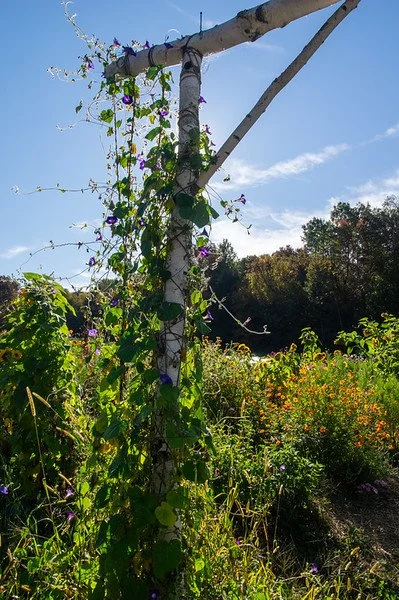
morning glories climbing up the birch entrance, even though we never got around to staking out all the trellises this spring, photo by Adam Ford
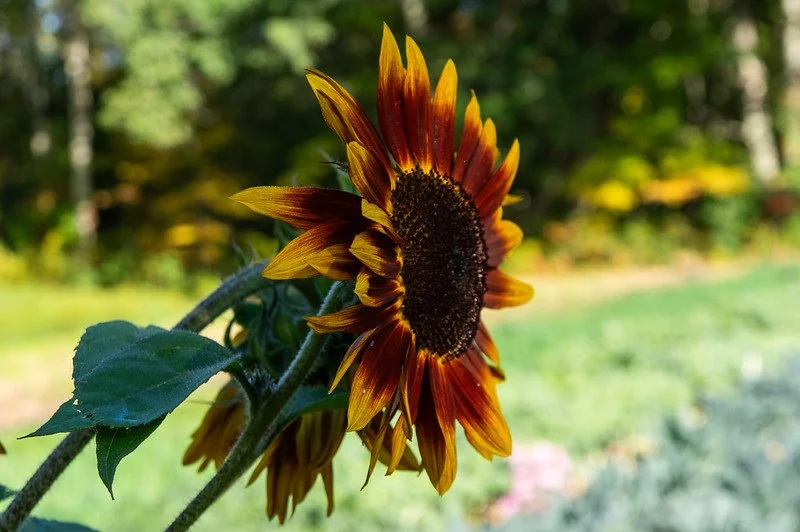
and they all kind of look like some type of beautiful veggie field supervisors, looking over everything as it grows, photo by Adam Ford
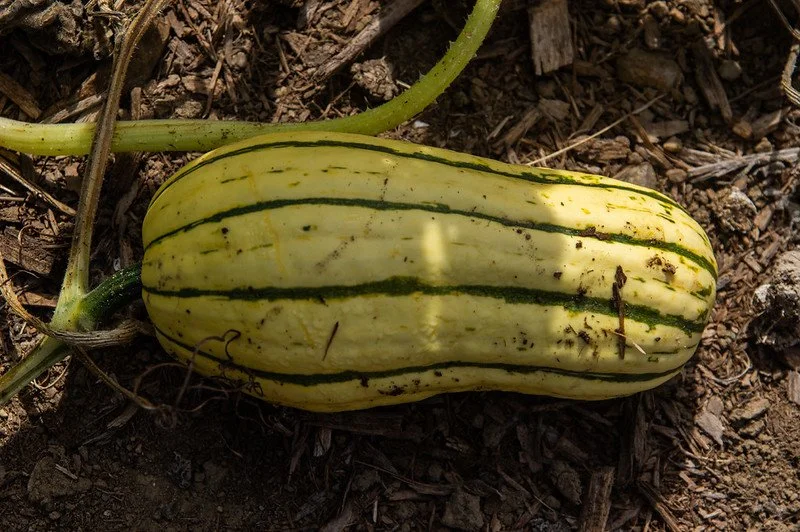
also coming soon: delicata, photo by Adam Ford
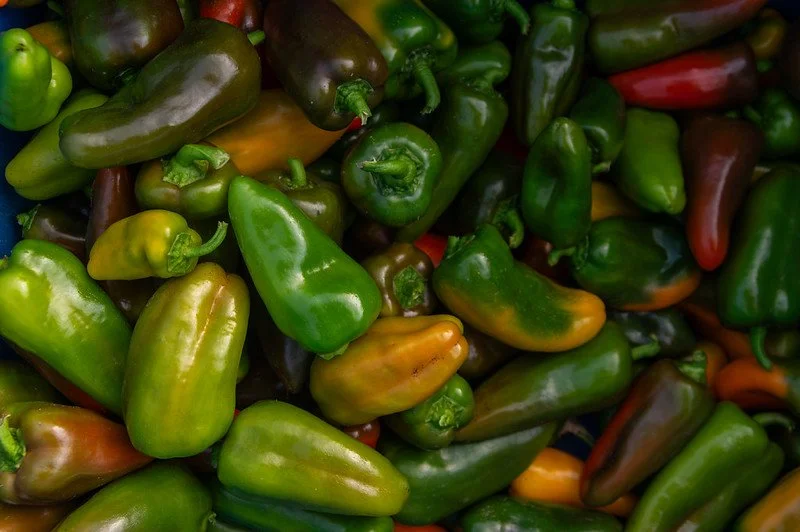
snack peppers for a little longer, photo by Adam Ford
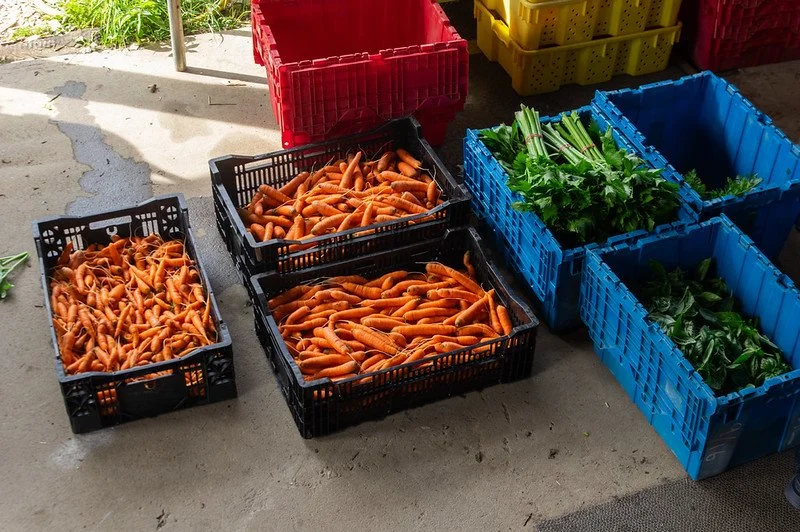
carrots, celery, and basil air drying a bit in the wash station, photo by Adam Ford
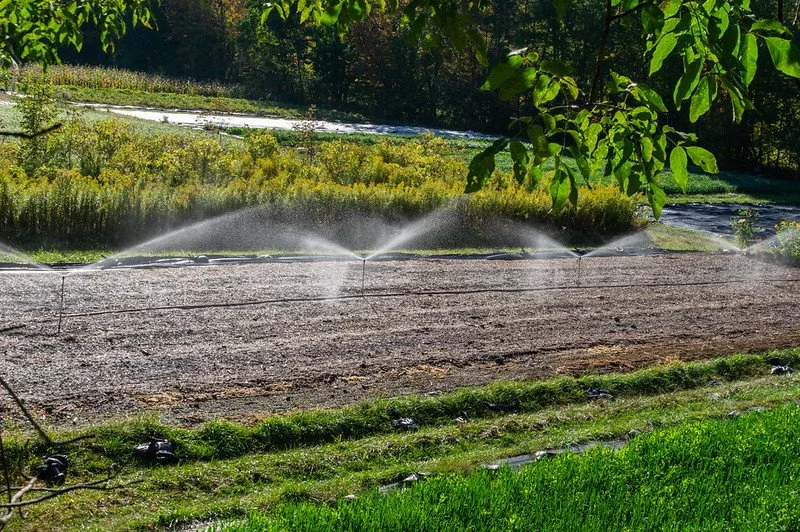
folks have been asking about the drought, which is obviously unideal, and we are really aching for rain, but we are really lucky to have a deep, productive well, so we just keep moving the irrigation around the farm as needed to see us through this particular dry spell, photo by Adam Ford
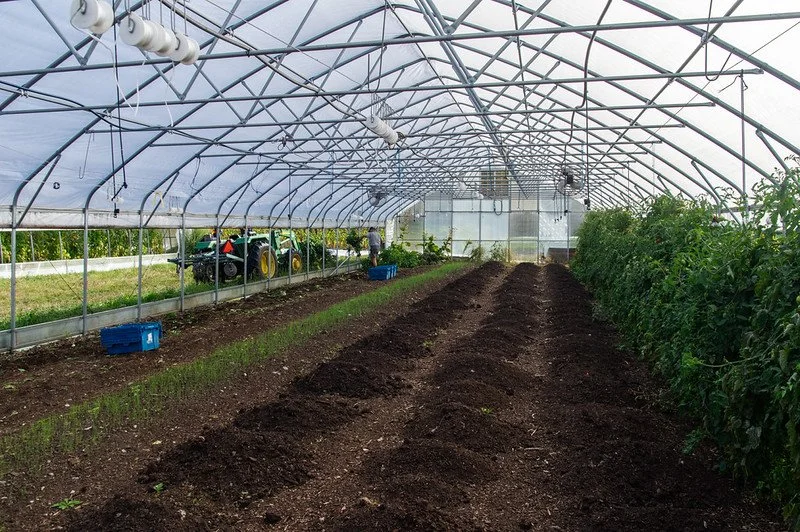
compost on newly cleared beds, ready to rake and seed, photo by Adam Ford
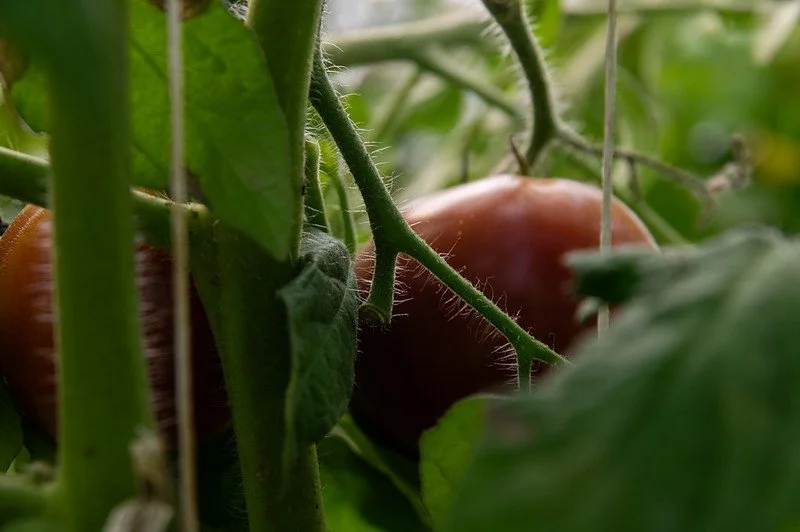
dark star, photo by Adam Ford
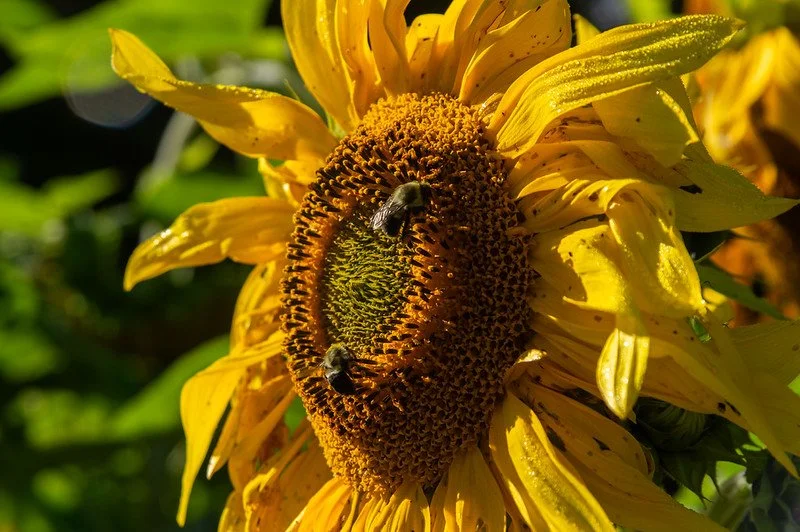
lunch time, photo by Adam Ford