
8th Week of the Fall CSA Season: Week of December 3rd
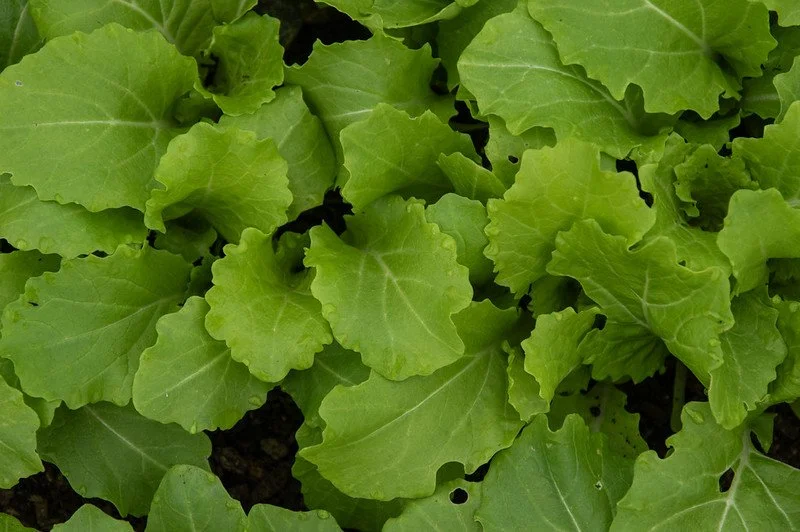
Tokyo bekana photo by Adam Ford
This Week’s Availability
This week we will have:
Greens: green curly kale, rainbow chard, green cabbage, bok choi, baby lettuce, spinach, baby kale, brussels crowns, claytonia
Roots: red beets, yellow beets, chioggia beets, carrots, watermelon radish, red potatoes, yellow potatoes, French fingerling potato, daikon radish, Gilfeather turnip, rutabaga, parsnip
Alliums: garlic, yellow onions, red onions, shallots, leeks
Herbs: cilantro, parsley
Miscellaneous: fennel
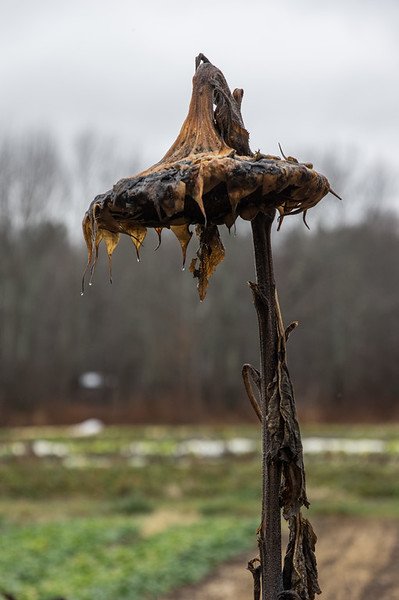
the birds have cleaned out many of the sunflower bird feeders already, photo by Adam Ford
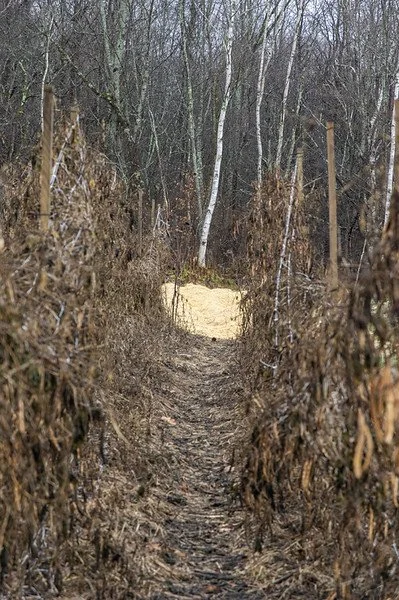
these were green beans in summer, photo by Adam Ford
Farm News
We hope you all had a nourishing and relaxing Thanksgiving. We tackled the bare minimum of work this week to also take some time to cook and relax for the holiday, so there’s not much to report from the farm this week beyond all the harvesting, washing, and packing that was accomplished. So instead, please enjoy a “historical” farm story….
Stories we don’t tell enough in the newsletters are some of our very early educational flops as budding farmers… and we have plenty of those entertain a bonfire late into the night. One of the more hilarious favorites of ours was way back in 2005, while we were living at our college’s student-run farm. The fact that it was student-run farm, without any guidance or education from a knowledgeable farm mentor, was actually the type of learning style both Ryan and I benefitted from… We both gravitate to learning by teaching ourselves, and flopping, then learning from failure and recalibrating, adjusting, trying again, flopping some more, and repeat this process until some version of successes and wins emerge from the madness. But the fact that this college farm was student-run, also means there were a LOT of opportunities for that flopping and failure. (I imagine there were probably some successes while we were there, but all that I can recall as successes in this moment are perhaps some mural painting, adobe greenhouse building, and pesto processing… Largely the growing of vegetables, management of an orchard, tending to beehives, and caretaking of chickens were more on the flopping spectrum.)
One day, we seeded a couple trays of cilantro seeds in hopes of transplanting them out into the garden in a few weeks. The seed we used was impossibly old seed that had poor germination, because as the weeks went by, only about 3 or 4 little baby cilantros emerged in all the trays we seeded. (At that point I don’t think I knew that seeds didn’t stay viable forever.) One day we left the greenhouse, we saw all these cute, tiny little “cilantro” seedlings right outside the greenhouse door, and we thought, weird, maybe we dropped a handful of seeds on the way into the greenhouse the day we seeded a few weeks back. So, since we were really eager for our future cilantro harvest, we snagged the empty trays that didn’t germinate, and got comfy on the ground, and carefully transplanted these tiny little “cilantro” seedlings into the trays to tend to them in the greenhouse until they were big enough to transplant out into the garden.
We thought it was odd that the seedlings didn’t actually smell like cilantro… but we explained that away that “cilantro must not acquire its amazing culinary scent until it is big and mature.” (This is an incorrect assumption, by the way. Super incorrect. In fact, a tray of baby cilantro plants is so divinely fragrant, that I can just stand over it to transport into olfactory heaven.) Anyway, we tucked in a couple hundred “cilantro” seedlings, and watered them in, and dutifully took care of them for the next couple weeks. They stubbornly did NOT acquire their cilantro scent, and as they grew they looked a little less like the cilantro plants we were familiar with. Until one day, leaving the greenhouse, we realized, “WOW, there is a giant plant outside this greenhouse that kind of looks like a big version of our baby cilantros that are looking less and less like cilantro. And all our little baby ‘cilantros’ came from right around this big plant.” That’s when we started suspecting that maybe, just maybe, we had transplanted hundreds of a type of weed, and not in fact some magical dropped seeds that germinated in the compact ground we all walked on every day and not in the light fluffy potting mix of our seedling trays. The curious “farmers'“ we were, we looked up what this weed might be, and sure enough, we transplanted trays and trays of poison hemlock into our student-run greenhouse! Super glad we didn’t get around to making a round of poison chimmichurri. (But, predictably, a future student who lived there a couple years later DID make a “cilantro” pesto from that weed that continued growing next to the greenhouse door. Thankfully it didn’t taste good, so not much was consumed and none of their housemates died, but apparently folks got pretty sick. Spoiler alert, the college wrapped up the student-run aspect of that farm program… Not from the poison hemlock adventures, but it’s probably a good call to help budding farmers learn about poisonous plants.)
Good news is, we learned that we should probably know what plants we are actually working with, so we have that skill down pat now, ha. And yes, we objectively really had no idea what we were doing 20 years ago, but just to give our college selves a little grace, below are side by side pictures of poison hemlock seedlings and cilantro seedlings:
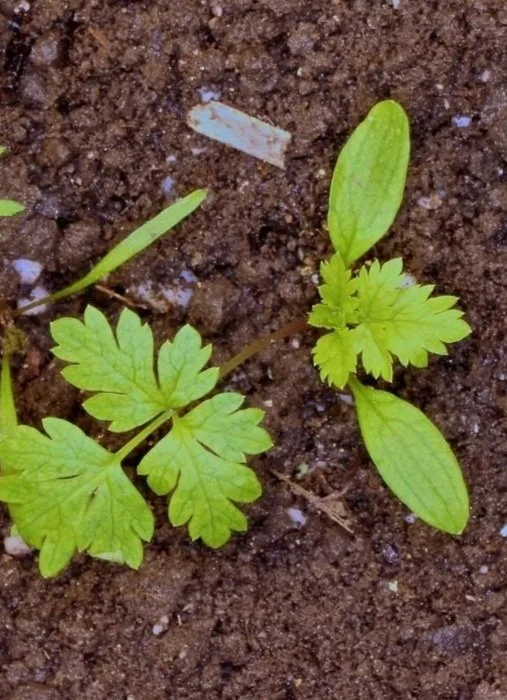
poison hemlock seedling
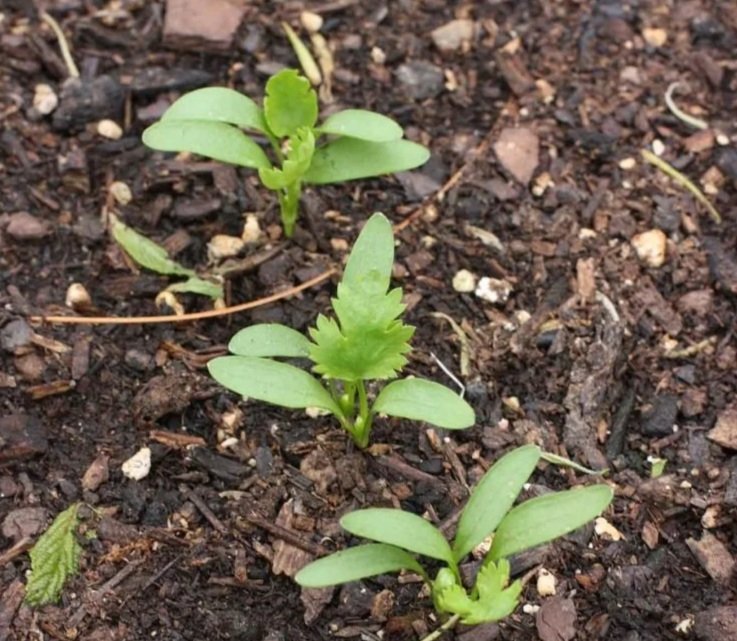
cilantro seedlings… See! They do kinda look similar!!
Well there you have a “Ryan and Kara learn to farm” original story. More of those available on demand.
Have a great week,
-ESF Team: Kara, Ryan, K2, Cindy, Taylor, Leah, Natalie, Katie, Galen, Vanessa, Georgia, Amelia, Kristina, and Hannah (and Sky and Soraya)
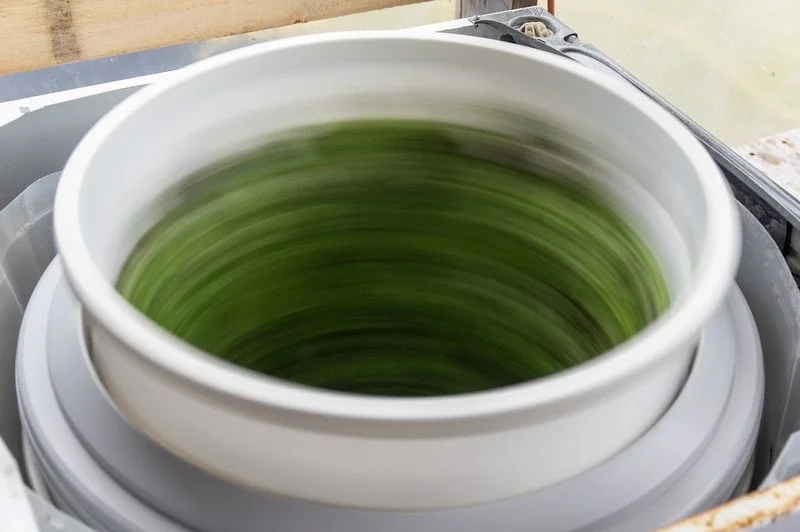
spinning greens dry, photo by Adam Ford
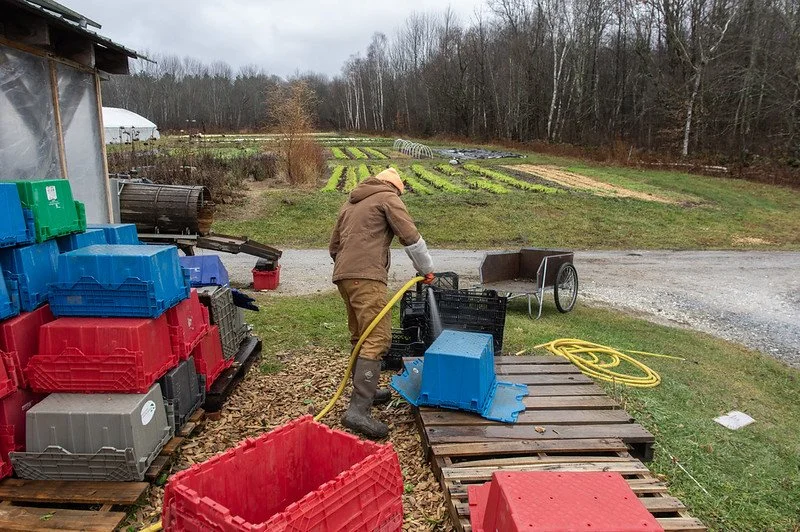
spraying bins clean, photo by Adam Ford
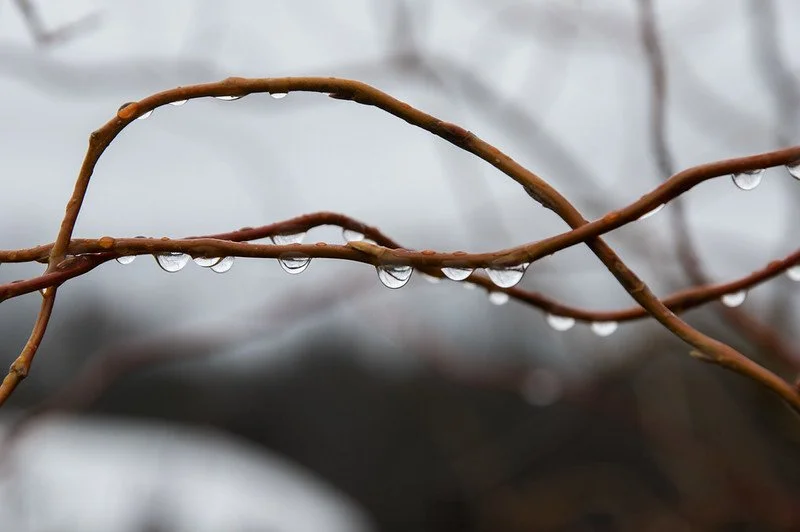
sunny twist willows, photo by Adam Ford
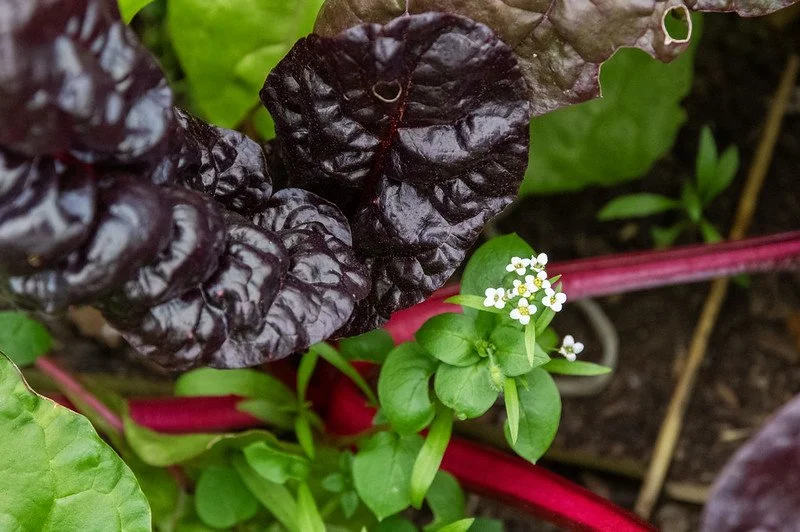
Alyssum in the rainbow chard rows, photo by Adam Ford
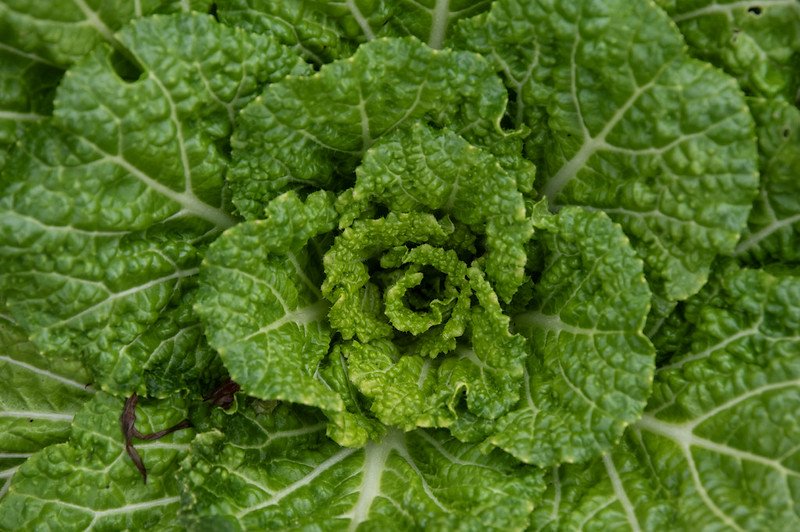
napa cabbage, photo by Adam Ford
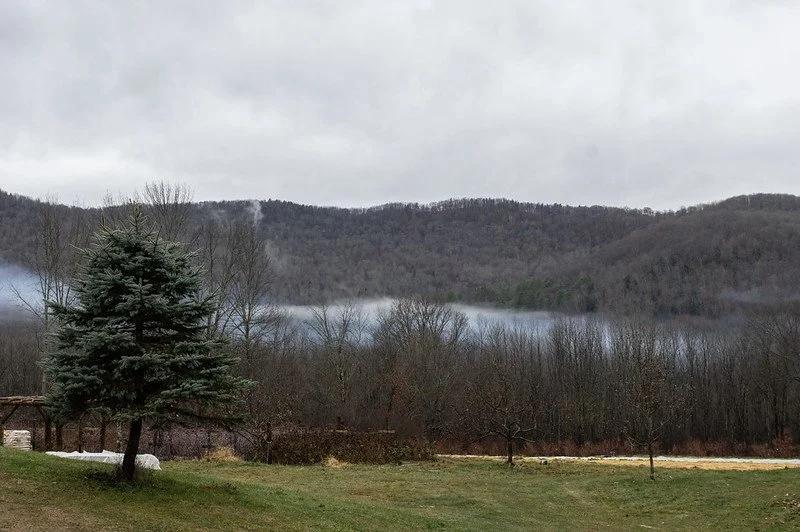
fog lifting, photo by Adam Ford
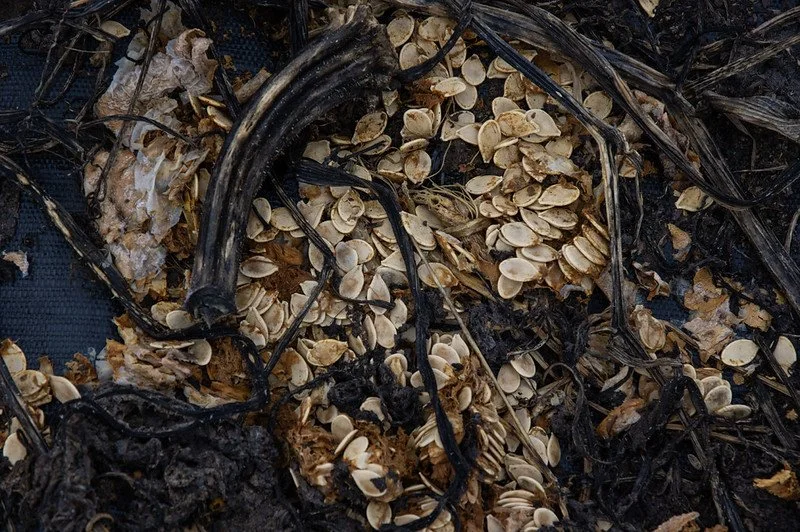
a pumpkin left behind, photo by Adam Ford
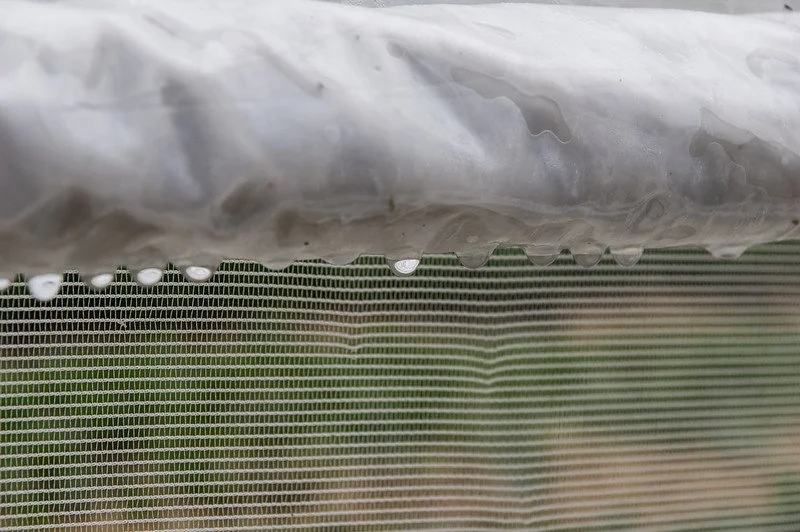
insect netting on the side of the tunnel, photo by Adam Ford
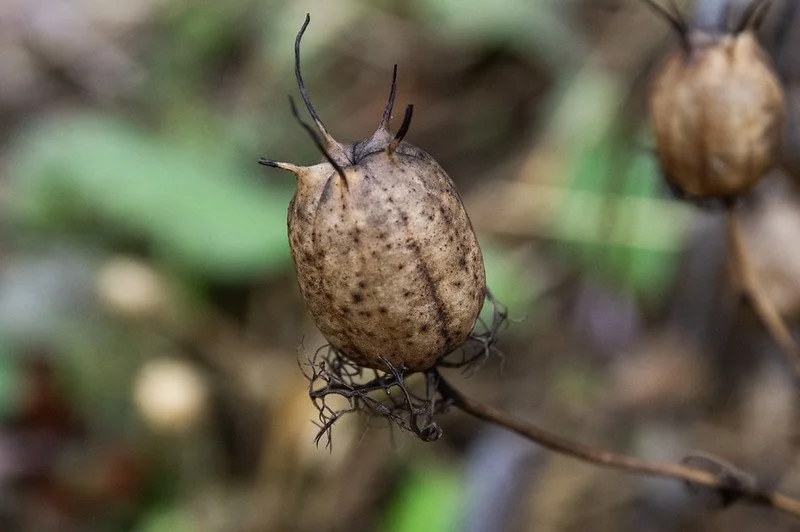
love-in-a-mist seed pod, photo by Adam Ford
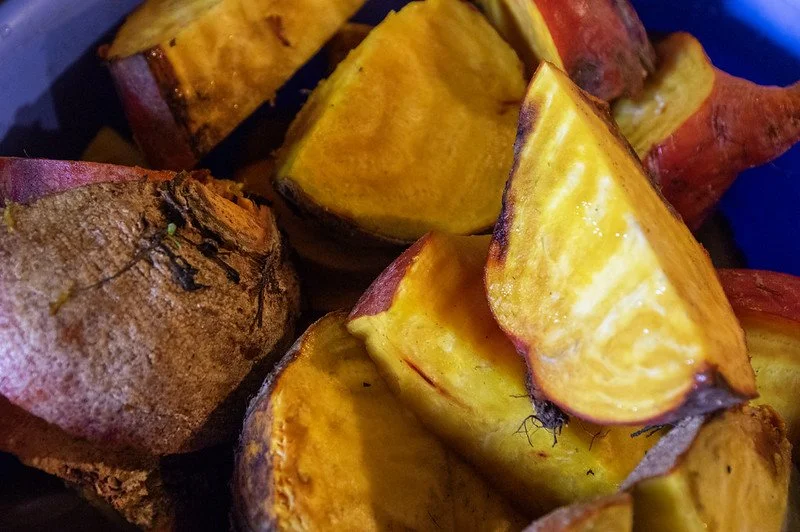
I chop the “farmer quality” yellow beets into treats for our goats this time of year, photo by Adam Ford
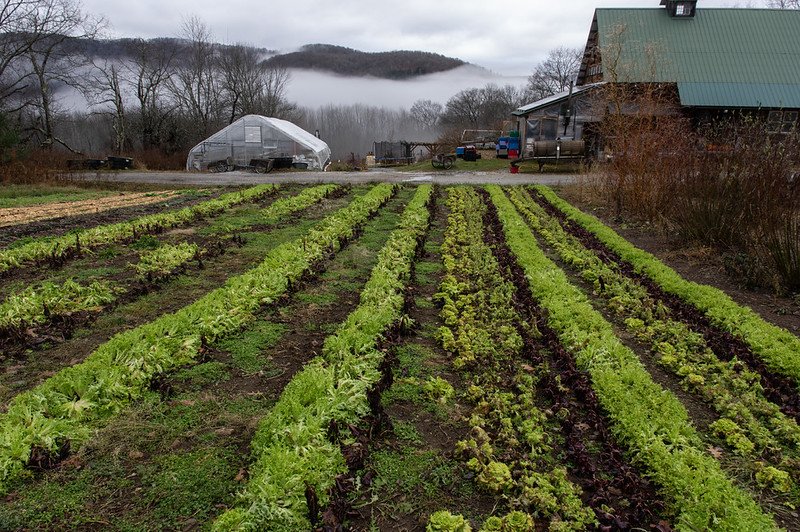
lettuce beds from the fall, photo by Adam Ford
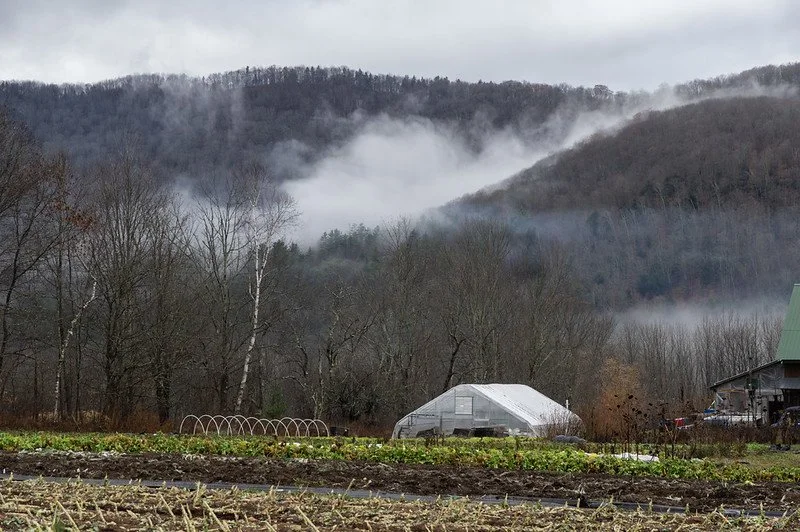
more fog, photo by Adam Ford
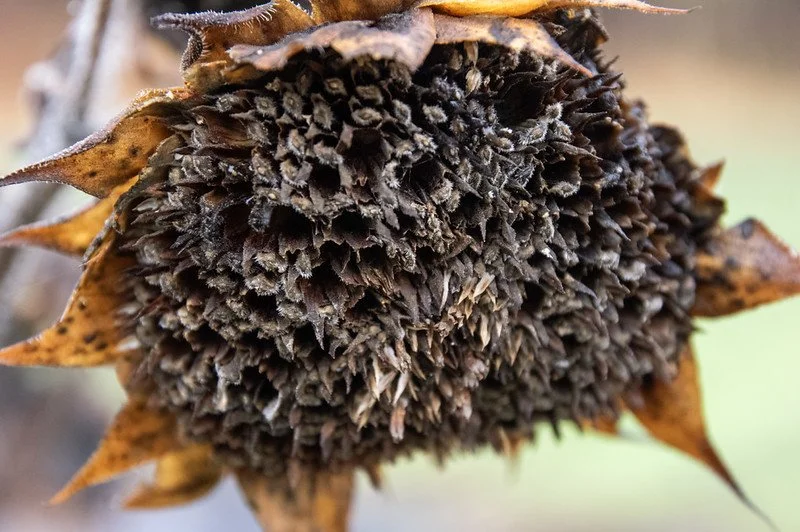
no sunflower seeds left behind, photo by Adam Ford
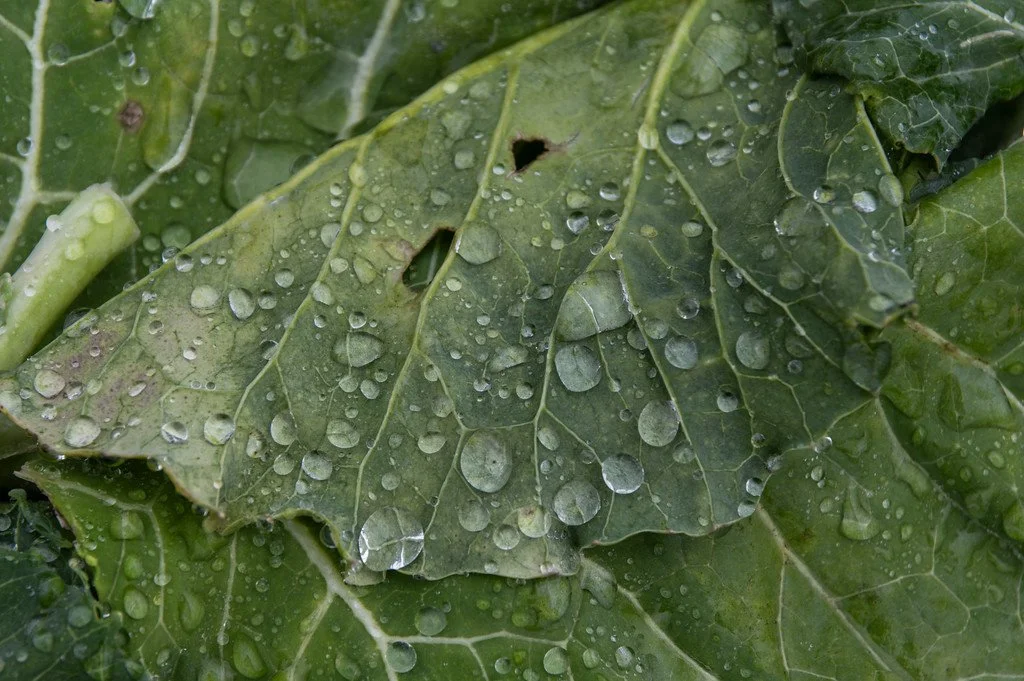
water beads on brassica leaves, photo by Adam Ford