
7th Week of the Spring CSA Season: Week of April 15th
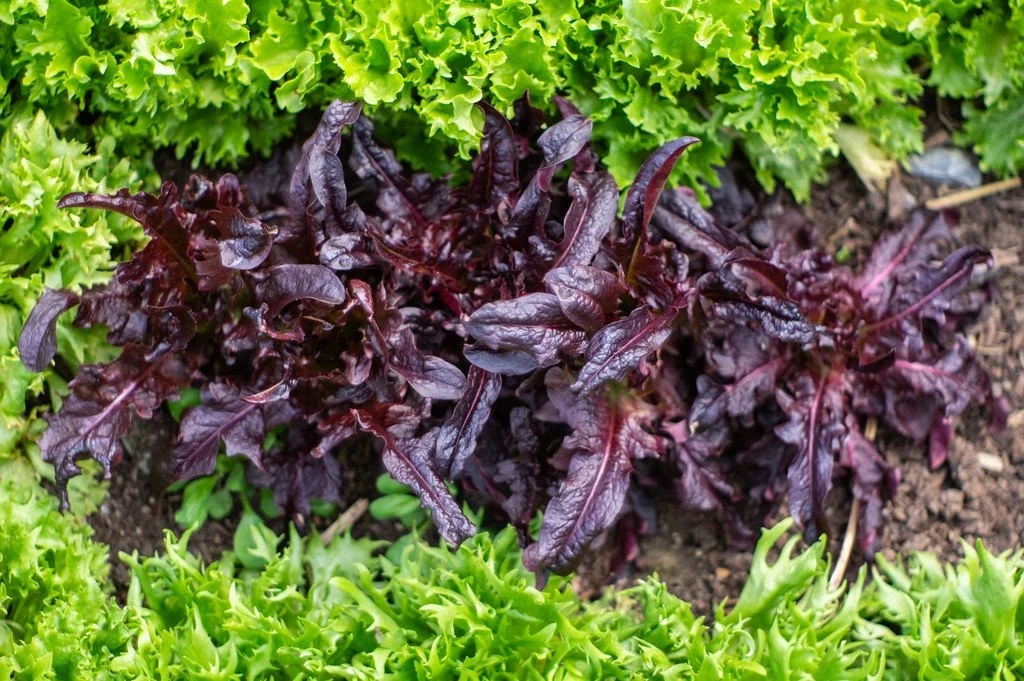
overwintered kale gets so tender this time of year as it tries to start going to seed, photo by Adam Ford
This Week’s Availability
This week we will have:
Greens: green curly kale, spinach, baby lettuce, claytonia, baby chard, green cabbage, pea shoots
Roots: red beets, yellow beets, chioggia beets, large carrots*, watermelon radish, yellow potatoes, daikon radish, Gilfeather turnip, parsnips**
Alliums: garlic, scallions
Herbs: parlsey
Fruiting crops: frozen heirloom and beefsteak tomatoes, Painted Mountain grain corn
*This time of year when we start running out of some of the popular storage veggies, we bring them in from another certified organic farm, Juniper Hill Farm. Their carrots are a different storage variety, and they are larger and less sweet, but still a great carrot. I also tend to peel theirs for cosmetic reasons, while usually I don’t peel ours. Just a heads up, since we get A LOT of comments on how much people love the specific carrot variety we grow.
**Most of the spring dug parsnips have surface damage that Ryan wrote about below. It can be peeled off to a predominantly good parsnip. They will take a little more work to clean up than the ones we harvested and stored from the fall.
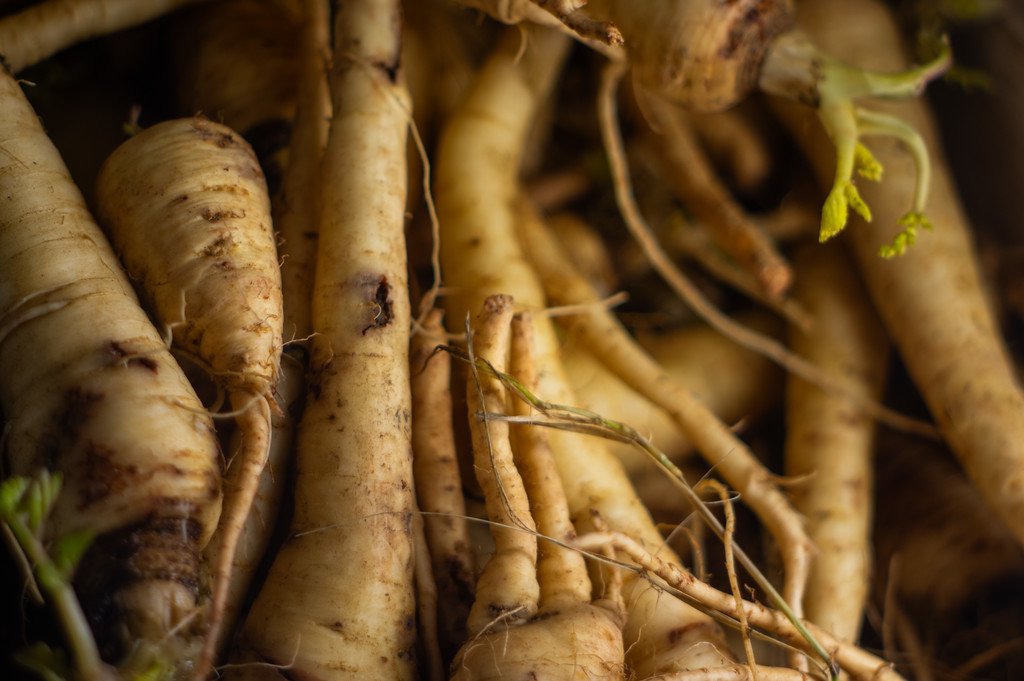
Parsnips, photo by Adam Ford
Farm News
Sometimes in the winter or spring someone will ask me if there are any new crops that we are giong to be growing in the coming year. I rarely have a great answer—a red frilly lettuce that may hold for a while longer in the field before bolting, or trialing an additional variety of broccolini to see how it compares to our go-to. This year in addition to those types of simple variety trials, we’re also going to try growing a couple crops that are completely new to us: onion and parsnip seed. Both onions and parsnips are biennial crops, meaning that in the first year they develop a bulb or root rich in carbohydrate reserves, and in the second year those bulbs or roots send out foliage and then flowers to cross pollinate and set seed. We selected about 30 of our largest storage onions and 40 of our straightest parsnips to plant back into the soil. We’ve planted them at a much more generous spacing than if we were growing onions and parsnips to eat: the flowers will take up much more space, and will need enough airflow to prevent molds and mildews from growing on the seedheads. If we manage to harvest good quality seed from the onions and parsnips, we will get to plant those seeds in the spring of 2027. It’s interesting to think that just over 100 years ago, anyone keeping a garden would have some experience saving the seeds of the crops they liked to grow in their garden. We’ve benefited greatly from the incredible availability of vegetable seeds shipped through the mail, and it’s allowed us to grow many more varieties than we could possible maintain all the seed for. But it also feels good to begin putting just a little energy into saving the seeds of a few of the crops we like to grow. I am looking forward to seeing that become a full cycle on our farm, from seed to root and back to seed.
Otherwise, this week we continued some weekly seeding and potting up in our propagation greenhouse, seeded the second round of fast growing greens in one of our outdoor fields, and seeded a field to a cover crop of oats, peas, and flax to prepare that soil for what will be our final planting of head lettuce in August. This week we will start preparing some tunnel beds for next week’s transplants.
Have a great week,
-ESF Team: Kara, Ryan, K2, Vanessa, Taylor, Katie, Galen, Leah, Natalie, Cindy, and Hannah (and Sky and Soraya)
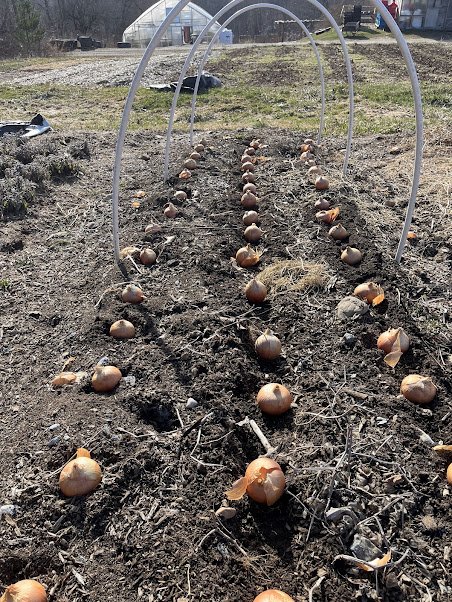
Onions ready to be planted for seed
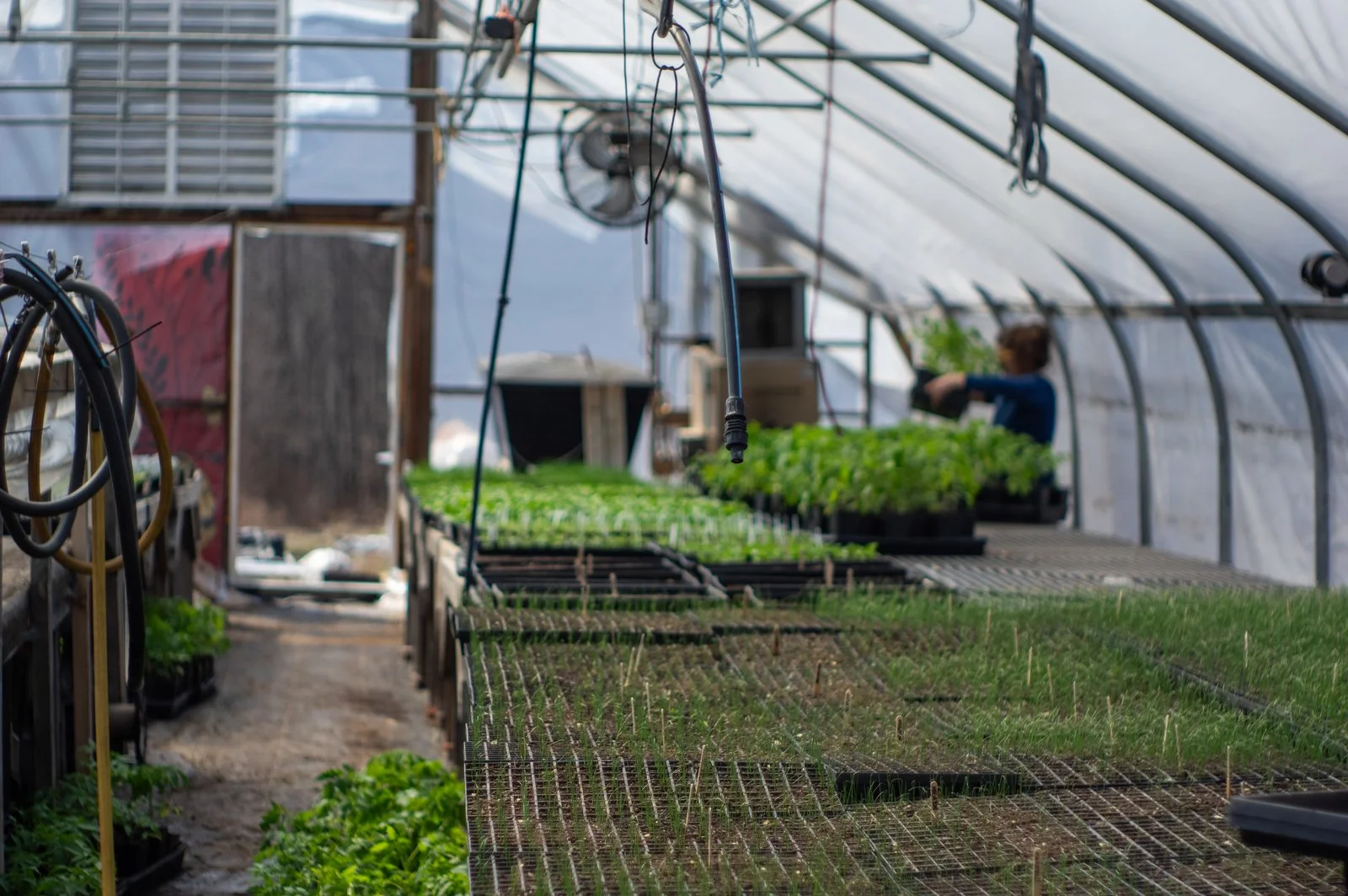
moving trays around in the prop house, photo by Adam Ford
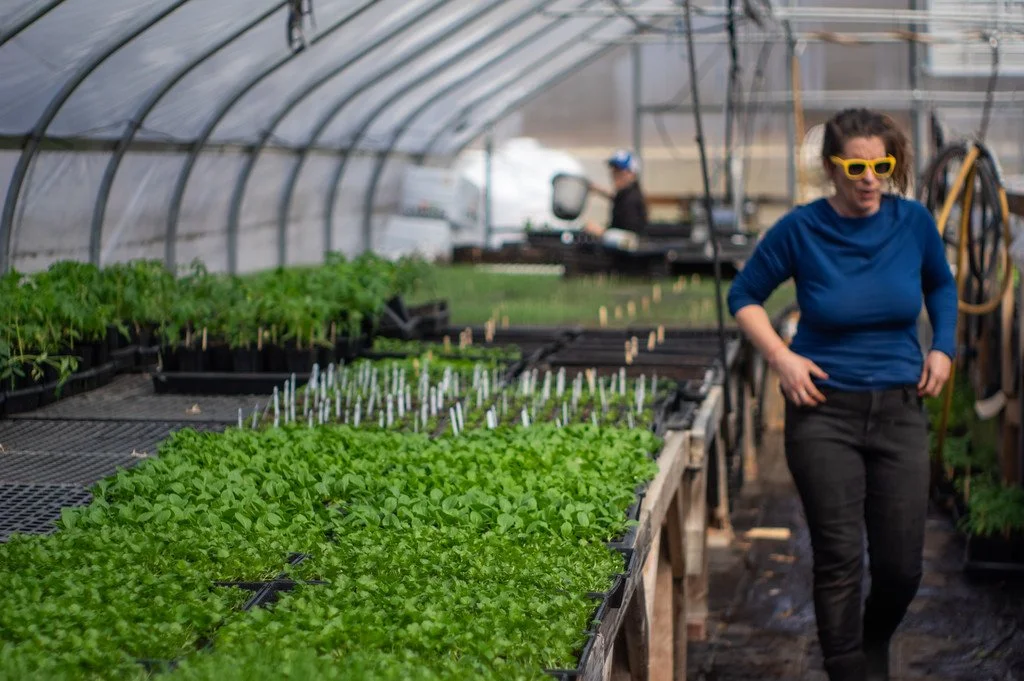
it’s bright in there! photo by Adam Ford
aphid nursery, photo by Adam Ford
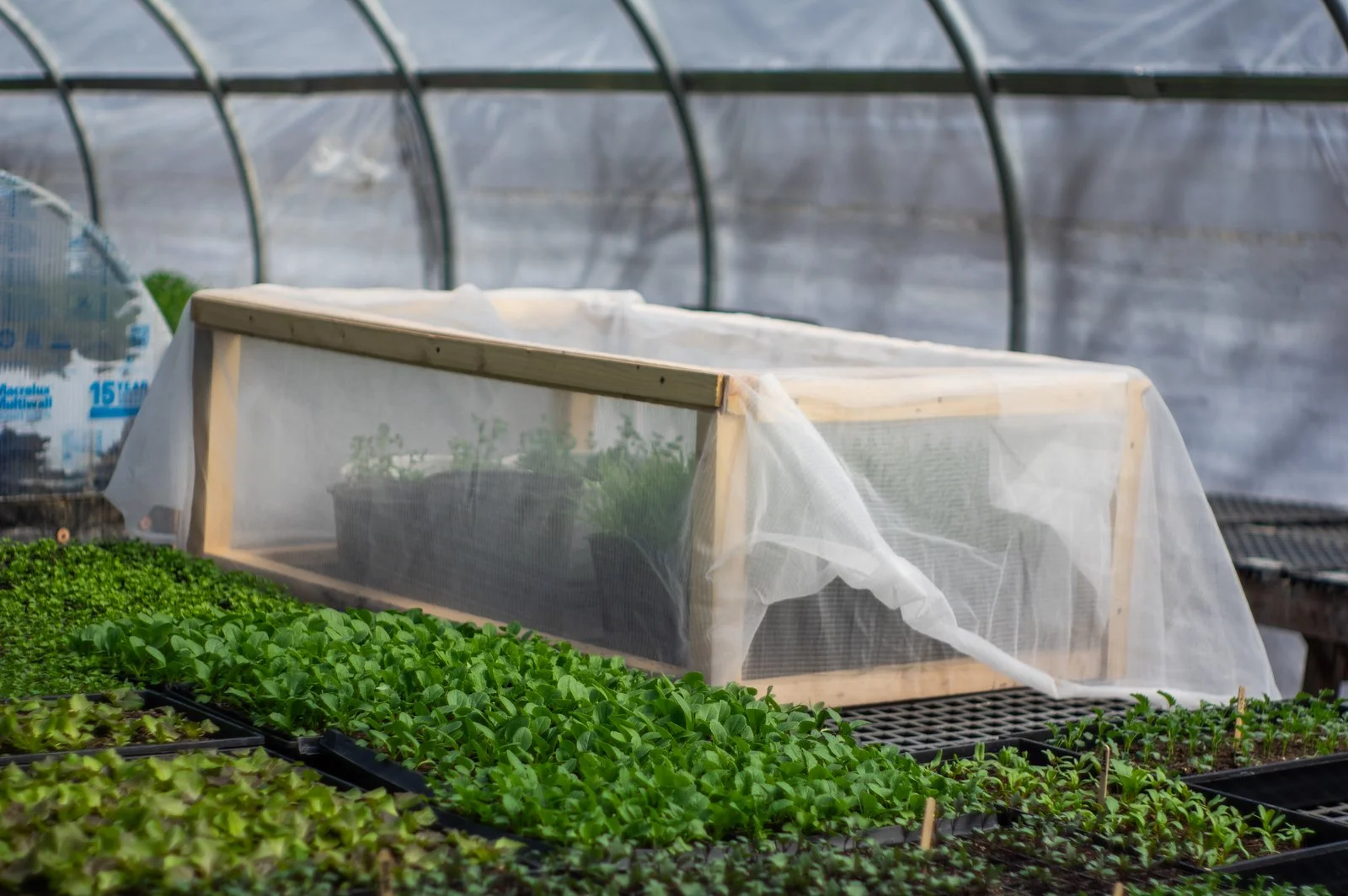
These beds are seeded to arugula, spinach, bok choi, baby lettuce, and salad turnips. They’ll be covered with row cover (spun polyester fabric) to keep in the warmth and to exclude the pesky flea beetles and cabbage flies. I don’t love using giant sheets of polyester fabric, but none of our farm’s season extension would be possible without it. Photo by Ryan
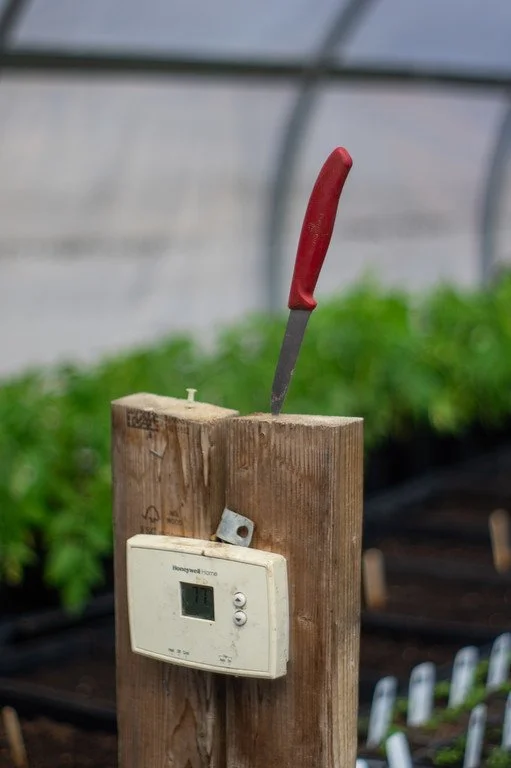
knife holder, photo by Adam Ford
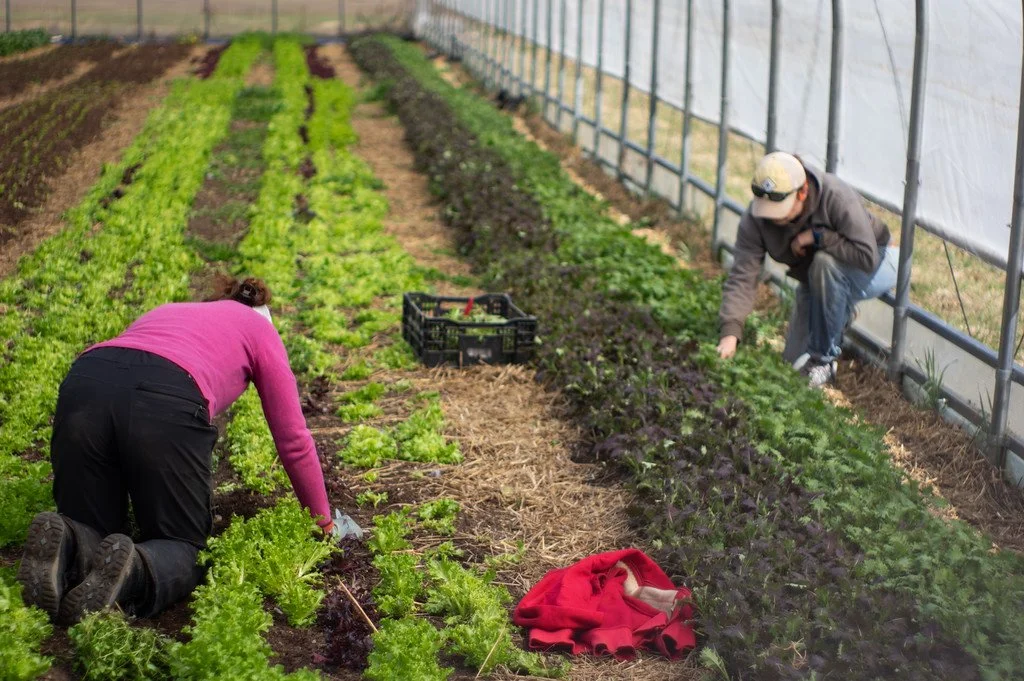
weeding the greens, photo by Adam Ford
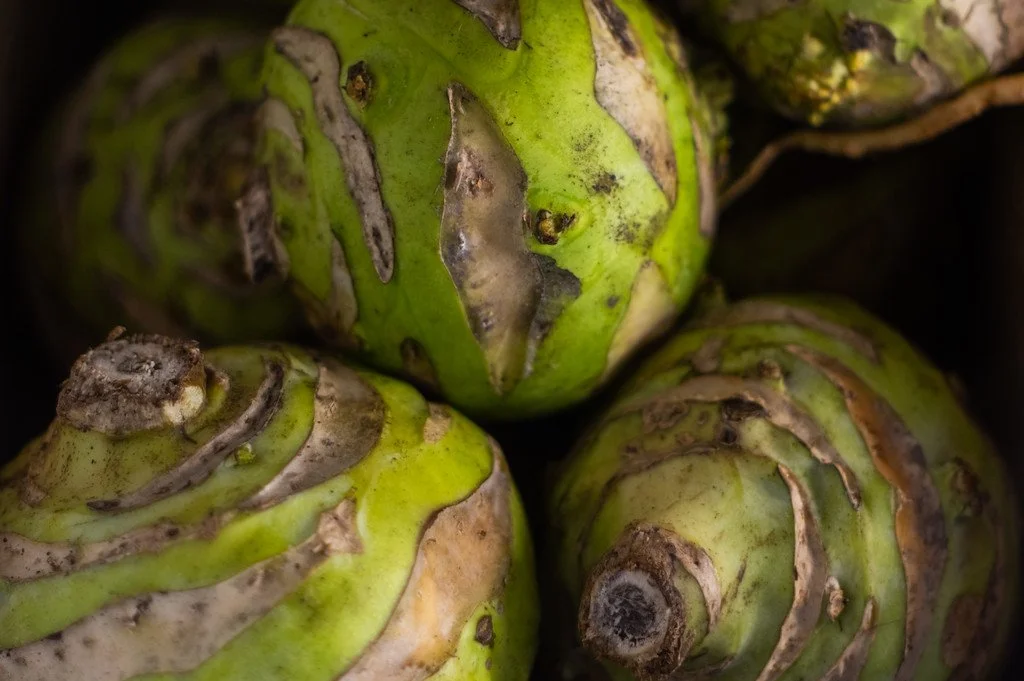
kohlrabi, photo by Adam Ford
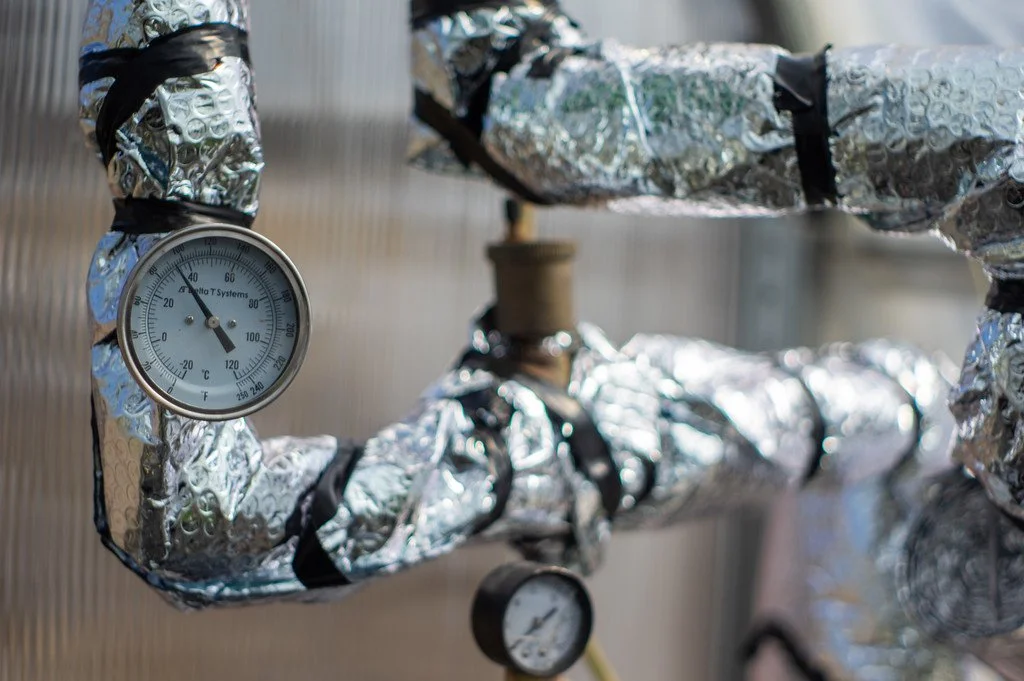
hot water system for the heated table in the prop house, photo by Adam Ford
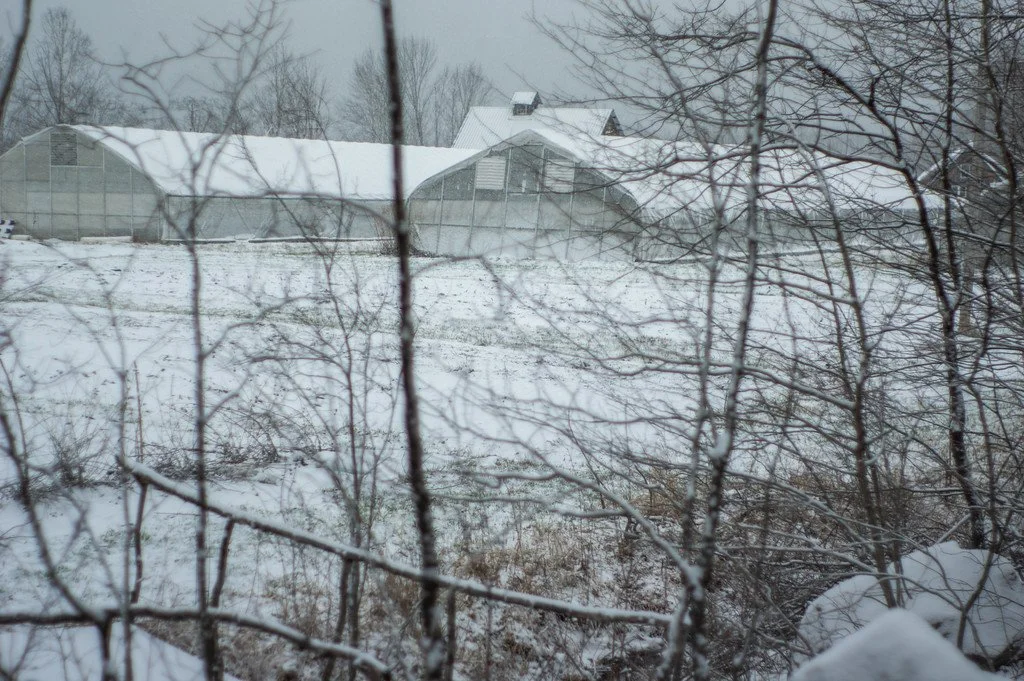
with this gorgeous weather, it’s fun to remember that last week started like this! photo by Adam Ford
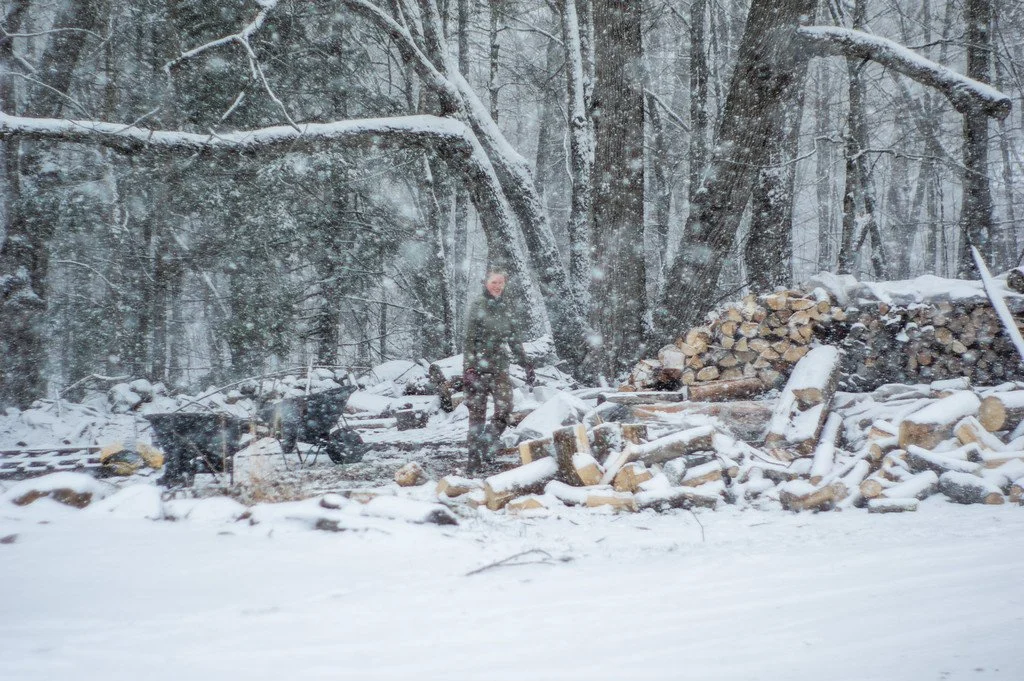
Leah moving some of the firewood to keep the wash station warm, photo by Adam Ford
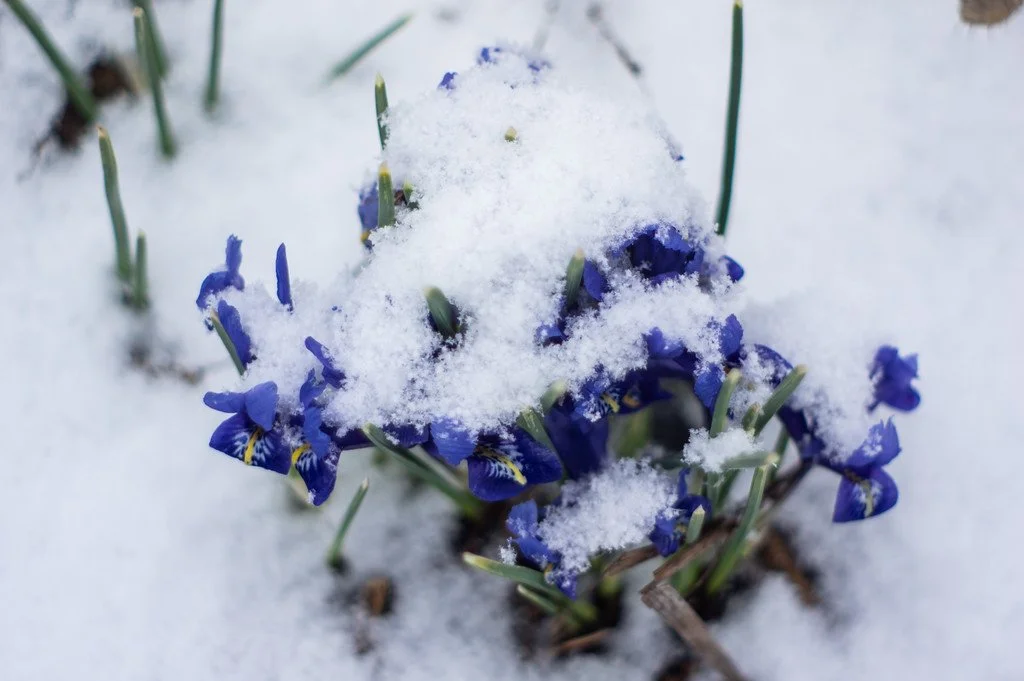
spring! photo by Adam Ford
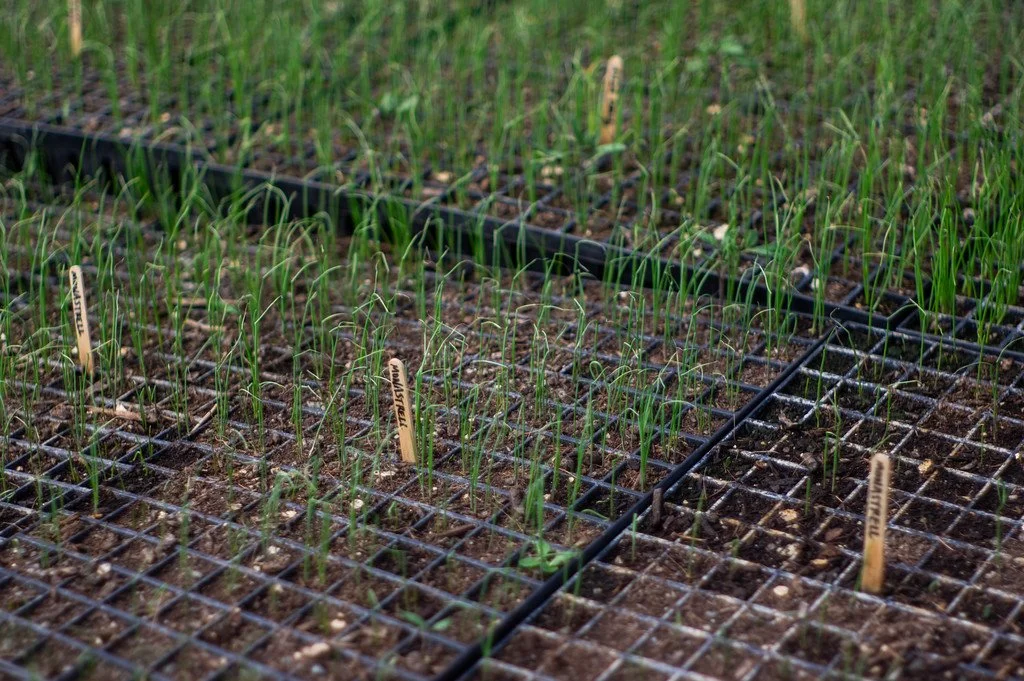
onions, photo by Adam Ford
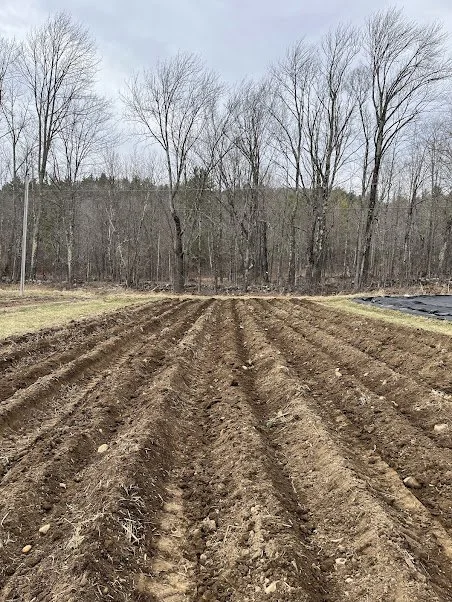
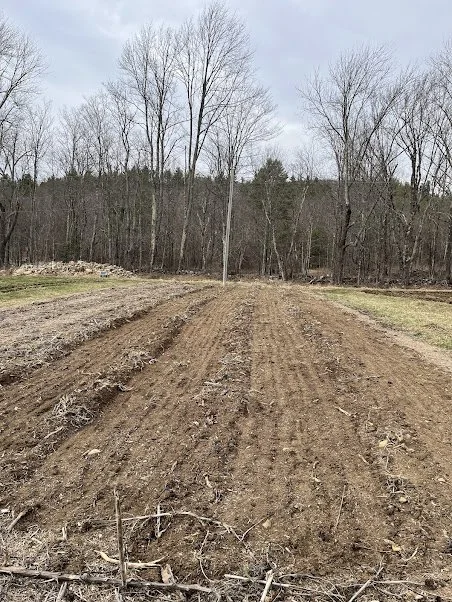
This field seeded to oats, peas, and flax and formed into ridges before Friday evening’s rain. The extensive root systems of these cover crops will bind all the soil particles together to maximize water infiltration and reduce erosion. That cover crop will be terminated with a tarp and we’ll plant fall lettuce through that grown-in-place mulch. Photo by Ryan
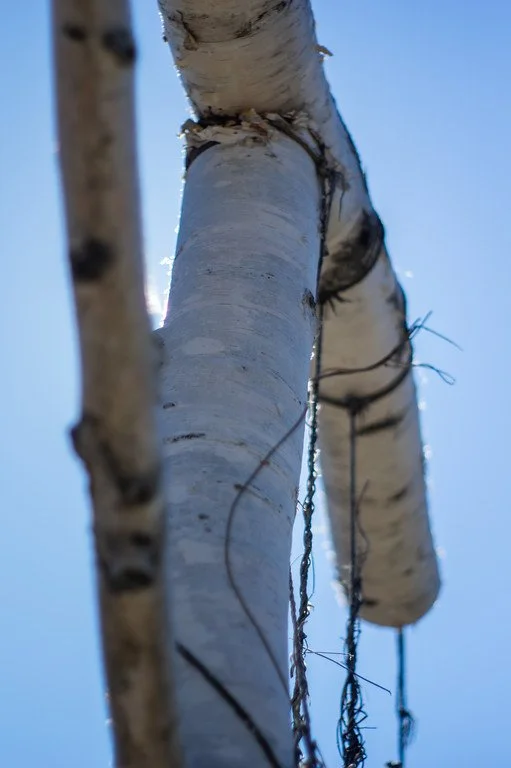
flower arch, photo by Adam Ford
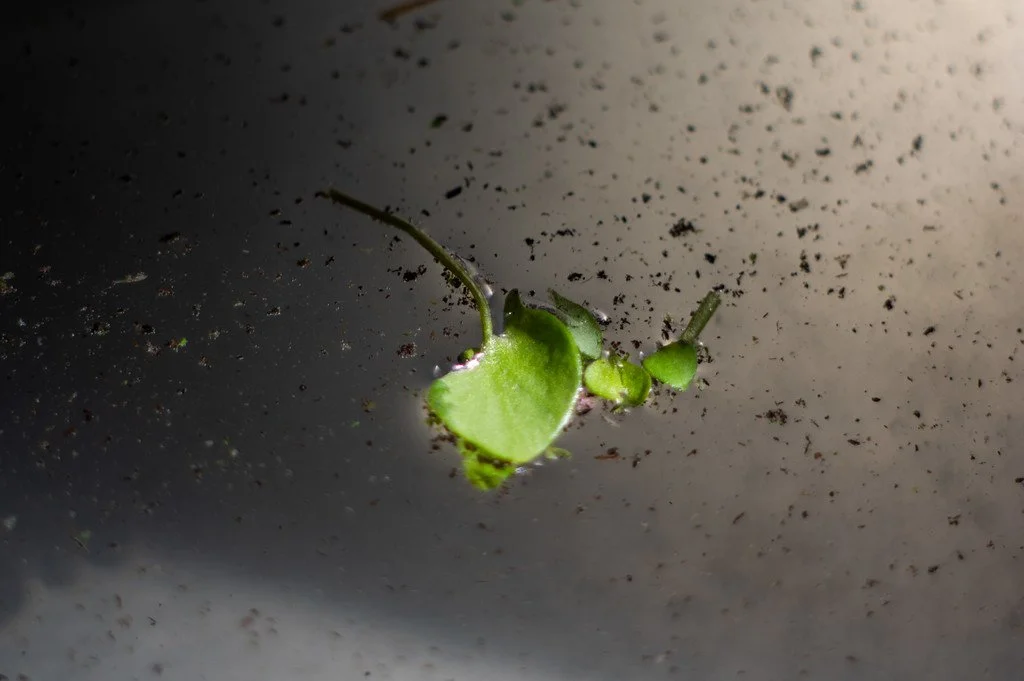
claytonia left in the wash basin, photo by Adam Ford
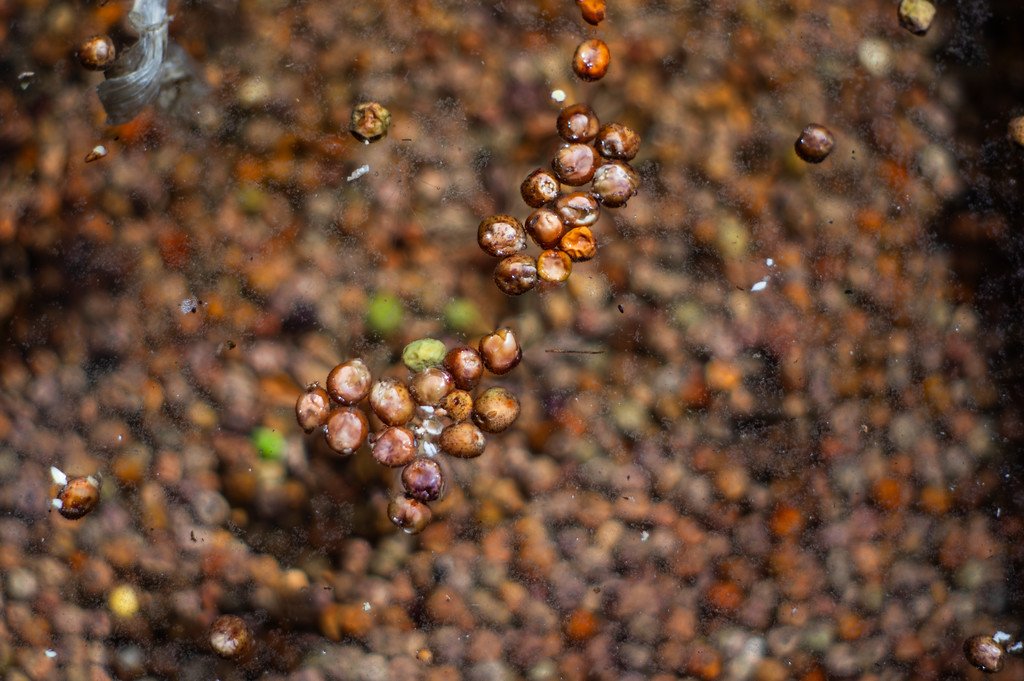
soaking pea seeds for pea shoots, photo by Adam Ford
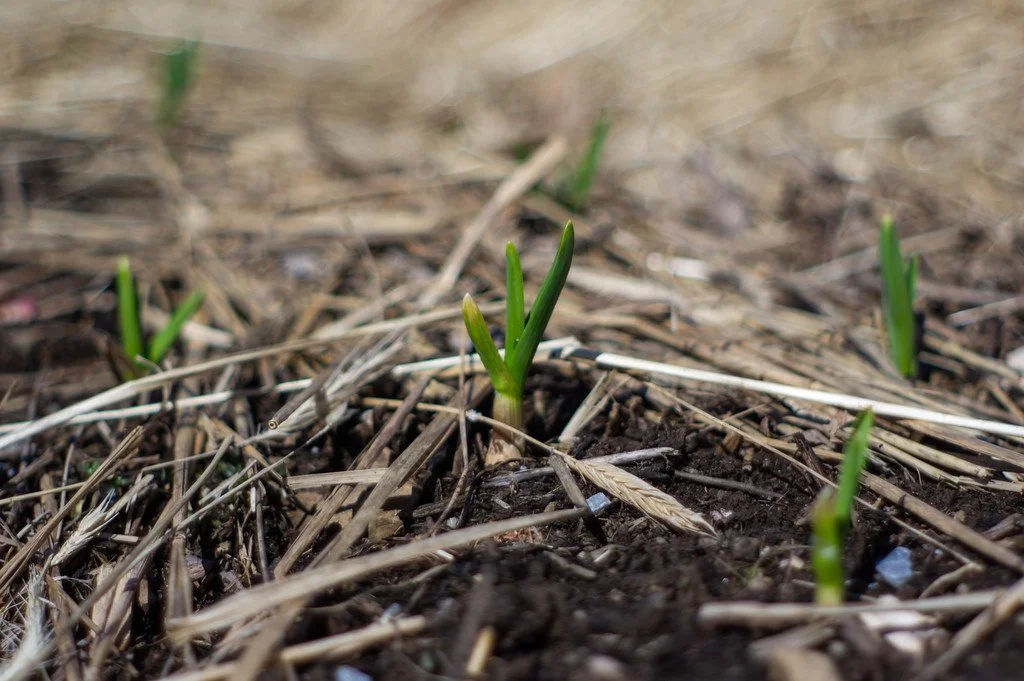
garlic poking through the soil and mulch is a favorite spring sighting, photo by Adam Ford
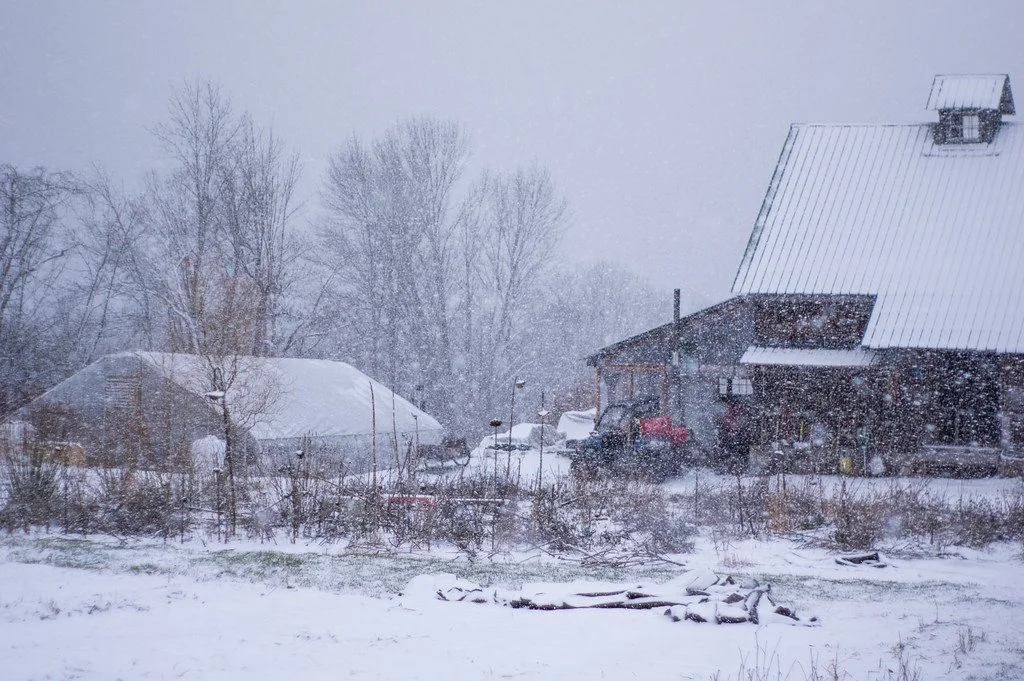
snowy scenes on a Tuesday, but it’s bright and green inside that prop house on the left, photo by Adam Ford
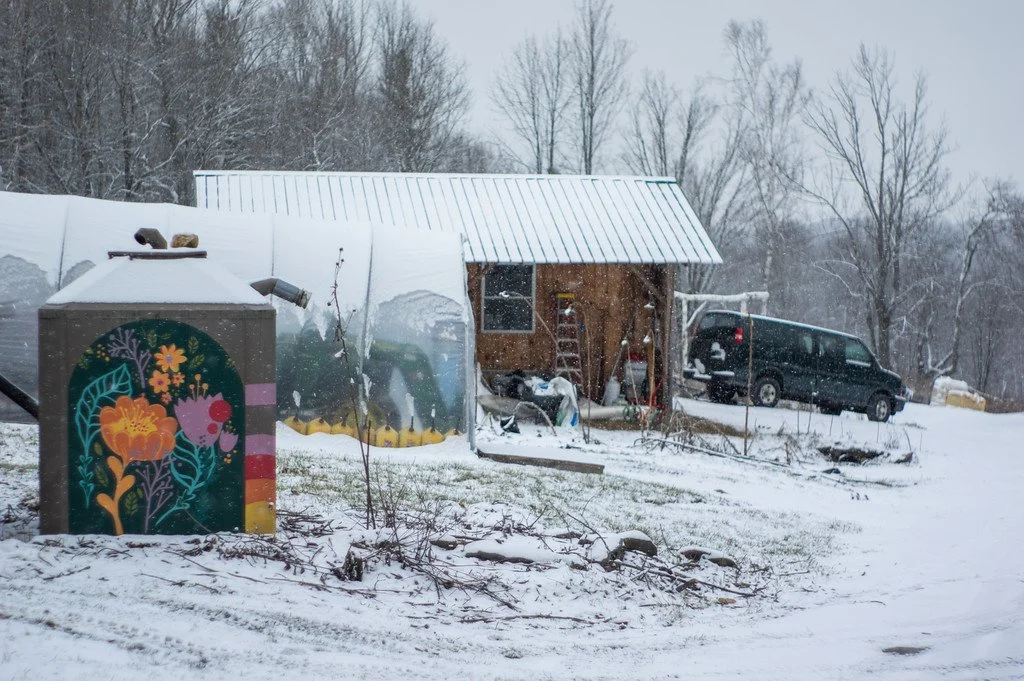
we will fire that furnace up soon to warm the tunnel soil to get ready for tomato transplanting, photo by Adam Ford
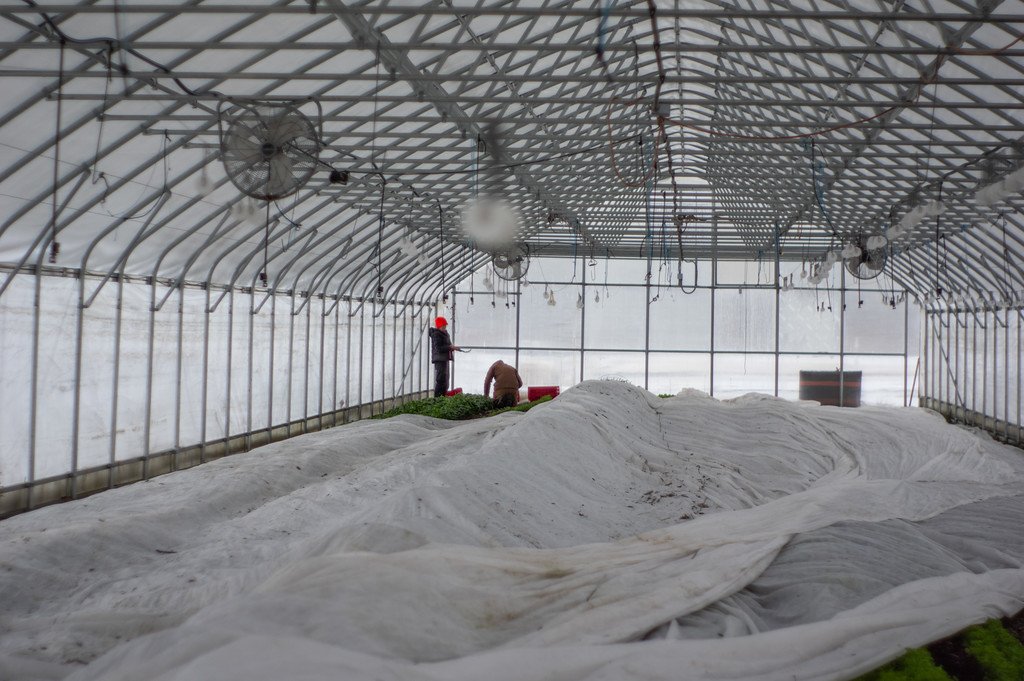
keeping those greens tucked in on the cold nights, photo by Adam Ford