
12th Week of the Summer CSA Season: Week of August 11th
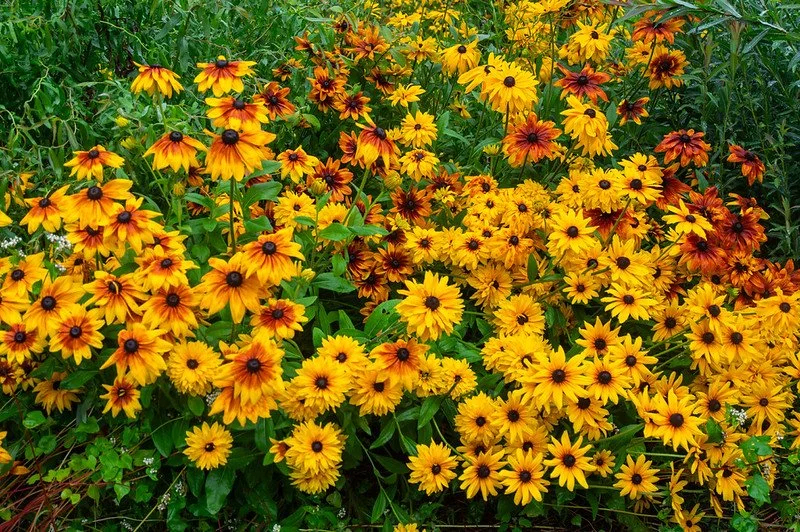
Wow! photo by Adam Ford
This Week’s Availability
This week we will have:
Greens: baby lettuce, green curly kale bunches, rainbow chard, green head lettuce, pea shoots, fairy cabbage* (read description below in the crop report to learn about fairy cabbage)
Roots: new red potatoes, new yellow potatoes, red beet bunches, yellow beet bunches, carrots
Alliums: scallions, chives, yellow onions, red onions, sweet onions, fresh garlic bulbs
Herbs: sage, parsley, basil tops, pesto basil
Fruiting crops: zucchini, summer squash, slicing cucumbers, heirloom tomatoes, beefsteak tomatoes, cherry tomatoes, roma tomatoes, tomatillos, red Italian bullshorn Carmen sweet peppers
Miscellaneous: rhubarb, celery
Crop Report
We are happy to finally have a planting of carrots that eluded the spring slugs and is ready to harvest. Tomatoes are at last in their full abundance. This week we will also have 1# bulk bags of pesto basil available for anyone who wants a larger amount of basil for processing. This basil is grown outdoors, in contrast to the basil we’ve been harvesting from the high tunnel, and has a few holes in the leaves and flower buds on the tops. It’s excellent for processing, either into pesto, or drying for the winter, or really any other way you’d use basil. Tomatillos are a fun new item this week as well, which means that the tasty ground cherries are not far behind.
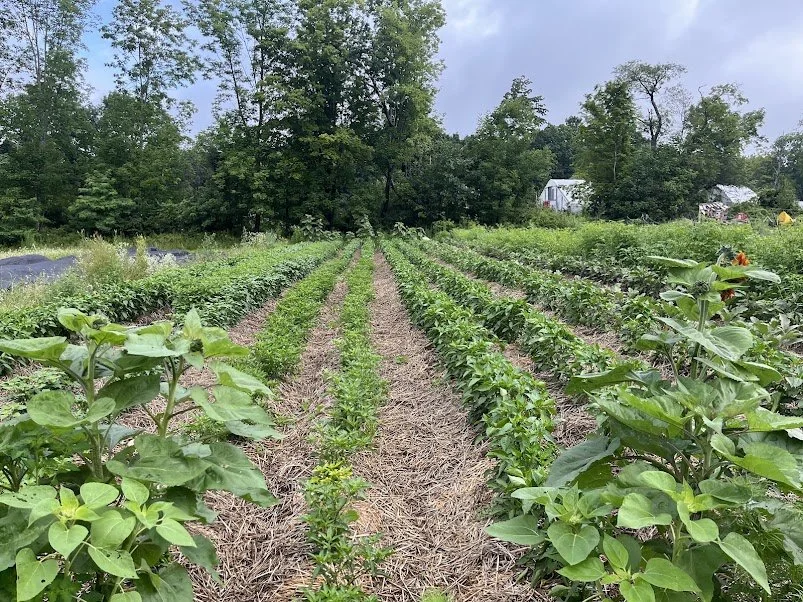
outdoor pepper plants getting ready to produce, photo by Ryan
Community News
A CSA member is running for state office this cycle, and if you vote in this disctrict, here she is:
Hi everyone! My name is Phoebe Tucker, and I'm reaching out to introduce myself as the Democratic candidate for your State Representative this year (RUT-WDR; representing Ludlow, Mt. Holly, and Shrewsbury). I'm running because I want to make a positive impact in our local communities, advocate for our towns on important issues such as affordability, healthcare, education, and housing, and increase representation for young, working-class people like myself in the statehouse.
Learn more about our campaign at https://www.phoebeforvermont.com/, on Instagram @phoebetuckerforvt, and through our Facebook page Phoebe Tucker For VT State Rep. 2026. You can also email me directly at phoebeforvermont@gmail.com. I look forward to connecting with you!
Farm News
This summer, thanks to cyclospora, food safety has been a more common topic on the general public’s mind. More folks have been reaching out asking to get food here because the general supermarkets make them nervous (understandably), and more folks are asking us about our food safety plans and why it seems like more food illness outbreaks occur at larger farms than smaller farms. So I thought it would be interesting to write about that this week:
Food safety plans on larger farms aren’t inherently less effective than on small farms. In fact, some small farms may not even have one in place or know all the best practices to keep fresh produce safe. (This is not to make anyone nervous: Vermont has a robust food safety training program that provides education and support for small farms to establish and maintain a food safety plan.) But there are a few reasons why food born illness outbreaks are more common on larger agricultural operations:
Scale: Commercial farms are HUGE. So a contamination issue that happens a farm that is harvesting 200,000 heads from one field has 199,900 more opportunities than my lettuce bed with 100 heads. So there is just more opportunity for an issue to become widespread.
Single stream versus lots of mixing: On a small farm, we harvest a crop from one spot, and the distance from the field to your plate is shorter than in a large farm system, so there are fewer opportunities for your food to get contaminated in the first place. On large operations, it’s common for products to be mixed at various points in the harvest, wash, pack, distribute stage. Those operations often have multiple farm locations, multiple fields, multiple wash pack houses, etc, etc. What this means, is imagine one patch of arugula that has deer droppings on it.. That ½ acre field of arugula is harvested, and all washed together, and now that 1 square foot of arugula that touched the deer droppings gets mixed with 5000+ pounds of arugula from that single field and may contaminate the whole batch. But then imagine that instead of just that single ½ acre field, that same batch is actually mixed with 4 other ½ fields from other locations, all mixed, washed, and packed at the same facility. Well now that contamination has affected over 25,000+ pounds of arugula, which might become over 100,000+ retail containers of arugula. So this one square foot of deer droppings now has the potential to affect more than 100,000 people (assuming more than one person eats from each retail container.) This is not to mention that on large farms, all of this would be machine harvested, so that’s why the deer cropping contamination would be an issue in the first place. The current harvesting machines that are available wouldn’t see the deer droppings and skip that area when harvesting. Whereas, on small farms, when that type of contamination occurs, we are hand harvestin with a knife and a bin, touching each leaf and able to flag it, and move a safe distance away to avoid even touching or harvesting something that would have been touched by that. So that type of contaminant source is much less likely to happen in the first place, and it wouldn’t have the opportunity to exponentially grow through massive product consolidation.
More on mechanization: Going back to that machine harvester for the arugula greens… It’s done with the arugula, but now has some contamination from the arugula that touched the deer droppings. And then that machine heads over to the baby lettuce field, and starts cutting over there. The brushes on the harvester start sharing the contamination with all the lettuce leaves that pass through. And now that 1 square foot of deer droppings in one arugula field is affecting a completely different crop and then all the other co-mingling from other baby lettuce fields when they mix in the washing facility. As compared to the small farm setting, where knife washing can occur more frequently than harvest machine washing. And knives are knives, whereas harvest machines have bruches, conveyor belts, bolts, plates, containers, and on and on and on, and all of those parts need to be cleaned.
Supply chain timing difference: Produce from small farms generally go from the field to the wash station to the coolers to the eater within 1 to 5 days depending on if it’s a CSA member or a restaurant diner or a co-op customer. This means there is less opportunity for handling contamination, or longer times in transit without refrigeration which slows contamination spread. Whereas in larger operations a supply chain can look like: Field to wash facility, to coolers, to trucks, to warehouses, to the next trucks, to distribution centers, to the next trucks, to the retail outlet to the customer. That’s a lot more opportunity for handling error, temperature fluctuation, and just time in general for a contaminated product to spread to other products around it. An average box of spring mix from a commercial operation gets to your plate 3 weeks after it was harvested. That’s wild.
Number of people to train: Large operations employe hundreds and sometimes thousands of employees, and it is tough to make sure that many people know all the basics for food safety plans. Whereas small farms have fewer people to teach.
Water systems: I am not going to being to pretend I understand the complexities of water management for large operations, but I know enough to say that they are complicated and diverse, and significantly harder to maintain. Irrigation is often sourced from rivers, reservoirs, or other large sources, and there are just inherently more contamination risks from larger sources and from surface water. On this small farm, we are lucky to have a productive enough well. Ground water is much safer to begin with, and with it being a single source, we are able to test our well regularly to confirm that it is a safe source for washing produce. (I don’t have to maintain water testing from multiple sources that I don’t have control over managing.
Larger space is harder to keep track of: We only have 4 acres of veggie fields to walk and inspect regularly throughout the week. It’s easy for us to see any wildlife activity that might be in a field coming up for harvest. Whereas on operations that are managing hundreds or thousands of acres, it’s just not possible to have field surveillance capacity for all of that.
There are probably other factors that I am not thinking of, but suffice it to say, this is why we hear more about food illness outbreaks from massive operations compared to small farms. Again, not throwing big farms under the bus: Despite the idea that big ag is evil, they are just part of the food system we are all intertwined with, and even profit hungry CEOs don’t want food born illness issues, because there’s nothing like a food born illness outbreak that will cut into their profits. That is to say, food born illness issues that arise from the conventional food system are accidents, and everyone does their best to avoid them. Large operations have written SOPS, regular trainings, lot identifications, and tracking systems to track down illness risks when they arise. I just share all this info (that I know of, which is limited, because I am a farmer, not a food safety scientist) because where we source our food is a choice. Our family has the lucky choice of eating minimal fresh produce from somewhere besides our farm. And if we have to buy food on a road trip when we run out of our own food, we choose to buy cooked food (which isn’t fool proof of course! but does decrease risk) rather than a sandwich with “fresh” lettuce on it. (I definitely don’t feel like managing the symptoms of cyclospora on a long road trip with kids, ha!) Education just helps us all make choices based on our personal risk tolerance.
The Food Safety and Modernization Act has made some improvements in terms of large operations creating more preventative practices for food safety. Most farms our size are exempt from FSMA, but we choose to be CAP certified, a collaborative certification between the VT and the USDA. Between that certification, the inherent smaller risks on an operation our size, and the fact that we are eating this food ourselves so would hopefully also be in tune with any issues, we feel pretty at ease with the safety of the produce here. (I know most of you do as well, since you are choosing to get your food here!)
Woo! You just made it through a verbose, nerdy newsletter, pat yourself on the back!
Have a great week,
-ESF Team: Kara, Ryan, K2, Vanessa, Taylor, Katie, Galen, Leah, Natalie, Cindy, Georgia, Amelia, Hannah, and Grandpa Jim the delivery guy (and Sky and Soraya)
This recipe is not mine, but we love tabouleh this time of year to celebrate cukes and tomatoes… I make my tabouleh with quinoa to keep it gluten-free to be able to share with anyone, and I actually prefer the texture of it that way myself.
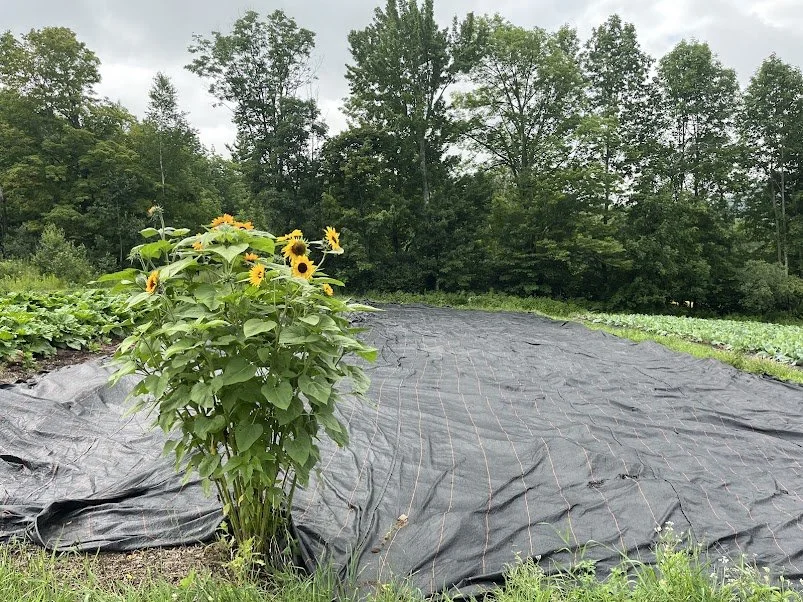
This field grew spring greens, and is tarped to prepare it for a second greens seeding, photo by Ryan
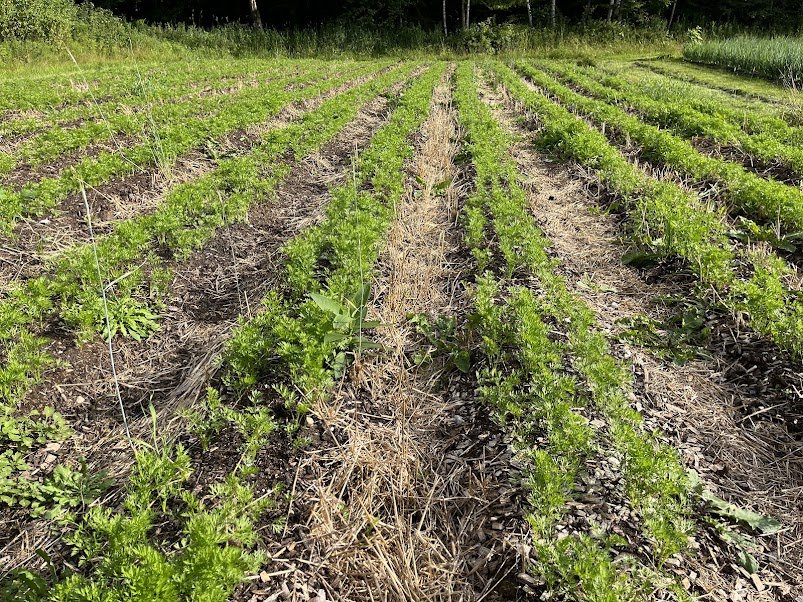
Carrots growing after a rye/vetch/crimson clover cover crop, photo by Ryan
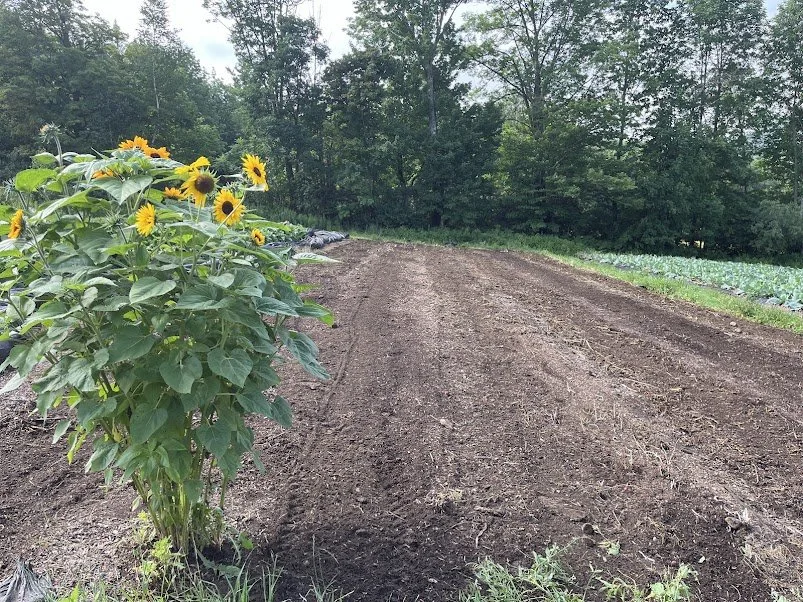
Tarp removed and ready to plant to lettuce and spinach. It’s nice to save the volunteer sunflower. Photo by Ryan
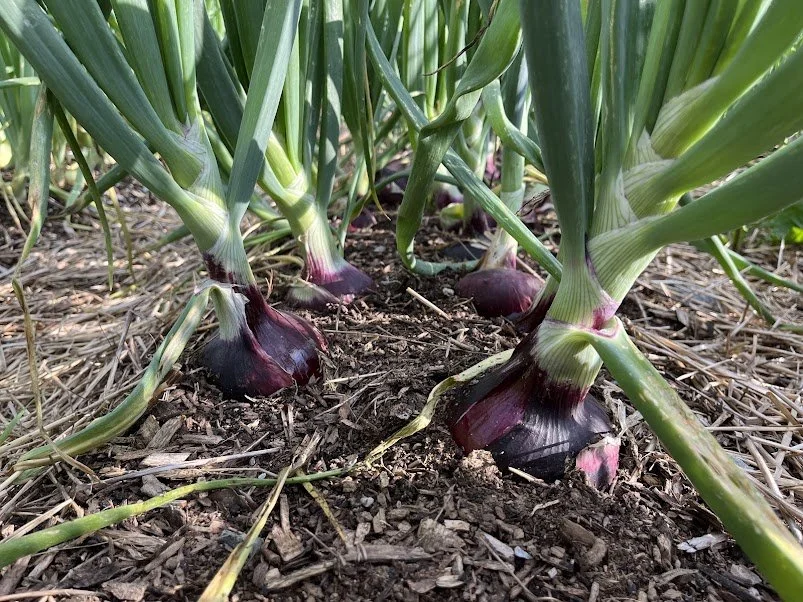
Red onions are sizing up and getting ready to harvest, photo by Ryan
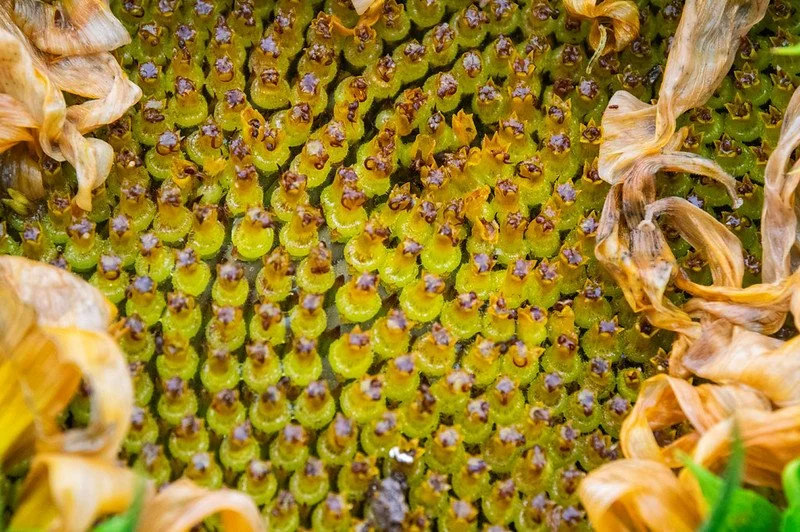
Sunflower turning into sunflower seeds, photo by Adam Ford
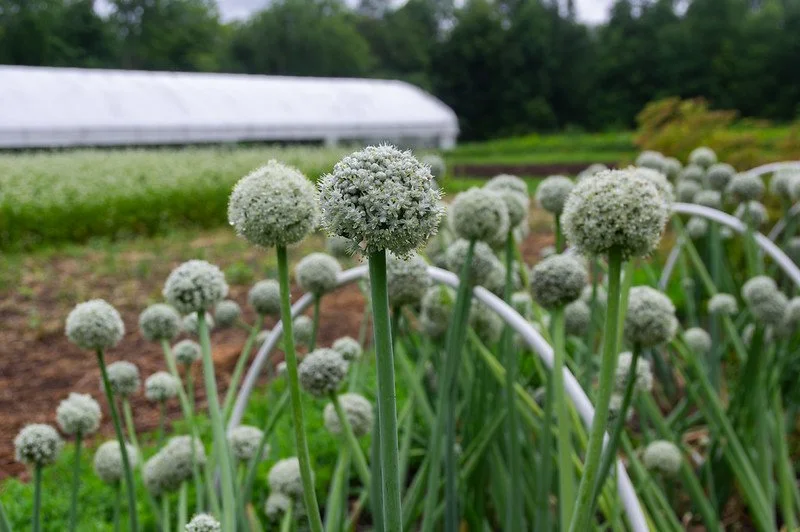
Last year's onions turning into next year’s onion seeds, photo by Adam Ford
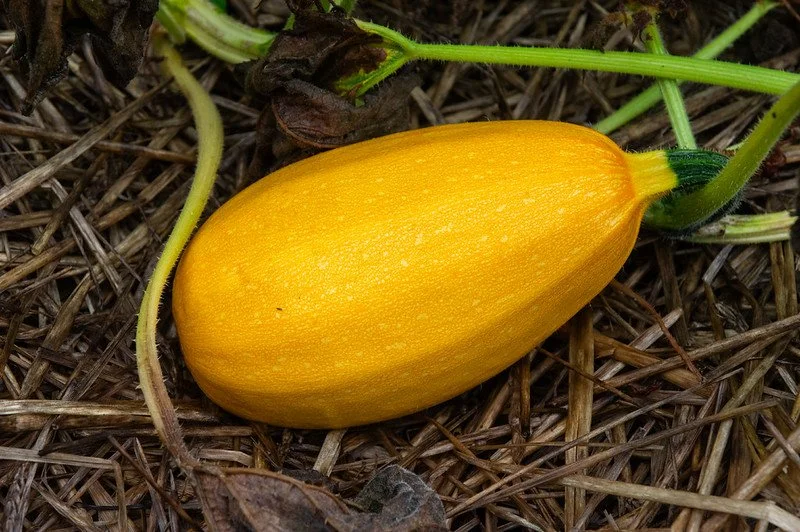
Autumn is on the way, photo by Adam Ford
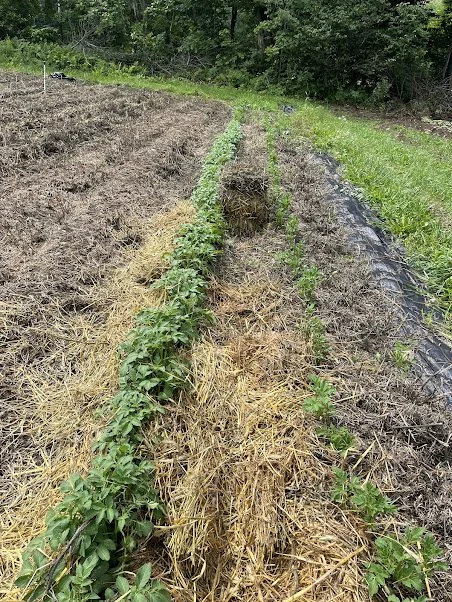
Late potatoes growing up through sweet clover residue, mulched with straw. Photo by Ryan
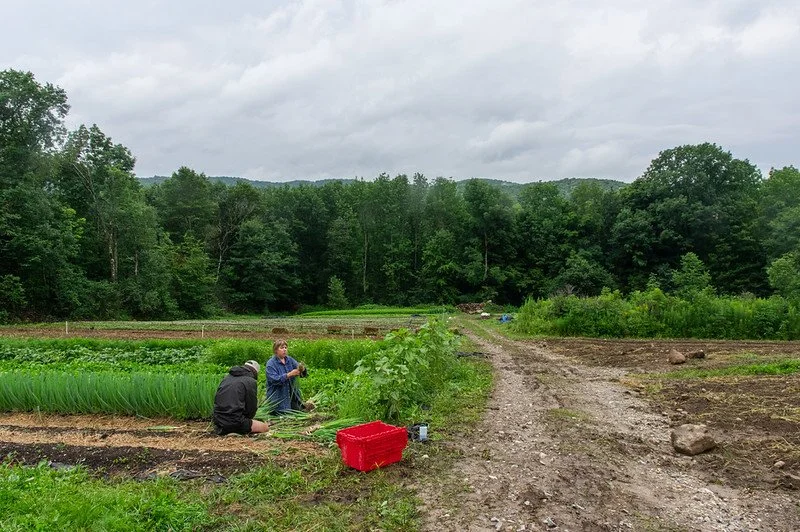
Harvesting scallions in the open field, Photo by Adam Ford
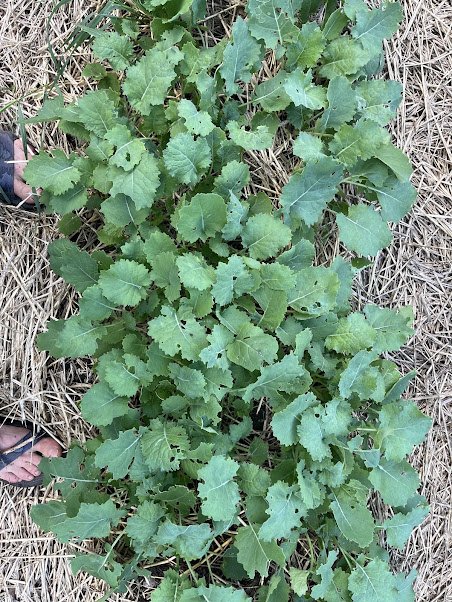
Rutabaga plants before thinning, photo by Ryan